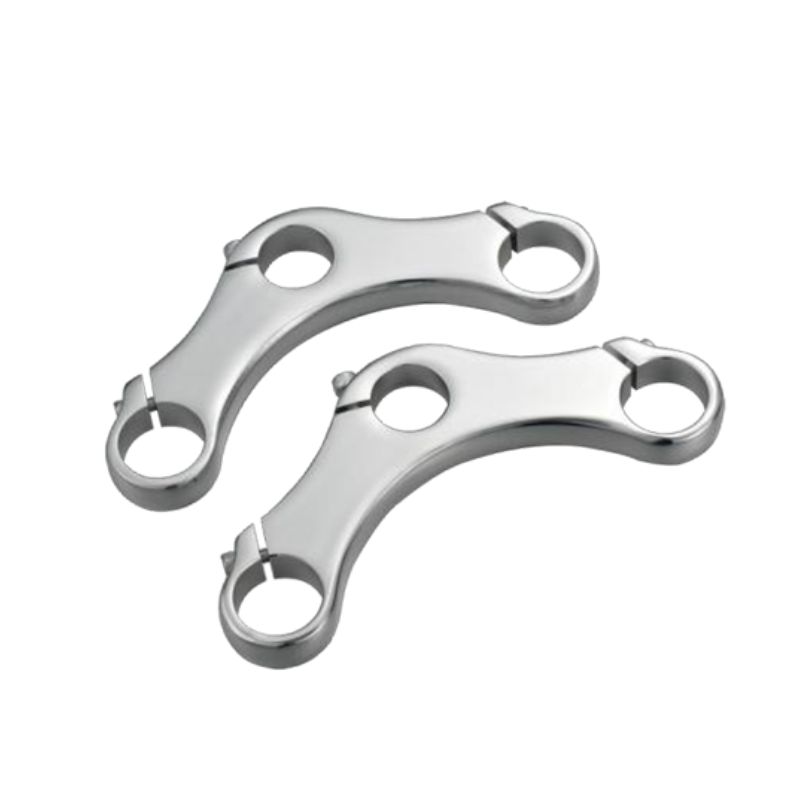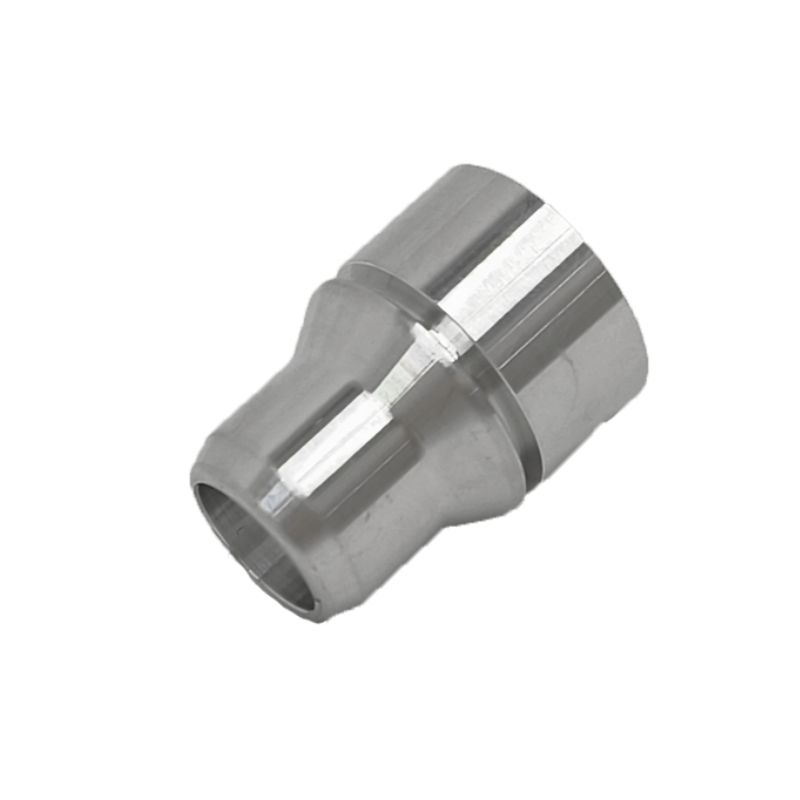

Forged aluminum refers to a manufacturing process in which aluminum is shaped or formed through the application of pressure and heat. The process involves heating a metal billet or ingot to a temperature where it becomes more malleable, and then applying force to shape it into a desired form. In the case of forged aluminum, this typically involves using a hydraulic press or hammer to deform the metal.
Forging can be done through various methods, including open-die forging and closed-die forging. Open-die forging involves shaping the metal between flat dies, while closed-die forging involves dies with specific contours that shape the metal into a more intricate form. The forging process imparts strength and durability to the aluminum, making it well-suited for applications where these properties are crucial.
Forged aluminum is commonly used in the aerospace, automotive, and sporting goods industries, among others. The resulting forged aluminum products often exhibit improved mechanical properties, such as enhanced strength, toughness, and fatigue resistance, compared to their cast or machined counterparts. The precise characteristics of forged aluminum products can vary based on the specific alloy used and the details of the forging process.