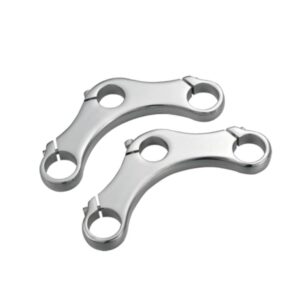
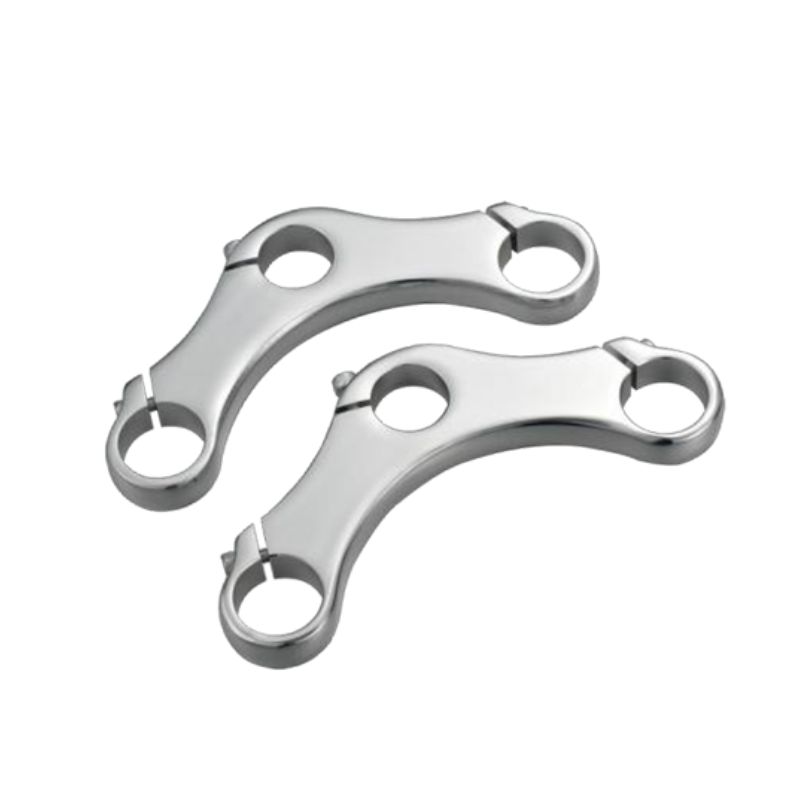
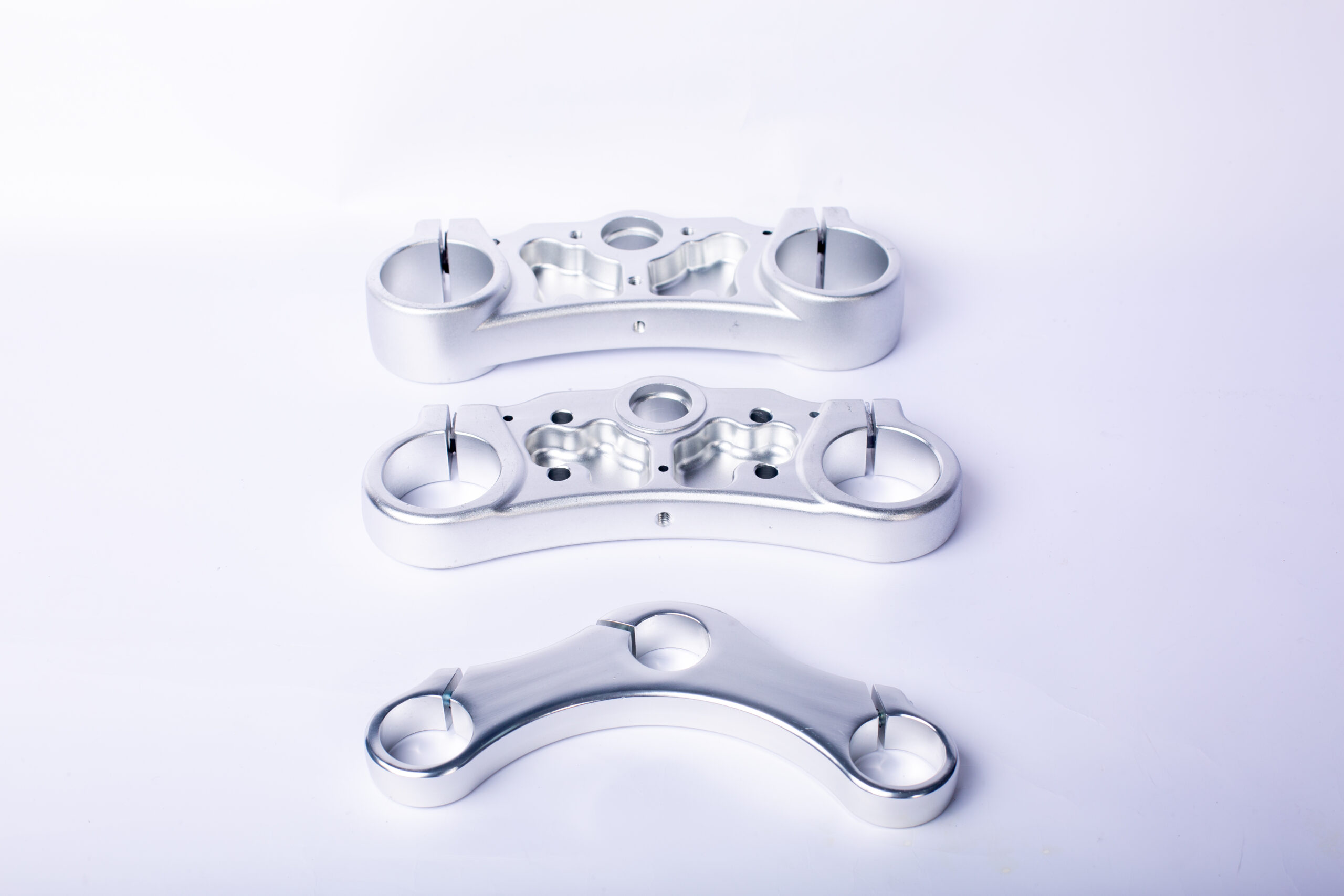
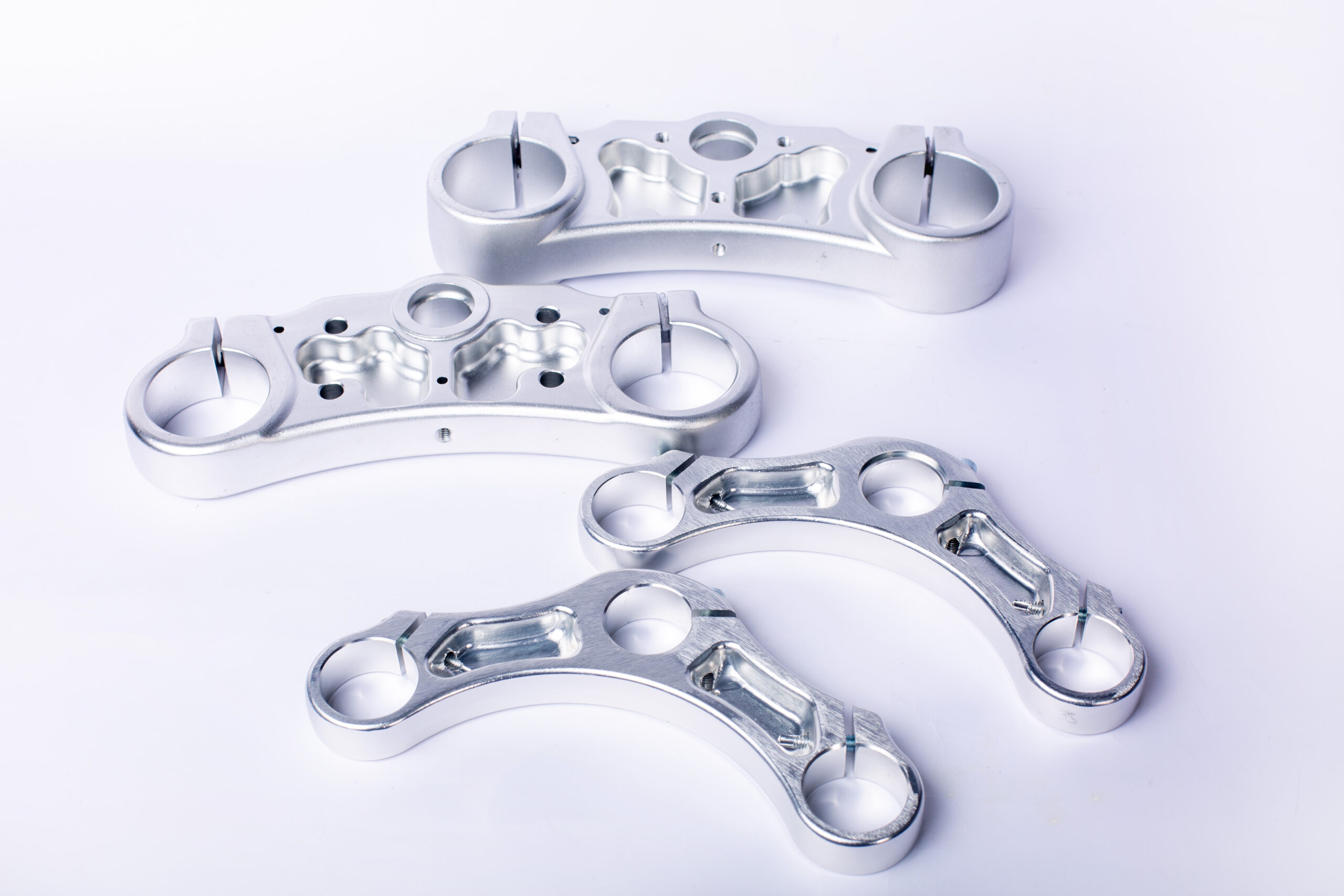
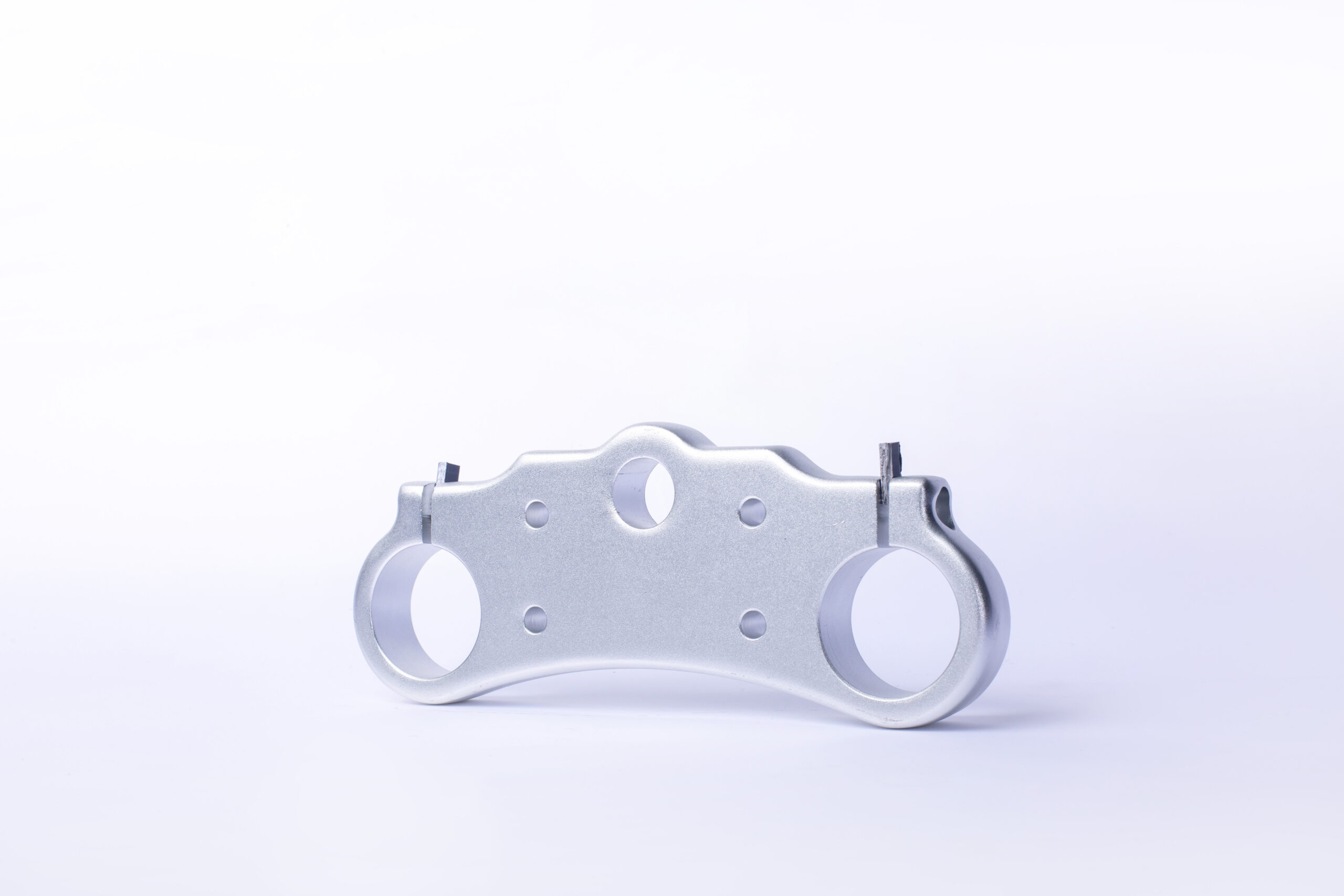
MINGYU Tech, with more than 20 years of experience in the aluminum extrusion bending industry, is a trusted brand in the market. Our company specializes in custom extruded profiles and offers a variety of designs, surface finishes, and size options. We use advanced technology and equipment to produce high-precision extrusions that meet our customers’ specific requirements. Focusing on innovation, quality and customer satisfaction, MINGYU Tech has become a top player in the industry.
One of the main advantages of aluminum extrusion bending is that it allows for complex shapes and designs to be created with a high degree of precision. This makes it a popular choice for the production of a wide range of products, including architectural frames, automotive parts, and household items.
In addition to its versatility, aluminum extrusion bending offers numerous other benefits. It is a highly cost-effective manufacturing method, as the extrusion process is relatively fast, and the material is easily recyclable. Extruded aluminum products also have excellent corrosion resistance and a high strength-to-weight ratio, making them suitable for use in various environments and industries.
| OEM/ODM | Yes |
| Length | Customised Length |
| shape | customized |
| Material | 6463 6063 Aluminum Alloys |
| Colour | Customised colour |
| MOQ | 150 Kilograms |
| Fabrication | Machining, CNC, sawing, milling, punching, lathing, tapping, chamfering, laser, cold drawing |
| Type | windor frame, Home decoration profiles,furniture products,furniture handle. |
| Certificate | For SGS, ISO9001 2015, RoHS |
| Surface Processing | Anodize, Polish, Brush, Coating |
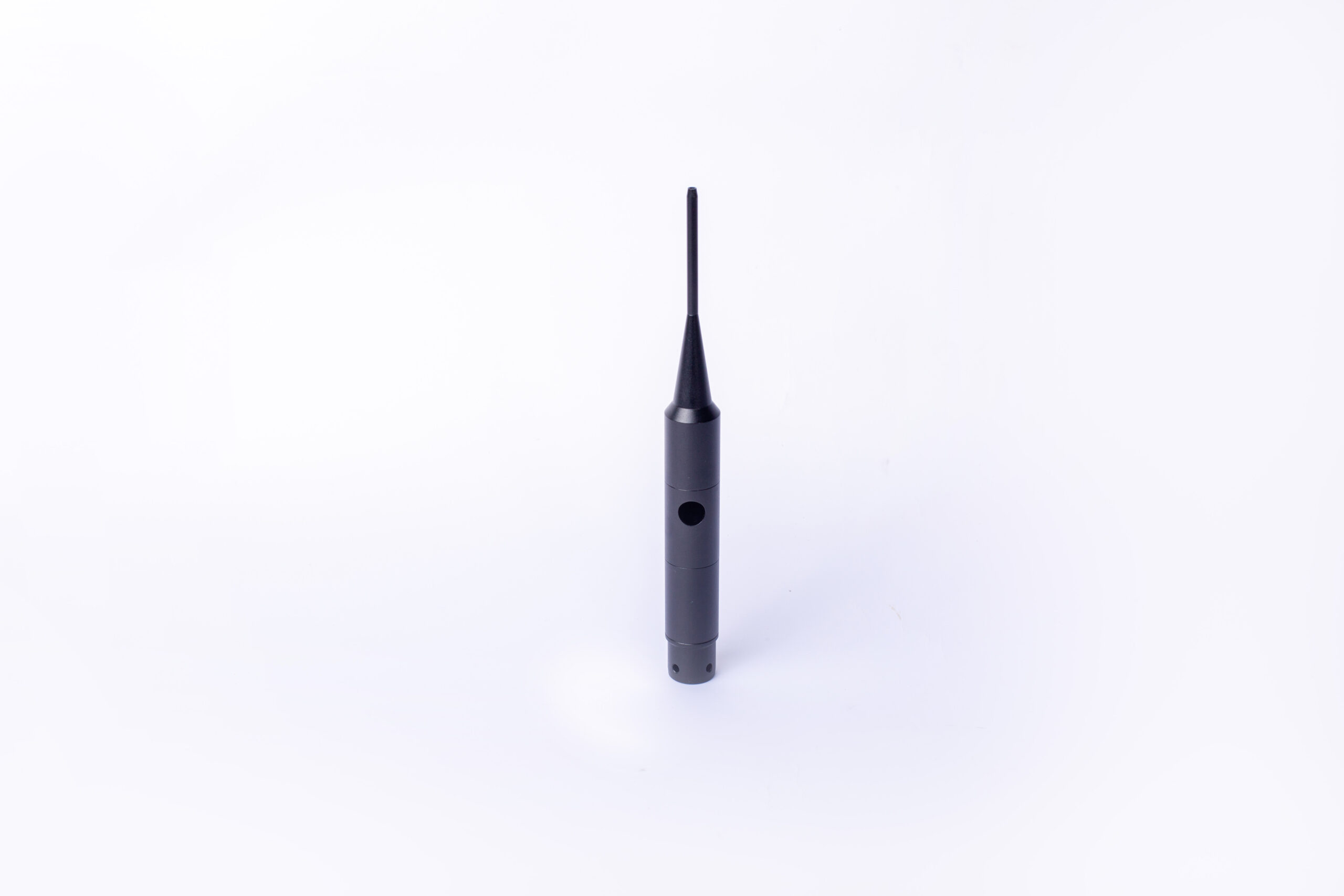


aluminum extrusion bending FAQs Guide.
In this guide, we will provide you with all the information you need to know about our top-quality aluminum extrusion bending and how they can benefit you and your projects. With extensive experience in the industry, our products are trusted by professionals and DIY enthusiasts alike. From industrial applications to home improvement projects, our aluminum extrusion bending offer durability, versatility, and customization options to meet all your needs. Read on to discover more about our aluminum extrusion bending products and why they should be your top choice.
1.How does the extrusion process impact the dimensional stability of the final product?
We are committed to providing personalized solutions and established long -term strategic cooperative relationships with customers.
The extrusion process can have a significant impact on the dimensional stability of the final product. During the extrusion process, the material is heated and forced through a die, which can cause the material to expand or contract. This can lead to dimensional changes in the final product, such as warping, shrinking, or expanding. Additionally, the extrusion process can cause internal stresses in the material, which can lead to further dimensional changes over time.
2.Can aluminum extrusion bending be used in corrosive environments?
We pay attention to user experience and product quality, and provide the best product quality and lowest production cost for cooperative customers.
Yes, aluminum extrusion can be used in corrosive environments. Aluminum is a corrosion-resistant material, and when used in extrusion, it can be further protected with a variety of coatings and finishes. These coatings and finishes can help protect the aluminum from corrosion and other environmental factors.
3.How does the cooling process affect the properties of the extruded product?
We pay attention to employee development and benefits, and provide a good working environment in order to improve the efficiency of employees and improve the quality management of aluminum extrusion bending products.
The cooling process affects the properties of the extruded product by changing the physical and chemical properties of the material. During the cooling process, the material will shrink and become more rigid, which can affect the shape and size of the product. Additionally, the cooling process can affect the surface finish, strength, and other properties of the product.
4.Are there any limitations to the design possibilities with aluminum extrusion bending?
Our aluminum extrusion bending products have competitive and differentiated advantages, and actively promote digital transformation and innovation.
Yes, there are some limitations to the design possibilities with aluminum extrusion. The most common limitation is the size of the extrusion profile, as the profile must fit within the available space. Additionally, the shape of the profile may limit the design possibilities, as certain shapes may not be suitable for certain applications. Finally, the strength of the aluminum alloy used in the extrusion may limit the design possibilities, as certain applications may require a stronger alloy.
5.How does the choice of lubrication method affect the extrusion process?
The choice of lubrication method can have a significant impact on the extrusion process. Different lubrication methods can affect the surface finish of the extruded product, the amount of friction generated during the process, and the amount of energy required to complete the extrusion. For example, using a dry lubricant such as graphite or molybdenum disulfide can reduce friction and improve surface finish, while using a wet lubricant such as oil or grease can reduce friction and improve the flow of the material. Additionally, the choice of lubrication method can affect the amount of heat generated during the process, which can have an impact on the quality of the extruded product.
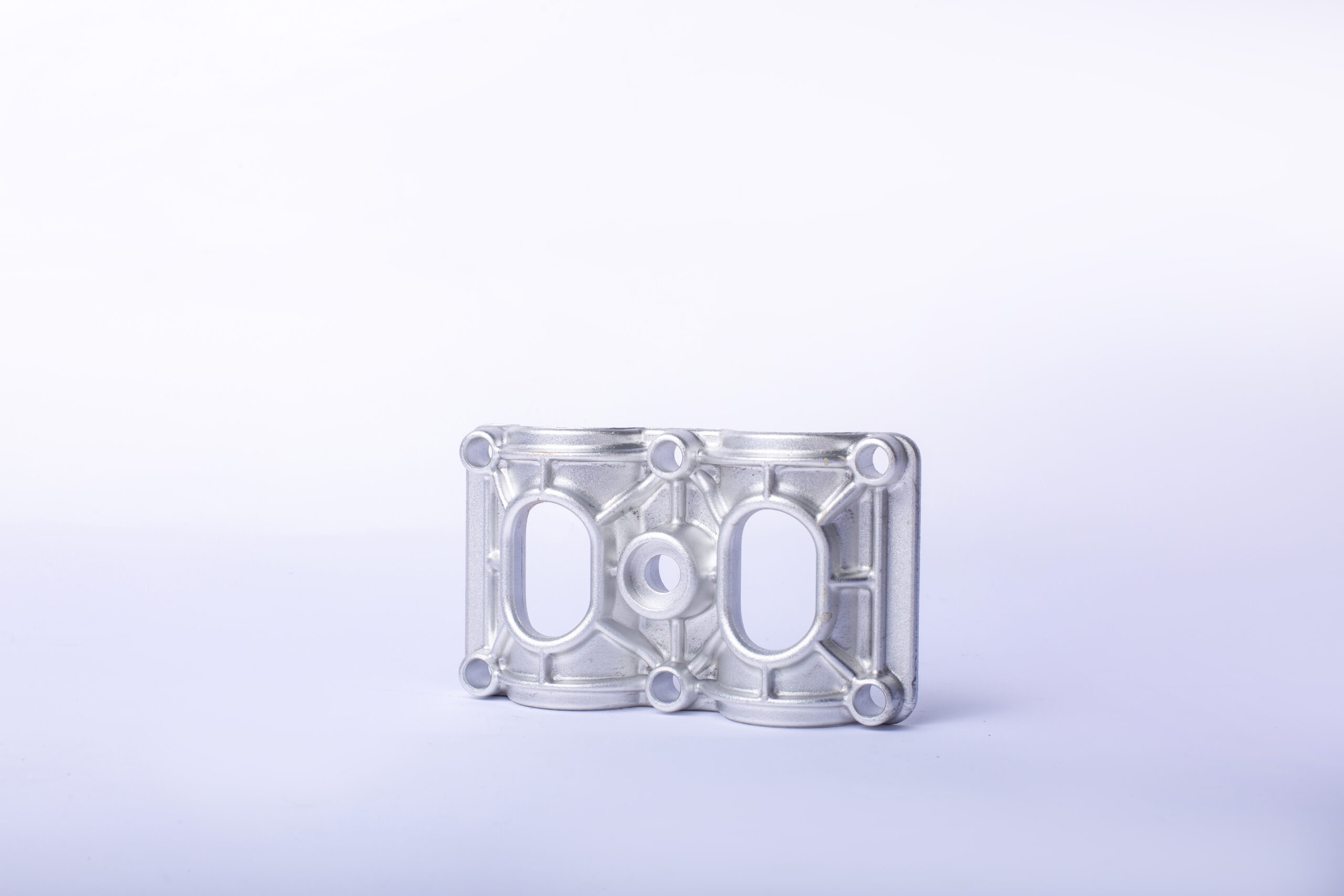
6.What types of profiles are commonly extruded with aluminum?
Common types of profiles extruded with aluminum include: window and door frames, curtain wall frames, structural framing, handrails, fencing, heat sinks, solar panel frames, and automotive components.
7.Can aluminum extrusion bending be used in high temperature applications?
We maintain a stable growth through reasonable capital operations, focus on industry development trends and cutting -edge technologies, and focus on product quality and safety performance.
Yes, aluminum extrusion can be used in high temperature applications. Aluminum is a strong and lightweight metal that is able to withstand high temperatures without losing its strength or becoming brittle. It is also resistant to corrosion and can be used in a variety of applications, including automotive, aerospace, and industrial applications.
8.How does the choice of extrusion temperature affect the mechanical properties of the final product?
We maintain a certain amount of R&D investment every year and continuously improve operational efficiency to provide better services to our cooperative customers.
The extrusion temperature affects the mechanical properties of the final product in several ways. At higher temperatures, the material is more malleable and easier to shape, but it also becomes more brittle and prone to cracking. At lower temperatures, the material is more rigid and less prone to cracking, but it is also more difficult to shape. The extrusion temperature also affects the crystallinity of the material, which in turn affects its strength and ductility.
9.What is the difference between hot and cold extrusion?
aluminum extrusion bending is not a product only, but also can help you comes to money-making.
Hot extrusion is a process in which a metal is heated to a temperature above its recrystallization temperature and then forced through a die to form a desired shape. Cold extrusion is a process in which a metal is forced through a die at room temperature or slightly above. Cold extrusion is typically used for softer metals such as aluminum, copper, and brass, while hot extrusion is used for harder metals such as steel and titanium. Hot extrusion is more expensive and time consuming than cold extrusion, but it produces a stronger and more precise product.
10.Can decorative features be added to an extruded product?
Being one of the top aluminum extrusion bending manufacturers in China, We attach great importance to this detail.
Yes, decorative features can be added to an extruded product. This can be done by adding a coating or finish to the product, or by using a different type of extrusion die to create a unique shape or pattern. Additionally, decorative features can be added to the product after it has been extruded, such as by painting or engraving.
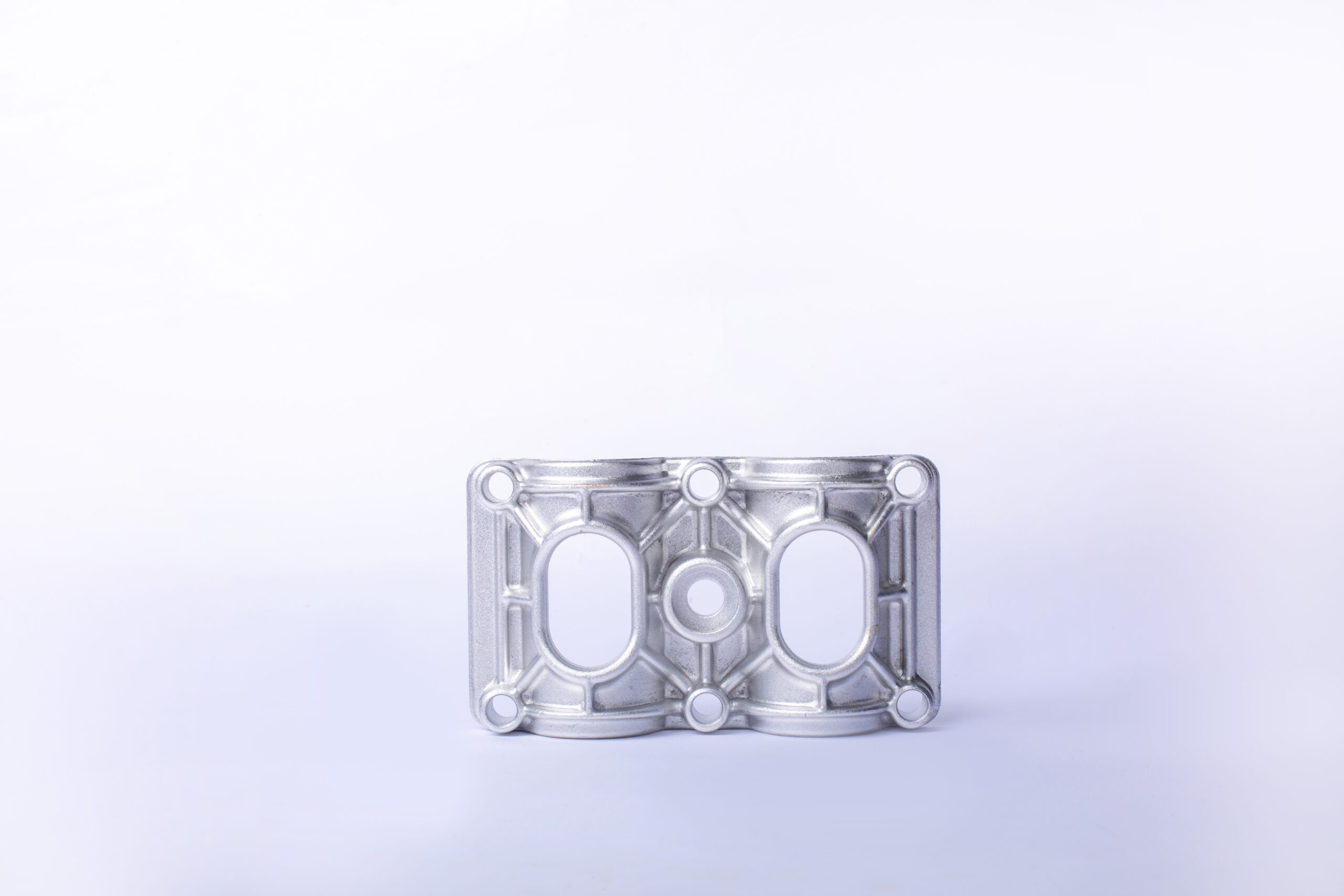
11.Can recycled aluminum be used in the extrusion process?
We actively participate in the aluminum extrusion bending industry associations and organization activities. The corporate social responsibility performed well, and the focus of brand building and promotion
Yes, recycled aluminum can be used in the extrusion process. The recycled aluminum is melted down and then extruded into the desired shape. The recycled aluminum can be used in the same way as new aluminum, and it can be used to create a variety of products.
12.How does the design of a product impact the extrusion process?
We should have a stable supply chain and logistics capabilities, and provide customers with high -quality, low -priced aluminum extrusion bending products.
The design of a product can have a significant impact on the extrusion process. The shape, size, and complexity of the product will determine the type of extrusion process that is used, as well as the type of tooling and dies that are required. Additionally, the design of the product will determine the amount of material that is needed, the speed of the process, and the amount of time it takes to complete the extrusion process.
13.Can aluminum extruded products be welded?
We focus on innovation and continuous improvement to maintain a competitive advantage.
Yes, aluminum extruded products can be welded. However, the welding process must be done carefully to ensure that the welded joint is strong and free of defects.
14.How does aluminum extrusion bending work?
We have a wide range of aluminum extrusion bending customer groups and establishes long -term cooperative relationships with partners. The countries we provide services include $keyworrd{国家变量}.
Aluminum extrusion is a process in which aluminum is forced through a die of the desired cross-sectional profile. The aluminum is heated to a temperature of around 500°F (260°C) and then forced through the die by a ram. As the aluminum passes through the die, it takes on the shape of the die. The extruded aluminum is then cooled and cut to the desired length. The extruded aluminum can then be used for a variety of applications, such as window frames, door frames, and structural components.
Tag:aluminum extrusion conveyors,aluminum extrusions shapes,aluminum extrusion box design