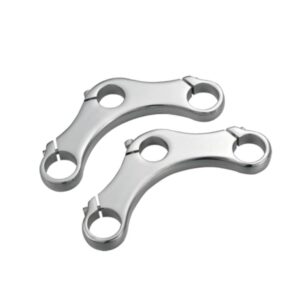
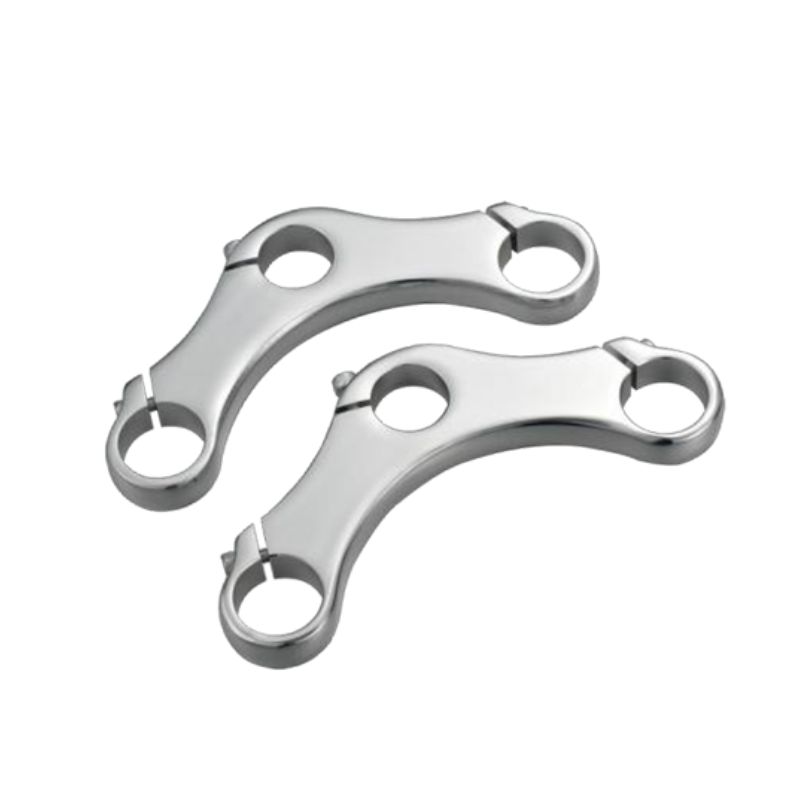
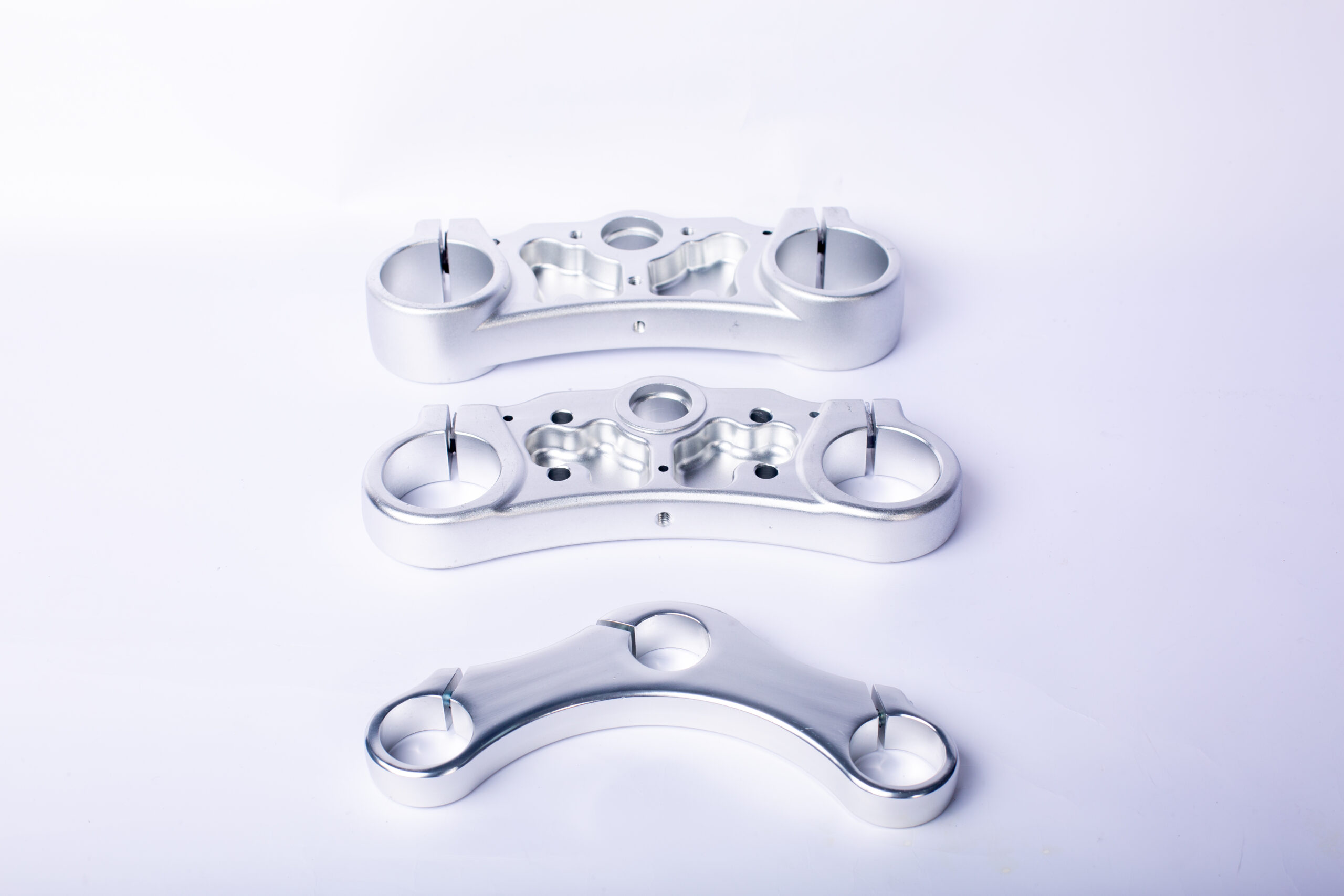
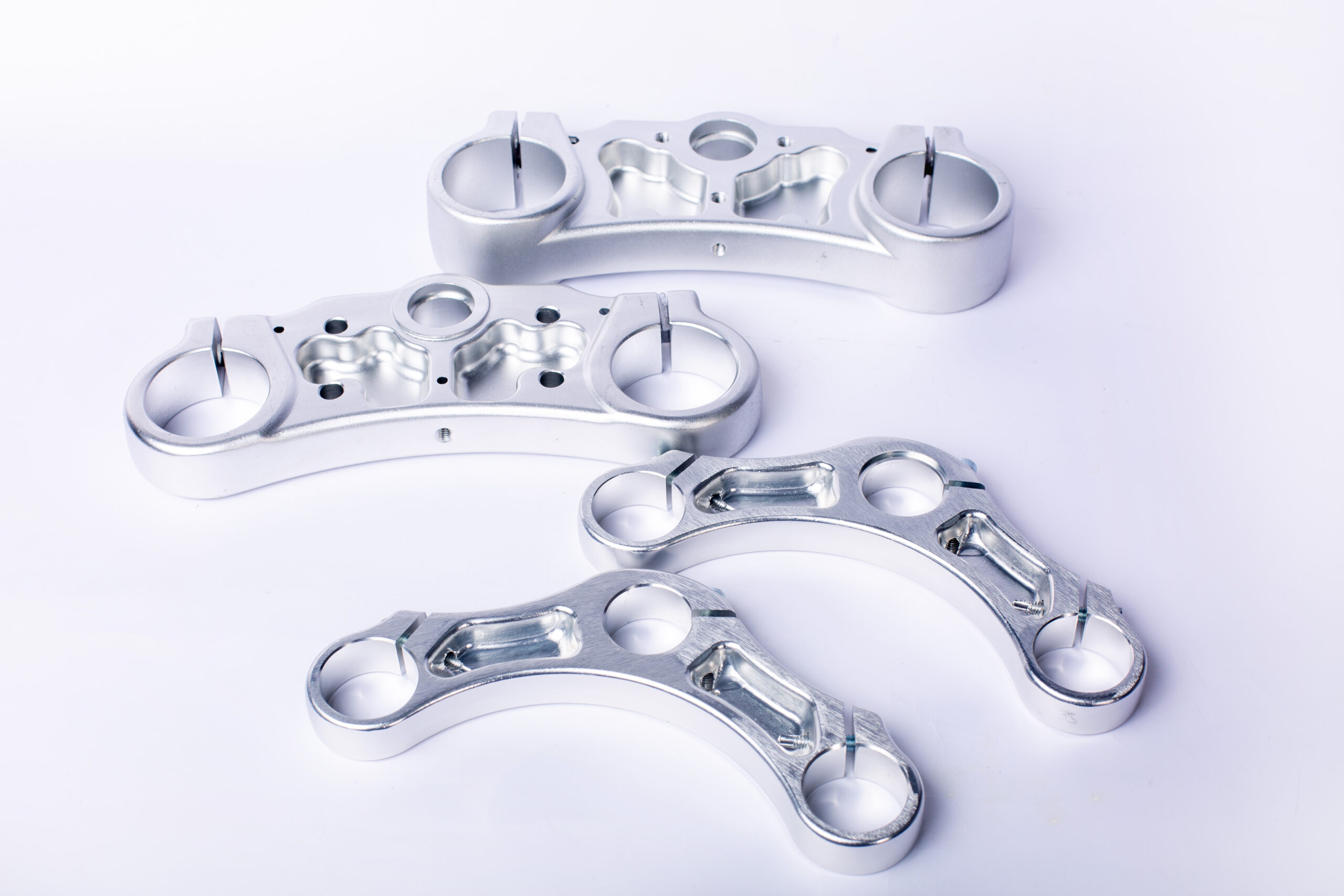
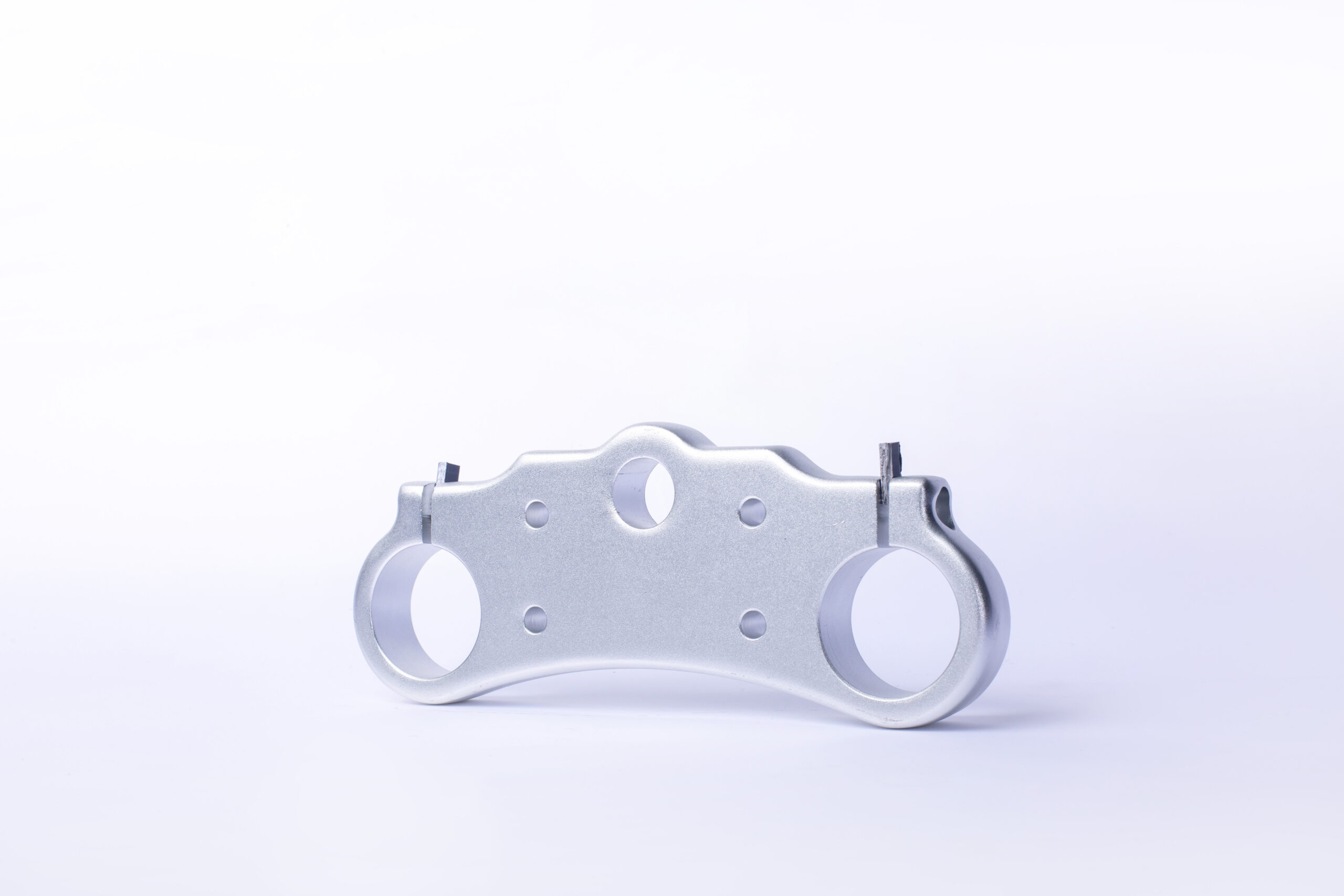
MINGYU Tech, is a leading manufacturer of precision aluminum profiles for the construction industry. They offer a comprehensive range of standard and custom profiles for door and window frames, curtain walls and other architectural applications. Our company is known for its advanced manufacturing technology and strict quality control, ensuring that its products meet the highest safety and performance standards. With its commitment to sustainability and customer-centric approach, MINGYU Tech has become a trusted partner to architects, builders and contractors.
One of the key advantages of aluminum extrusion technology is its versatility. With the ability to create complex and intricate designs, these products are widely used for a range of purposes. They can be curved, bent, drilled, punched, and cut to meet the specific requirements of different applications.
In addition to their design flexibility, aluminum extrusion technology are known for their strength and durability. The metal itself is lightweight, but when formed into extrusions, it becomes a strong and sturdy material that can withstand various harsh conditions. It is also resistant to corrosion, making it ideal for outdoor and industrial use.
| OEM/ODM | Yes |
| Length | Customised Length |
| shape | customized |
| Material | 6463 6063 Aluminum Alloys |
| Colour | Customised colour |
| MOQ | 150 Kilograms |
| Fabrication | Machining, CNC, sawing, milling, punching, lathing, tapping, chamfering, laser, cold drawing |
| Type | windor frame, Home decoration profiles,furniture products,furniture handle. |
| Certificate | For SGS, ISO9001 2015, RoHS |
| Surface Processing | Anodize, Polish, Brush, Coating |
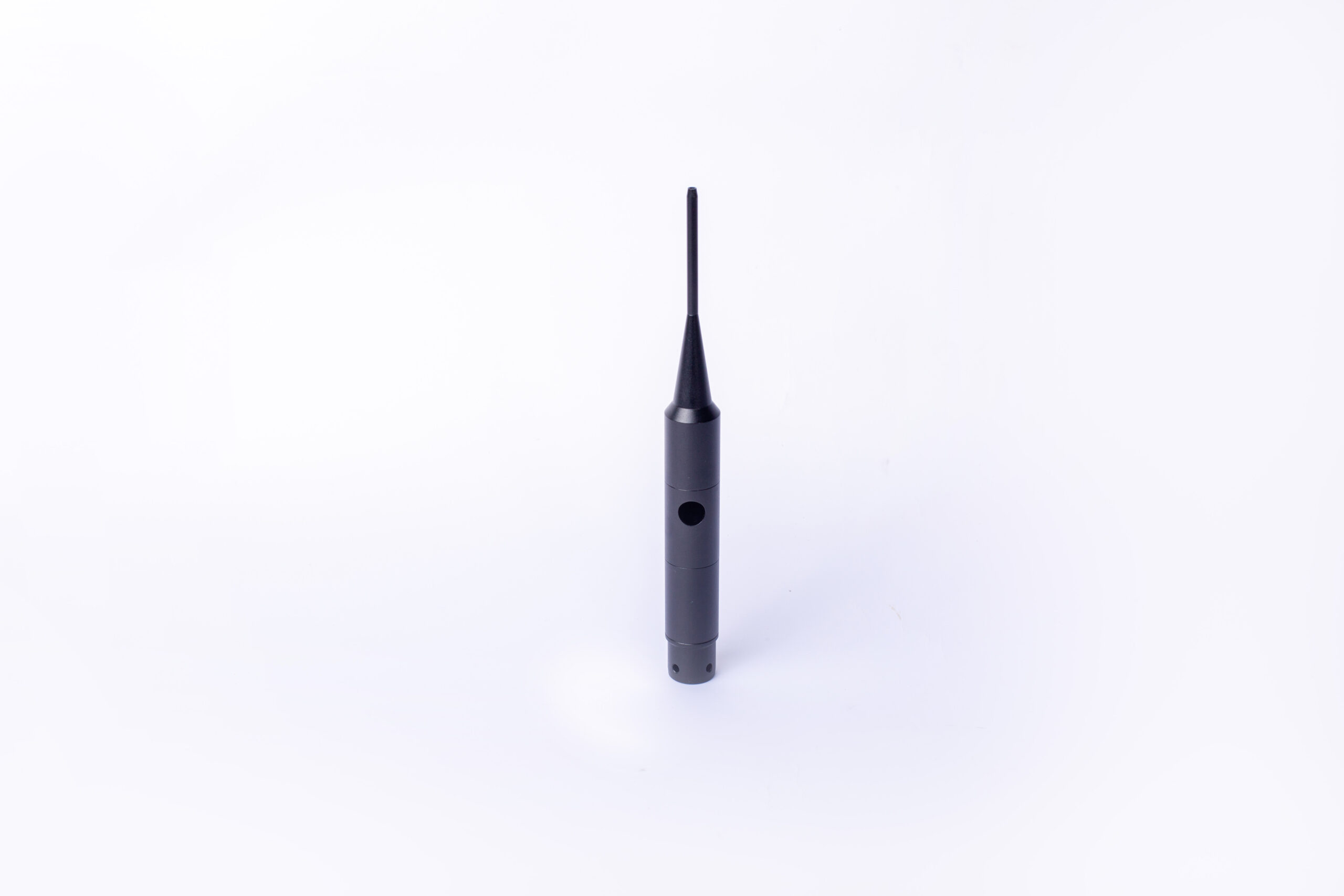


aluminum extrusion technology FAQs Guide.
In this guide, we will provide you with all the information you need to know about our top-quality aluminum extrusion technology and how they can benefit you and your projects. With extensive experience in the industry, our products are trusted by professionals and DIY enthusiasts alike. From industrial applications to home improvement projects, our aluminum extrusion technology offer durability, versatility, and customization options to meet all your needs. Read on to discover more about our aluminum extrusion technology products and why they should be your top choice.
1.What are the common surface finishes for aluminum extrusion technology?
We should perform well in market competition, and the prices of aluminum extrusion technology products have a great competitive advantage.
1. Anodizing
2. Powder Coating
3. Brushing
4. Polishing
5. Sandblasting
6. Laser Engraving
7. Chemical Film
8. Electroplating
2.How does the use of aluminum extrusion technology impact the assembly process of a product?
The use of aluminum extrusion can significantly reduce the amount of time and effort required to assemble a product. Aluminum extrusions are pre-cut and pre-shaped, so they can be quickly and easily connected to other components. This eliminates the need for cutting, drilling, and other labor-intensive processes. Additionally, aluminum extrusions are lightweight and strong, making them ideal for use in products that require a high degree of structural integrity. Finally, aluminum extrusions are corrosion-resistant, so they can be used in a variety of environments without fear of damage.
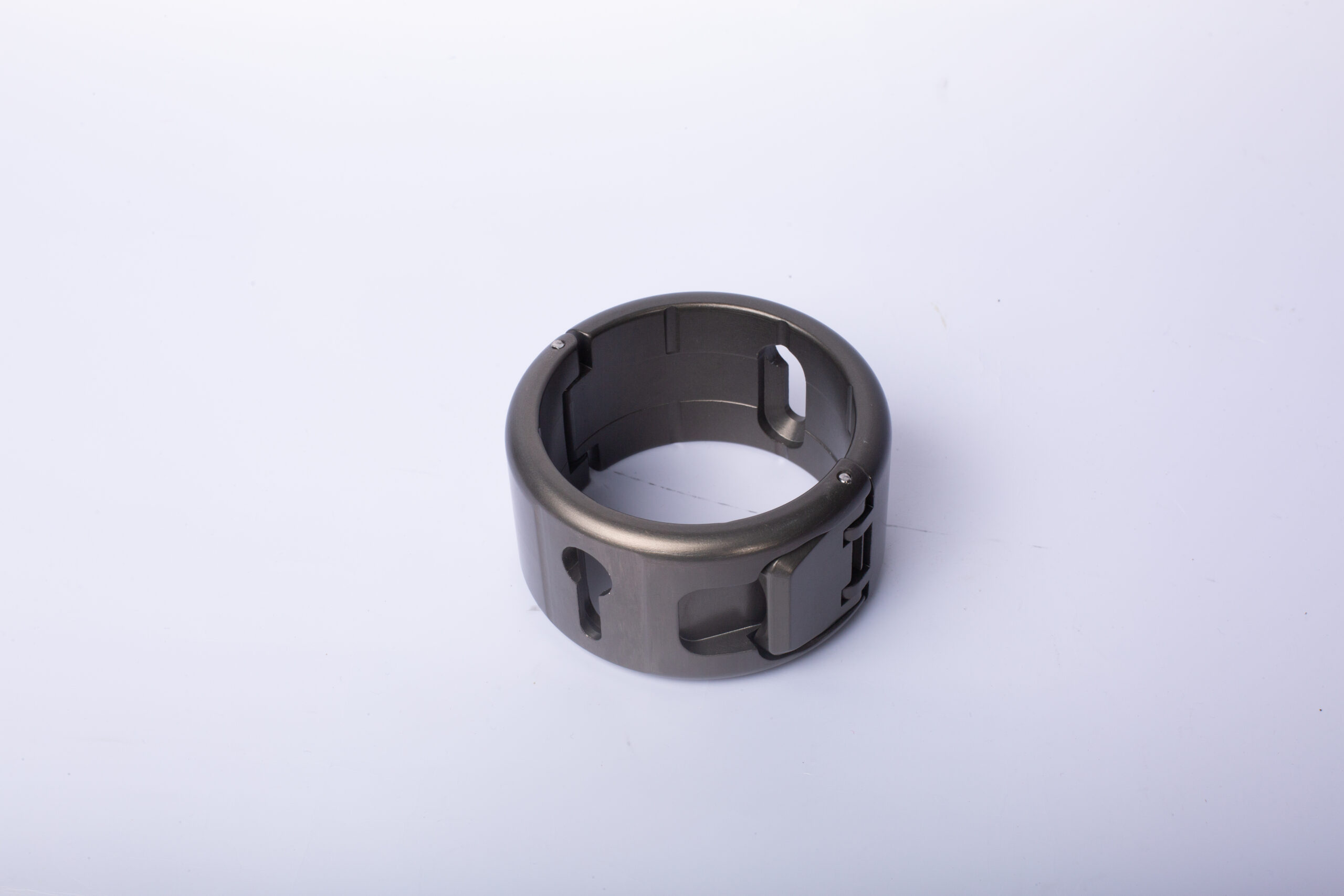
3.Can aluminum extrusion technology be used for structural applications?
As one of the top aluminum extrusion technology manufacturers in China, we take this very seriously.
Yes, aluminum extrusion can be used for structural applications. It is a versatile material that can be used for a variety of applications, including structural applications. Aluminum extrusion is strong, lightweight, and corrosion-resistant, making it an ideal material for structural applications.
4.Are there any limitations to the design possibilities with aluminum extrusion technology?
Our aluminum extrusion technology products have competitive and differentiated advantages, and actively promote digital transformation and innovation.
Yes, there are some limitations to the design possibilities with aluminum extrusion. The most common limitation is the size of the extrusion profile, as the profile must fit within the available space. Additionally, the shape of the profile may limit the design possibilities, as certain shapes may not be suitable for certain applications. Finally, the strength of the aluminum alloy used in the extrusion may limit the design possibilities, as certain applications may require a stronger alloy.

5.What is the weight-to-strength ratio of aluminum extrusion technology compared to other materials?
We have a good reputation and image in the industry. The quality and price advantage of aluminum extrusion technology products is an important factor in our hard overseas market.
The weight-to-strength ratio of aluminum extrusion is generally higher than other materials, such as steel and wood. Aluminum extrusion is lightweight and strong, making it an ideal choice for many applications. It is also corrosion-resistant and has a high thermal conductivity, making it suitable for use in a variety of industries.
6.What is the maximum number of cavities that can be achieved in an extrusion die?
The maximum number of cavities that can be achieved in an extrusion die depends on the size and shape of the die, as well as the material being extruded. Generally, the maximum number of cavities achievable is between two and four.
7.Can dissimilar metals be joined through aluminum extrusion technology?
We adhere to the principle of quality first and have a complete production quality management system and quality inspection process.
Yes, dissimilar metals can be joined through aluminum extrusion. This is done by using a process called bimetallic extrusion, which involves combining two different metals into a single extrusion. The two metals are joined together by a layer of aluminum, which acts as a bonding agent. This process is often used to join aluminum and steel, but can also be used to join other metals such as copper and brass.
8.How does the use of aluminum extrusion technology contribute to energy efficiency?
We have established a good reputation and reliable partnerships within the aluminum extrusion technology industry.
The use of aluminum extrusion can contribute to energy efficiency in several ways. First, aluminum is a lightweight material, which means that it requires less energy to transport and install than heavier materials. Additionally, aluminum is a highly conductive material, which means that it can be used to create efficient thermal barriers that help to reduce energy loss. Finally, aluminum is a recyclable material, which means that it can be reused and repurposed, reducing the need for energy-intensive manufacturing processes.
9.Can recycled aluminum be used in the extrusion process?
We actively participate in the aluminum extrusion technology industry associations and organization activities. The corporate social responsibility performed well, and the focus of brand building and promotion
Yes, recycled aluminum can be used in the extrusion process. The recycled aluminum is melted down and then extruded into the desired shape. The recycled aluminum can be used in the same way as new aluminum, and it can be used to create a variety of products.
10.How does the use of aluminum extrusion technology impact the weight of a product?
We should enjoy a good reputation in the industry, and we can increase the added value of the products of cooperative customers through technological innovation.
The use of aluminum extrusion can significantly reduce the weight of a product. Aluminum is a lightweight material, and when it is extruded into a specific shape, it can be used to create components that are much lighter than those made from other materials. This can be especially beneficial for products that need to be lightweight, such as aircraft or vehicles. Additionally, aluminum extrusion can be used to create complex shapes that would be difficult to achieve with other materials, further reducing the weight of the product.

11.How does the choice of lubrication method affect the extrusion process?
The choice of lubrication method can have a significant impact on the extrusion process. Different lubrication methods can affect the surface finish of the extruded product, the amount of friction generated during the process, and the amount of energy required to complete the extrusion. For example, using a dry lubricant such as graphite or molybdenum disulfide can reduce friction and improve surface finish, while using a wet lubricant such as oil or grease can reduce friction and improve the flow of the material. Additionally, the choice of lubrication method can affect the amount of heat generated during the process, which can have an impact on the quality of the extruded product.
12.How does the design of a product impact the extrusion process?
We should have a stable supply chain and logistics capabilities, and provide customers with high -quality, low -priced aluminum extrusion technology products.
The design of a product can have a significant impact on the extrusion process. The shape, size, and complexity of the product will determine the type of extrusion process that is used, as well as the type of tooling and dies that are required. Additionally, the design of the product will determine the amount of material that is needed, the speed of the process, and the amount of time it takes to complete the extrusion process.
13.What quality control measures are taken during the extrusion process?
We have advantages in marketing and channel expansion. Suppliers have established good cooperative relations, continuously improved workflows, improved efficiency and productivity, and provided customers with high -quality products and services.
1. Visual inspection: Inspecting the extruded product for any defects or inconsistencies in shape, size, and color.
2. Dimensional checks: Checking the dimensions of the extruded product to ensure it meets the required specifications.
3. Material testing: Testing the material used in the extrusion process to ensure it meets the required standards.
4. Pressure testing: Testing the pressure of the extrusion process to ensure it is within the required range.
5. Temperature testing: Testing the temperature of the extrusion process to ensure it is within the required range.
6. Speed testing: Testing the speed of the extrusion process to ensure it is within the required range.
7. Quality assurance: Ensuring that the extruded product meets the required quality standards.
14.What are the typical packaging and shipping methods for aluminum extruded products?
The typical packaging and shipping methods for aluminum extruded products depend on the size and shape of the product. Generally, aluminum extrusions are packaged in bundles, strapped with steel bands, and wrapped in plastic or paper. For larger extrusions, they may be placed on a pallet and shrink-wrapped. For smaller extrusions, they may be placed in boxes or bags. Shipping methods vary depending on the size and weight of the product, but typically include truck, rail, or air freight.
Tag:aluminum skylight extrusions,aluminum extrusion workbench,aluminum heat sink extrusions