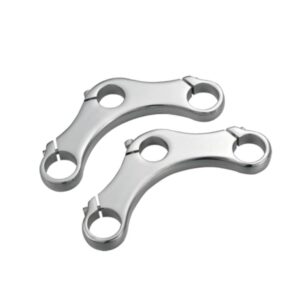
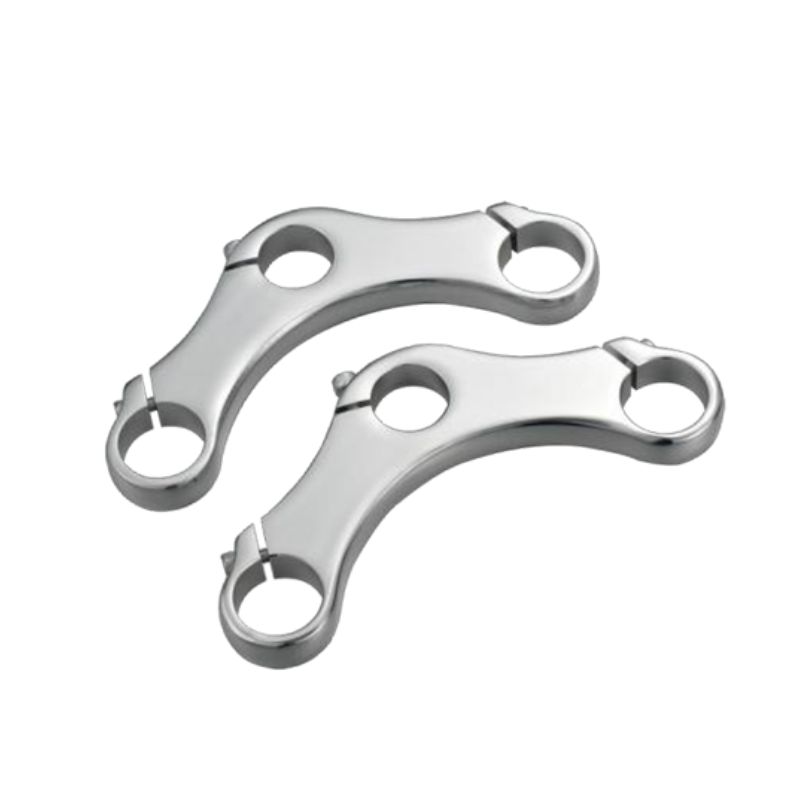
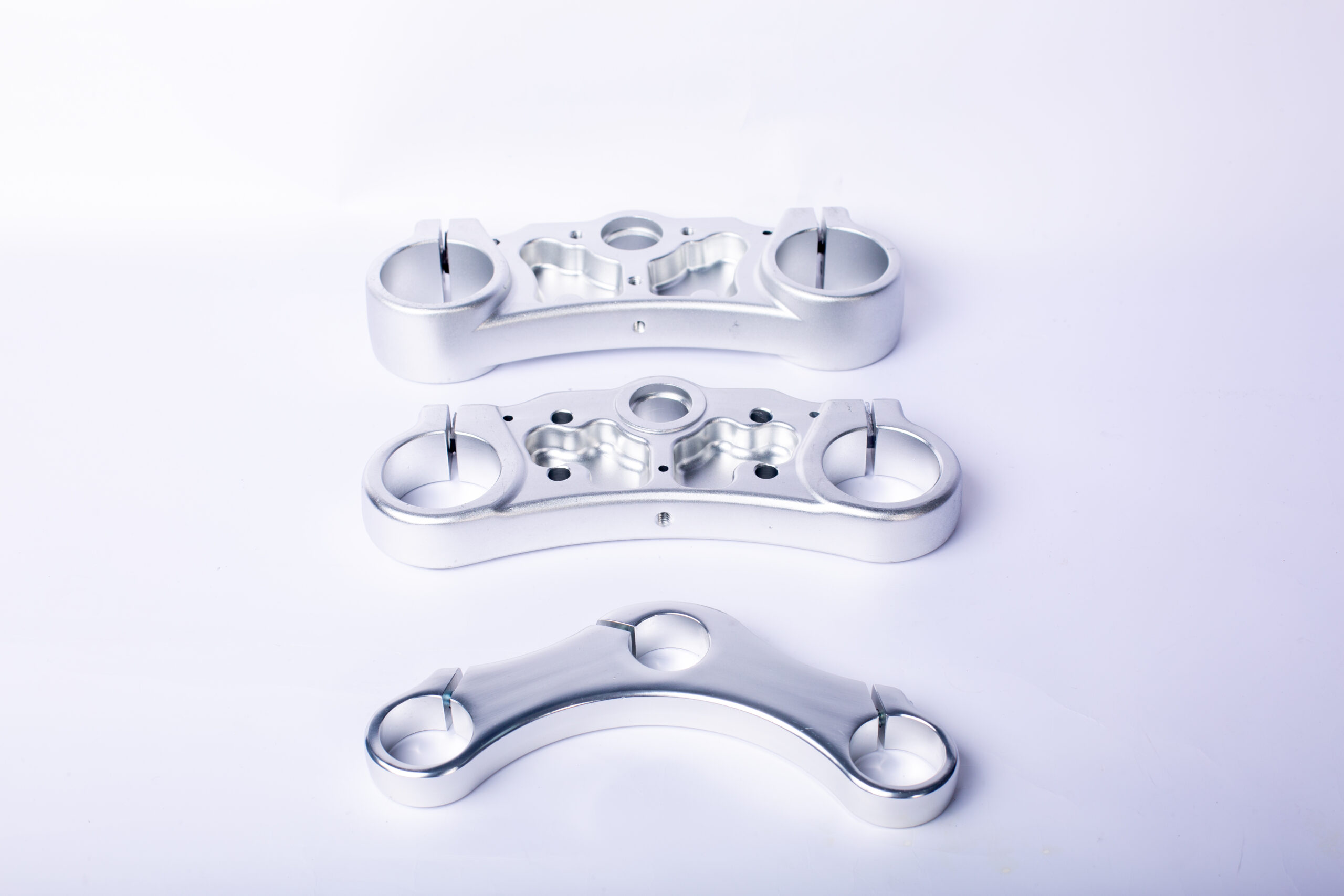
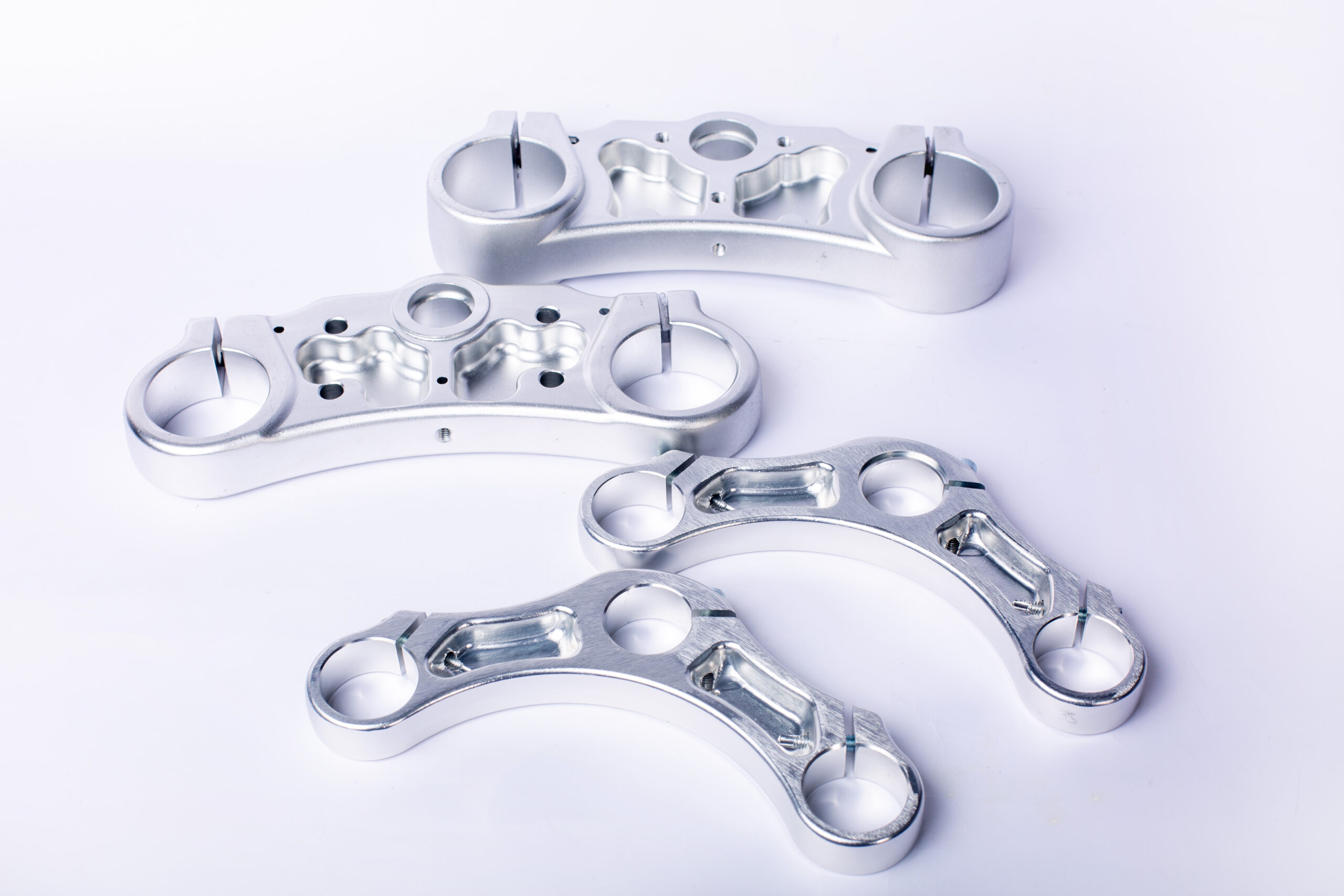
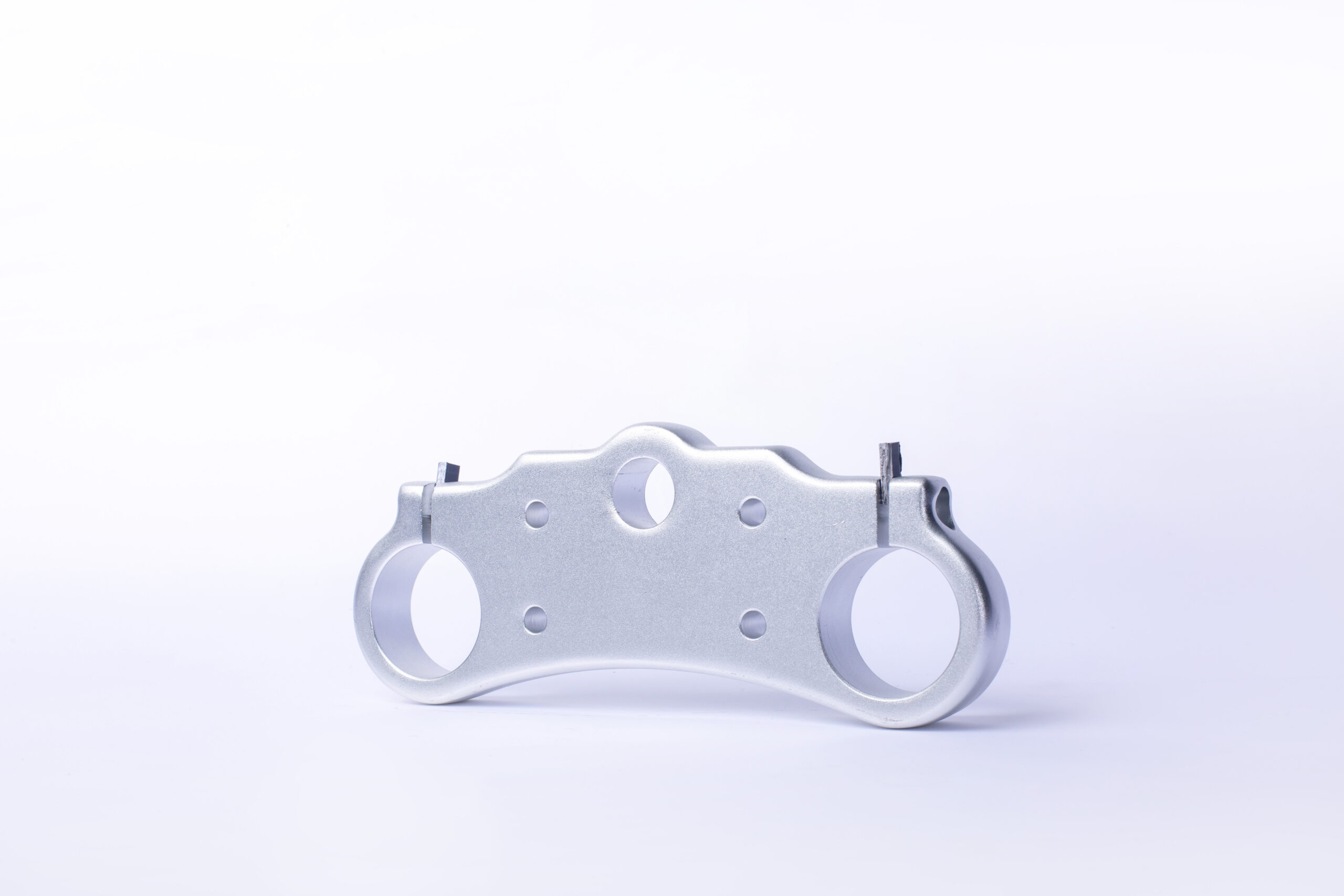
MINGYU Tech is a top manufacturer of precision machined aluminum components for the automotive industry. Our ISO 9001 certified factory is equipped with advanced CNC machines and robotic systems capable of producing high volume orders with tight tolerances and minimal lead times. Our team of skilled engineers and technicians use the latest CAD/CAM software to optimize the production process and ensure the best results. We also provide on-time delivery and other supply chain management services to meet our customers’ needs.
aluminum machining factory offers a variety of techniques such as milling, drilling, turning, and grinding, providing flexibility and precision in creating complex and intricate parts. It can also produce high-quality surface finishes, ensuring the durability and functionality of the final product.
The applications of aluminum machining factory are vast and diverse. In the automotive industry, it is used to manufacture engine components, transmission parts, and suspension systems. In the aerospace industry, it is utilized for creating aircraft parts, such as wings, frames, and landing gears. It is also widely used in the electronics industry for producing computer parts, mobile phone components, and other electronic devices. Apart from its industrial applications, aluminum machining factory is also utilized in the creation of everyday household items like utensils, furniture, and decorative objects. Its ability to be easily molded and shaped has made it a popular choice for designers and artists to create unique and intricate designs.
| Service | CNC Turning, CNC Milling , Laser Cutting, Bending, Stamping, |
| Materials | Stainless steel,Steel,Brass,Aluminum,Plastic |
| Surface Treatment |
Anodize, Bead blasted, Silk Screen, Plating, Zinc/Nickel/ Plating, Electro Plating,Polishing, Knurl, Laser/Etch/Engrave etc. |
| Drawing Accepted | Stp, Step, IGS, Xt, AutoCAD(DXF, DWG), PDF, or Samples |
| Tolerance | 0.01- +/-0.003mm |
| Lead Time | 1-2 weeks for samples, 3-4 weeks for mass production |
| Quality Assurance | ISO9001:2018, ISO13485:2019, SGS, RoHs, |
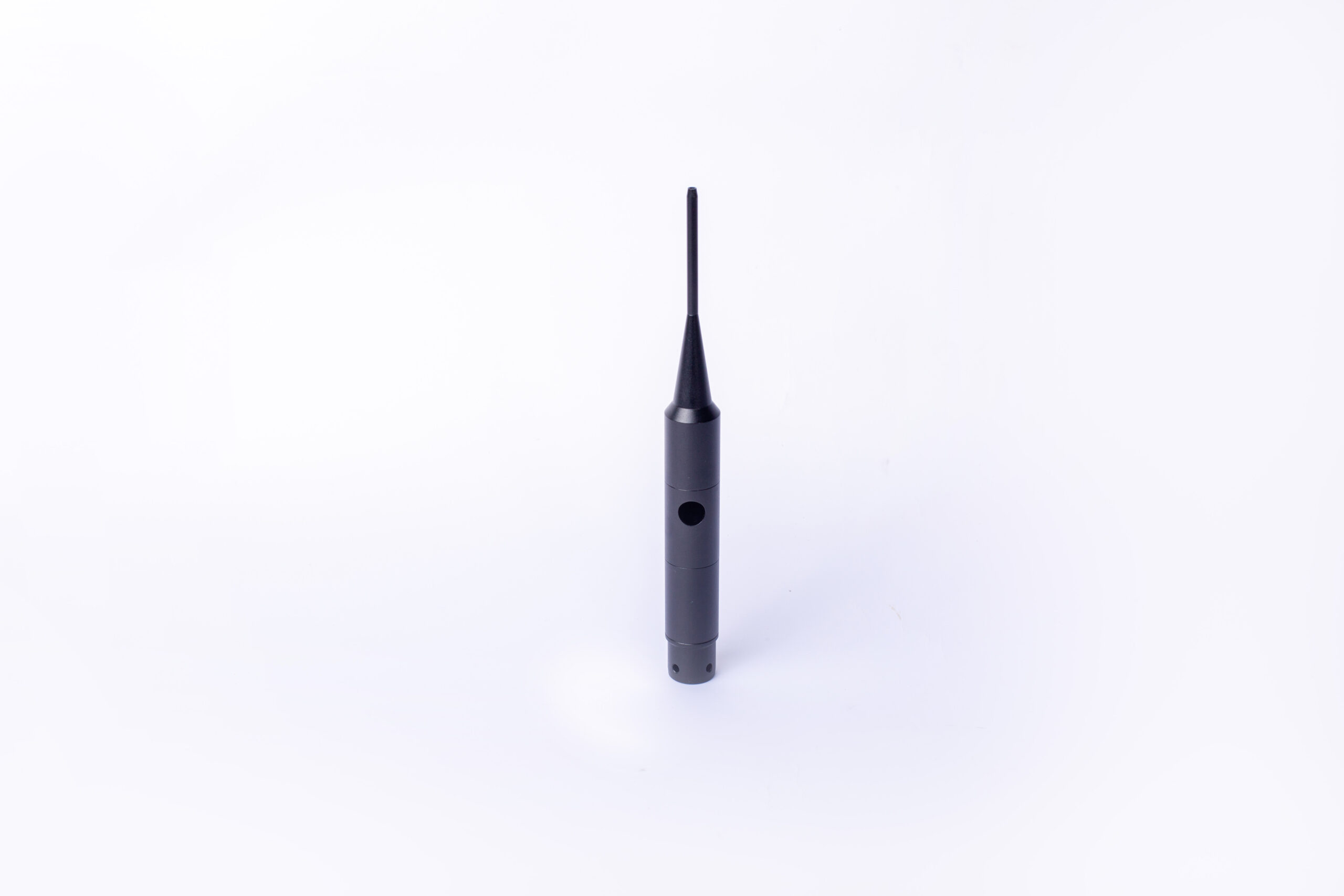


aluminum machining factory FAQs Guide.
Our company specializes in providing high-quality aluminum machining factory services for a variety of industries. With years of experience, state-of-the-art equipment, and a dedicated team, we pride ourselves on delivering precision and top-notch results for our customers. we will outline our capabilities and processes, and provide examples of the aluminum products we can create. We are confident that our aluminum machining factory services will meet and exceed your expectations.
1.What are some common post-machining treatments for aluminum?
As one of the aluminum machining factory market leaders, we are known for innovation and reliability.
Common post-machining treatments for aluminum include anodizing, passivation, painting, powder coating, and polishing. Anodizing is a process that increases the thickness of the natural oxide layer on the surface of the aluminum, providing increased corrosion resistance and improved surface hardness. Passivation is a chemical treatment that removes free iron particles from the surface of the aluminum, improving its corrosion resistance. Painting and powder coating are both processes that involve applying a protective coating to the aluminum surface. Finally, polishing is a process that involves buffing the aluminum surface to a high shine.
2.Can additives be used in the cutting fluid when machining aluminum?
Yes, additives can be used in the cutting fluid when machining aluminum. Additives can help reduce friction, improve lubricity, and reduce heat buildup. However, it is important to use the correct type of additive for the specific application, as some additives may be incompatible with aluminum.
3.What impact does the speed of cutting have on the final product in aluminum machining?
The speed of cutting has a significant impact on the final product in aluminum machining. A slower cutting speed will produce a better finish, while a faster cutting speed will produce a rougher finish. Slower cutting speeds also reduce the risk of tool breakage and heat build-up, which can cause warping and other defects. Additionally, slower cutting speeds can help to reduce the amount of material removed, which can help to reduce costs.
4.What are the advantages of aluminum machining?
Our company has many years of aluminum machining factory experience and expertise.
1. Lightweight: Aluminum is much lighter than other metals, making it ideal for applications where weight is a major factor.
2. Corrosion Resistance: Aluminum is highly resistant to corrosion, making it a great choice for outdoor applications.
3. Cost-Effective: Aluminum is a relatively inexpensive metal, making it a cost-effective choice for many machining projects.
4. Versatility: Aluminum can be machined into a variety of shapes and sizes, making it a great choice for a wide range of applications.
5. Heat Conductivity: Aluminum is an excellent conductor of heat, making it ideal for applications that require heat transfer.
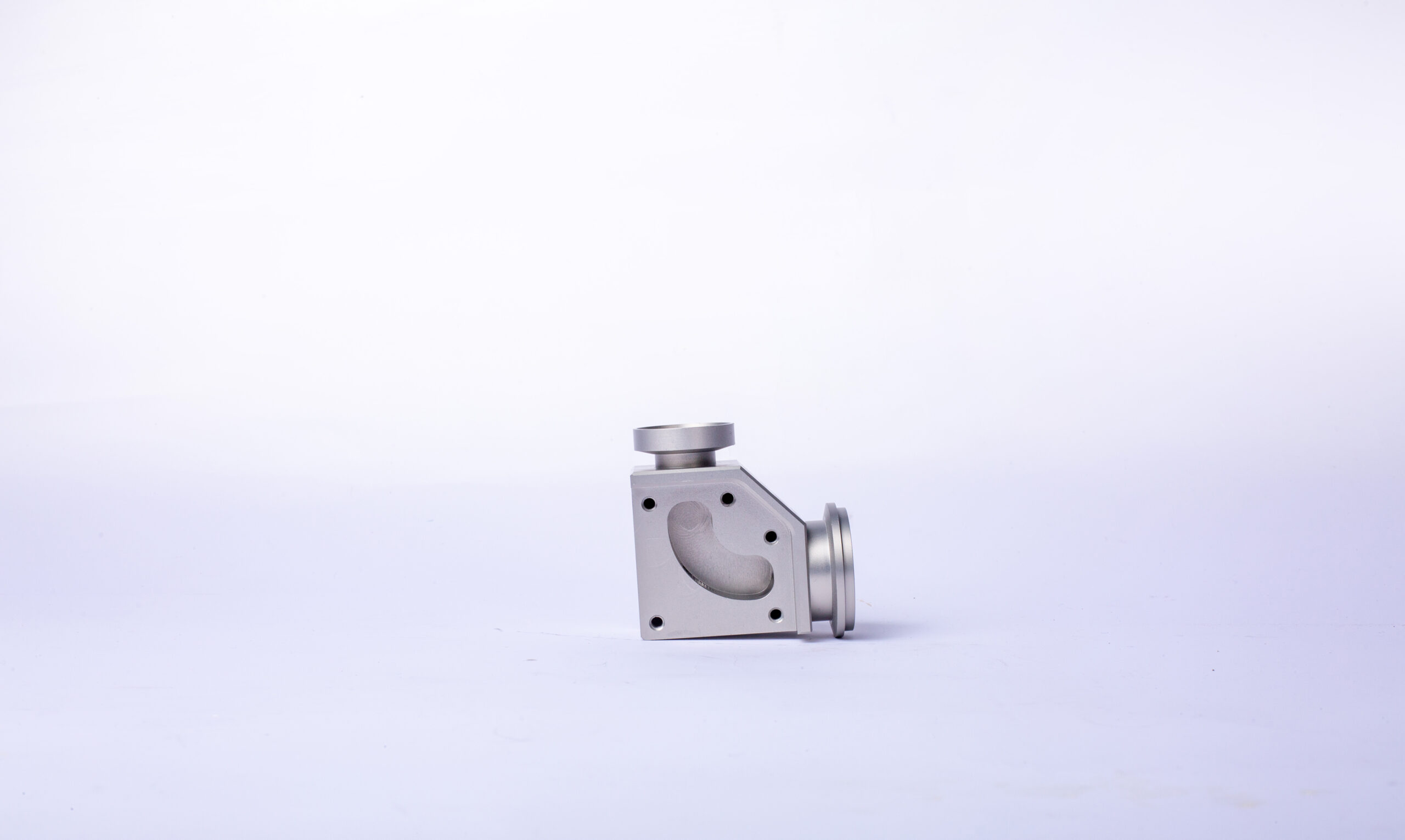
5.What are some considerations when machining aluminum for aerospace applications?
1. Use high-speed steel or carbide tools with sharp cutting edges to reduce cutting forces and minimize tool wear.
2. Use coolant to reduce heat buildup and improve chip evacuation.
3. Use a low feed rate to reduce cutting forces and minimize tool wear.
4. Use a high spindle speed to reduce cutting forces and minimize tool wear.
5. Use a high depth of cut to reduce cutting forces and minimize tool wear.
6. Use a high cutting speed to reduce cutting forces and minimize tool wear.
7. Use a high-pressure coolant system to reduce heat buildup and improve chip evacuation.
8. Use a rigid machine setup to reduce vibration and improve surface finish.
9. Use a high-quality cutting tool material to reduce tool wear and improve surface finish.
10. Use a high-quality cutting tool geometry to reduce cutting forces and improve surface finish.
6.What is the history of aluminum machining?
We have established a good reputation and reliable partnerships within the aluminum machining factory industry.
Aluminum machining has been around since the late 19th century. The first aluminum machining process was developed in 1885 by Charles Martin Hall and Paul Héroult, who developed a process for electrolytically extracting aluminum from its ore. This process was later refined and improved upon by other inventors, leading to the development of the modern aluminum machining process.
The first aluminum machining tools were developed in the early 20th century, and the first aluminum machining machines were developed in the 1930s. Since then, aluminum machining has become increasingly sophisticated, with the development of computer-controlled machining processes and the use of advanced materials and techniques. Today, aluminum machining is used in a wide variety of industries, from aerospace to automotive to medical.
7.What surface finishes are achievable with aluminum machining?
We focus on providing high aluminum machining factory quality products and services.
Surface finishes achievable with aluminum machining include anodizing, powder coating, sandblasting, polishing, and brushing.
8.How can these problems be solved or prevented?
We pay attention to the transformation of intellectual property protection and innovation achievements. Your OEM or ODM order design we have a complete confidentiality system.
1. Poor communication: Poor communication can be solved or prevented by establishing clear communication channels, setting expectations, and having regular check-ins. Additionally, having a culture of open communication and feedback can help to ensure that everyone is on the same page.
2. Lack of trust: Lack of trust can be solved or prevented by building relationships, being transparent, and having open and honest conversations. Additionally, having a culture of accountability and respect can help to foster trust.
3. Unclear roles and responsibilities: Unclear roles and responsibilities can be solved or prevented by having a clear job description, setting expectations, and having regular check-ins. Additionally, having a culture of collaboration and feedback can help to ensure that everyone is on the same page.
9.What safety precautions should be taken when machining aluminum?
We pay attention to employee development and benefits, and provide a good working environment in order to improve the efficiency of employees and improve the quality management of aluminum machining factory products.
1. Wear appropriate safety gear, such as safety glasses, gloves, and a face shield.
2. Use a cutting fluid to reduce heat and friction.
3. Use a slower cutting speed and feed rate.
4. Use sharp cutting tools and replace them regularly.
5. Use a coolant to reduce heat and friction.
6. Use a vacuum to collect chips and dust.
7. Use a chip guard to protect the operator from flying chips.
8. Use a flood coolant to reduce heat and friction.
9. Use a chip breaker to reduce the size of chips.
10. Use a chip deflector to direct chips away from the operator.
10.How does the type of machine used for aluminum machining affect the final result?
The type of machine used for aluminum machining can have a significant impact on the final result. Different types of machines are designed to handle different types of materials, and aluminum is no exception. For example, a CNC milling machine is better suited for machining aluminum than a manual milling machine, as it can provide more precise and accurate cuts. Additionally, the type of cutting tool used can also affect the final result, as different tools are designed for different materials. For example, a high-speed steel tool is better suited for machining aluminum than a carbide tool.
11.What is aluminum machining?
We have advantages in marketing and channel expansion. Suppliers have established good cooperative relations, continuously improved workflows, improved efficiency and productivity, and provided customers with high -quality products and services.
Aluminum machining is the process of cutting, drilling, grinding, and shaping aluminum materials to create parts and components for a variety of applications. It is a process that requires specialized tools and techniques to ensure accuracy and precision. Aluminum machining is used in a variety of industries, including aerospace, automotive, and medical.
12.How does the thickness of the aluminum affect the machining process?
The thickness of the aluminum affects the machining process in several ways. Thicker aluminum requires more cutting force and can cause more wear on the cutting tools. It also requires more time to machine, as the cutting tools must move more slowly to ensure a clean cut. Additionally, thicker aluminum can cause more vibration during the machining process, which can lead to poor surface finish and accuracy.

13.What are some examples of products created through aluminum machining?
We have a first -class management team, and we pay attention to teamwork to achieve common goals.
Examples of products created through aluminum machining include:
1. Automotive parts such as engine blocks, cylinder heads, and transmission housings
2. Aerospace components such as aircraft wings, fuselages, and landing gear
3. Medical equipment such as surgical instruments, prosthetics, and implants
4. Electronics components such as circuit boards, connectors, and heat sinks
5. Industrial components such as valves, pumps, and machine parts
6. Architectural components such as window frames, door frames, and handrails
14.How can warping and distortion be prevented during aluminum machining?
We have advanced production equipment and technology to meet the needs of customers, and can provide customers with high quality, low priced aluminum machining factory products.
Warping and distortion during aluminum machining can be prevented by using a rigid setup, using a sharp cutting tool, using a coolant, and using a slower cutting speed. Additionally, using a high-quality cutting tool and ensuring that the cutting tool is properly aligned with the workpiece can help reduce warping and distortion. Finally, using a chip breaker or chip breaker insert can help reduce the amount of heat generated during machining, which can help reduce warping and distortion.
15.Can aluminum be machined to create both large and small parts?
Yes, aluminum can be machined to create both large and small parts. Machining aluminum is a popular process for creating parts of all sizes, from tiny components to large structural components. Machining aluminum is relatively easy compared to other metals, and it can be used to create complex shapes and intricate details.
Tag:high speed aluminum machining videos,aluminum machining horsepower,cnc aluminum machining shop,aluminum machining bits,aluminum machining tips