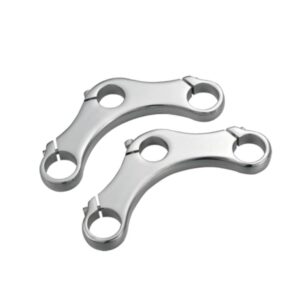
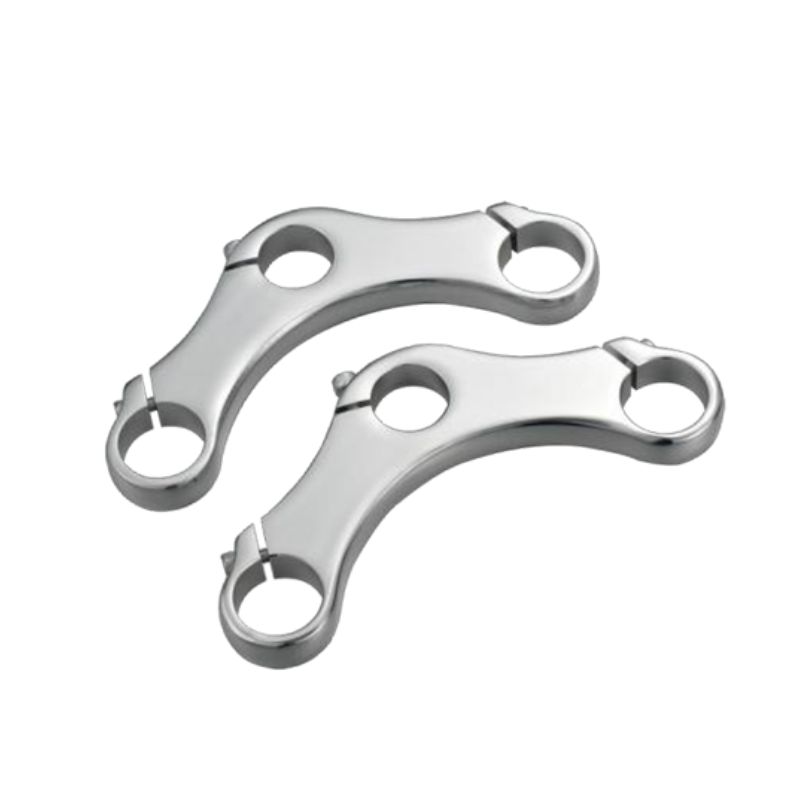
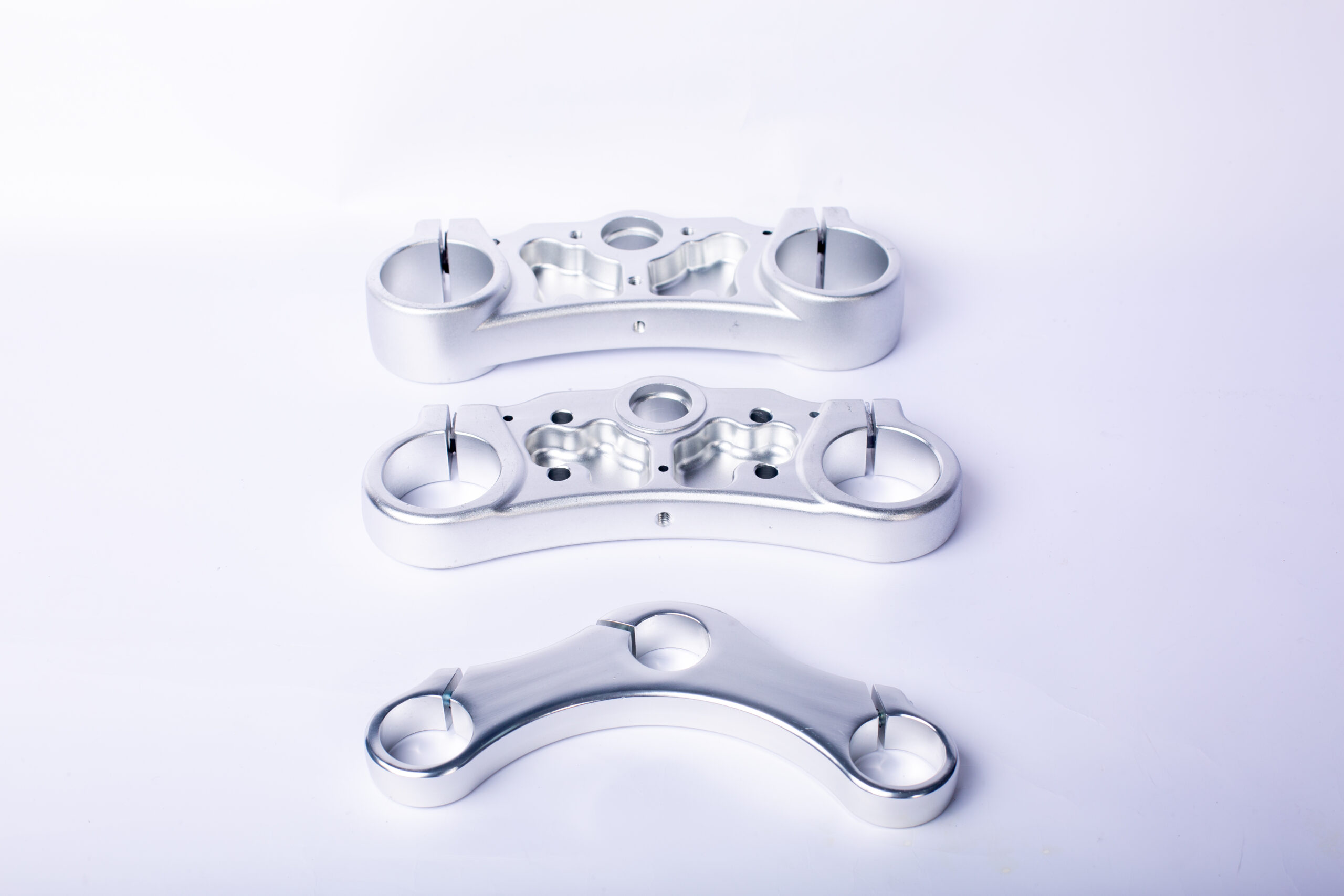
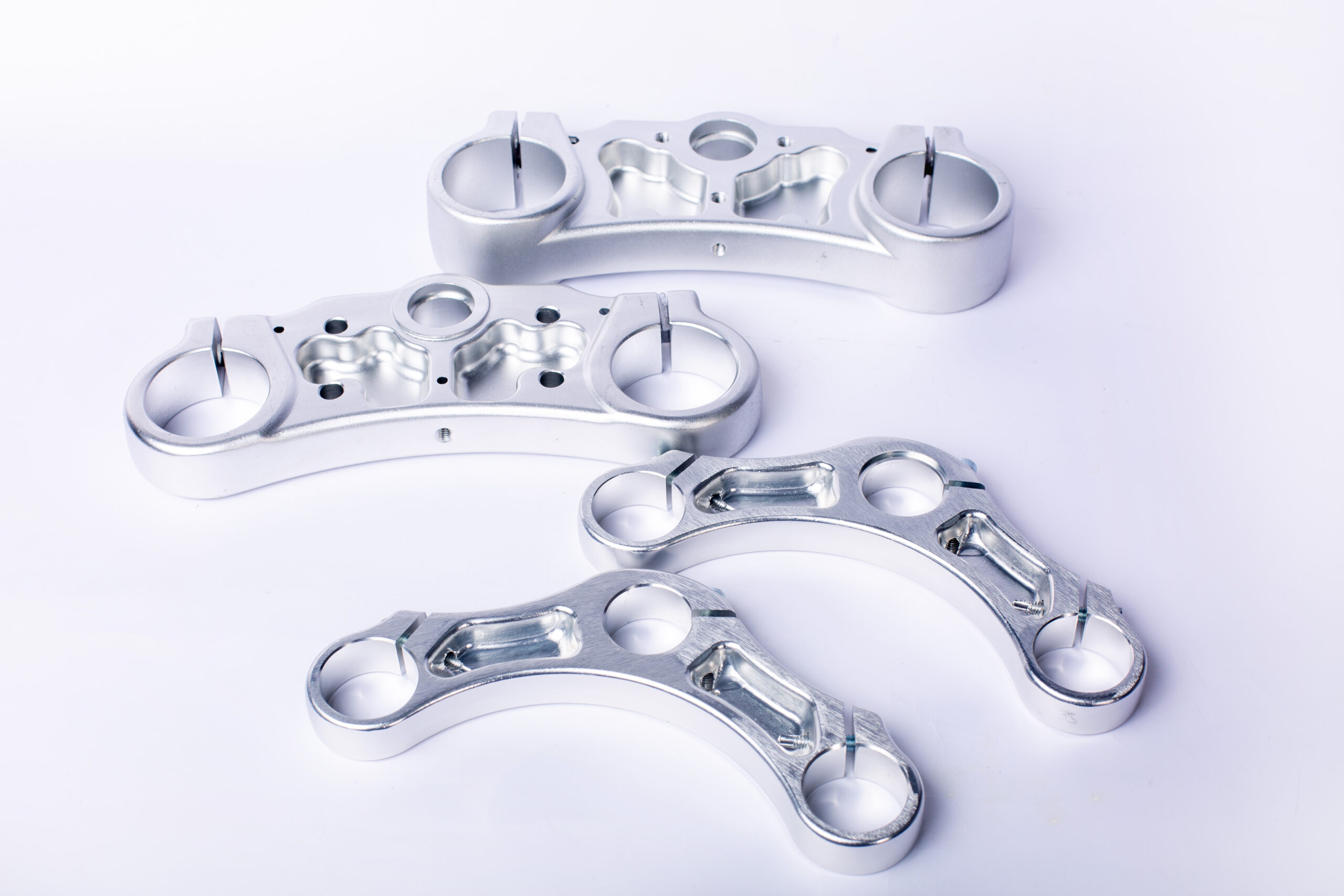
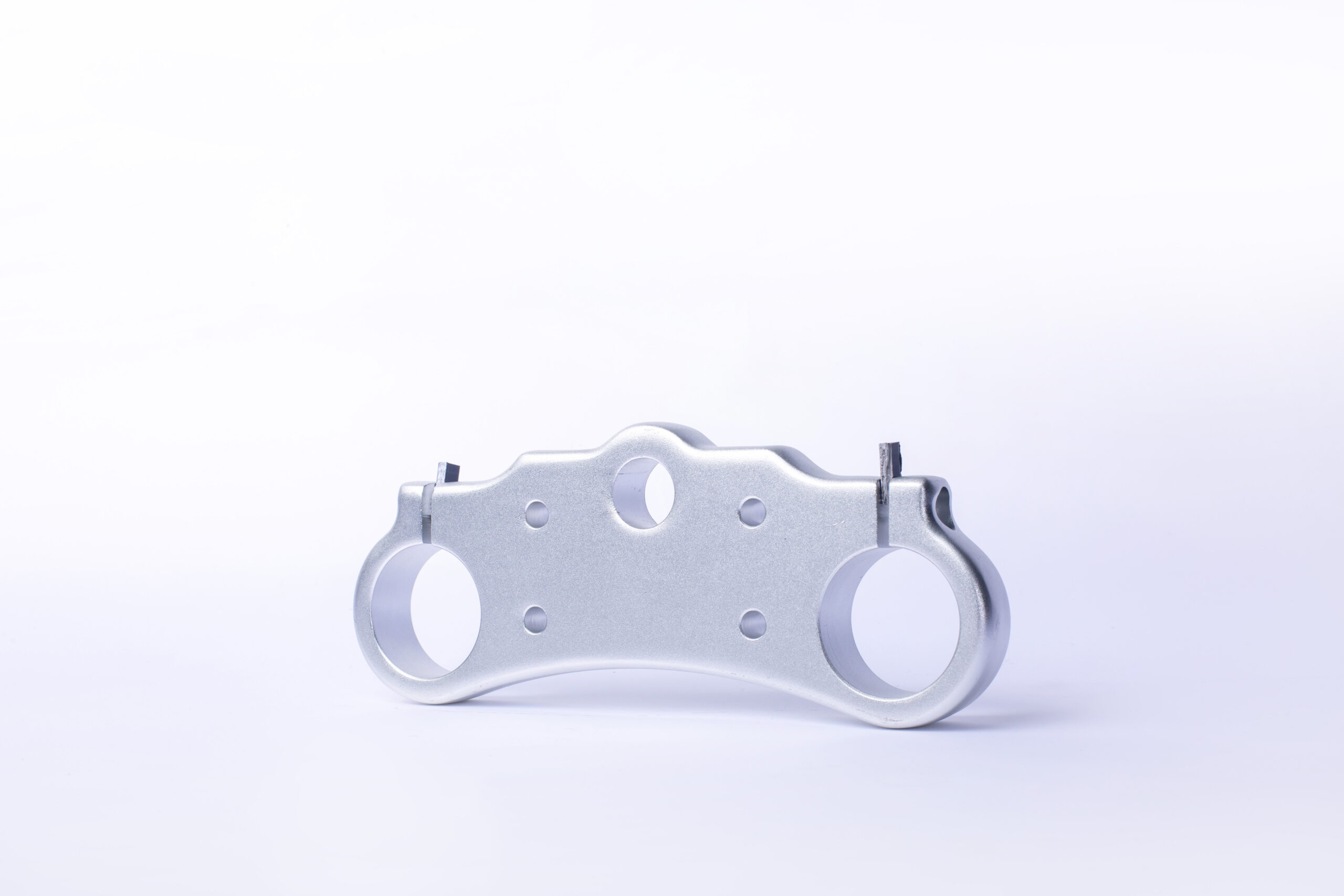
MINGYU Tech. focuses on cnc aluminum machining center and is a global supplier of high-precision aluminum parts. Our modern factory is equipped with advanced CNC machine tools and automation systems, allowing us to efficiently produce large quantities of complex parts. Our expertise in aluminum alloys and quality control processes ensure our products meet the highest standards of precision and performance. We provide a range of value-added services such as assembly, packaging and inventory management to provide customers with complete solutions.
One of the most commonly used cnc aluminum machining center products is the CNC (Computer Numerical Control) machining center. This computer-controlled machine uses specialized cutting tools to remove material from aluminum workpieces, creating complex shapes and precise dimensions. CNC machining centers are highly efficient and can perform multiple operations in one setup, resulting in faster production and higher accuracy.
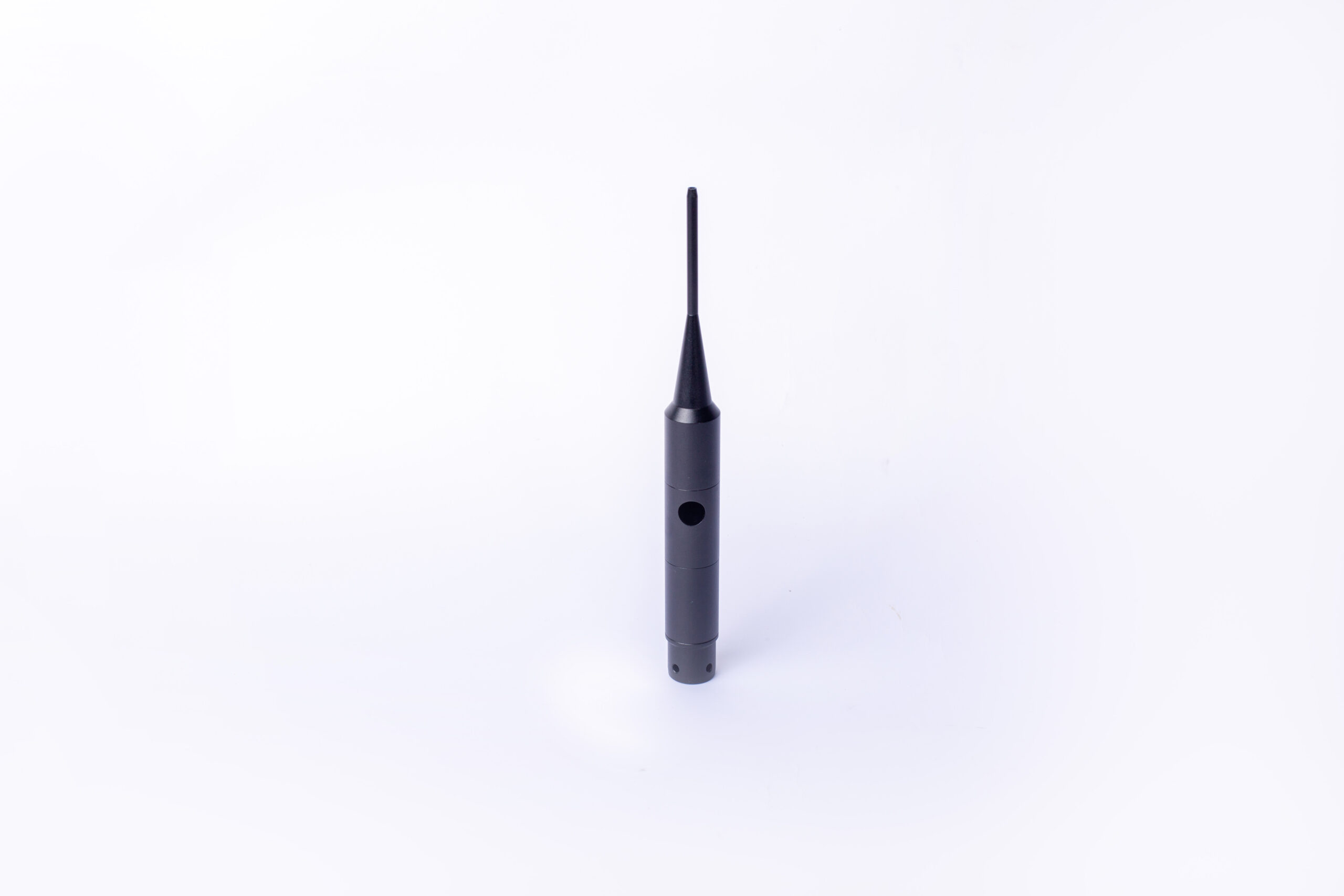
Another essential cnc aluminum machining center product is the cutting tool. High-speed steel cutting tools are commonly used for cnc aluminum machining center due to their ability to withstand the high cutting speeds required for machining this material. These tools are available in different shapes and sizes, such as end mills, drills, and reamers, and can be customized for specific machining requirements.
Aside from cutting and shaping, surface finishing is also an important aspect of cnc aluminum machining center. Products such as polishing tools, grinding wheels, and buffing pads are used to achieve smooth and uniform surface finishes on aluminum workpieces. This not only improves the aesthetics of the finished product but also enhances its corrosion resistance and durability.
| Service | CNC Turning, CNC Milling , Laser Cutting, Bending, Stamping, |
| Materials | Stainless steel,Steel,Brass,Aluminum,Plastic |
| Surface Treatment |
Anodize, Bead blasted, Silk Screen, Plating, Zinc/Nickel/ Plating, Electro Plating,Polishing, Knurl, Laser/Etch/Engrave etc. |
| Drawing Accepted | Stp, Step, IGS, Xt, AutoCAD(DXF, DWG), PDF, or Samples |
| Tolerance | 0.01- +/-0.008mm |
| Lead Time | 1-2 weeks for samples, 3-4 weeks for mass production |
| Quality Assurance | ISO9001:2018, ISO13485:2019, SGS, RoHs, |


cnc aluminum machining center FAQs Guide.
Our company specializes in providing high-quality cnc aluminum machining center services for a variety of industries. With years of experience, state-of-the-art equipment, and a dedicated team, we pride ourselves on delivering precision and top-notch results for our customers. we will outline our capabilities and processes, and provide examples of the aluminum products we can create. We are confident that our cnc aluminum machining center services will meet and exceed your expectations.
1.What are the advantages of aluminum machining?
Our company has many years of cnc aluminum machining center experience and expertise.
1. Lightweight: Aluminum is much lighter than other metals, making it ideal for applications where weight is a major factor.
2. Corrosion Resistance: Aluminum is highly resistant to corrosion, making it a great choice for outdoor applications.
3. Cost-Effective: Aluminum is a relatively inexpensive metal, making it a cost-effective choice for many machining projects.
4. Versatility: Aluminum can be machined into a variety of shapes and sizes, making it a great choice for a wide range of applications.
5. Heat Conductivity: Aluminum is an excellent conductor of heat, making it ideal for applications that require heat transfer.
2.Can aluminum be machined to create both large and small parts?
Yes, aluminum can be machined to create both large and small parts. Machining aluminum is a popular process for creating parts of all sizes, from tiny components to large structural components. Machining aluminum is relatively easy compared to other metals, and it can be used to create complex shapes and intricate details.
3.What are some common methods used for aluminum machining?
We operate our cnc aluminum machining center business with integrity and honesty.
Common methods used for aluminum machining include:
1. Drilling: This is the most common method used for aluminum machining. It involves using a drill bit to create a hole in the aluminum material.
2. Milling: This is a process that uses a rotating cutting tool to remove material from the aluminum.
3. Turning: This is a process that uses a lathe to shape the aluminum material.
4. Grinding: This is a process that uses an abrasive wheel to remove material from the aluminum.
5. Sawing: This is a process that uses a saw to cut the aluminum material.
6. Punching: This is a process that uses a punch to create a hole in the aluminum material.
4.Can aluminum be machined at high speeds?
We are centered on customers and always pay attention to customers’ needs for cnc aluminum machining center products.
Yes, aluminum can be machined at high speeds. However, it is important to use the right cutting tools and speeds to ensure that the aluminum is machined correctly and efficiently.
5.How can warping and distortion be prevented during aluminum machining?
We have advanced production equipment and technology to meet the needs of customers, and can provide customers with high quality, low priced cnc aluminum machining center products.
Warping and distortion during aluminum machining can be prevented by using a rigid setup, using a sharp cutting tool, using a coolant, and using a slower cutting speed. Additionally, using a high-quality cutting tool and ensuring that the cutting tool is properly aligned with the workpiece can help reduce warping and distortion. Finally, using a chip breaker or chip breaker insert can help reduce the amount of heat generated during machining, which can help reduce warping and distortion.
6.Can aluminum be machined to tight tolerances?
We focus on teamwork and communication to achieve common goals, We attach great importance to this detail.
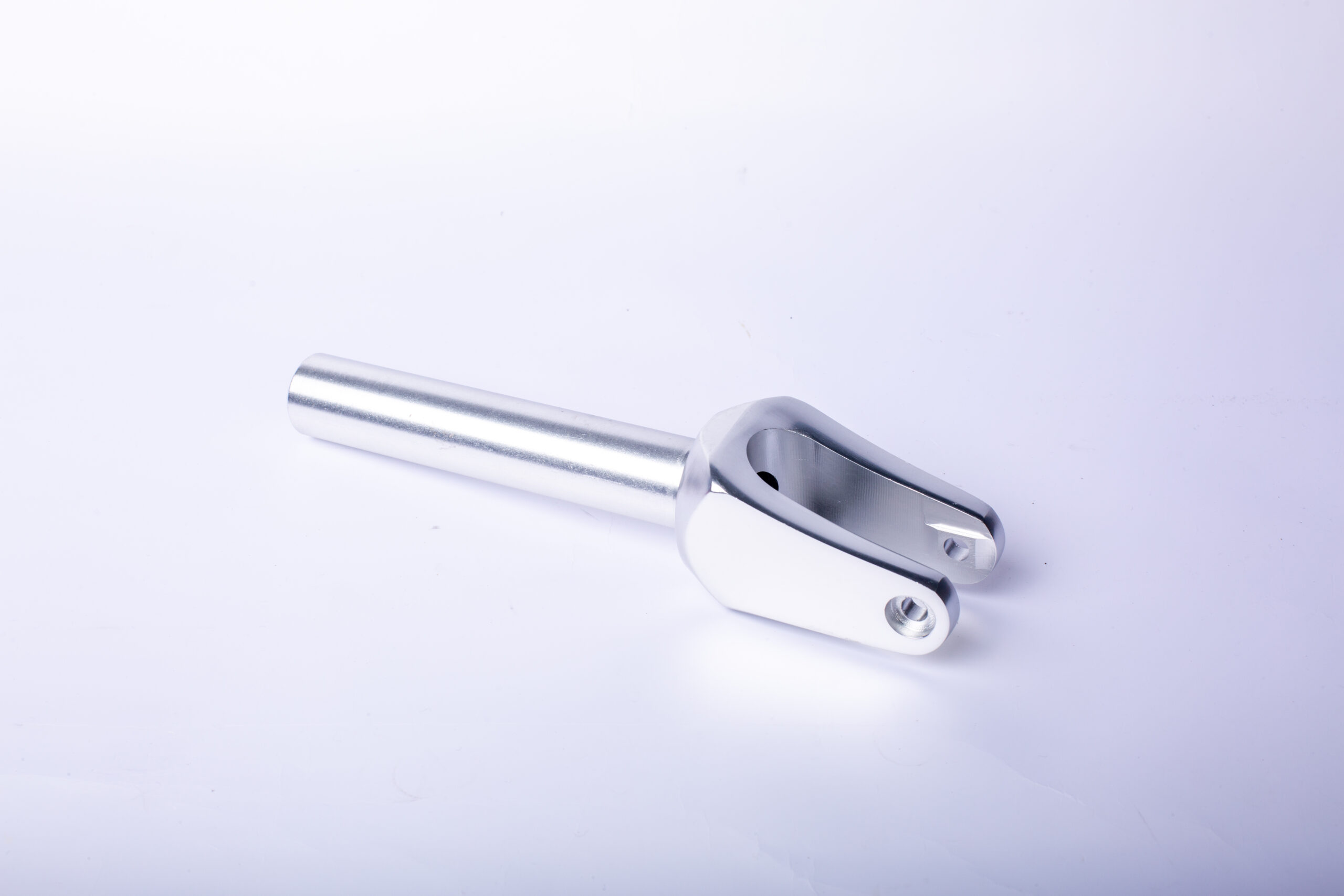
Yes, aluminum can be machined to tight tolerances. Aluminum is a relatively soft metal, which makes it easy to machine and shape into complex parts with tight tolerances. Machining aluminum requires specialized tools and techniques, but with the right equipment and expertise, aluminum can be machined to very precise tolerances.
7.Can different types of coatings be applied to aluminum after machining?
We continue to improve cnc aluminum machining center products and processes to improve efficiency.
Yes, different types of coatings can be applied to aluminum after machining. Common coatings include anodizing, powder coating, and painting. Anodizing is a process that creates a protective oxide layer on the surface of the aluminum, while powder coating is a process that applies a dry powder to the surface of the aluminum and then bakes it to create a hard finish. Painting is a process that applies a liquid paint to the surface of the aluminum and then bakes it to create a hard finish.
8.What factors affect the speed and efficiency of aluminum machining?
We are a professional cnc aluminum machining center company dedicated to providing high quality products and services.
1. Tooling: The type of tooling used for aluminum machining can have a significant impact on the speed and efficiency of the process. For example, using a high-speed steel (HSS) tool can provide faster cutting speeds than a carbide tool.
2. Feed Rate: The feed rate of the cutting tool is also important for aluminum machining. A higher feed rate can increase the speed of the process, but it can also lead to increased tool wear and decreased tool life.
3. Cutting Fluids: The use of cutting fluids can help to reduce friction and heat during aluminum machining, which can improve the speed and efficiency of the process.
4. Cutting Parameters: The cutting parameters, such as the spindle speed, feed rate, and depth of cut, can all affect the speed and efficiency of aluminum machining.
5. Workpiece Material: The type of aluminum being machined can also affect the speed and efficiency of the process. For example, softer aluminum alloys can be machined faster than harder alloys.
9.What are the different types of aluminum machining techniques?
We pay attention to the introduction and training of talents, scientifically regulate the management system, and focus on cultural construction and team cohesion.
1. Milling: This is a subtractive machining process that uses a rotating cutting tool to remove material from the surface of a workpiece.
2. Turning: This is a subtractive machining process that uses a rotating cutting tool to shape the outside diameter of a workpiece.
3. Drilling: This is a subtractive machining process that uses a rotating cutting tool to create a hole in a workpiece.
4. Boring: This is a subtractive machining process that uses a rotating cutting tool to enlarge an existing hole in a workpiece.
5. Reaming: This is a subtractive machining process that uses a rotating cutting tool to finish the surface of a hole in a workpiece.
6. Sawing: This is a subtractive machining process that uses a rotating cutting tool to cut a workpiece into two or more pieces.
7. Grinding: This is an abrasive machining process that uses a rotating grinding wheel to remove material from the surface of a workpiece.
8. Honing: This is an abrasive machining process that uses a rotating honing stone to finish the surface of a hole in a workpiece.
9. EDM (Electrical Discharge Machining): This is a non-traditional machining process that uses electrical sparks to remove material from the surface of a workpiece.
10.Are there alternatives to traditional machining for shaping and forming aluminum?
Yes, there are several alternatives to traditional machining for shaping and forming aluminum. These include:
-Casting: Casting is a process in which molten aluminum is poured into a mold and allowed to cool and solidify. This is a great way to create complex shapes and parts with a high degree of accuracy.
-Extrusion: Extrusion is a process in which aluminum is forced through a die to create a desired shape. This is a great way to create parts with a consistent cross-section.
-Forging: Forging is a process in which aluminum is heated and then hammered or pressed into a desired shape. This is a great way to create parts with a high degree of strength and durability.
-Stamping: Stamping is a process in which aluminum is cut and formed into a desired shape using a die. This is a great way to create parts with a high degree of accuracy and repeatability.

11.Can aluminum alloys be machined using the same methods as pure aluminum?
We have a good reputation and image in the industry. The quality and price advantage of cnc aluminum machining center products is an important factor in our hard overseas market.
Yes, aluminum alloys can be machined using the same methods as pure aluminum. However, the machining process may need to be adjusted depending on the specific alloy being machined. For example, some alloys may require higher cutting speeds or different cutting tools than pure aluminum.
12.What are the differences between milling and turning in aluminum machining?
Our cnc aluminum machining center products have competitive and differentiated advantages, and actively promote digital transformation and innovation.
Milling and turning are two different machining processes used in aluminum machining.
Milling is a subtractive process that uses a rotating cutting tool to remove material from the workpiece. It is typically used to create complex shapes and contours, as well as to produce flat surfaces. Milling is often used to create features such as slots, pockets, and grooves.
Turning is a subtractive process that uses a cutting tool to remove material from the workpiece. It is typically used to create cylindrical shapes and features such as threads, grooves, and tapers. Turning is often used to create features such as holes, slots, and contours.
The main difference between milling and turning is the type of cutting tool used. Milling uses a rotating cutting tool, while turning uses a stationary cutting tool. Additionally, milling is typically used to create complex shapes and contours, while turning is used to create cylindrical shapes and features.
13.What industries commonly use aluminum machining?
We have broad development space in domestic and foreign markets. cnc aluminum machining center have great advantages in terms of price, quality, and delivery date.
Aluminum machining is commonly used in a variety of industries, including aerospace, automotive, medical, electronics, and defense. It is also used in the production of consumer goods such as appliances, sporting goods, and furniture.
Tag:china aluminum machining parts factory,custom aluminum machining service,aluminum machining parts made in china