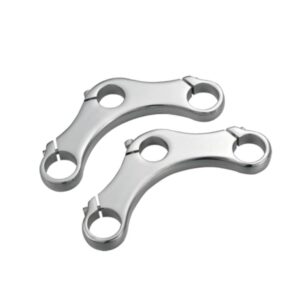
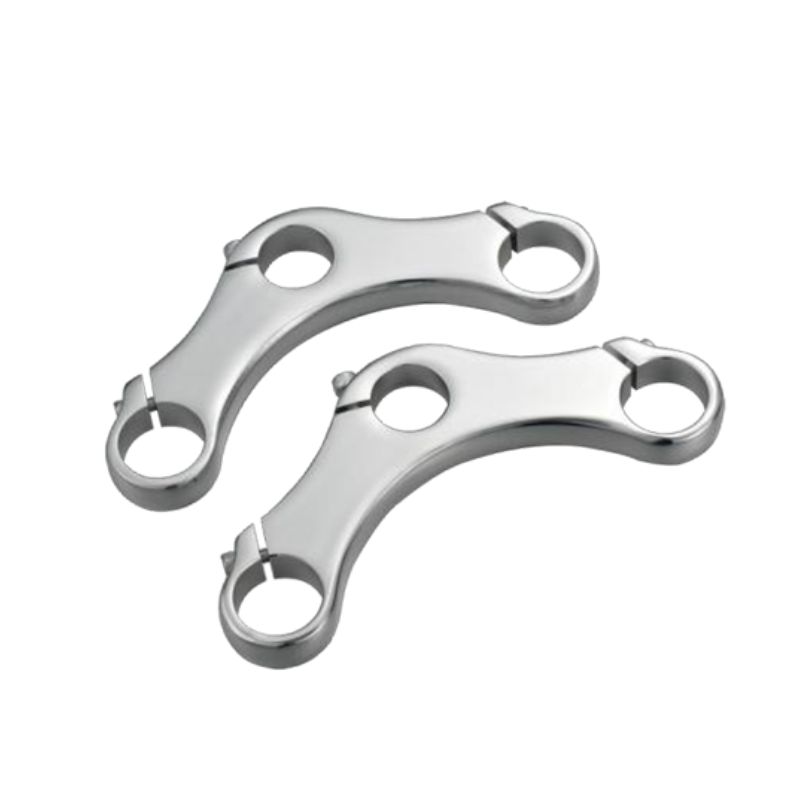
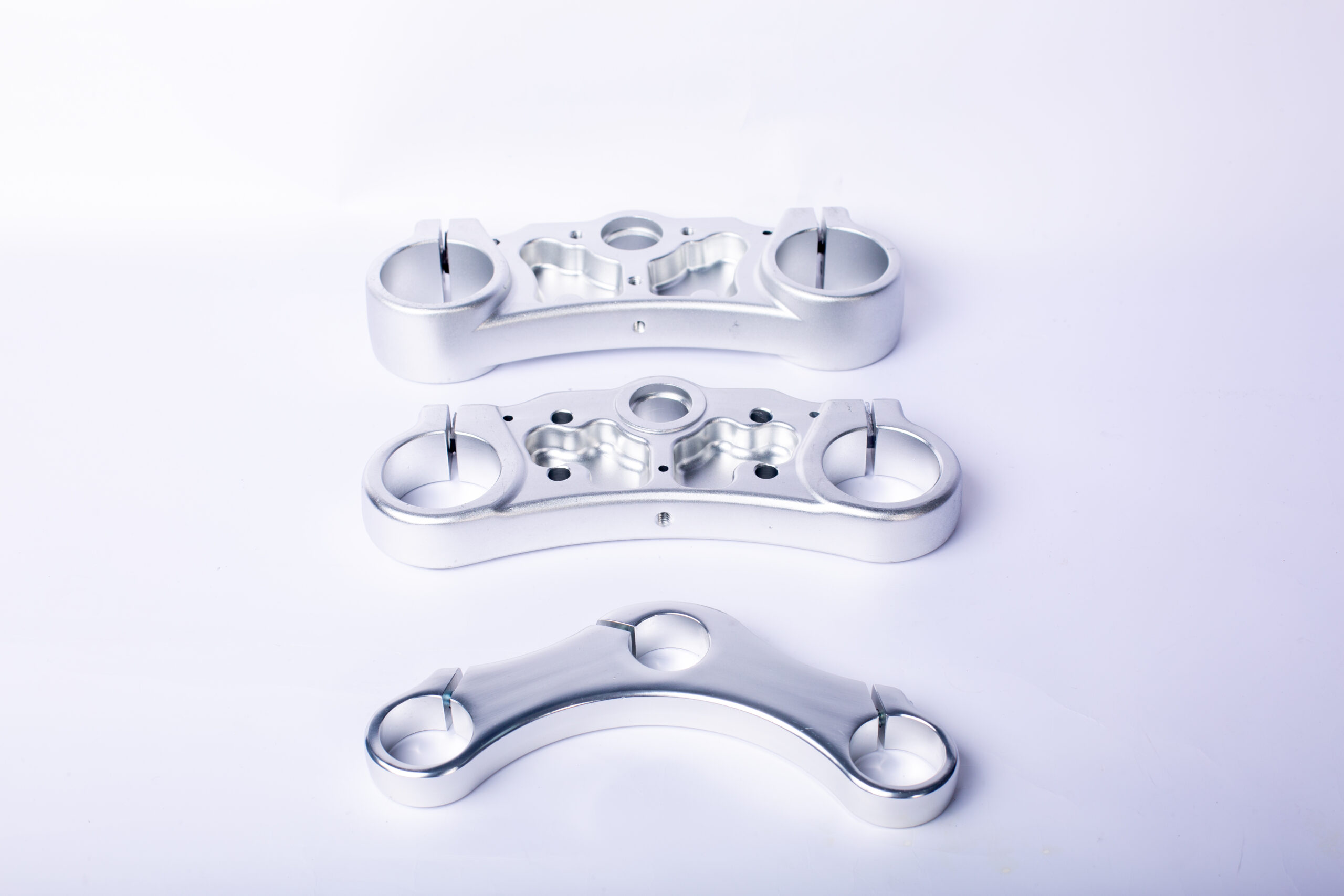
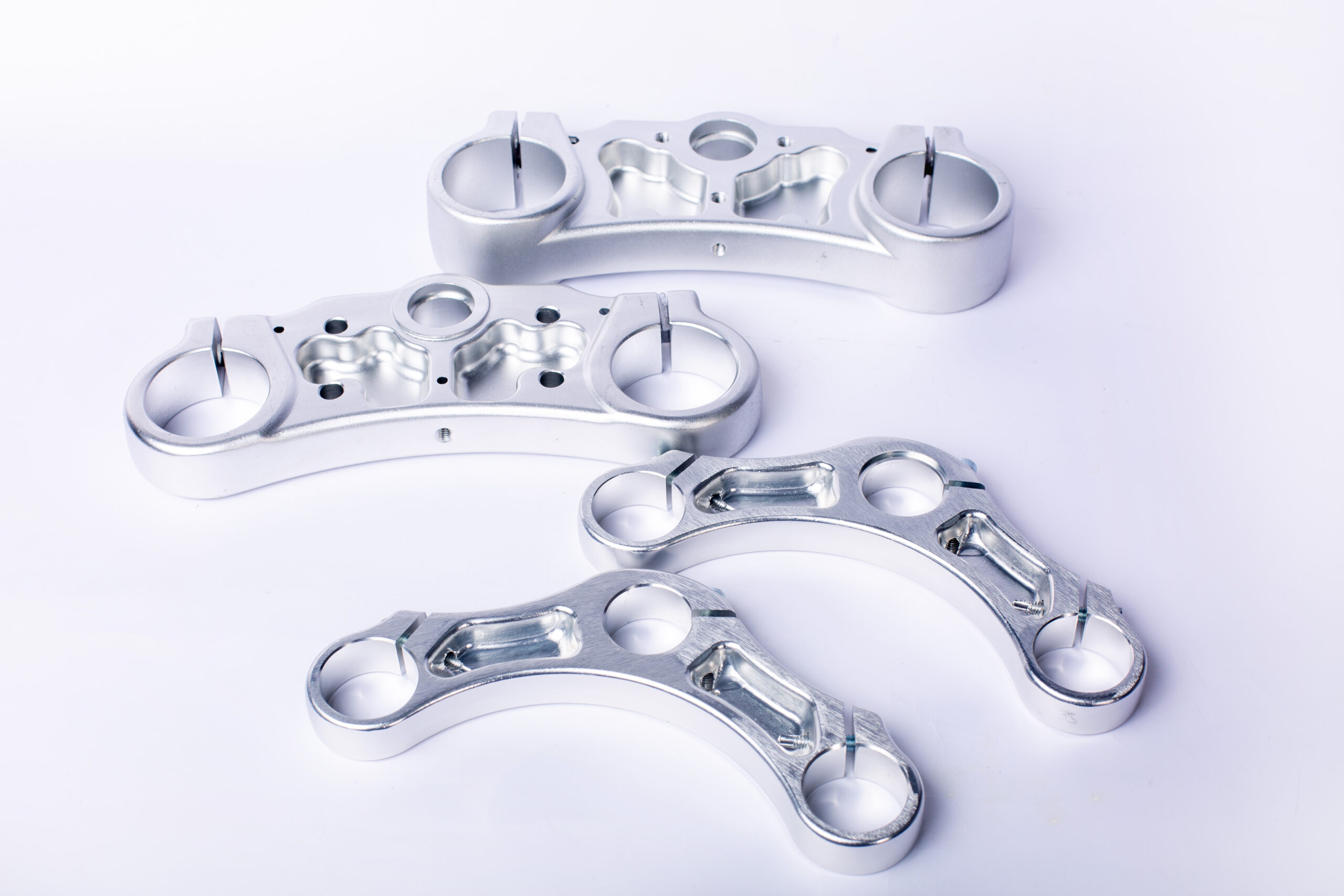
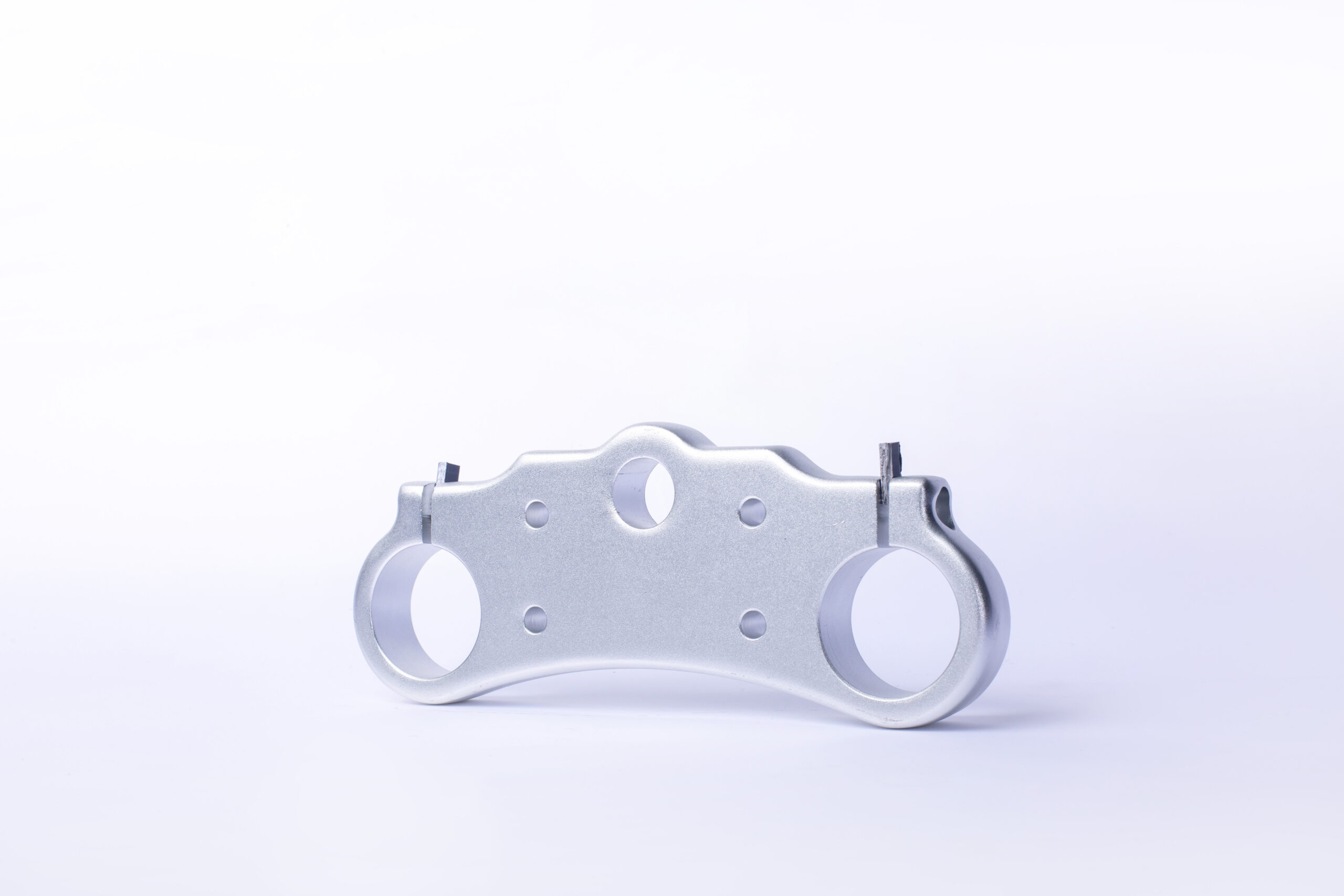
MINGYU Tech is a top manufacturer of precision machined aluminum components for the automotive industry. Our ISO 9001 certified factory is equipped with advanced CNC machines and robotic systems capable of producing high volume orders with tight tolerances and minimal lead times. Our team of skilled engineers and technicians use the latest CAD/CAM software to optimize the production process and ensure the best results. We also provide on-time delivery and other supply chain management services to meet our customers’ needs.
cnc aluminum machining factory, as the name suggests, refers to the process of shaping or altering aluminum material into desired forms using a variety of techniques and tools. Aluminum, a lightweight and highly versatile metal, has become an essential material in many industries due to its numerous advantageous properties.
First and foremost, one of the most significant attributes of aluminum is its lightweight nature. With a density of only one-third of steel, aluminum is a popular choice in industries that require lightweight components, such as the aerospace and automotive industries. This characteristic makes it ideal for use in applications where weight reduction is crucial, such as in aircraft parts or car bodies. Another essential attribute of aluminum is its high strength-to-weight ratio. While being lightweight, aluminum is also incredibly strong, making it a suitable material for applications that require both strength and lightness. This property has made aluminum a preferred choice for structural components in industries such as construction and transportation.
| Service | CNC Turning, CNC Milling , Laser Cutting, Bending, Stamping, |
| Materials | Stainless steel,Steel,Brass,Aluminum,Plastic |
| Surface Treatment |
Anodize, Bead blasted, Silk Screen, Plating, Zinc/Nickel/ Plating, Electro Plating,Polishing, Knurl, Laser/Etch/Engrave etc. |
| Drawing Accepted | Stp, Step, IGS, Xt, AutoCAD(DXF, DWG), PDF, or Samples |
| Tolerance | 0.01- +/-0.001mm |
| Lead Time | 1-2 weeks for samples, 3-4 weeks for mass production |
| Quality Assurance | ISO9001:2018, ISO13485:2019, SGS, RoHs, |


cnc aluminum machining factory FAQs Guide.
Our company specializes in providing high-quality cnc aluminum machining factory services for a variety of industries. With years of experience, state-of-the-art equipment, and a dedicated team, we pride ourselves on delivering precision and top-notch results for our customers. we will outline our capabilities and processes, and provide examples of the aluminum products we can create. We are confident that our cnc aluminum machining factory services will meet and exceed your expectations.
1.Can aluminum be machined using both hand and power tools?
Our products & services cover a wide range of areas and meet the needs of different fields.
Yes, aluminum can be machined using both hand and power tools. Hand tools such as files, chisels, and hacksaws can be used to shape aluminum, while power tools such as drills, lathes, and milling machines can be used to create more precise shapes.
2.What is the role of chip management in aluminum machining?
We attach importance to the innovation ability and team spirit of employees, have advanced R & D facilities and laboratories, and have a good quality management system.
Chip management is an important part of aluminum machining. It involves controlling the chips created during the machining process to ensure that they do not interfere with the machining process or cause damage to the machine or the workpiece. This is done by using chip breakers, chip conveyors, and other chip management tools. Proper chip management helps to reduce the risk of tool breakage, improve the surface finish of the machined part, and reduce the amount of time and energy required to complete the machining process.
3.What are the differences between milling and turning in aluminum machining?
Our cnc aluminum machining factory products have competitive and differentiated advantages, and actively promote digital transformation and innovation.
Milling and turning are two different machining processes used in aluminum machining.
Milling is a subtractive process that uses a rotating cutting tool to remove material from the workpiece. It is typically used to create complex shapes and contours, as well as to produce flat surfaces. Milling is often used to create features such as slots, pockets, and grooves.
Turning is a subtractive process that uses a cutting tool to remove material from the workpiece. It is typically used to create cylindrical shapes and features such as threads, grooves, and tapers. Turning is often used to create features such as holes, slots, and contours.
The main difference between milling and turning is the type of cutting tool used. Milling uses a rotating cutting tool, while turning uses a stationary cutting tool. Additionally, milling is typically used to create complex shapes and contours, while turning is used to create cylindrical shapes and features.
4.Can different types of coatings be applied to aluminum after machining?
We continue to improve cnc aluminum machining factory products and processes to improve efficiency.
Yes, different types of coatings can be applied to aluminum after machining. Common coatings include anodizing, powder coating, and painting. Anodizing is a process that creates a protective oxide layer on the surface of the aluminum, while powder coating is a process that applies a dry powder to the surface of the aluminum and then bakes it to create a hard finish. Painting is a process that applies a liquid paint to the surface of the aluminum and then bakes it to create a hard finish.
5.How does the cost of aluminum machining compare to other metals?
We have rich industry experience and professional knowledge, and have strong competitiveness in the market.
The cost of aluminum machining is generally lower than other metals due to its low density and high thermal conductivity. Aluminum is also easier to machine than other metals, which can reduce machining costs. Additionally, aluminum is a non-ferrous metal, meaning it does not contain iron, which can reduce the cost of machining due to the lack of need for specialized tools.
6.What impact does the speed of cutting have on the final product in aluminum machining?
The speed of cutting has a significant impact on the final product in aluminum machining. A slower cutting speed will produce a better finish, while a faster cutting speed will produce a rougher finish. Slower cutting speeds also reduce the risk of tool breakage and heat build-up, which can cause warping and other defects. Additionally, slower cutting speeds can help to reduce the amount of material removed, which can help to reduce costs.
7.What is the history of aluminum machining?
We have established a good reputation and reliable partnerships within the cnc aluminum machining factory industry.
Aluminum machining has been around since the late 19th century. The first aluminum machining process was developed in 1885 by Charles Martin Hall and Paul Héroult, who developed a process for electrolytically extracting aluminum from its ore. This process was later refined and improved upon by other inventors, leading to the development of the modern aluminum machining process.
The first aluminum machining tools were developed in the early 20th century, and the first aluminum machining machines were developed in the 1930s. Since then, aluminum machining has become increasingly sophisticated, with the development of computer-controlled machining processes and the use of advanced materials and techniques. Today, aluminum machining is used in a wide variety of industries, from aerospace to automotive to medical.
8.Can aluminum be machined using multiple axis machines?
We should perform well in market competition, and the prices of cnc aluminum machining factory products have a great competitive advantage.
Yes, aluminum can be machined using multiple axis machines. Multiple axis machines are used to create complex shapes and parts with high precision. They are often used to machine aluminum parts because of its high strength-to-weight ratio and its ability to be machined with high accuracy.
9.What surface finishes are achievable with aluminum machining?
We focus on providing high cnc aluminum machining factory quality products and services.
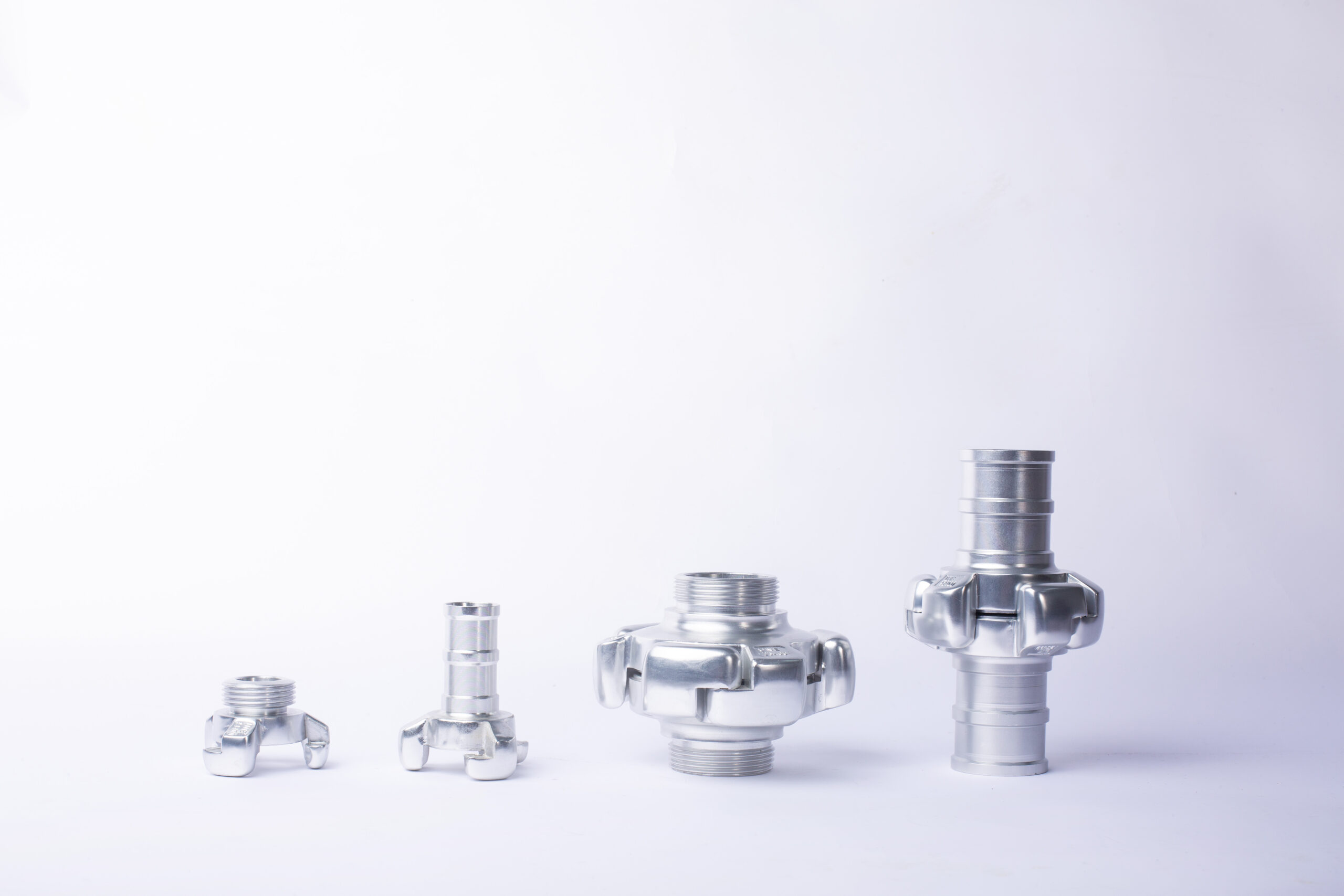
Surface finishes achievable with aluminum machining include anodizing, powder coating, sandblasting, polishing, and brushing.
10.How does the thickness of the aluminum affect the machining process?
The thickness of the aluminum affects the machining process in several ways. Thicker aluminum requires more cutting force and can cause more wear on the cutting tools. It also requires more time to machine, as the cutting tools must move more slowly to ensure a clean cut. Additionally, thicker aluminum can cause more vibration during the machining process, which can lead to poor surface finish and accuracy.

11.How does the design of the part affect the machining process for aluminum?
The design of the part affects the machining process for aluminum in several ways. The shape of the part will determine the type of tooling and cutting parameters that are used. For example, a part with complex geometries may require a more specialized tooling setup than a part with simpler geometries. Additionally, the size of the part will determine the speed and feed rates that are used during the machining process. The material properties of aluminum also affect the machining process, as aluminum is a softer material than other metals and requires slower speeds and feeds to prevent tool wear and tear. Finally, the surface finish of the part will determine the type of finishing operations that are used, such as polishing or deburring.
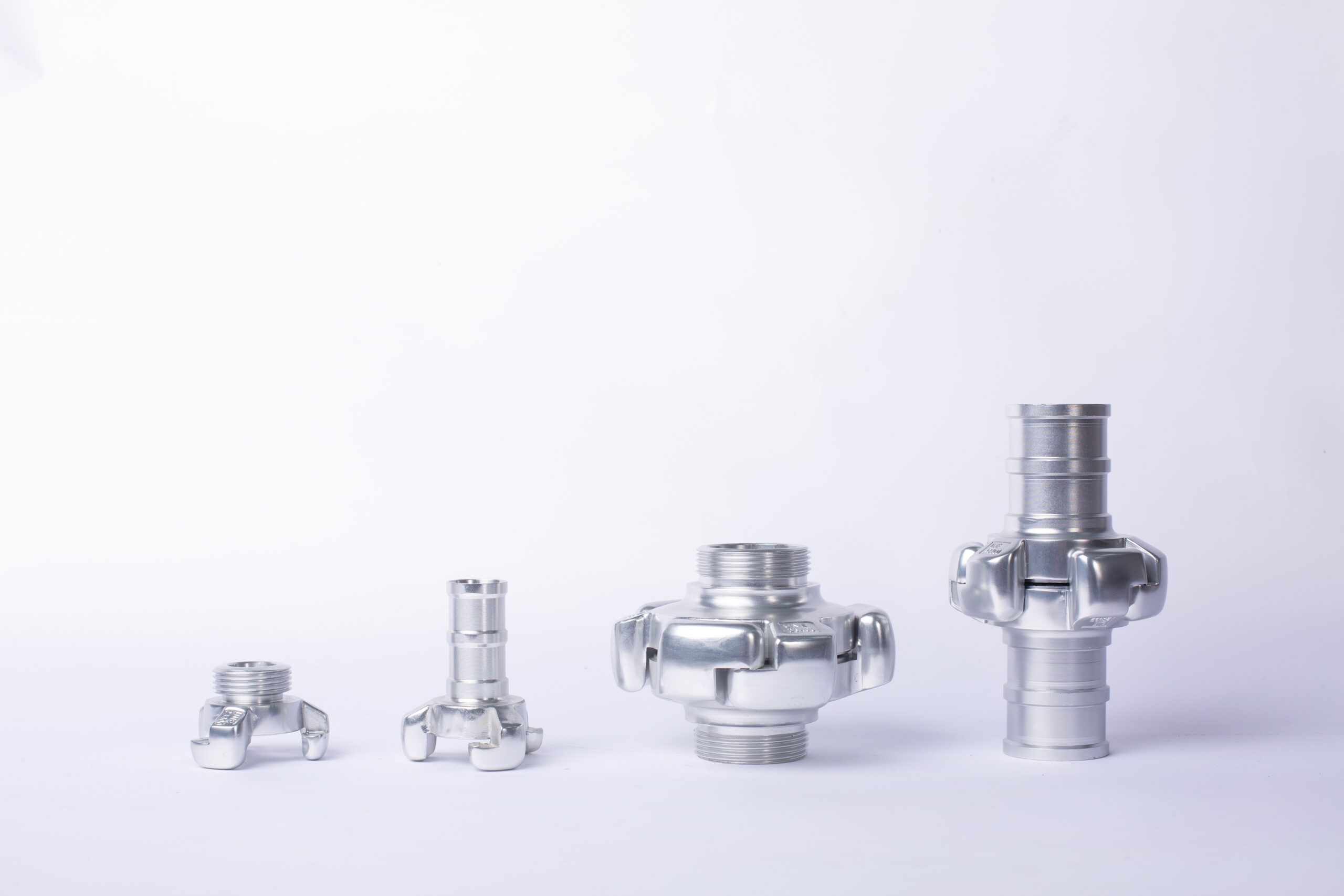
12.Can aluminum be machined to create both large and small parts?
Yes, aluminum can be machined to create both large and small parts. Machining aluminum is a popular process for creating parts of all sizes, from tiny components to large structural components. Machining aluminum is relatively easy compared to other metals, and it can be used to create complex shapes and intricate details.
13.What factors affect the speed and efficiency of aluminum machining?
We are a professional cnc aluminum machining factory company dedicated to providing high quality products and services.
1. Tooling: The type of tooling used for aluminum machining can have a significant impact on the speed and efficiency of the process. For example, using a high-speed steel (HSS) tool can provide faster cutting speeds than a carbide tool.
2. Feed Rate: The feed rate of the cutting tool is also important for aluminum machining. A higher feed rate can increase the speed of the process, but it can also lead to increased tool wear and decreased tool life.
3. Cutting Fluids: The use of cutting fluids can help to reduce friction and heat during aluminum machining, which can improve the speed and efficiency of the process.
4. Cutting Parameters: The cutting parameters, such as the spindle speed, feed rate, and depth of cut, can all affect the speed and efficiency of aluminum machining.
5. Workpiece Material: The type of aluminum being machined can also affect the speed and efficiency of the process. For example, softer aluminum alloys can be machined faster than harder alloys.
Tag:custom cnc aluminum machining,aluminum machining services manufacturer,china aluminum machining parts manufacturers