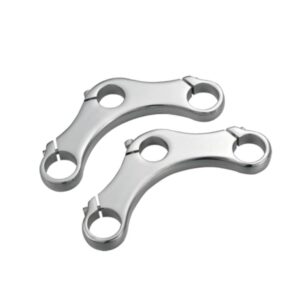
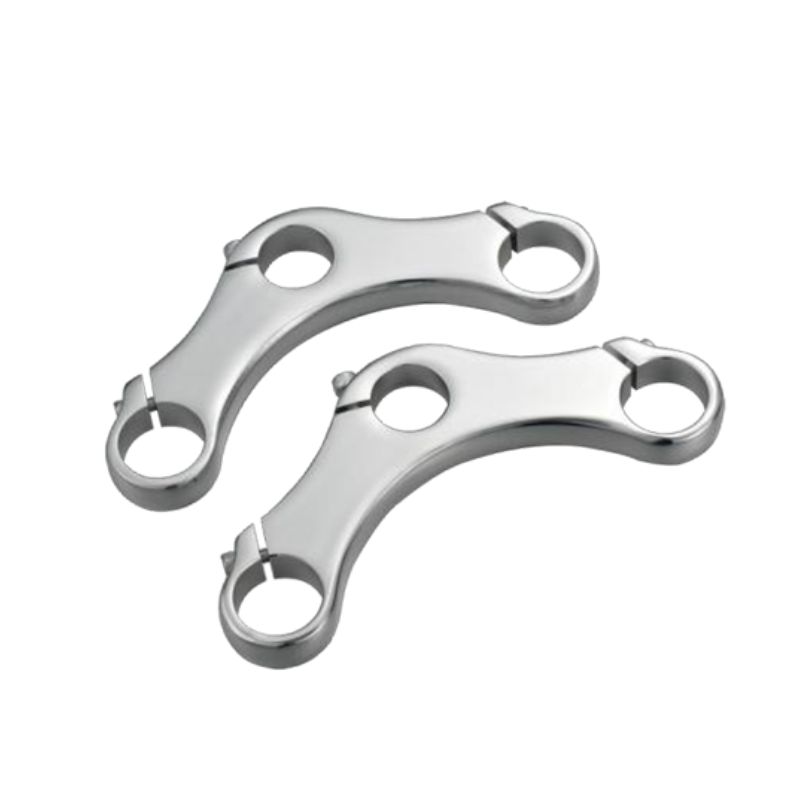
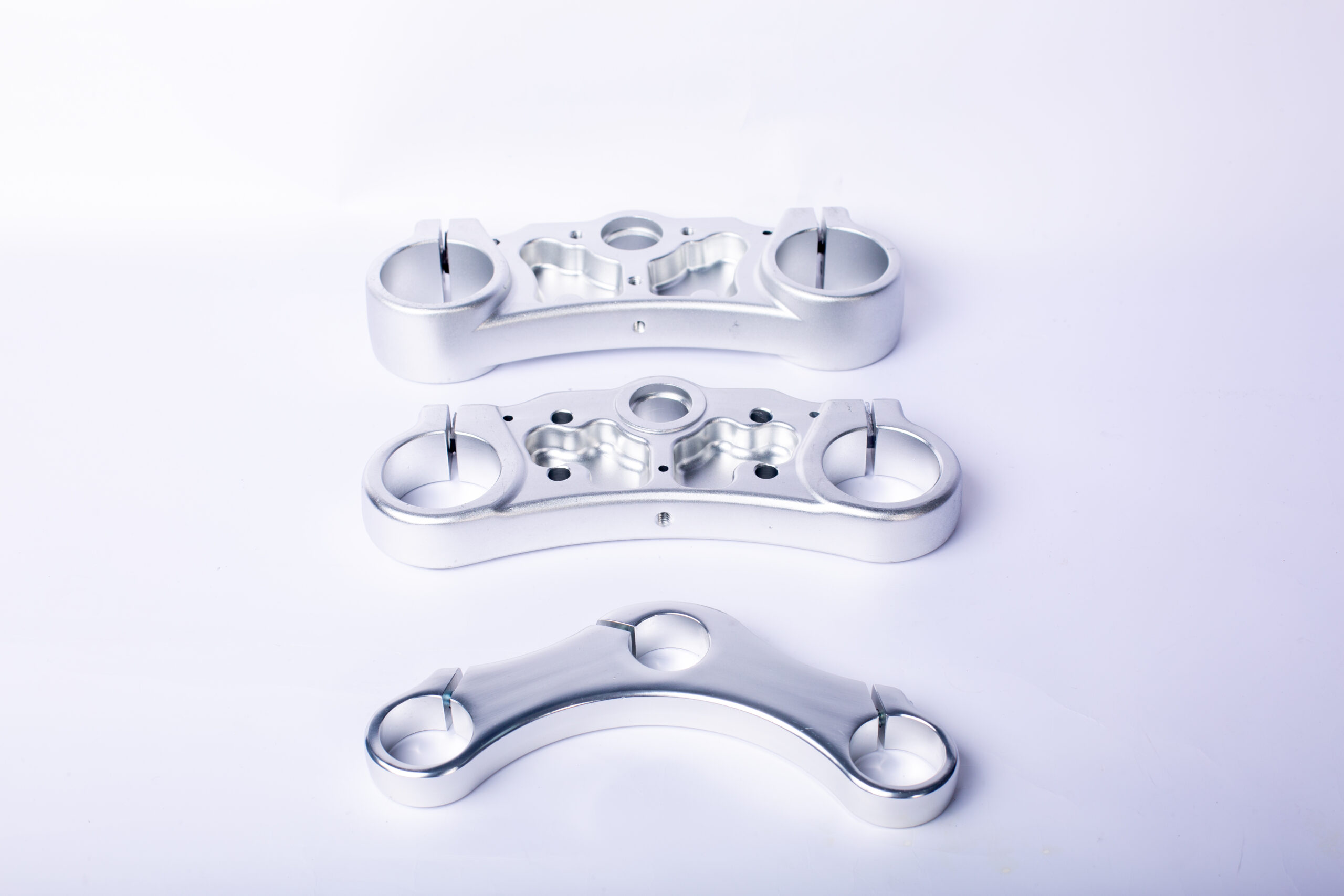
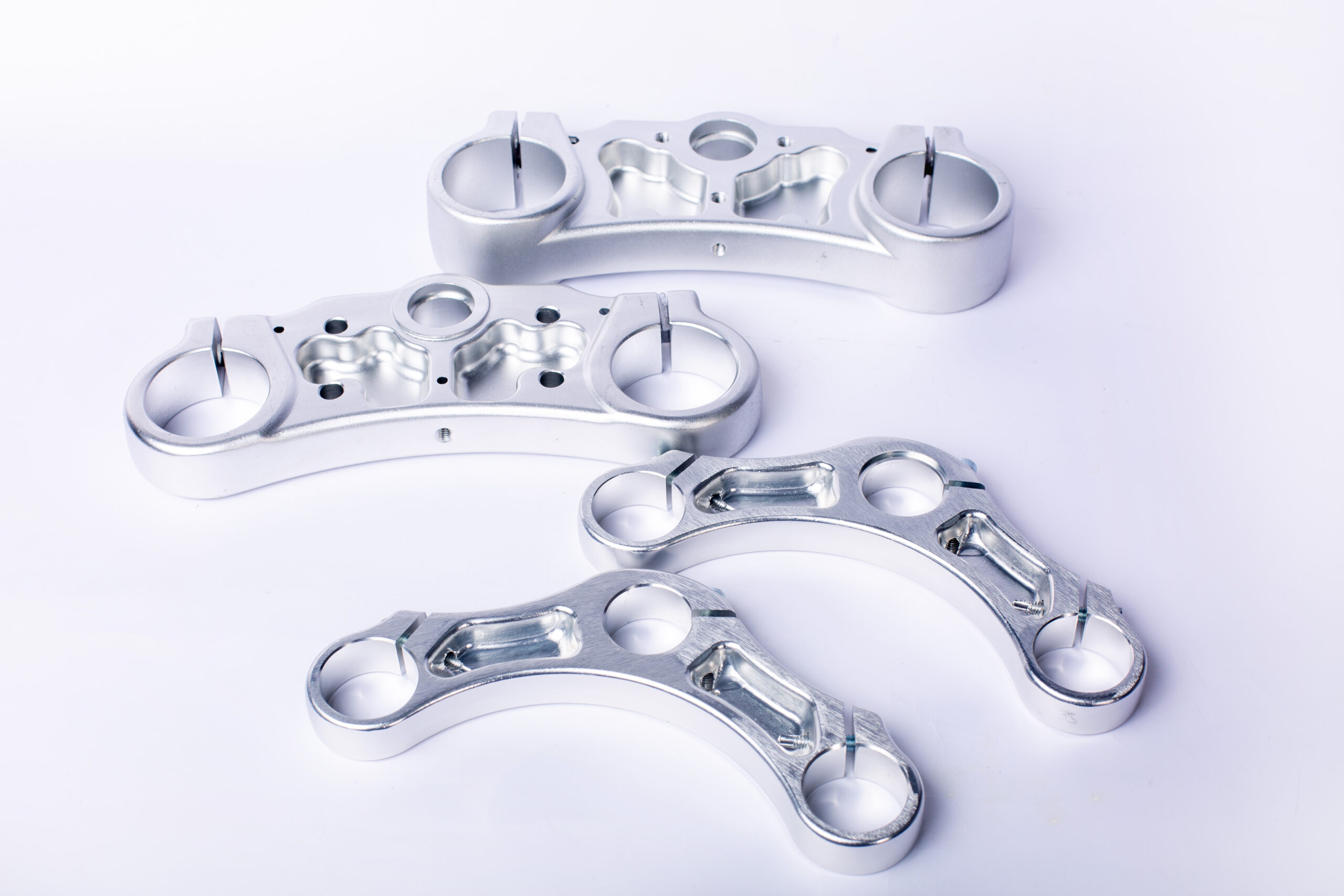
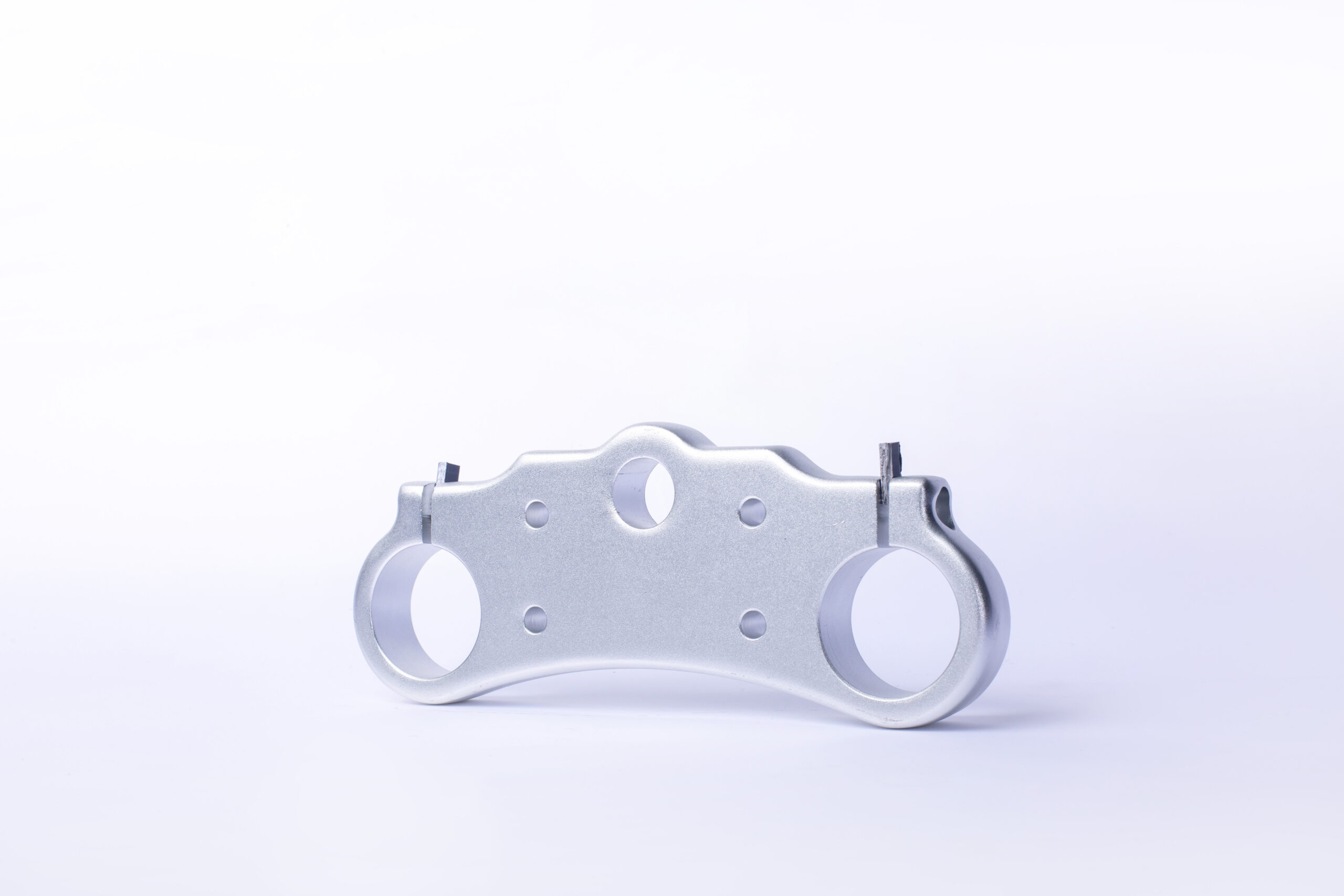
MINGYU Tech is a top manufacturer of precision machined aluminum components for the automotive industry. Our ISO 9001 certified factory is equipped with advanced CNC machines and robotic systems capable of producing high volume orders with tight tolerances and minimal lead times. Our team of skilled engineers and technicians use the latest CAD/CAM software to optimize the production process and ensure the best results. We also provide on-time delivery and other supply chain management services to meet our customers’ needs.
The process of cnc aluminum machining part involves several steps, starting from the selection of the aluminum material in the desired shape and size. The next step is to use specialized cutting tools, such as CNC (computer numeric control) machines, lathes, and milling machines, to shape the aluminum into the desired form. These machines use computer programming to accurately cut and shape the aluminum, ensuring high precision and consistency in the final product.
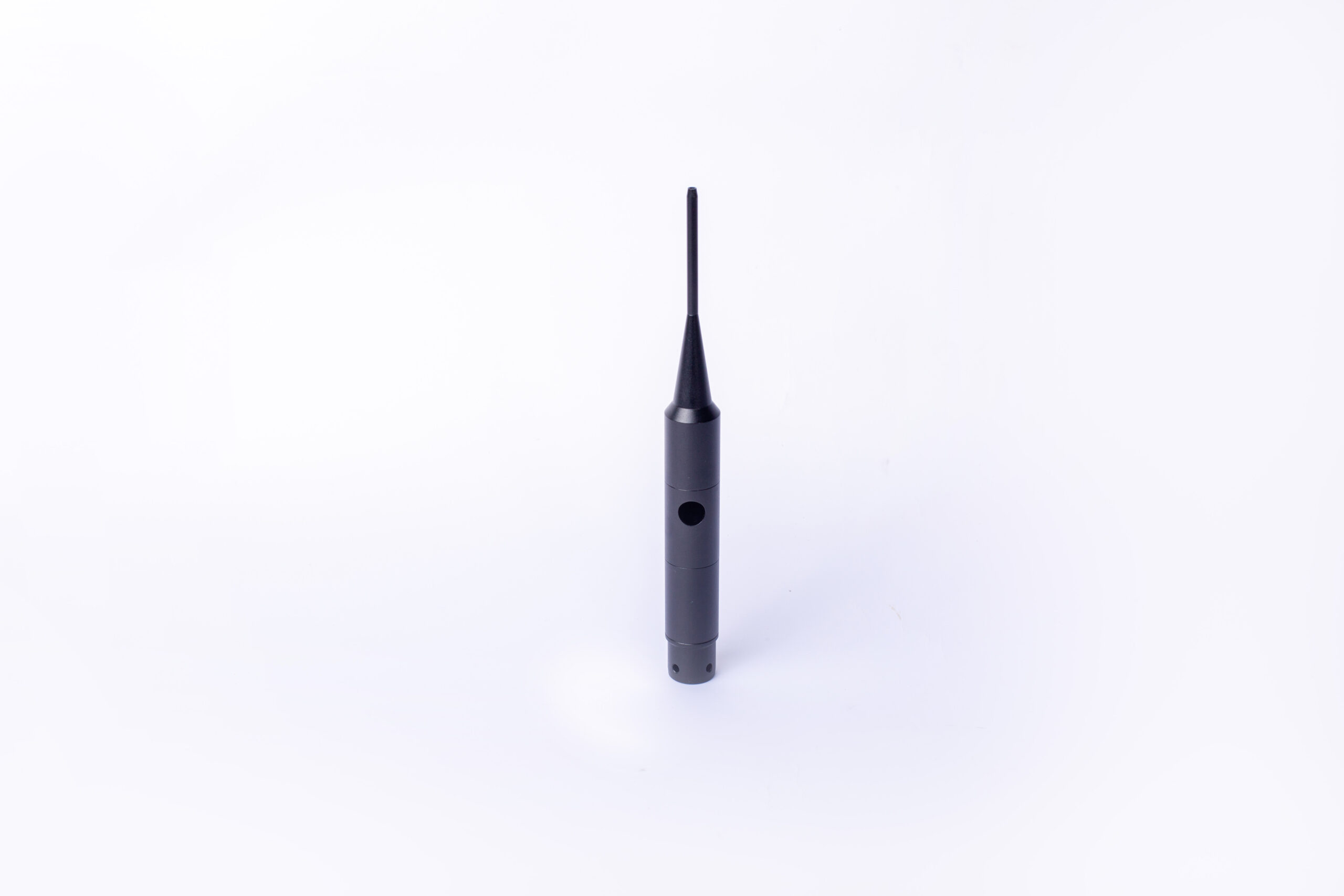
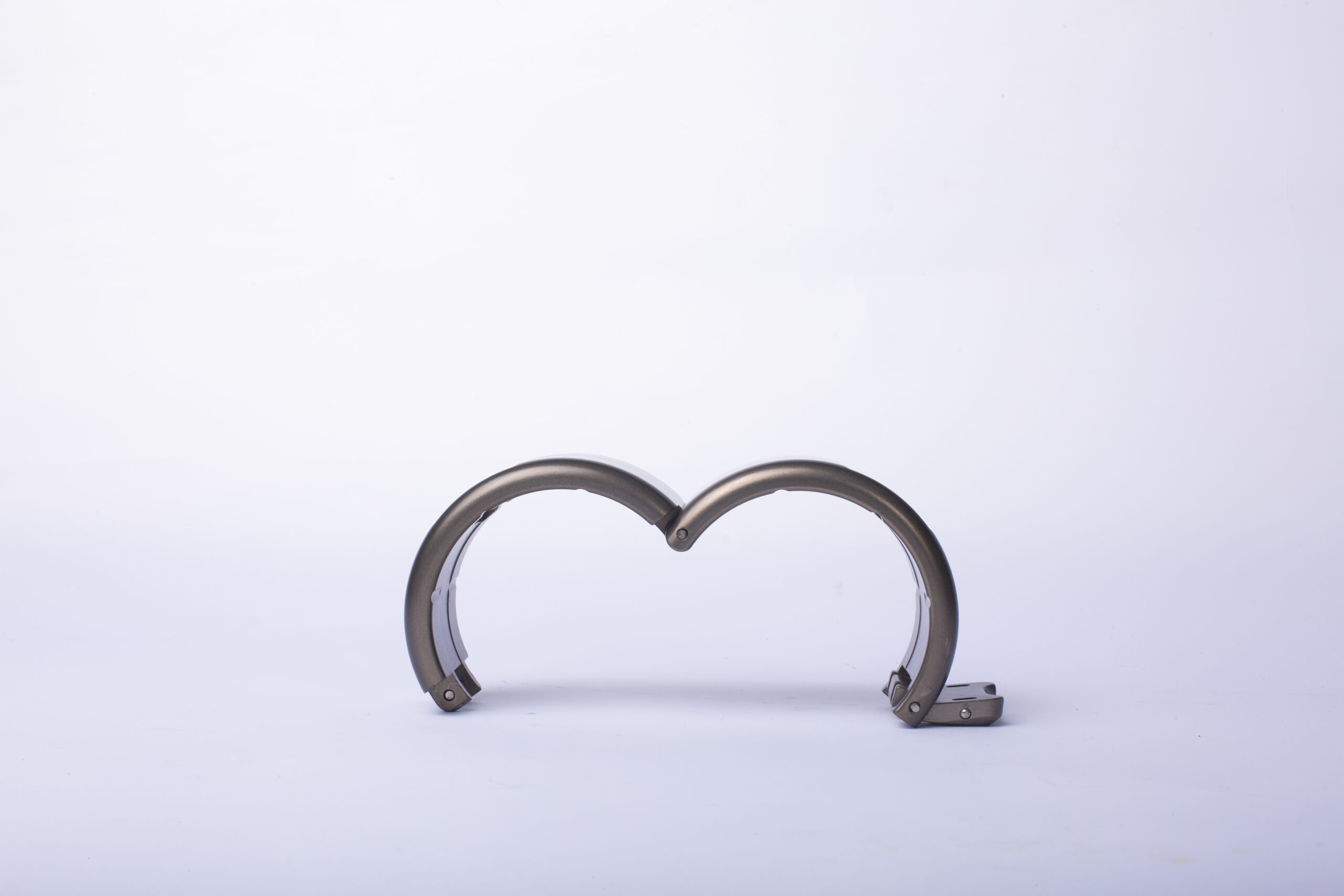
One of the greatest advantages of cnc aluminum machining part is its versatility. Aluminum can be machined into a variety of forms, such as sheets, rods, bars, tubes, and complex 3D shapes. This makes it suitable for a wide range of products, from simple brackets and fittings to intricate parts for aerospace and automotive industries.
In addition to its versatility, cnc aluminum machining part also offers several benefits over other materials. As mentioned earlier, aluminum is lightweight, making it ideal for applications where weight is a crucial factor, such as in aircraft and automotive parts. It also has a high strength-to-weight ratio, making it strong enough to withstand heavy loads while remaining light. This makes it a cost-effective option for industries where weight and strength are important factors.
| Service | CNC Turning, CNC Milling , Laser Cutting, Bending, Stamping, |
| Materials | Stainless steel,Steel,Brass,Aluminum,Plastic |
| Surface Treatment |
Anodize, Bead blasted, Silk Screen, Plating, Zinc/Nickel/ Plating, Electro Plating,Polishing, Knurl, Laser/Etch/Engrave etc. |
| Drawing Accepted | Stp, Step, IGS, Xt, AutoCAD(DXF, DWG), PDF, or Samples |
| Tolerance | 0.01- +/-0.009mm |
| Lead Time | 1-2 weeks for samples, 3-4 weeks for mass production |
| Quality Assurance | ISO9001:2018, ISO13485:2019, SGS, RoHs, |


cnc aluminum machining part FAQs Guide.
Our company specializes in providing high-quality cnc aluminum machining part services for a variety of industries. With years of experience, state-of-the-art equipment, and a dedicated team, we pride ourselves on delivering precision and top-notch results for our customers. we will outline our capabilities and processes, and provide examples of the aluminum products we can create. We are confident that our cnc aluminum machining part services will meet and exceed your expectations.
1.Can aluminum be machined to create both large and small parts?
Yes, aluminum can be machined to create both large and small parts. Machining aluminum is a popular process for creating parts of all sizes, from tiny components to large structural components. Machining aluminum is relatively easy compared to other metals, and it can be used to create complex shapes and intricate details.
2.How does the thickness of the aluminum affect the machining process?
The thickness of the aluminum affects the machining process in several ways. Thicker aluminum requires more cutting force and can cause more wear on the cutting tools. It also requires more time to machine, as the cutting tools must move more slowly to ensure a clean cut. Additionally, thicker aluminum can cause more vibration during the machining process, which can lead to poor surface finish and accuracy.
3.What are some common methods used for aluminum machining?
We operate our cnc aluminum machining part business with integrity and honesty.
Common methods used for aluminum machining include:
1. Drilling: This is the most common method used for aluminum machining. It involves using a drill bit to create a hole in the aluminum material.
2. Milling: This is a process that uses a rotating cutting tool to remove material from the aluminum.
3. Turning: This is a process that uses a lathe to shape the aluminum material.
4. Grinding: This is a process that uses an abrasive wheel to remove material from the aluminum.
5. Sawing: This is a process that uses a saw to cut the aluminum material.
6. Punching: This is a process that uses a punch to create a hole in the aluminum material.
4.How does the machining process differ for aluminum compared to other metals?
cnc aluminum machining part is not a product only, but also can help you comes to money-making.
The machining process for aluminum is generally more difficult than for other metals due to its low thermal conductivity and high reactivity. Aluminum is more prone to work hardening, which can lead to increased tool wear and shorter tool life. Additionally, aluminum is more difficult to machine due to its tendency to stick to the cutting tool, resulting in increased cutting forces and higher cutting temperatures. To reduce these issues, aluminum machining requires higher cutting speeds, increased coolant flow, and the use of specialized cutting tools.
5.How can these problems be solved or prevented?
We pay attention to the transformation of intellectual property protection and innovation achievements. Your OEM or ODM order design we have a complete confidentiality system.
1. Poor communication: Poor communication can be solved or prevented by establishing clear communication channels, setting expectations, and having regular check-ins. Additionally, having a culture of open communication and feedback can help to ensure that everyone is on the same page.
2. Lack of trust: Lack of trust can be solved or prevented by building relationships, being transparent, and having open and honest conversations. Additionally, having a culture of accountability and respect can help to foster trust.
3. Unclear roles and responsibilities: Unclear roles and responsibilities can be solved or prevented by having a clear job description, setting expectations, and having regular check-ins. Additionally, having a culture of collaboration and feedback can help to ensure that everyone is on the same page.
6.What surface finishes are achievable with aluminum machining?
We focus on providing high cnc aluminum machining part quality products and services.
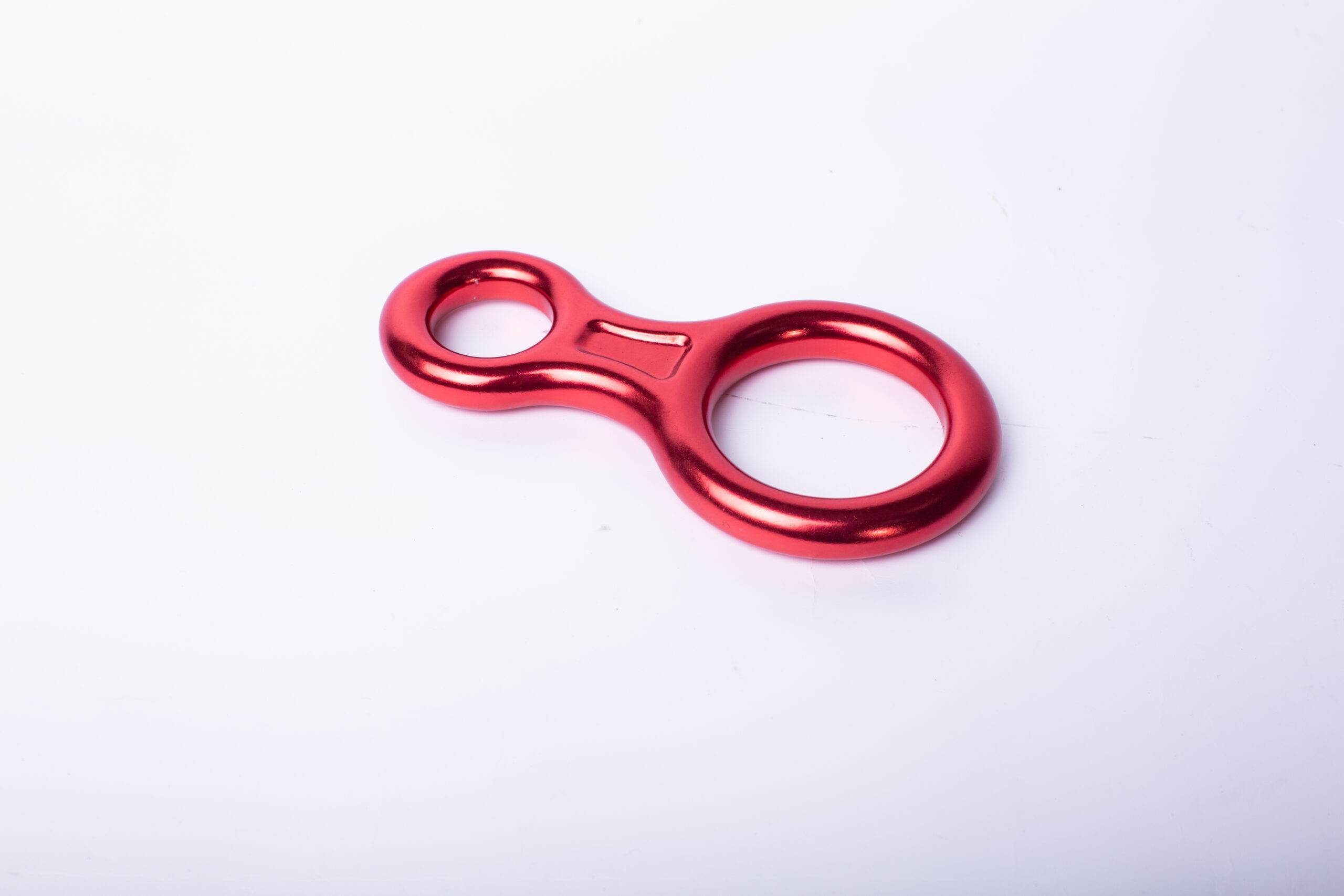
Surface finishes achievable with aluminum machining include anodizing, powder coating, sandblasting, polishing, and brushing.
7.What are some common post-machining treatments for aluminum?
As one of the cnc aluminum machining part market leaders, we are known for innovation and reliability.
Common post-machining treatments for aluminum include anodizing, passivation, painting, powder coating, and polishing. Anodizing is a process that increases the thickness of the natural oxide layer on the surface of the aluminum, providing increased corrosion resistance and improved surface hardness. Passivation is a chemical treatment that removes free iron particles from the surface of the aluminum, improving its corrosion resistance. Painting and powder coating are both processes that involve applying a protective coating to the aluminum surface. Finally, polishing is a process that involves buffing the aluminum surface to a high shine.
8.What is the role of chip management in aluminum machining?
We attach importance to the innovation ability and team spirit of employees, have advanced R & D facilities and laboratories, and have a good quality management system.
Chip management is an important part of aluminum machining. It involves controlling the chips created during the machining process to ensure that they do not interfere with the machining process or cause damage to the machine or the workpiece. This is done by using chip breakers, chip conveyors, and other chip management tools. Proper chip management helps to reduce the risk of tool breakage, improve the surface finish of the machined part, and reduce the amount of time and energy required to complete the machining process.
9.What are the safety hazards associated with aluminum machining?
We have the leading technology and innovation capabilities, and attach importance to employee training and development, and provide promotion opportunities.
1. Fire and Explosion Risk: Aluminum is highly flammable and can easily ignite when exposed to sparks or open flames.
2. Fumes and Dust: Aluminum machining produces hazardous fumes and dust that can be harmful to workers if inhaled.
3. Heat: Aluminum machining generates a lot of heat, which can cause burns if not properly managed.
4. Noise: Aluminum machining can be very loud, which can cause hearing damage if not properly managed.
5. Sharp Edges: Aluminum machining can produce sharp edges that can cause cuts and lacerations if not properly managed.
10.Can aluminum be machined with both traditional and CNC methods?
We have established long-term and stable partnerships with our suppliers, so we have great advantages in price and cost and quality assurance.
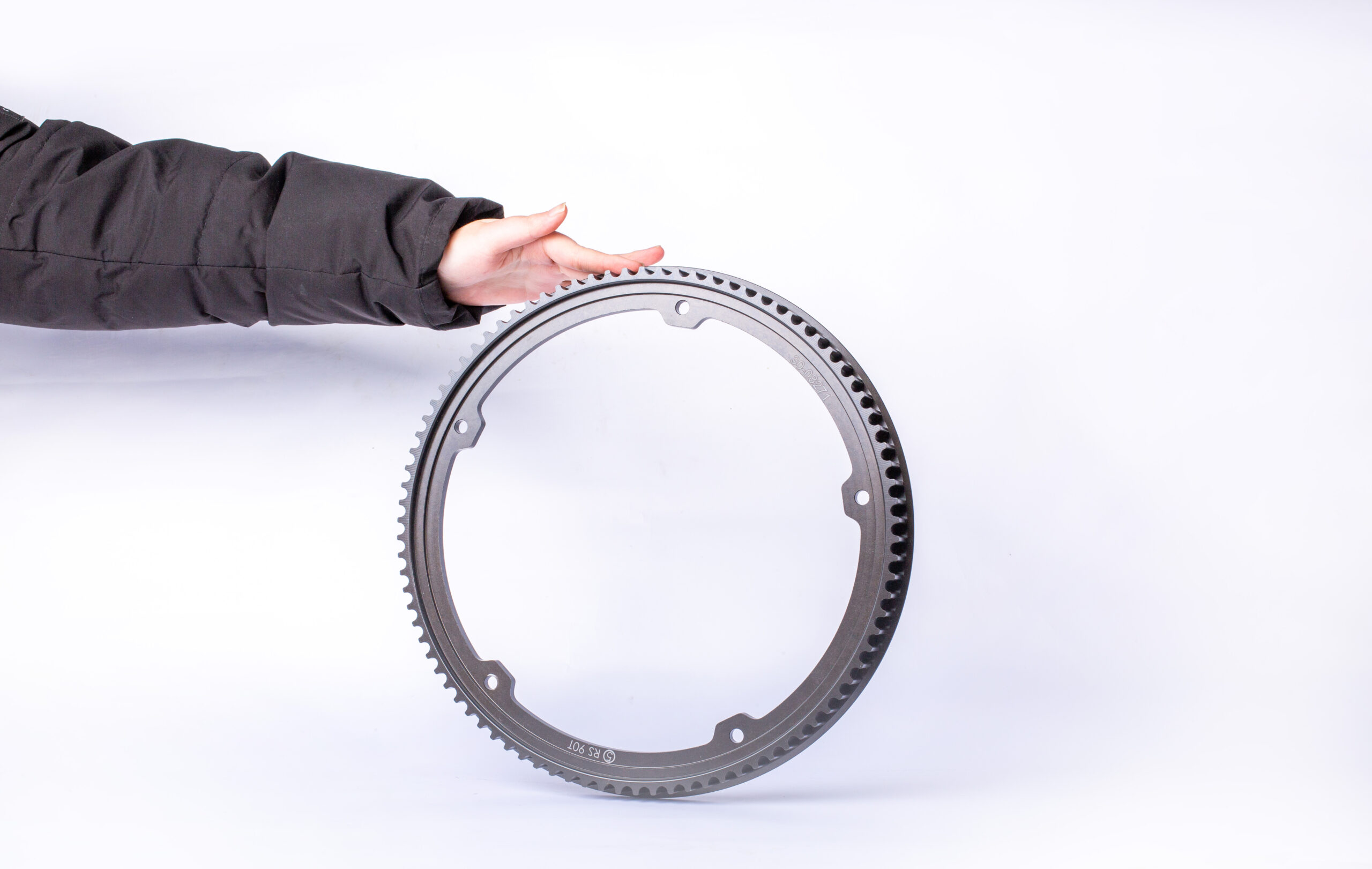
Yes, aluminum can be machined with both traditional and CNC methods. Traditional machining methods such as drilling, tapping, and milling can be used to shape aluminum, while CNC machining can be used to create more complex shapes and features.
11.How does aluminum machining compare to other common materials such as steel or titanium?
We are a new cnc aluminum machining part manufacturer.
Aluminum machining is generally easier than machining steel or titanium due to its lower strength and hardness. Aluminum is also more ductile and malleable than steel or titanium, which makes it easier to shape and form. Aluminum is also much lighter than steel or titanium, which makes it easier to handle and transport. However, aluminum is more prone to corrosion than steel or titanium, so it requires more frequent maintenance and protection.
12.Can aluminum be machined using non-traditional processes, such as EDM or laser cutting?
We actively participate in the cnc aluminum machining part industry associations and organization activities. The corporate social responsibility performed well, and the focus of brand building and promotion
Yes, aluminum can be machined using non-traditional processes such as EDM (electrical discharge machining) and laser cutting. EDM is a process that uses electrical sparks to cut away material from a workpiece, while laser cutting uses a focused beam of light to cut away material. Both processes are used to create intricate shapes and patterns in aluminum.
13.Can aluminum be machined to create threads or other internal features?
We continue to invest in research and development and continue to launch innovative products.
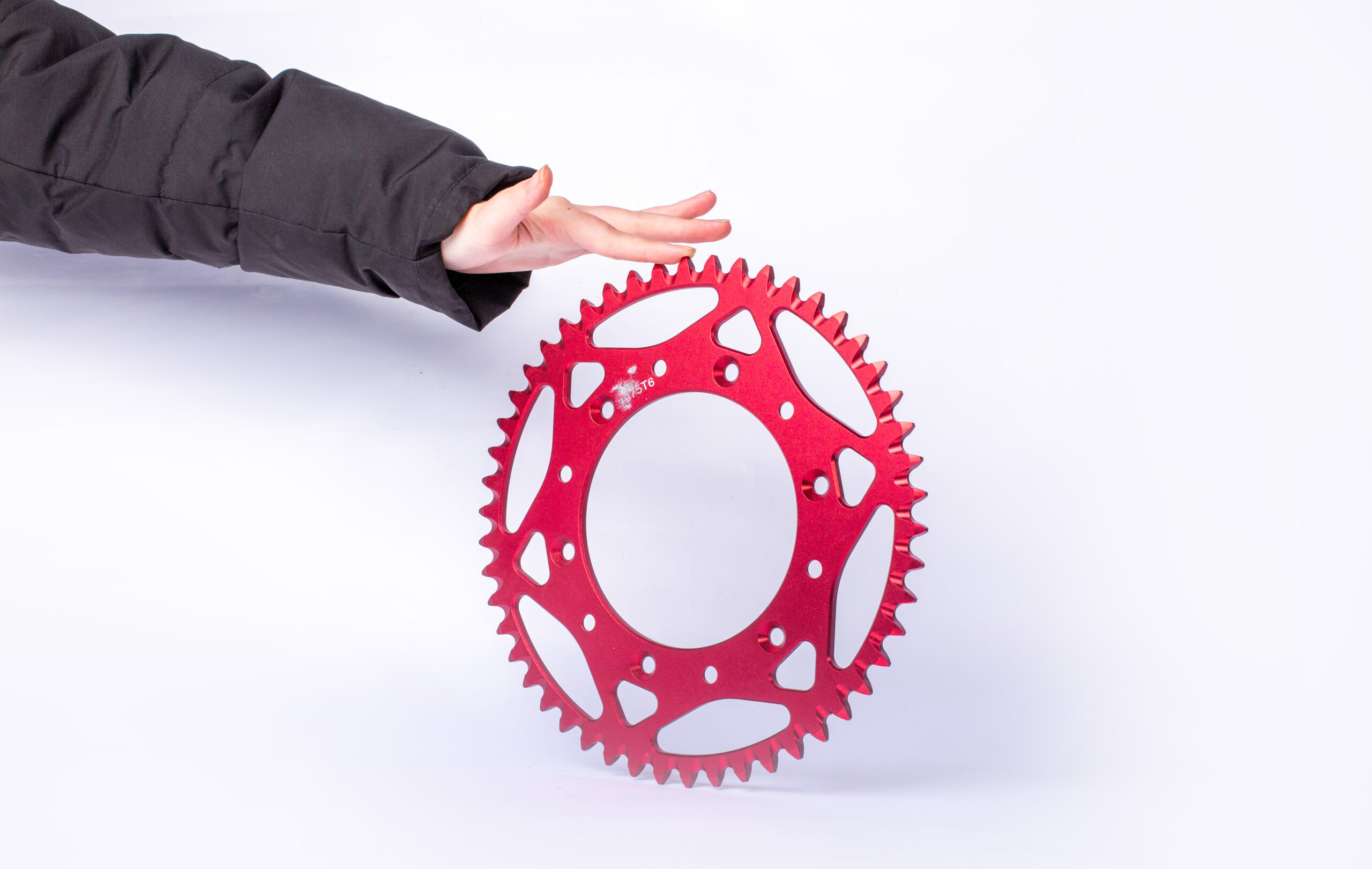
Yes, aluminum can be machined to create threads or other internal features. Machining aluminum requires specialized tools and techniques, such as tapping, thread milling, and drilling. It is important to use the correct cutting tools and speeds to ensure a successful outcome.
14.Can different types of coatings be applied to aluminum after machining?
We continue to improve cnc aluminum machining part products and processes to improve efficiency.
Yes, different types of coatings can be applied to aluminum after machining. Common coatings include anodizing, powder coating, and painting. Anodizing is a process that creates a protective oxide layer on the surface of the aluminum, while powder coating is a process that applies a dry powder to the surface of the aluminum and then bakes it to create a hard finish. Painting is a process that applies a liquid paint to the surface of the aluminum and then bakes it to create a hard finish.
15.Can aluminum be machined to tight tolerances?
We focus on teamwork and communication to achieve common goals, We attach great importance to this detail.
Yes, aluminum can be machined to tight tolerances. Aluminum is a relatively soft metal, which makes it easy to machine and shape into complex parts with tight tolerances. Machining aluminum requires specialized tools and techniques, but with the right equipment and expertise, aluminum can be machined to very precise tolerances.
16.What are some common challenges faced when machining aluminum?
We focus on our customers’ needs and strive to meet their expectations, so we take this very seriously.
1. Aluminum is a soft metal, which can cause it to deform or tear during machining.
2. Aluminum has a tendency to stick to the cutting tool, which can cause it to clog and reduce the life of the tool.
3. Aluminum is prone to heat build-up, which can cause it to warp or distort during machining.
4. Aluminum is prone to galling, which is when two pieces of metal stick together due to friction.
5. Aluminum is prone to work hardening, which can cause it to become brittle and difficult to machine.
Tag:aluminum machining services factories,aluminum machining services manufacturers,customized aluminum machining,aluminum machining grade