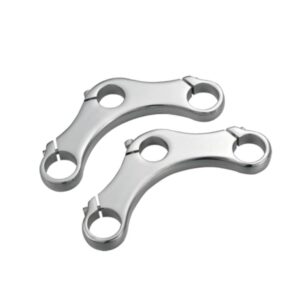
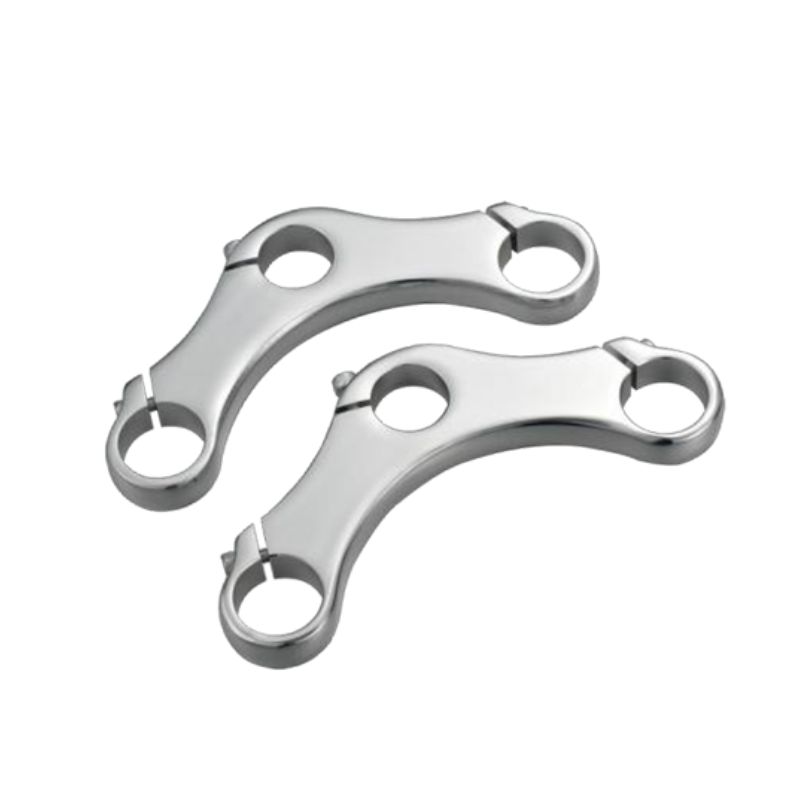
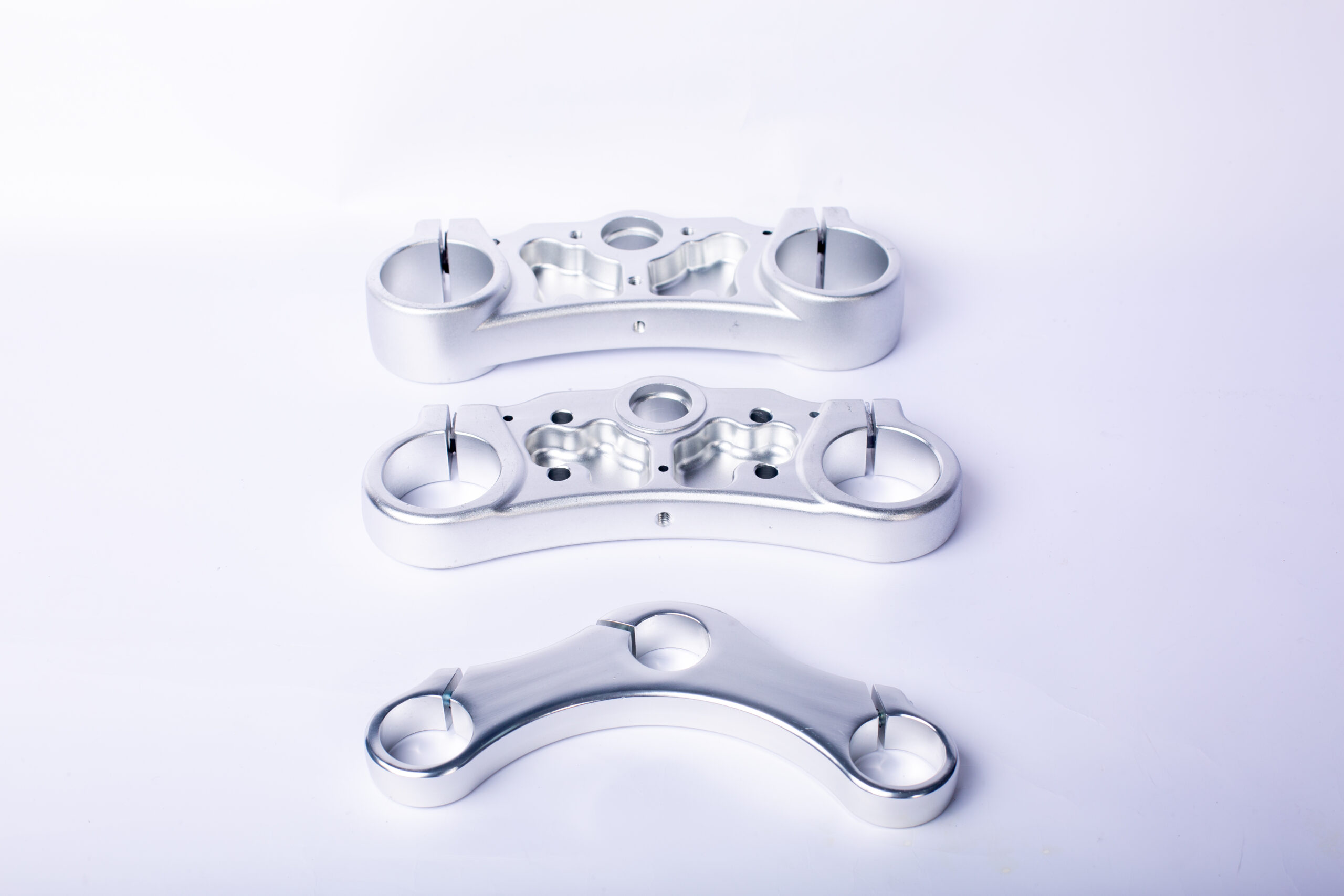
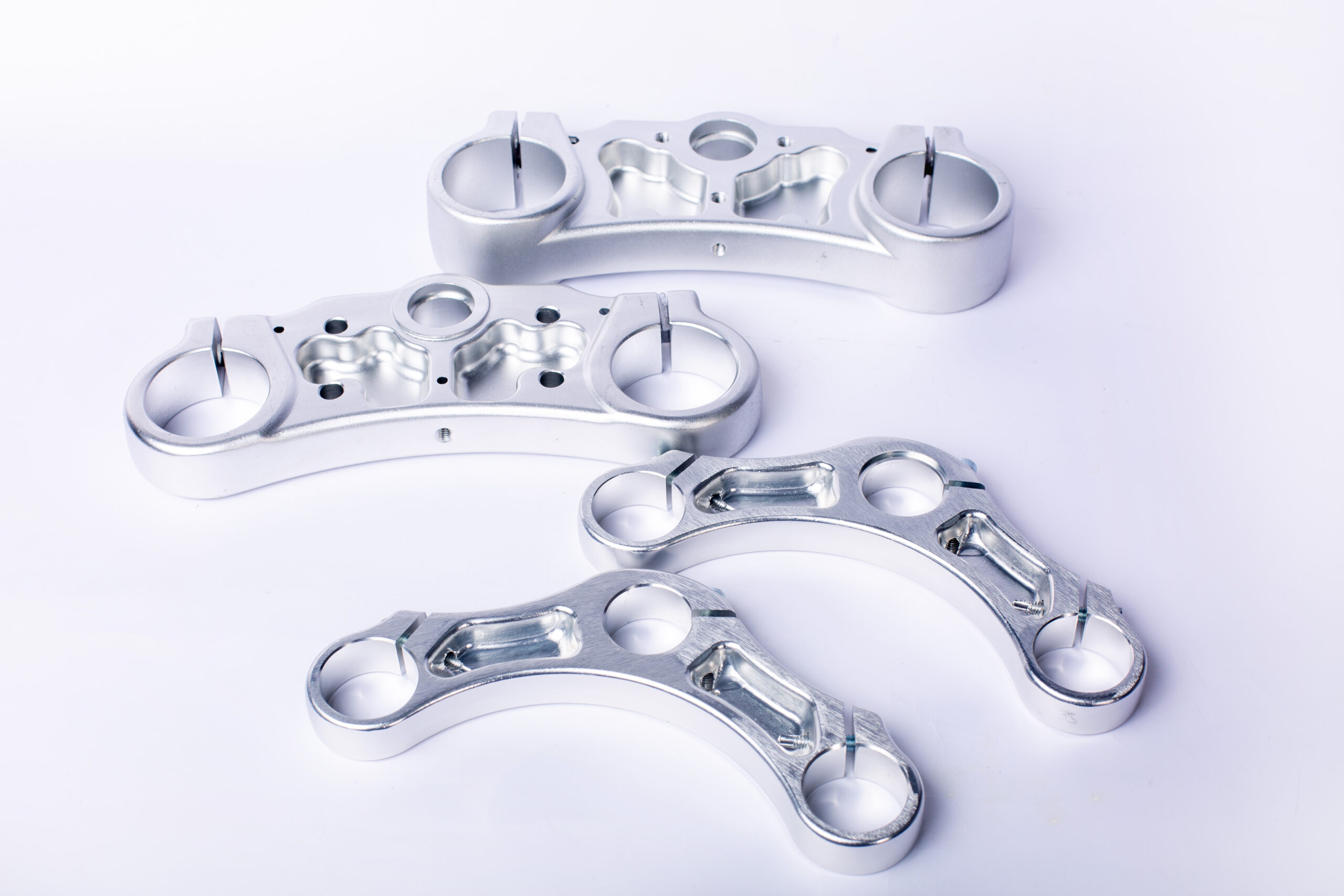
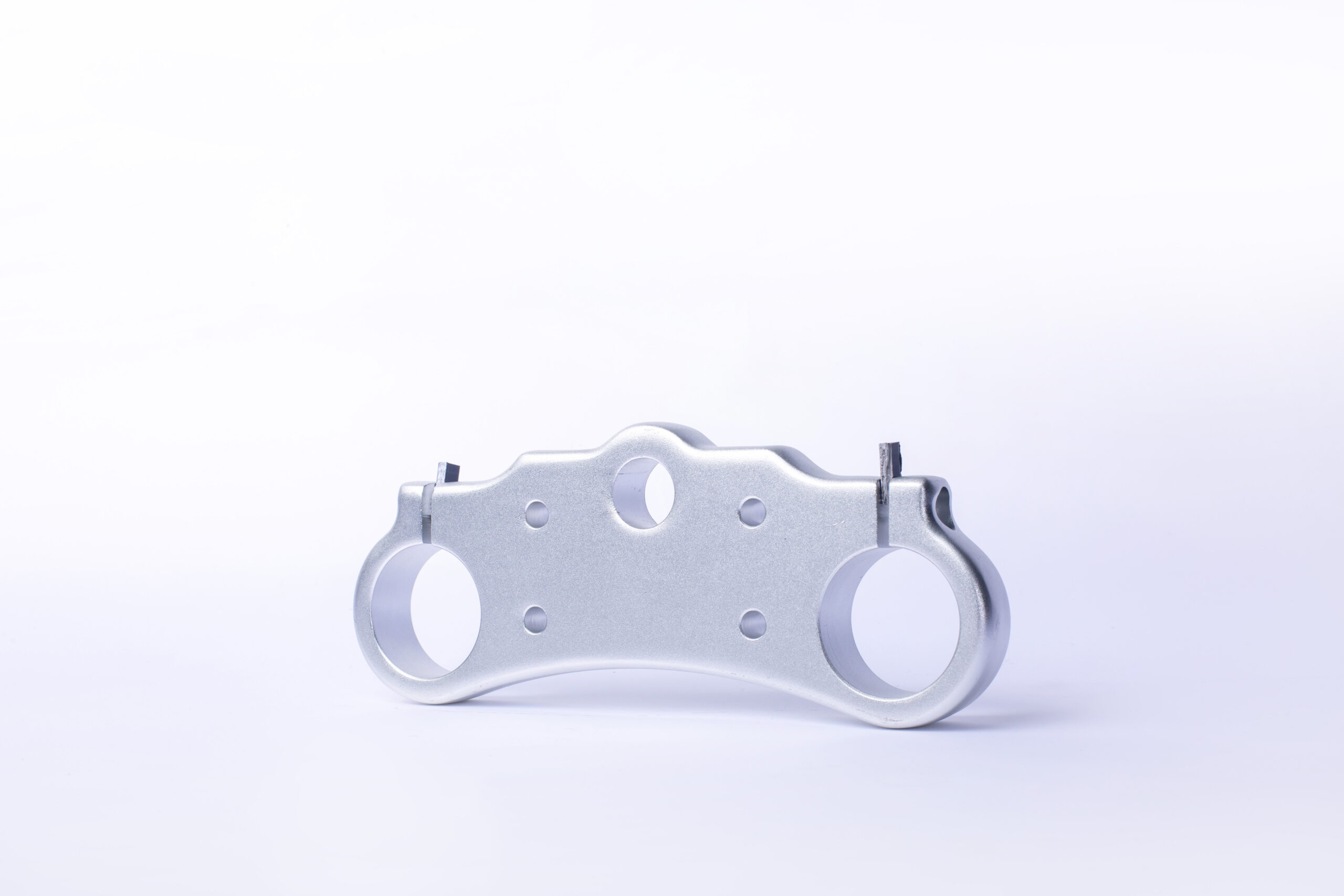
With more than 20 years of custom aluminum machining service experience, MINGYU Tech. is a trusted aluminum processing solution provider for many industries including aerospace, marine and energy. We specialize in complex multi-axis machining and can machine a variety of aluminum alloys, from soft and ductile to hard and brittle. Our modern 120,000 square foot facility is equipped with the latest CNC machine tools and inspection equipment, allowing us to produce high quality parts to tight tolerances. We also provide engineering support and value-added services such as assembly and kitting.
custom aluminum machining service is a process that involves shaping, cutting, and drilling aluminum to create various products. It is a versatile and widely used manufacturing method that allows for the production of aluminum parts with high precision and accuracy.
One of the main advantages of custom aluminum machining service is its lightweight nature. As a lightweight metal, aluminum is highly favored in industries such as aerospace, automotive, and electronics, where weight is a crucial factor. With the use of advanced machining techniques, aluminum can be shaped into complex and intricate designs while maintaining its strength and durability.
Another benefit of custom aluminum machining service is its excellent corrosion resistance. This makes it an ideal choice for outdoor applications and harsh environments. Additionally, the non-magnetic properties of aluminum make it suitable for use in electronic equipment where magnetic interference needs to be avoided.
| Service | CNC Turning, CNC Milling , Laser Cutting, Bending, Stamping, |
| Materials | Stainless steel,Steel,Brass,Aluminum,Plastic |
| Surface Treatment |
Anodize, Bead blasted, Silk Screen, Plating, Zinc/Nickel/ Plating, Electro Plating,Polishing, Knurl, Laser/Etch/Engrave etc. |
| Drawing Accepted | Stp, Step, IGS, Xt, AutoCAD(DXF, DWG), PDF, or Samples |
| Tolerance | 0.01- +/-0.005mm |
| Lead Time | 1-2 weeks for samples, 3-4 weeks for mass production |
| Quality Assurance | ISO9001:2018, ISO13485:2019, SGS, RoHs, |
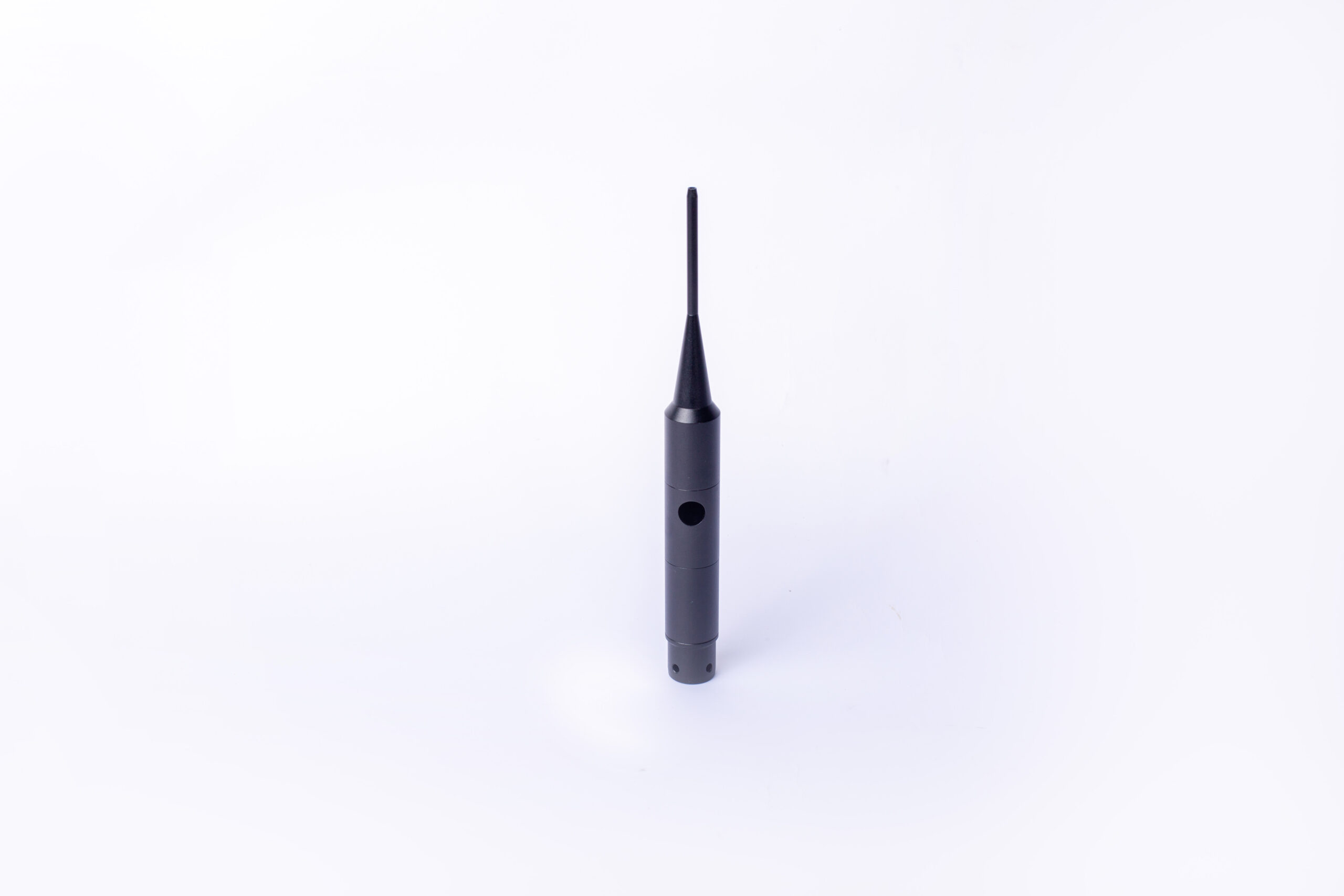


custom aluminum machining service FAQs Guide.
Our company specializes in providing high-quality custom aluminum machining service services for a variety of industries. With years of experience, state-of-the-art equipment, and a dedicated team, we pride ourselves on delivering precision and top-notch results for our customers. we will outline our capabilities and processes, and provide examples of the aluminum products we can create. We are confident that our custom aluminum machining service services will meet and exceed your expectations.
1.How does the thickness of the aluminum affect the machining process?
The thickness of the aluminum affects the machining process in several ways. Thicker aluminum requires more cutting force and can cause more wear on the cutting tools. It also requires more time to machine, as the cutting tools must move more slowly to ensure a clean cut. Additionally, thicker aluminum can cause more vibration during the machining process, which can lead to poor surface finish and accuracy.
2.Can aluminum be machined to create complex shapes and designs?
We maintain a certain amount of R&D investment every year and continuously improve operational efficiency to provide better services to our cooperative customers.
Yes, aluminum can be machined to create complex shapes and designs. Machining aluminum is a process that involves cutting, drilling, and shaping the metal to create the desired shape. It is a versatile material that can be used to create intricate designs and shapes.
3.How does the use of coolant impact the machining process for aluminum?
We have a professional team that is committed to the innovation and development of custom aluminum machining service.
The use of coolant in machining aluminum helps to reduce friction and heat buildup, which can cause the aluminum to warp or deform. Coolant also helps to flush away chips and debris, which can clog the cutting tool and reduce its effectiveness. Additionally, coolant helps to lubricate the cutting tool, which can improve the surface finish of the machined part.
4.Can different types of coatings be applied to aluminum after machining?
We continue to improve custom aluminum machining service products and processes to improve efficiency.
Yes, different types of coatings can be applied to aluminum after machining. Common coatings include anodizing, powder coating, and painting. Anodizing is a process that creates a protective oxide layer on the surface of the aluminum, while powder coating is a process that applies a dry powder to the surface of the aluminum and then bakes it to create a hard finish. Painting is a process that applies a liquid paint to the surface of the aluminum and then bakes it to create a hard finish.
5.What are the advantages of aluminum machining?
Our company has many years of custom aluminum machining service experience and expertise.
1. Lightweight: Aluminum is much lighter than other metals, making it ideal for applications where weight is a major factor.
2. Corrosion Resistance: Aluminum is highly resistant to corrosion, making it a great choice for outdoor applications.
3. Cost-Effective: Aluminum is a relatively inexpensive metal, making it a cost-effective choice for many machining projects.
4. Versatility: Aluminum can be machined into a variety of shapes and sizes, making it a great choice for a wide range of applications.
5. Heat Conductivity: Aluminum is an excellent conductor of heat, making it ideal for applications that require heat transfer.
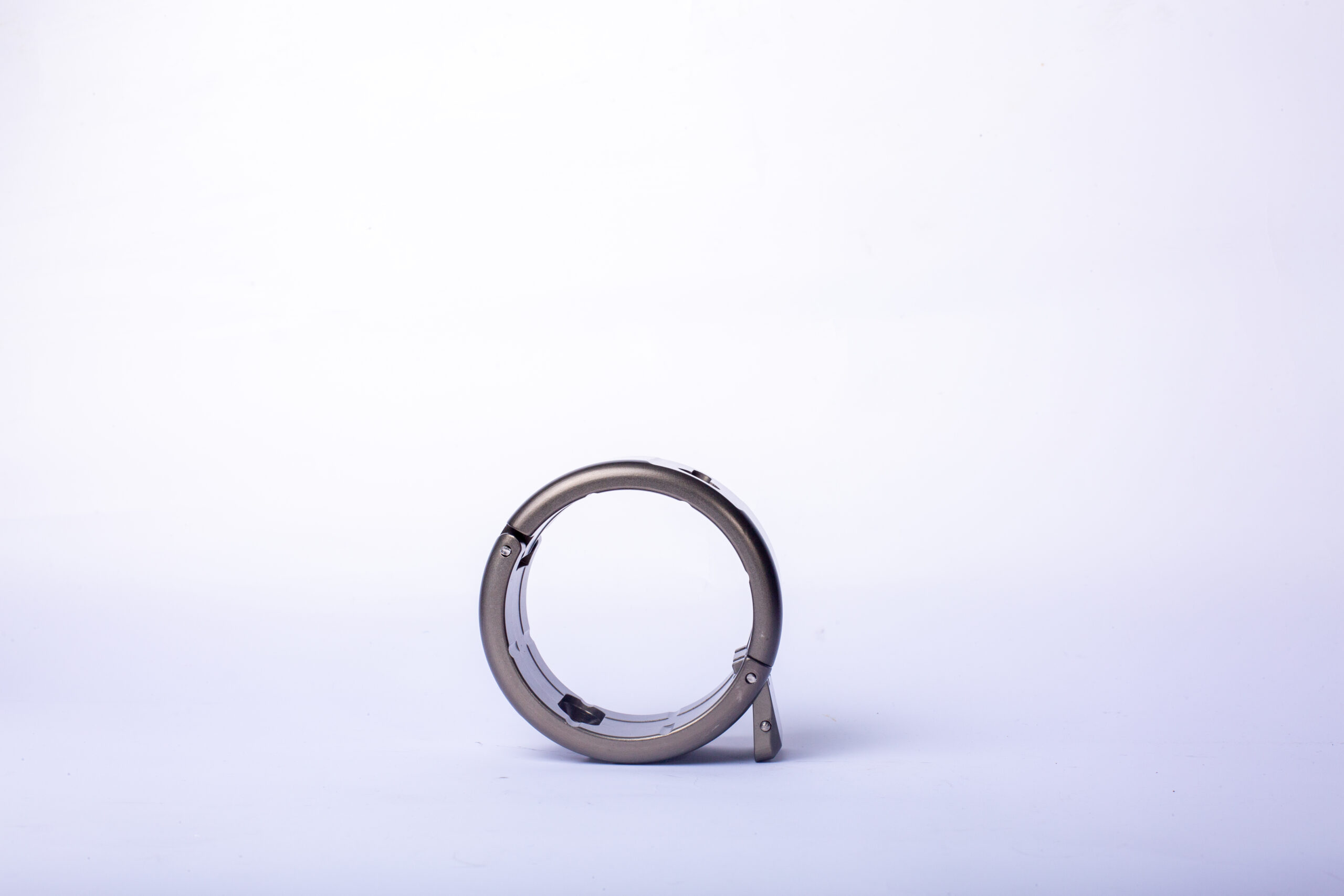
6.Are there alternatives to traditional machining for shaping and forming aluminum?
Yes, there are several alternatives to traditional machining for shaping and forming aluminum. These include:
-Casting: Casting is a process in which molten aluminum is poured into a mold and allowed to cool and solidify. This is a great way to create complex shapes and parts with a high degree of accuracy.
-Extrusion: Extrusion is a process in which aluminum is forced through a die to create a desired shape. This is a great way to create parts with a consistent cross-section.
-Forging: Forging is a process in which aluminum is heated and then hammered or pressed into a desired shape. This is a great way to create parts with a high degree of strength and durability.
-Stamping: Stamping is a process in which aluminum is cut and formed into a desired shape using a die. This is a great way to create parts with a high degree of accuracy and repeatability.
7.What is aluminum machining?
We have advantages in marketing and channel expansion. Suppliers have established good cooperative relations, continuously improved workflows, improved efficiency and productivity, and provided customers with high -quality products and services.
Aluminum machining is the process of cutting, drilling, grinding, and shaping aluminum materials to create parts and components for a variety of applications. It is a process that requires specialized tools and techniques to ensure accuracy and precision. Aluminum machining is used in a variety of industries, including aerospace, automotive, and medical.
8.Can aluminum be machined to create threads or other internal features?
We continue to invest in research and development and continue to launch innovative products.
Yes, aluminum can be machined to create threads or other internal features. Machining aluminum requires specialized tools and techniques, such as tapping, thread milling, and drilling. It is important to use the correct cutting tools and speeds to ensure a successful outcome.
9.How can these problems be solved or prevented?
We pay attention to the transformation of intellectual property protection and innovation achievements. Your OEM or ODM order design we have a complete confidentiality system.
1. Poor communication: Poor communication can be solved or prevented by establishing clear communication channels, setting expectations, and having regular check-ins. Additionally, having a culture of open communication and feedback can help to ensure that everyone is on the same page.
2. Lack of trust: Lack of trust can be solved or prevented by building relationships, being transparent, and having open and honest conversations. Additionally, having a culture of accountability and respect can help to foster trust.
3. Unclear roles and responsibilities: Unclear roles and responsibilities can be solved or prevented by having a clear job description, setting expectations, and having regular check-ins. Additionally, having a culture of collaboration and feedback can help to ensure that everyone is on the same page.
10.What are the different types of aluminum machining techniques?
We pay attention to the introduction and training of talents, scientifically regulate the management system, and focus on cultural construction and team cohesion.
1. Milling: This is a subtractive machining process that uses a rotating cutting tool to remove material from the surface of a workpiece.
2. Turning: This is a subtractive machining process that uses a rotating cutting tool to shape the outside diameter of a workpiece.
3. Drilling: This is a subtractive machining process that uses a rotating cutting tool to create a hole in a workpiece.
4. Boring: This is a subtractive machining process that uses a rotating cutting tool to enlarge an existing hole in a workpiece.
5. Reaming: This is a subtractive machining process that uses a rotating cutting tool to finish the surface of a hole in a workpiece.
6. Sawing: This is a subtractive machining process that uses a rotating cutting tool to cut a workpiece into two or more pieces.
7. Grinding: This is an abrasive machining process that uses a rotating grinding wheel to remove material from the surface of a workpiece.
8. Honing: This is an abrasive machining process that uses a rotating honing stone to finish the surface of a hole in a workpiece.
9. EDM (Electrical Discharge Machining): This is a non-traditional machining process that uses electrical sparks to remove material from the surface of a workpiece.
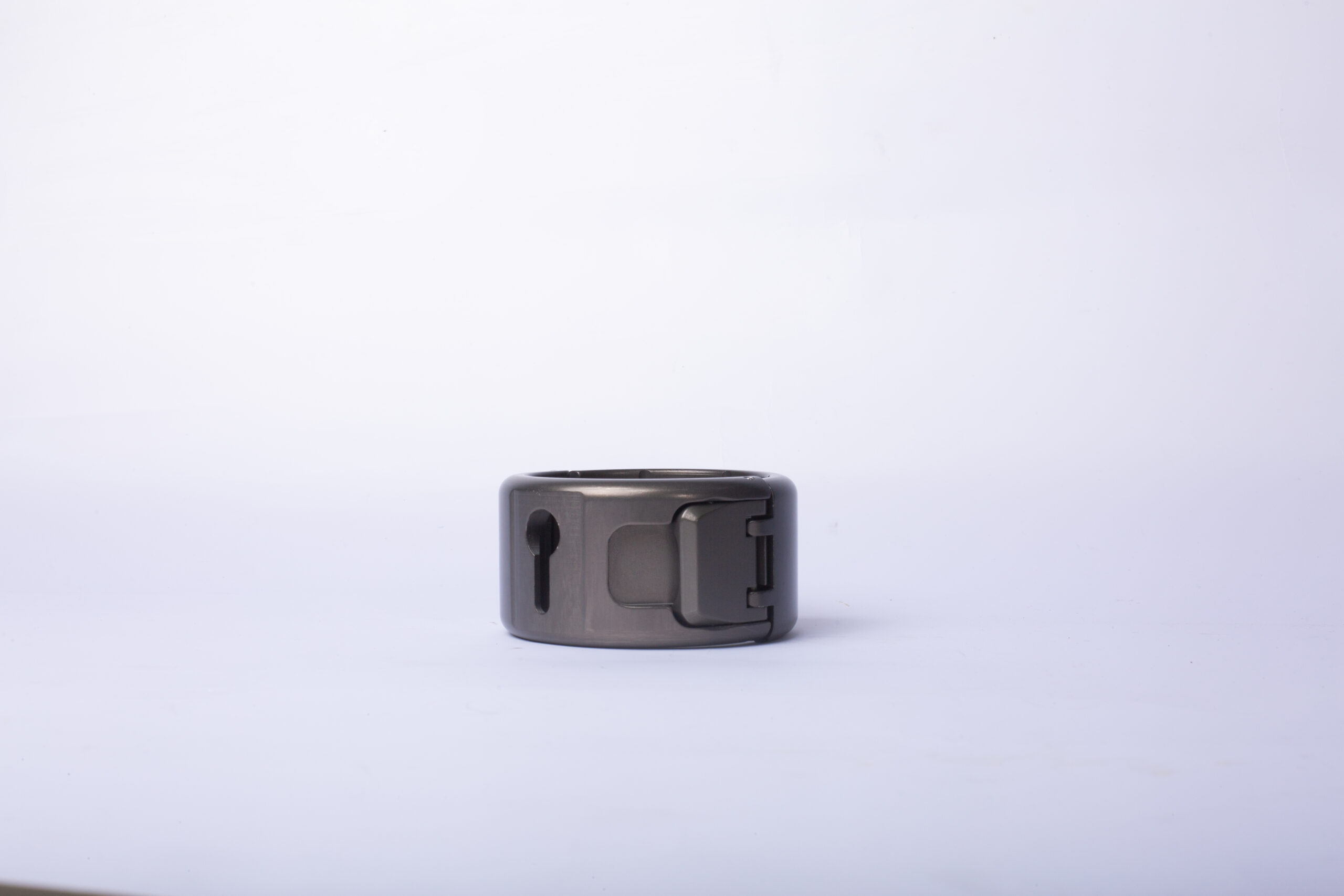
11.How does the type and grade of aluminum affect the machining process?
We continuously upgrade our skills and knowledge to adapt to changing custom aluminum machining service market needs.
The type and grade of aluminum affects the machining process in several ways. The hardness of the aluminum affects the cutting speed, feed rate, and depth of cut. Softer aluminum grades are easier to machine, while harder grades require slower cutting speeds and shallower depths of cut. The type of aluminum also affects the type of cutting tools used. For example, aluminum alloys with high silicon content require carbide tools, while aluminum alloys with low silicon content can be machined with high-speed steel tools. Additionally, the type and grade of aluminum affects the type of coolant used. Some aluminum alloys require special coolants to prevent corrosion and reduce friction.
12.What are the properties of aluminum that make it suitable for machining?
We are committed to providing personalized solutions and established long -term strategic cooperative relationships with customers.
1. Aluminum is lightweight and strong, making it easy to machine and shape.
2. Aluminum has a low melting point, which makes it easier to cut and shape.
3. Aluminum is corrosion-resistant, making it suitable for machining in wet or humid environments.
4. Aluminum has a high thermal conductivity, which makes it suitable for machining at high speeds.
5. Aluminum is non-magnetic, making it suitable for machining in areas with strong magnetic fields.
6. Aluminum is non-toxic, making it safe to use in machining operations.
7. Aluminum is ductile, making it easy to form and shape.
8. Aluminum is malleable, making it easy to work with.
9. Aluminum is non-sparking, making it suitable for machining in hazardous environments.
13.How can warping and distortion be prevented during aluminum machining?
We have advanced production equipment and technology to meet the needs of customers, and can provide customers with high quality, low priced custom aluminum machining service products.
Warping and distortion during aluminum machining can be prevented by using a rigid setup, using a sharp cutting tool, using a coolant, and using a slower cutting speed. Additionally, using a high-quality cutting tool and ensuring that the cutting tool is properly aligned with the workpiece can help reduce warping and distortion. Finally, using a chip breaker or chip breaker insert can help reduce the amount of heat generated during machining, which can help reduce warping and distortion.
14.What are the differences between milling and turning in aluminum machining?
Our custom aluminum machining service products have competitive and differentiated advantages, and actively promote digital transformation and innovation.
Milling and turning are two different machining processes used in aluminum machining.
Milling is a subtractive process that uses a rotating cutting tool to remove material from the workpiece. It is typically used to create complex shapes and contours, as well as to produce flat surfaces. Milling is often used to create features such as slots, pockets, and grooves.
Turning is a subtractive process that uses a cutting tool to remove material from the workpiece. It is typically used to create cylindrical shapes and features such as threads, grooves, and tapers. Turning is often used to create features such as holes, slots, and contours.
The main difference between milling and turning is the type of cutting tool used. Milling uses a rotating cutting tool, while turning uses a stationary cutting tool. Additionally, milling is typically used to create complex shapes and contours, while turning is used to create cylindrical shapes and features.
15.Can aluminum be machined using multiple axis machines?
We should perform well in market competition, and the prices of custom aluminum machining service products have a great competitive advantage.
Yes, aluminum can be machined using multiple axis machines. Multiple axis machines are used to create complex shapes and parts with high precision. They are often used to machine aluminum parts because of its high strength-to-weight ratio and its ability to be machined with high accuracy.
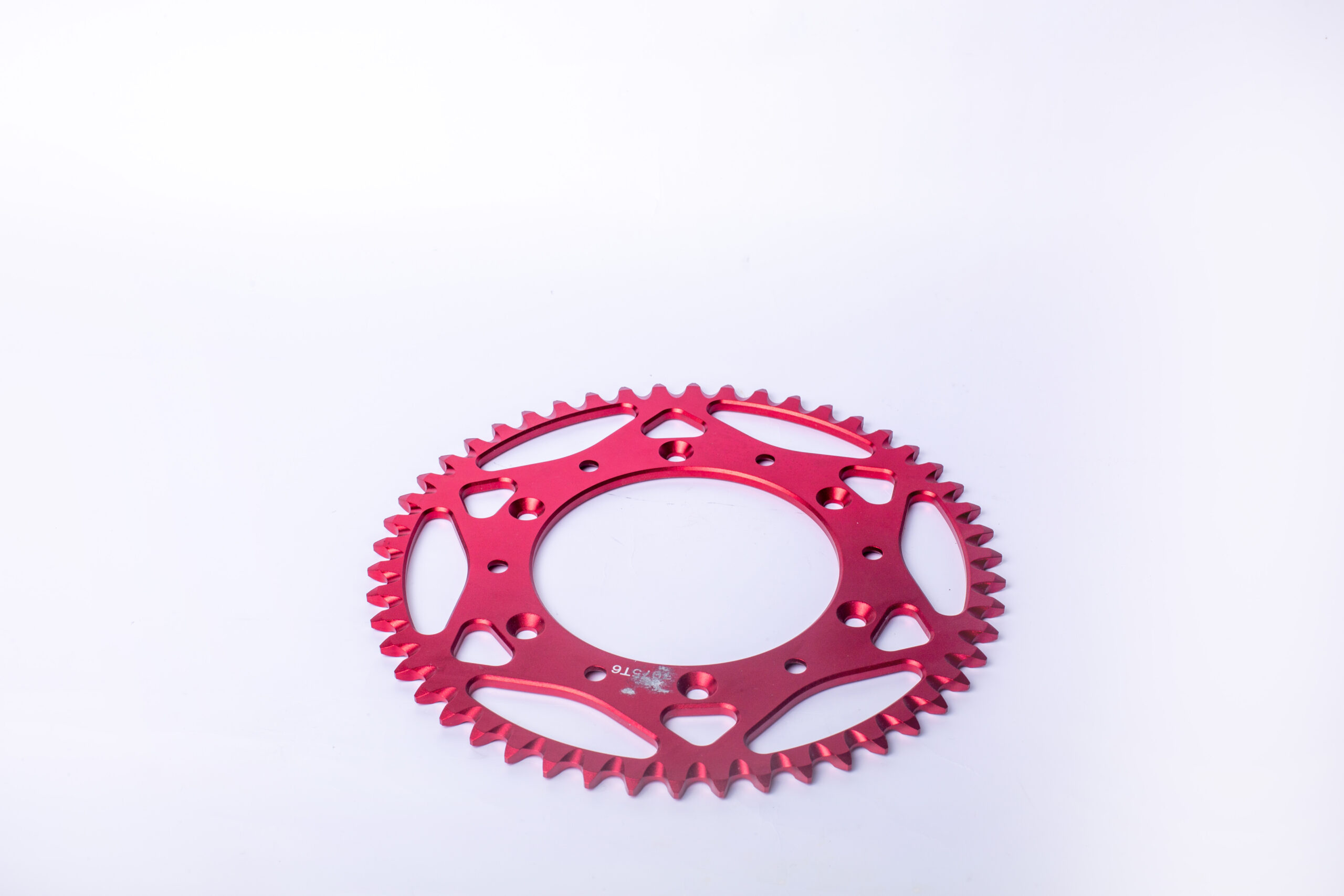
16.Can aluminum be machined to create prototypes or one-of-a-kind parts?
We maintain a stable growth through reasonable capital operations, focus on industry development trends and cutting -edge technologies, and focus on product quality and safety performance.
Yes, aluminum can be machined to create prototypes or one-of-a-kind parts. Aluminum is a popular material for machining because it is lightweight, strong, and corrosion-resistant. It is also relatively easy to machine, making it a great choice for creating custom parts.
Tag:aluminum machining tolerance,china aluminum machining,cnc aluminum machining parts factories,aluminum machining service