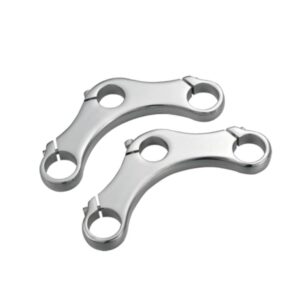
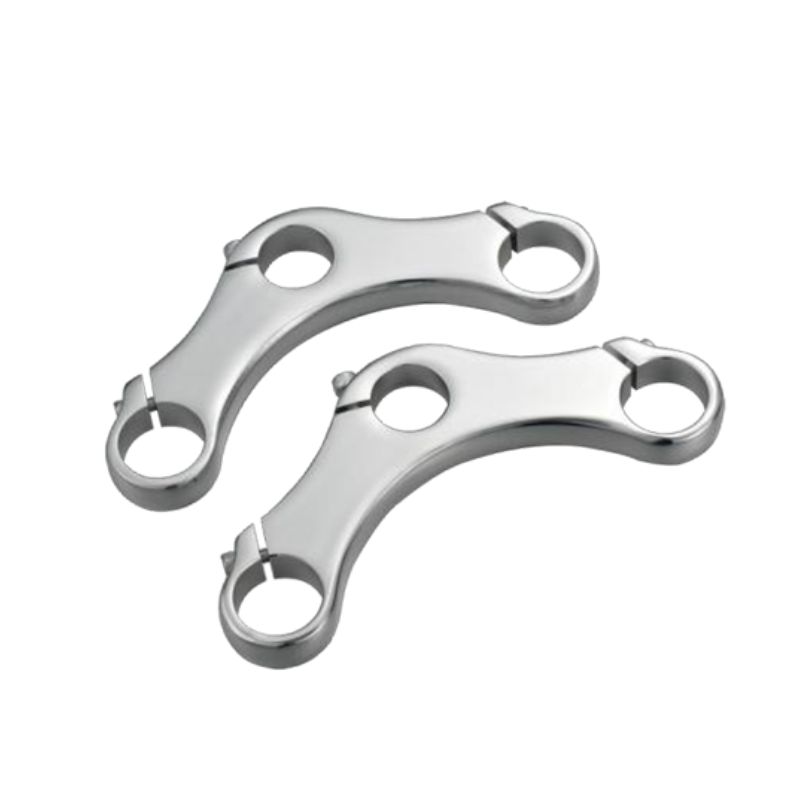
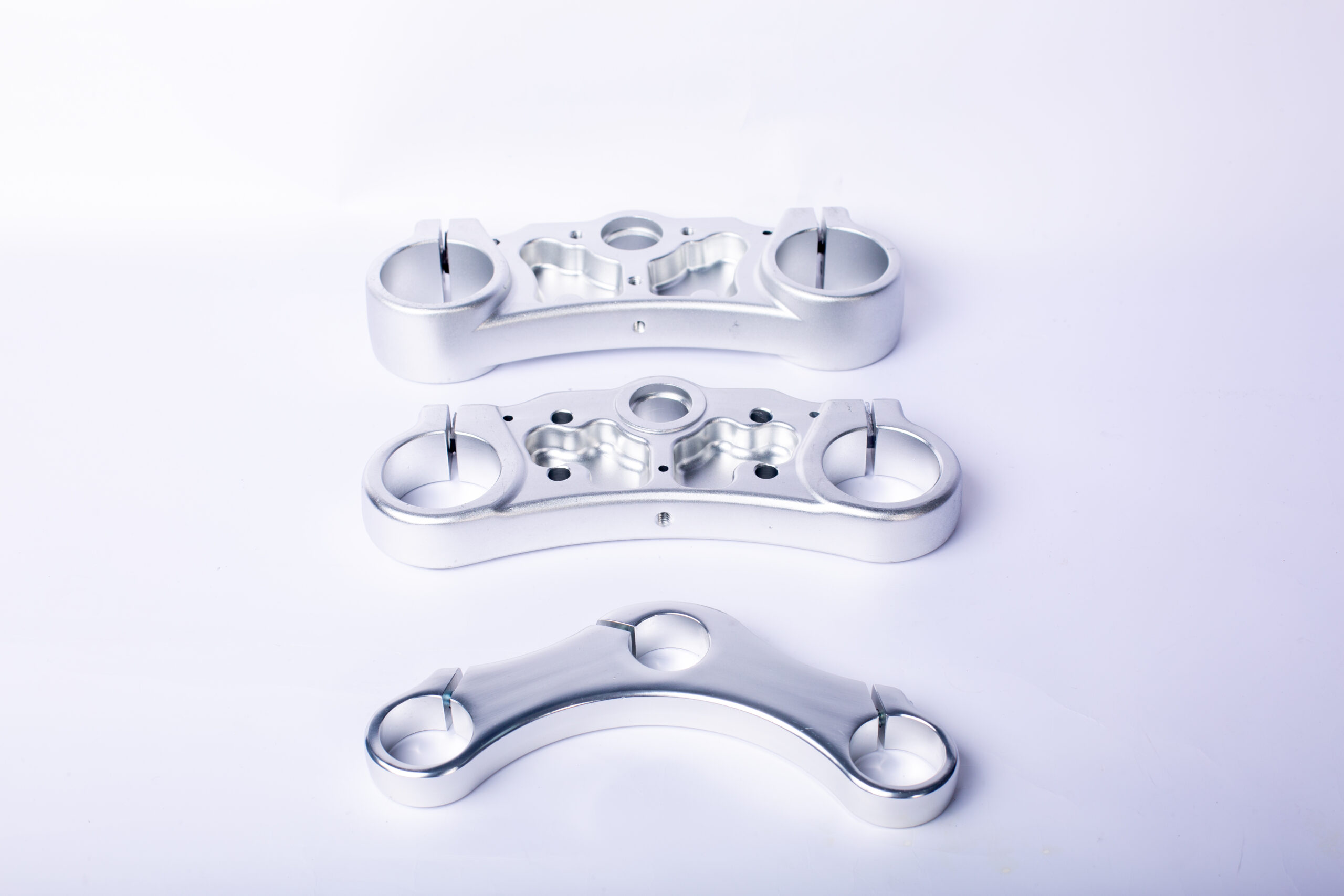
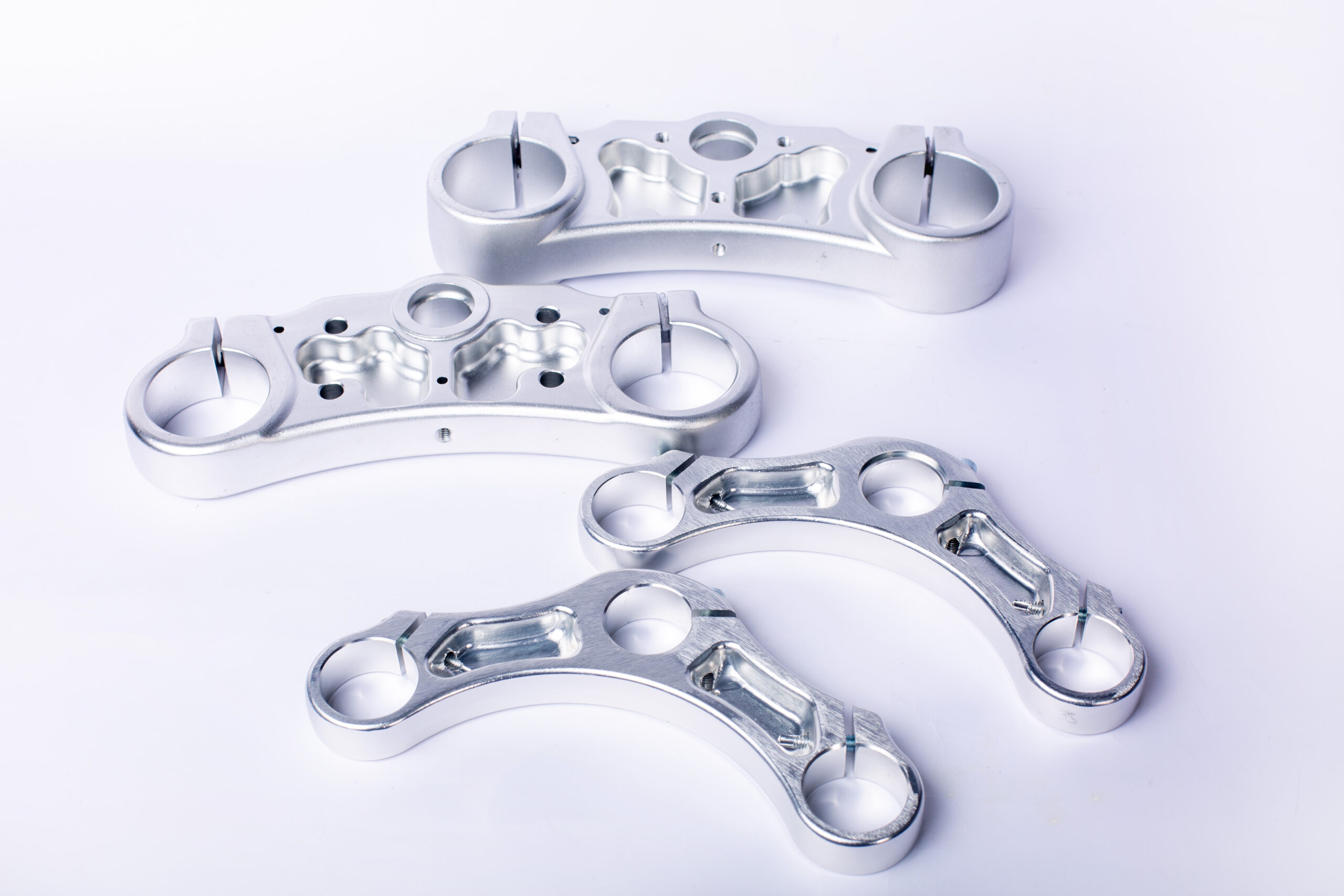
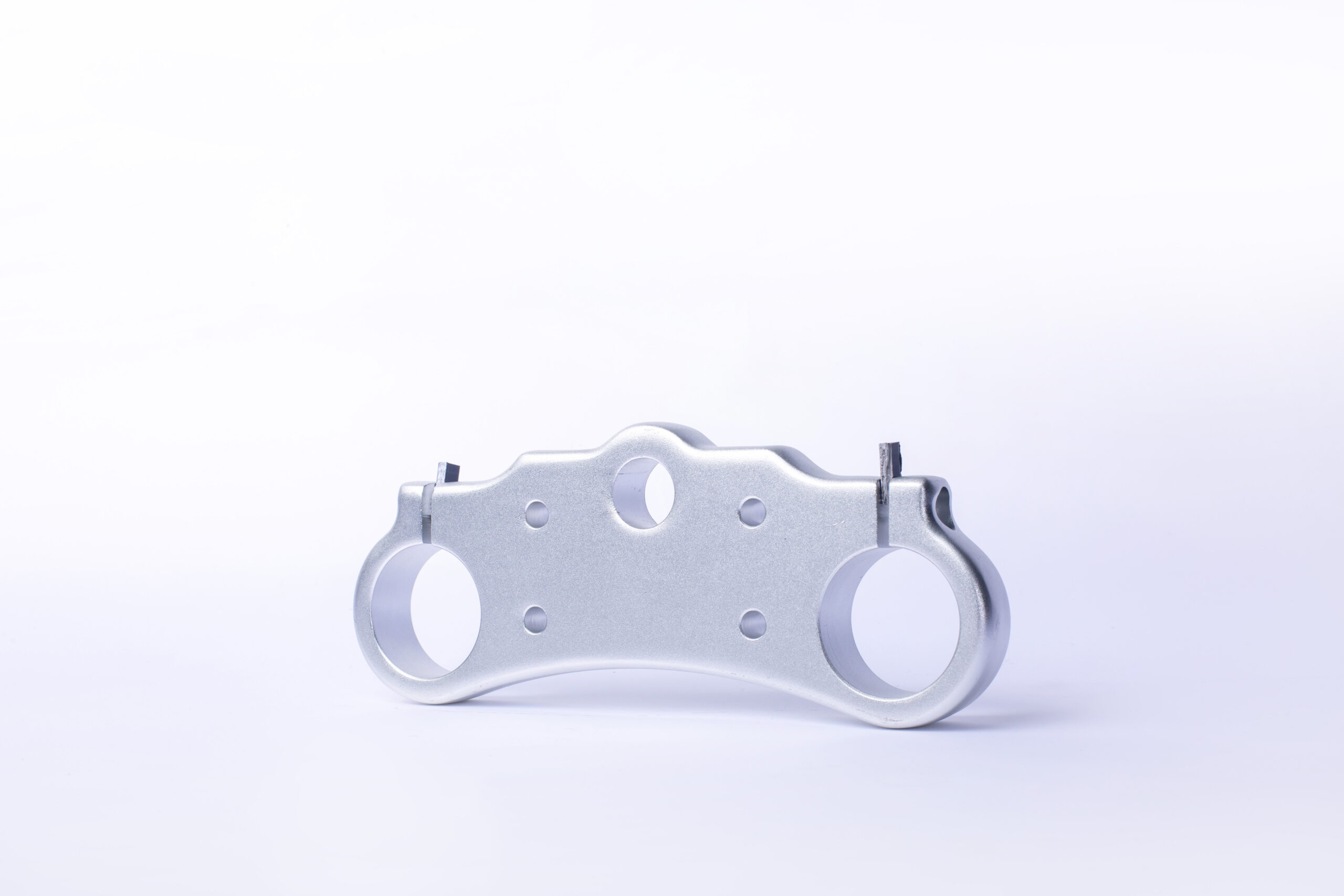
MINGYU Tech. is a leading manufacturer of custom aluminum parts for various industries including medical, telecommunications and defense. With over 20 years of experience, we have developed extensive expertise in oem aluminum machining including 6061, 7075 and 2024. Our state-of-the-art factory is equipped with the latest CNC machine tools and inspection equipment to ensure the highest level of machining accuracy and quality. We also offer secondary services such as heat treatment, electroplating and passivation to meet specific customer requirements.
oem aluminum machining is a process that involves shaping, cutting, and drilling aluminum to create various products. It is a versatile and widely used manufacturing method that allows for the production of aluminum parts with high precision and accuracy.
One of the main advantages of oem aluminum machining is its lightweight nature. As a lightweight metal, aluminum is highly favored in industries such as aerospace, automotive, and electronics, where weight is a crucial factor. With the use of advanced machining techniques, aluminum can be shaped into complex and intricate designs while maintaining its strength and durability.
Another benefit of oem aluminum machining is its excellent corrosion resistance. This makes it an ideal choice for outdoor applications and harsh environments. Additionally, the non-magnetic properties of aluminum make it suitable for use in electronic equipment where magnetic interference needs to be avoided.
| Service | CNC Turning, CNC Milling , Laser Cutting, Bending, Stamping, |
| Materials | Stainless steel,Steel,Brass,Aluminum,Plastic |
| Surface Treatment |
Anodize, Bead blasted, Silk Screen, Plating, Zinc/Nickel/ Plating, Electro Plating,Polishing, Knurl, Laser/Etch/Engrave etc. |
| Drawing Accepted | Stp, Step, IGS, Xt, AutoCAD(DXF, DWG), PDF, or Samples |
| Tolerance | 0.01- +/-0.002mm |
| Lead Time | 1-2 weeks for samples, 3-4 weeks for mass production |
| Quality Assurance | ISO9001:2018, ISO13485:2019, SGS, RoHs, |
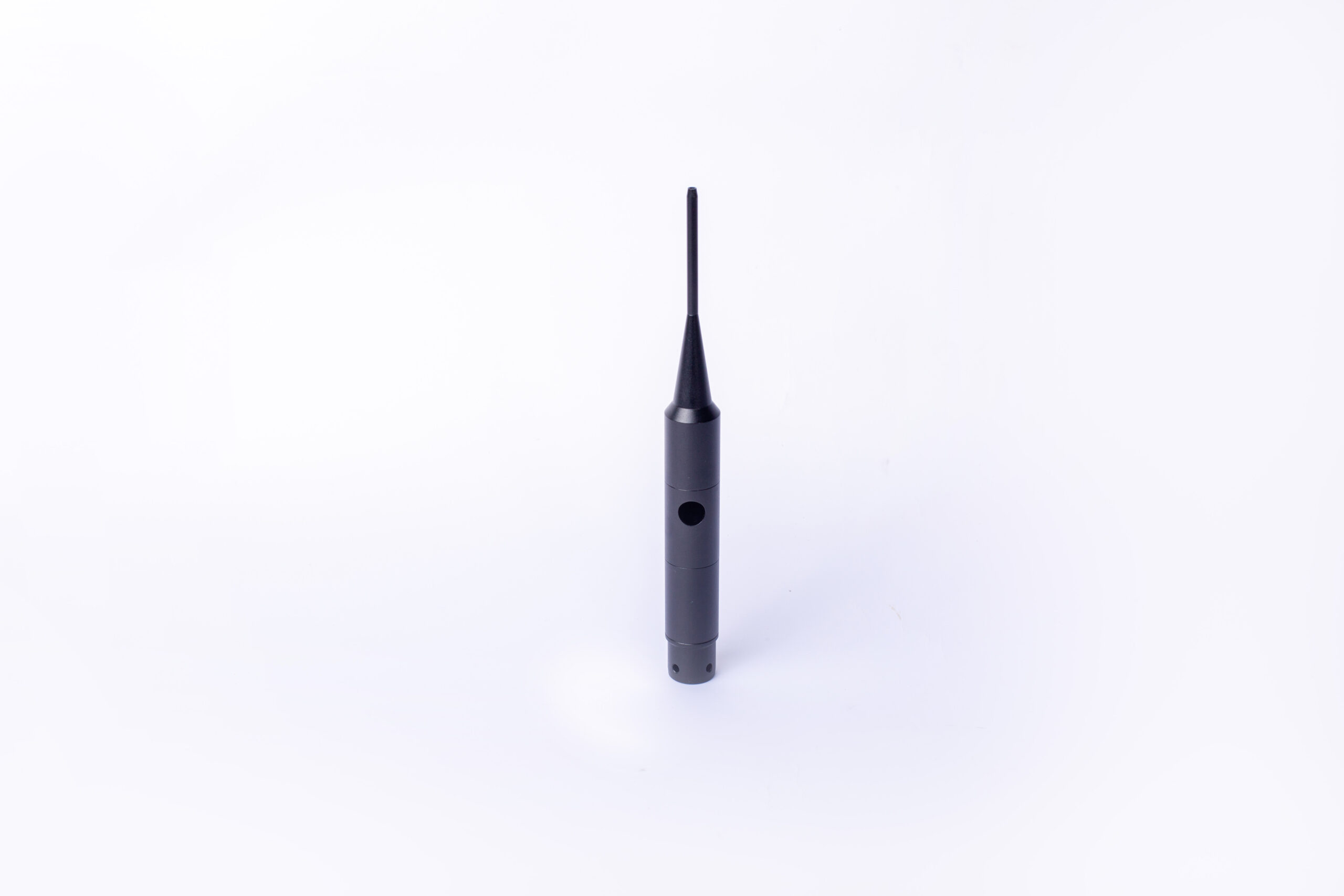


oem aluminum machining FAQs Guide.
Our company specializes in providing high-quality oem aluminum machining services for a variety of industries. With years of experience, state-of-the-art equipment, and a dedicated team, we pride ourselves on delivering precision and top-notch results for our customers. we will outline our capabilities and processes, and provide examples of the aluminum products we can create. We are confident that our oem aluminum machining services will meet and exceed your expectations.
1.How does the thickness of the aluminum affect the machining process?
The thickness of the aluminum affects the machining process in several ways. Thicker aluminum requires more cutting force and can cause more wear on the cutting tools. It also requires more time to machine, as the cutting tools must move more slowly to ensure a clean cut. Additionally, thicker aluminum can cause more vibration during the machining process, which can lead to poor surface finish and accuracy.
2.How can these problems be solved or prevented?
We pay attention to the transformation of intellectual property protection and innovation achievements. Your OEM or ODM order design we have a complete confidentiality system.
1. Poor communication: Poor communication can be solved or prevented by establishing clear communication channels, setting expectations, and having regular check-ins. Additionally, having a culture of open communication and feedback can help to ensure that everyone is on the same page.
2. Lack of trust: Lack of trust can be solved or prevented by building relationships, being transparent, and having open and honest conversations. Additionally, having a culture of accountability and respect can help to foster trust.
3. Unclear roles and responsibilities: Unclear roles and responsibilities can be solved or prevented by having a clear job description, setting expectations, and having regular check-ins. Additionally, having a culture of collaboration and feedback can help to ensure that everyone is on the same page.
3.What are some common challenges faced when machining aluminum?
We focus on our customers’ needs and strive to meet their expectations, so we take this very seriously.
1. Aluminum is a soft metal, which can cause it to deform or tear during machining.
2. Aluminum has a tendency to stick to the cutting tool, which can cause it to clog and reduce the life of the tool.
3. Aluminum is prone to heat build-up, which can cause it to warp or distort during machining.
4. Aluminum is prone to galling, which is when two pieces of metal stick together due to friction.
5. Aluminum is prone to work hardening, which can cause it to become brittle and difficult to machine.
4.How does the machining process differ for aluminum compared to other metals?
oem aluminum machining is not a product only, but also can help you comes to money-making.
The machining process for aluminum is generally more difficult than for other metals due to its low thermal conductivity and high reactivity. Aluminum is more prone to work hardening, which can lead to increased tool wear and shorter tool life. Additionally, aluminum is more difficult to machine due to its tendency to stick to the cutting tool, resulting in increased cutting forces and higher cutting temperatures. To reduce these issues, aluminum machining requires higher cutting speeds, increased coolant flow, and the use of specialized cutting tools.

5.How does the cost of aluminum machining compare to other metals?
We have rich industry experience and professional knowledge, and have strong competitiveness in the market.
The cost of aluminum machining is generally lower than other metals due to its low density and high thermal conductivity. Aluminum is also easier to machine than other metals, which can reduce machining costs. Additionally, aluminum is a non-ferrous metal, meaning it does not contain iron, which can reduce the cost of machining due to the lack of need for specialized tools.
6.How does the hardness of aluminum affect the machining process?
We have been working hard to improve service quality and meet customer needs.
The hardness of aluminum affects the machining process in several ways. Harder aluminum is more difficult to machine, as it requires more cutting force and higher cutting speeds. It also increases the wear on the cutting tools, resulting in shorter tool life. Harder aluminum also produces more heat during machining, which can lead to increased tool wear and decreased surface finish quality. Finally, harder aluminum is more prone to work hardening, which can lead to increased tool wear and decreased machinability.
7.What is the history of aluminum machining?
We have established a good reputation and reliable partnerships within the oem aluminum machining industry.
Aluminum machining has been around since the late 19th century. The first aluminum machining process was developed in 1885 by Charles Martin Hall and Paul Héroult, who developed a process for electrolytically extracting aluminum from its ore. This process was later refined and improved upon by other inventors, leading to the development of the modern aluminum machining process.
The first aluminum machining tools were developed in the early 20th century, and the first aluminum machining machines were developed in the 1930s. Since then, aluminum machining has become increasingly sophisticated, with the development of computer-controlled machining processes and the use of advanced materials and techniques. Today, aluminum machining is used in a wide variety of industries, from aerospace to automotive to medical.
8.What factors affect the speed and efficiency of aluminum machining?
We are a professional oem aluminum machining company dedicated to providing high quality products and services.
1. Tooling: The type of tooling used for aluminum machining can have a significant impact on the speed and efficiency of the process. For example, using a high-speed steel (HSS) tool can provide faster cutting speeds than a carbide tool.
2. Feed Rate: The feed rate of the cutting tool is also important for aluminum machining. A higher feed rate can increase the speed of the process, but it can also lead to increased tool wear and decreased tool life.
3. Cutting Fluids: The use of cutting fluids can help to reduce friction and heat during aluminum machining, which can improve the speed and efficiency of the process.
4. Cutting Parameters: The cutting parameters, such as the spindle speed, feed rate, and depth of cut, can all affect the speed and efficiency of aluminum machining.
5. Workpiece Material: The type of aluminum being machined can also affect the speed and efficiency of the process. For example, softer aluminum alloys can be machined faster than harder alloys.

9.What impact does the speed of cutting have on the final product in aluminum machining?
The speed of cutting has a significant impact on the final product in aluminum machining. A slower cutting speed will produce a better finish, while a faster cutting speed will produce a rougher finish. Slower cutting speeds also reduce the risk of tool breakage and heat build-up, which can cause warping and other defects. Additionally, slower cutting speeds can help to reduce the amount of material removed, which can help to reduce costs.
10.Can aluminum be machined with both traditional and CNC methods?
We have established long-term and stable partnerships with our suppliers, so we have great advantages in price and cost and quality assurance.
Yes, aluminum can be machined with both traditional and CNC methods. Traditional machining methods such as drilling, tapping, and milling can be used to shape aluminum, while CNC machining can be used to create more complex shapes and features.
11.What types of cutting fluids are recommended for aluminum machining?
We have a wide range of oem aluminum machining customer groups and establishes long -term cooperative relationships with partners. The countries we provide services include $keyworrd{国家变量}.
The most common types of cutting fluids recommended for aluminum machining are water-soluble oils, semi-synthetic fluids, and synthetic fluids. Water-soluble oils are the most economical and provide good lubrication and cooling. Semi-synthetic fluids are a combination of mineral oil and synthetic oil and provide better lubrication and cooling than water-soluble oils. Synthetic fluids are the most expensive but provide the best lubrication and cooling.
12.Can aluminum be machined using non-traditional processes, such as EDM or laser cutting?
We actively participate in the oem aluminum machining industry associations and organization activities. The corporate social responsibility performed well, and the focus of brand building and promotion
Yes, aluminum can be machined using non-traditional processes such as EDM (electrical discharge machining) and laser cutting. EDM is a process that uses electrical sparks to cut away material from a workpiece, while laser cutting uses a focused beam of light to cut away material. Both processes are used to create intricate shapes and patterns in aluminum.
13.Can aluminum be machined using both hand and power tools?
Our products & services cover a wide range of areas and meet the needs of different fields.
Yes, aluminum can be machined using both hand and power tools. Hand tools such as files, chisels, and hacksaws can be used to shape aluminum, while power tools such as drills, lathes, and milling machines can be used to create more precise shapes.
14.How does the use of coolant impact the machining process for aluminum?
We have a professional team that is committed to the innovation and development of oem aluminum machining.
The use of coolant in machining aluminum helps to reduce friction and heat buildup, which can cause the aluminum to warp or deform. Coolant also helps to flush away chips and debris, which can clog the cutting tool and reduce its effectiveness. Additionally, coolant helps to lubricate the cutting tool, which can improve the surface finish of the machined part.
15.What is the impact of heat on aluminum machining?
I have a comprehensive after -sales service system, which can pay attention to market trends in time and adjust our strategy in a timely manner.
Heat can have a significant impact on aluminum machining. Heat can cause the aluminum to expand, which can lead to increased tool wear, reduced tool life, and decreased machining accuracy. Heat can also cause the aluminum to become more brittle, which can lead to cracking and other damage to the workpiece. Additionally, heat can cause the aluminum to become more difficult to machine, resulting in increased cutting forces and decreased surface finish.
16.How long has aluminum machining been around?
Being one of the top oem aluminum machining manufacturers in China, We attach great importance to this detail.
Aluminum machining has been around since the late 19th century. The first aluminum machining process was developed in 1885 by Charles Martin Hall and Paul Héroult.

Tag:aluminum machining part suppliers,oem aluminum machining,cnc aluminum machining center,china aluminum machining suppliers