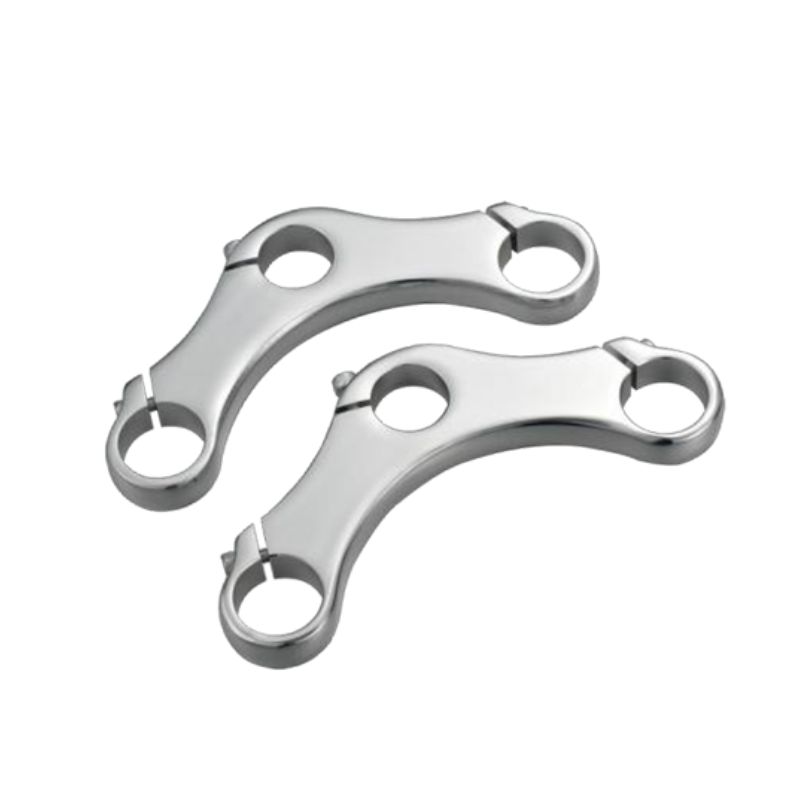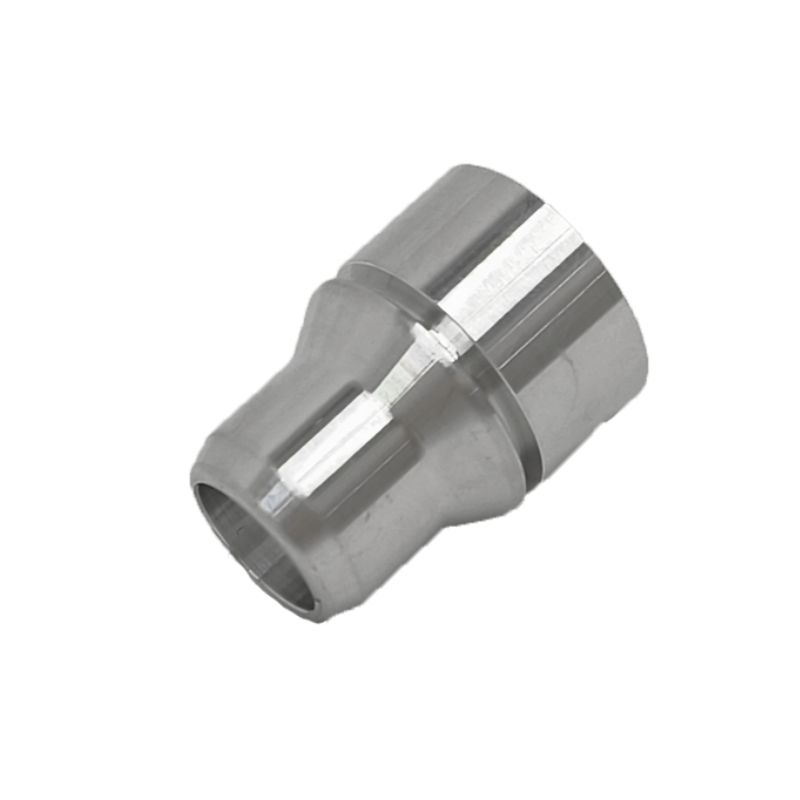
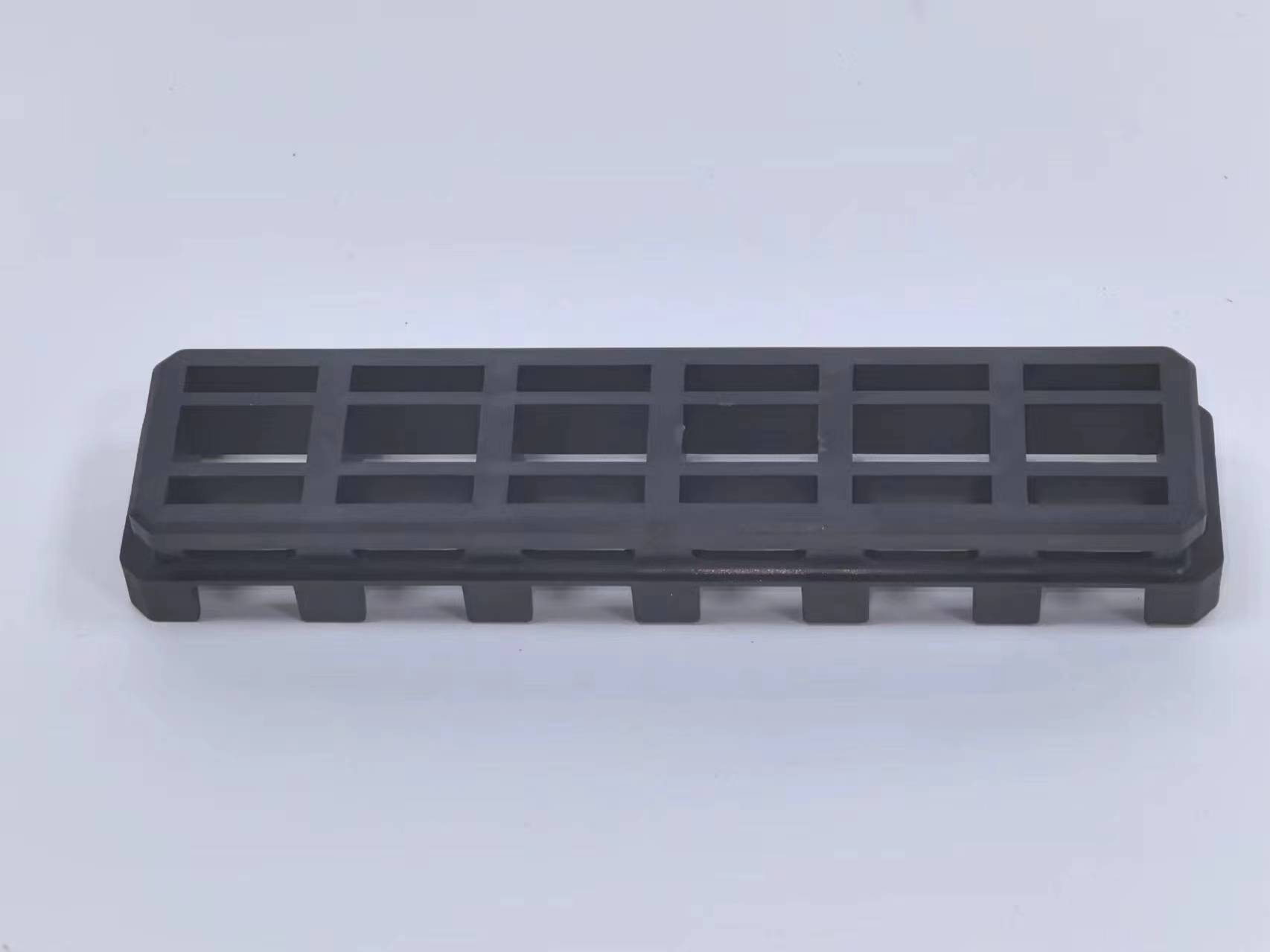
Mechanical plastics are a type of synthetic materials that are used extensively in the manufacturing and construction industries due to their versatility, durability, and cost-effectiveness. They are made from polymers, which are long chains of molecules that are formed through polymerization. The most common type of mechanical plastic used is thermoplastics, which can be melted and reshaped multiple times, making them ideal for various mechanical applications. In this guide, we will delve into the world of precision mechanical plastics processing and explore the various techniques, equipment, and applications.
Types of Mechanical Plastics
As mentioned earlier, thermoplastics are the most commonly used mechanical plastics due to their unique properties. They can be easily melted and reshaped multiple times, making them ideal for machining and molding. Some of the well-known thermoplastics used in precision mechanical plastics processing include polyethylene, polypropylene, and polystyrene.
Polyethylene is a lightweight, durable, and inexpensive plastic that is used in a variety of mechanical applications, such as packaging, pipes, and automotive parts. It is also relatively resistant to chemicals, making it suitable for industrial environments.
Polypropylene is another popular thermoplastic that is known for its high strength, rigidity, and chemical resistance. It is commonly used in the production of medical equipment, food containers, and household appliances.
Polystyrene, also known as Styrofoam, is a versatile plastic that is known for its excellent insulation properties. It is used in a wide range of products, including packaging materials, disposable cups and plates, and toys.
Apart from thermoplastics, there are also thermoset plastics, which are rigid and cannot be reshaped once cured. They are commonly used in applications that require high strength and durability, such as electronics, automotive parts, and aircraft components.
Precision Mechanical Plastics Processing Techniques
There are several techniques used in precision mechanical plastics processing, each with its own advantages and limitations. Some of the most commonly used techniques include:
Injection Molding: This is the most widely used technique in mechanical plastics processing, where melted plastic is injected into a mold and then cooled and solidified to form the desired shape. It is a cost-effective, efficient, and highly precise method, making it suitable for mass production of plastic parts.
Extrusion: In this technique, melted plastic is forced through a die to form a continuous profile, such as pipes, tubes, and sheets. The resulting products have a consistent cross-section and can be cut to any desired length. Extrusion is commonly used in the production of pipes, tubes, and films.
Compression Molding: Similar to injection molding, this technique involves compressing melted plastic in a mold to form the desired shape. It is commonly used for producing high-strength thermoset plastic products, such as electrical components and automotive parts.
Vacuum Forming: This technique involves heating a flat sheet of plastic and then molding it over a pre-made mold using vacuum pressure. It is a simple and cost-effective method of producing plastic products with complex shapes, such as packaging materials and display cases.
Thermoforming: In this technique, heated plastic sheets are formed around a mold using pressure and heat. It is commonly used for producing large, three-dimensional plastic parts, such as car bumpers and dashboards.
Equipment Used in Precision Mechanical Plastics Processing
To achieve high precision and accuracy in mechanical plastics processing, specialized equipment and tools are required. Some of the essential equipment used in the process include:
Injection Molding Machine: This is a crucial piece of equipment used for injection molding. It comprises a hopper, which stores the plastic pellets, a barrel, where the pellets are melted, and a mold, where the melted plastic is injected to form the desired shape.
Extruder: This is a machine used for extrusion, which consists of a screw that turns and pushes the melted plastic through the die to form a continuous profile. It also has a heating element to melt the plastic and a cooling system to solidify the plastic.
Molds and Dies: These are critical tools for precision mechanical plastics processing. Molds are used in injection molding, while dies are used in extrusion to give the plastic its final shape and dimensions.
CNC Machines: Computer Numerical Control (CNC) machines are used in precision mechanical plastics processing to control and automate processes such as drilling, cutting, and shaping. They offer high precision and repeatability, making them ideal for producing complex plastic parts.
Applications of Precision Mechanical Plastics Processing
The versatility, strength, and cost-effectiveness of mechanical plastics make them suitable for a wide range of applications in various industries. Some of the commonly used applications include:
Automotive: Mechanical plastics are used in the production of automotive parts such as bumpers, dashboards, and interior components due to their high strength and durability.
Electronics: Electronic devices, such as laptops, tablets, and smartphones, use mechanical plastics for their lightweight and shock-resistant properties.
Construction: Mechanical plastics are used extensively in the construction industry for applications such as pipes, fittings, window frames, and insulation materials.
Packaging: Due to their low cost, lightweight, and flexibility, mechanical plastics are widely used in the packaging industry for creating containers, bottles, and films.
Precision mechanical plastics processing is a crucial part of today’s manufacturing and construction industries. With the various processing techniques, equipment, and applications, mechanical plastics have revolutionized the production of durable, lightweight, and cost-effective products. As technology continues to advance, we can expect to see even more innovations and developments in the field of precision mechanical plastics processing.
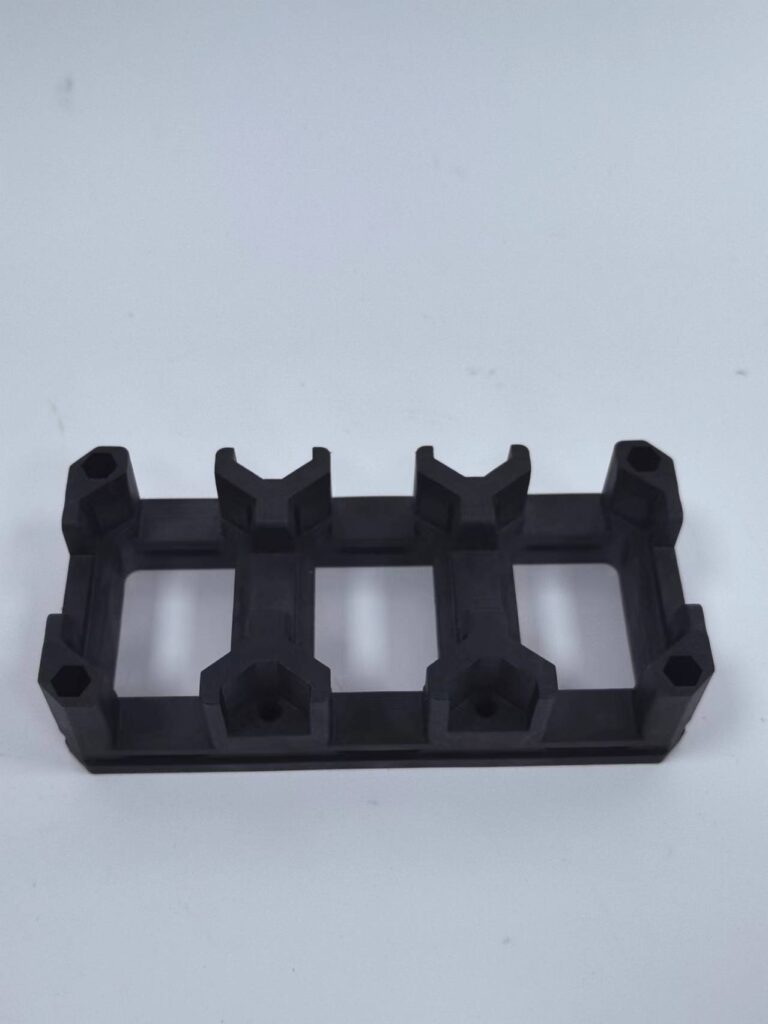
Our precision mechanical plastics processing service ensures the highest quality standards, delivering accurate and precise parts for your specific needs. Using state-of-the-art equipment and expert technicians, we are able to produce durable and reliable plastic products that meet your exact specifications. Trust us to provide excellent customer service and top-notch results for all your precision mechanical plastic needs.
1.What is the role of CAD/CAM software in precision mechanical plastic processing?
2.What is precision mechanical plastic processing?
3.What is the lead time for precision mechanical plastic processing?
4.How is the accuracy of precision mechanical plastic parts maintained?
5.Can precision mechanical plastic processing be used for both small and large production runs?
1.What is the role of CAD/CAM software in precision mechanical plastic processing?
CAD/CAM software is used to design and simulate the plastic part, determine the optimal manufacturing process, and generate the instructions for the CNC machines to produce precise and accurate parts.
2.What is precision mechanical plastic processing?
Precision mechanical plastic processing is the manufacturing process of creating complex and precise plastic parts using specialized machinery and techniques.
3.What is the lead time for precision mechanical plastic processing?
The lead time for precision mechanical plastic processing can vary depending on the complexity of the part, the production volume, and the specific requirements of the project. It can range from a few weeks to several months.

4.How is the accuracy of precision mechanical plastic parts maintained?
The accuracy of precision mechanical plastic parts is maintained through the use of precise machinery, strict quality control processes, and advanced software for design and production.
5.Can precision mechanical plastic processing be used for both small and large production runs?
Yes, precision mechanical plastic processing can be used for both small and large production runs. The process is easily scalable and can accommodate varying production volumes.