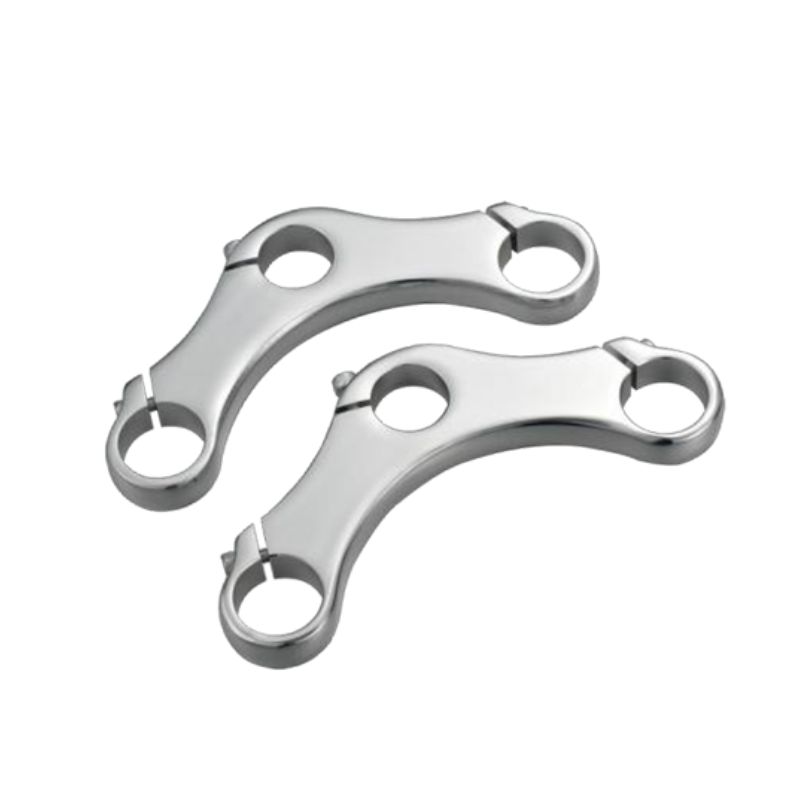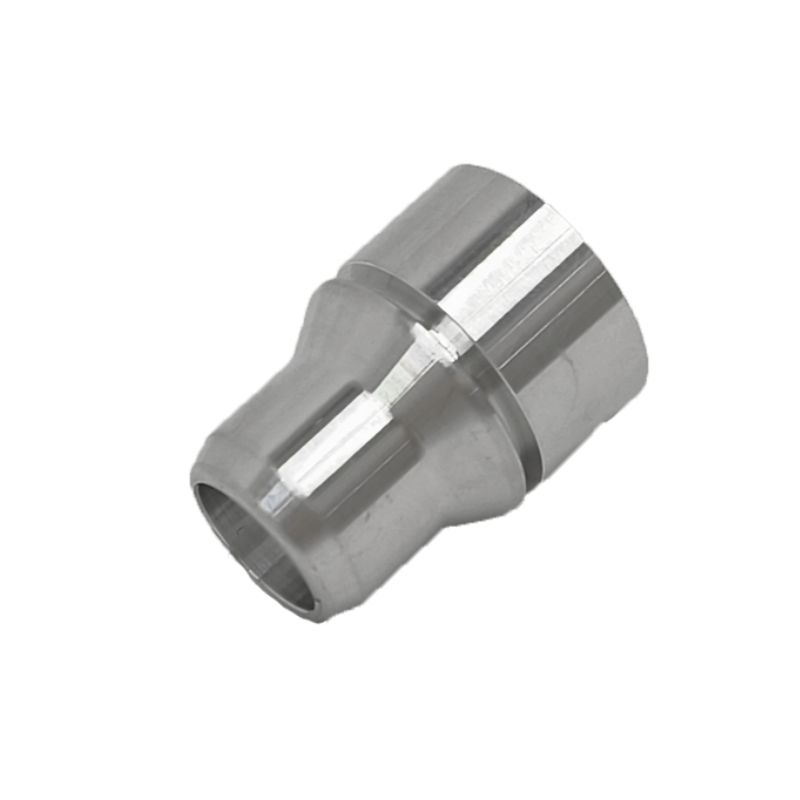

Precision mechanical plastics processing refers to the manufacturing process of creating high-quality plastic parts or components through precise and accurate techniques. This process is crucial in various industries, such as automotive, aerospace, medical, and consumer goods, where precise and reliable plastic parts are essential for the functioning of machinery and equipment.
Here are some key things you need to know about precision mechanical plastics processing:
- Materials Used:
The first step in precision mechanical plastics processing is selecting the right materials. Plastics used in this process include thermoplastics, thermosets, and elastomers. These materials offer a wide range of properties, such as heat resistance, chemical resistance, strength, and flexibility, making them suitable for various applications. - Injection Molding:
Injection molding is the most common technique used in precision mechanical plastics processing. It involves melting plastic pellets under high pressure and injecting the molten plastic into a mold. The mold is then cooled, and the plastic solidifies, taking the shape of the mold. This technique allows for the production of complex and precise plastic parts in large quantities. - CNC Machining:
CNC (Computer Numerical Control) machining is another popular method used in precision mechanical plastics processing. It involves using computer-controlled machinery to cut, drill, or mill plastic materials into desired shapes and sizes. CNC machining is highly accurate, allowing for the production of intricate and complex parts with tight tolerances. - 3D Printing:
3D printing, or additive manufacturing, is an emerging technique in precision mechanical plastics processing. It involves creating three-dimensional objects by adding layer upon layer of material using computer-aided design (CAD) data. This method is ideal for producing prototypes or small batches of plastic parts with highly complex geometries. - Design for Manufacturability:
Design for manufacturability (DFM) is a crucial aspect of precision mechanical plastics processing. It involves designing plastic parts or components with consideration for the manufacturing process. DFM ensures that the design is optimized for efficient production, reducing lead time and costs, and improving the quality of the final product. - Post-Processing:
After the plastic parts are created through injection molding, CNC machining, or 3D printing, some additional processes may be required to improve their functionality or appearance. These post-processing techniques include deburring, polishing, surface finishing, and painting. - Quality Control:
Precision mechanical plastics processing requires strict quality control measures to ensure that the final product meets the required specifications. Quality control measures include testing the materials, inspecting the parts during and after production, and performing functional tests to ensure the parts meet the necessary requirements. - Cost-Effective:
Precision mechanical plastics processing is a cost-effective manufacturing process compared to other techniques, such as metal manufacturing. The use of plastic materials and efficient production methods, such as injection molding and CNC machining, helps reduce production costs, making it a popular choice for many industries. - Application and Benefits:
Precision mechanical plastics processing has various applications in industries such as automotive, aerospace, medical, and consumer goods. It allows for the production of lightweight, durable, and high-performance plastic parts that can withstand various environments and operating conditions. This process also helps reduce the weight and complexity of machinery and equipment, leading to improved performance and efficiency. - Future of Precision Mechanical Plastics Processing:
The precision mechanical plastics processing industry is continually evolving, with advancements in technology and techniques. The demand for high-quality and precise plastic parts is increasing, and the industry is adopting more sustainable and efficient methods to meet these requirements. With the development of new materials and processes, the future of precision mechanical plastics processing holds great potential for growth and innovation.
precision mechanical plastics processing is a crucial manufacturing process that plays a significant role in various industries. It involves using precise and accurate techniques to produce high-quality plastic parts and components that are essential for the functioning of machinery and equipment. As technology continues to advance, precision mechanical plastics processing is expected to evolve further, resulting in improved efficiency, cost-effectiveness, and sustainability.
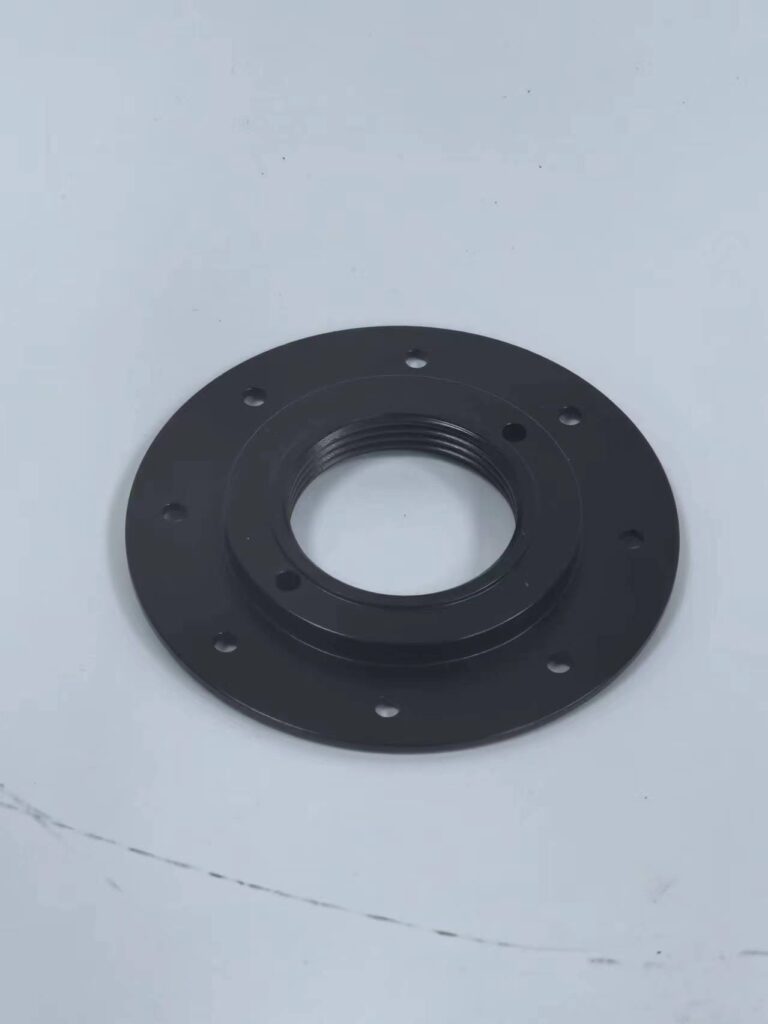
We offer innovative solutions for precision mechanical plastics processing, using advanced technology and techniques to produce custom parts with intricate designs and tight tolerances. Our engineering team works closely with clients to understand their needs and provide cost-effective solutions that meet their requirements. With our expertise and attention to detail, we guarantee top-notch results for your precision mechanical plastic projects.
1.What is the tolerance level for precision mechanical plastic parts?
2.How long does it typically take to produce a precision mechanical plastic part?
3.What is precision mechanical plastic processing?
4.Can precision mechanical plastic parts be used for high-precision applications?
5.How does precision mechanical plastic processing impact the overall product performance?
6.How is reliability ensured in precision mechanical plastic processing?
1.What is the tolerance level for precision mechanical plastic parts?
The tolerance level for precision mechanical plastic parts can vary depending on the complexity of the part and the specific requirements of the customer. It can range from +/- 0.005 inches to as low as +/- 0.0005 inches.
2.How long does it typically take to produce a precision mechanical plastic part?
The production time for a precision mechanical plastic part can vary depending on the complexity of the part, the material used, and the specific requirements of the customer. It can range from a few hours to several days.
3.What is precision mechanical plastic processing?
Precision mechanical plastic processing is the manufacturing process of creating complex and precise plastic parts using specialized machinery and techniques.
4.Can precision mechanical plastic parts be used for high-precision applications?
Yes, precision mechanical plastic parts can be used for high-precision applications, as they can be produced with tight tolerances and offer superior strength and durability.

5.How does precision mechanical plastic processing impact the overall product performance?
The use of precision mechanical plastic parts can greatly enhance product performance by providing lightweight and durable components that meet the necessary specifications and requirements.
6.How is reliability ensured in precision mechanical plastic processing?
Reliability is ensured through strict adherence to quality control processes, thorough testing and inspection, and the use of high-quality materials and equipment.