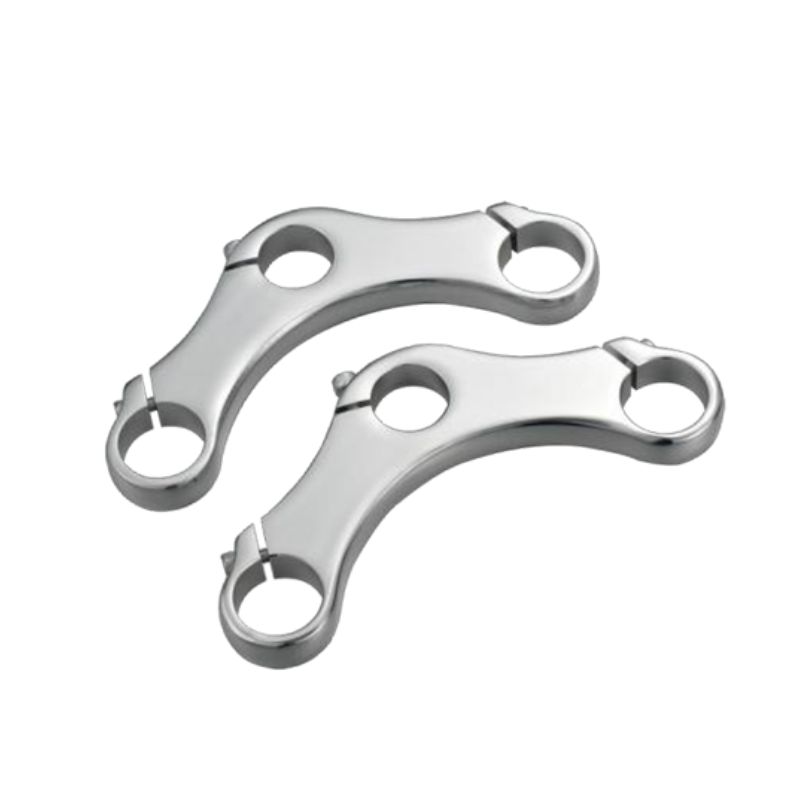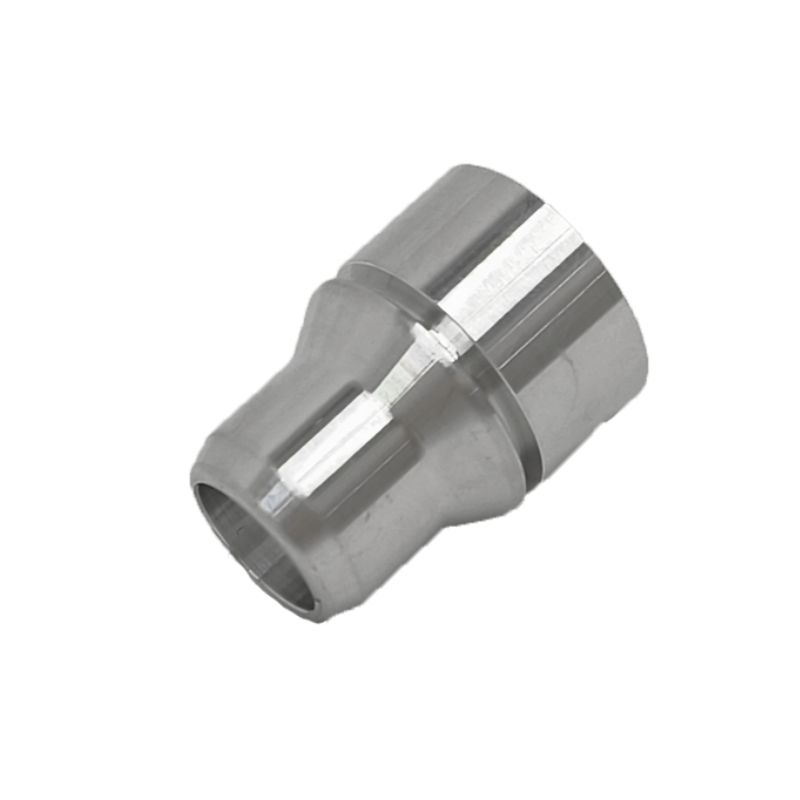
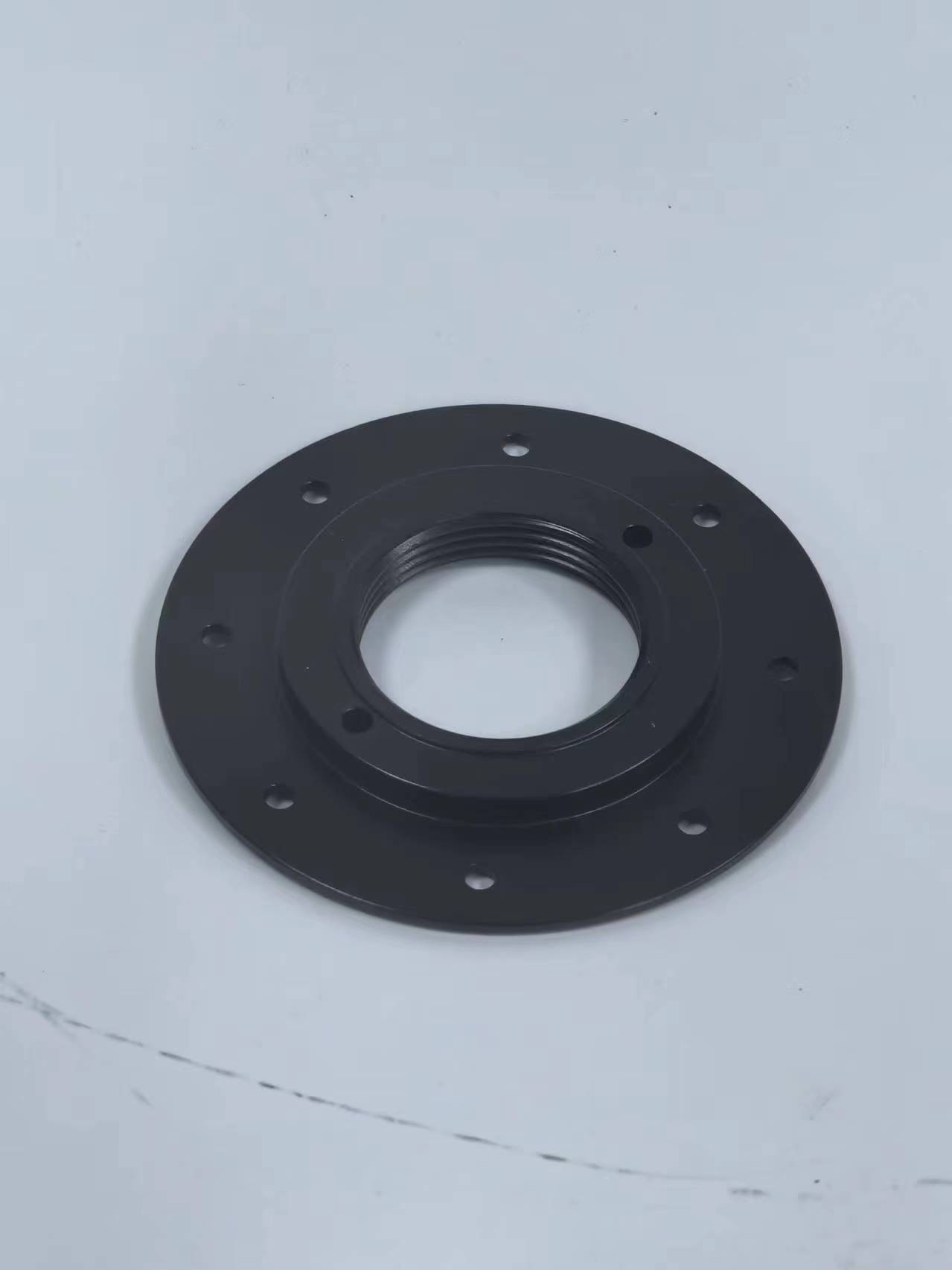
Precision mechanical plastics processing is the process of using specialized machinery and techniques to produce precise and high-quality plastic parts and components. It is a critical aspect of various industries, including automotive, aerospace, medical, and electronics. Choosing the right precision mechanical plastics processing can greatly impact the quality, cost, and delivery time of your products. In this article, we will discuss how to choose the best precision mechanical plastics processing for your specific needs.
- Know your requirements
Before choosing a precision mechanical plastics processing method, it is essential to understand your specific requirements. This includes factors such as the desired shape, size, and material of the plastic part, production volume, budget, and timeline. Different processing methods have varying capabilities and limitations, so it is crucial to choose one that aligns with your requirements to ensure a successful outcome.
- Consider the material and properties
Plastic materials come in a variety of forms, each with specific properties and characteristics. Some common plastic materials used in precision mechanical processing include acrylics, polycarbonates, nylon, and polypropylene. It is essential to select a processing method that is suitable for the type of plastic material you are using. For example, injection molding is suitable for producing complex shapes and high volume production, while CNC machining is suitable for smaller production runs and high-precision parts.
- Evaluate the accuracy and precision
Precision is a critical factor in precision mechanical plastics processing. It refers to the degree of correctness to which a part is made, while accuracy is the degree to which the part conforms to the intended design. It is crucial to choose a processing method that can produce the required precision and accuracy for your parts. For high-precision parts, methods like CNC machining or 3D printing can provide excellent results.
- Consider the complexity of the part
The complexity of the part also plays a significant role in choosing the right processing method. Some parts may have intricate designs, tight tolerances, or require multiple manufacturing operations, making them more challenging to produce. In such cases, processes like CNC machining or multi-axis milling may be more suitable. On the other hand, simpler parts with uniform shapes and sizes can be produced using methods like injection molding or vacuum forming.
- Look at production volume
The production volume is another crucial factor to consider when choosing a precision mechanical plastics processing method. For high-volume production, methods like injection molding or thermoforming are often the most cost-effective and efficient. However, for low volume production, methods like CNC machining or 3D printing may be a better choice as they can offer more flexibility and quicker turnaround times.
- Analyze cost and lead time
Cost and lead time are critical factors to consider when choosing a precision mechanical plastics processing method. Injection molding and thermoforming are often the most cost-effective for high-volume production, while methods like CNC machining and 3D printing may be more expensive but offer faster turnaround times. It is essential to weigh these factors carefully, along with your budget and timeline, to determine the most suitable approach for your project.
- Look for experience and expertise
Lastly, it is vital to consider the experience and expertise of the processing company. Look for a provider with a proven track record in producing high-quality plastic parts and components. They should have the necessary equipment, expertise, and quality control processes to meet your specific requirements and deliver the project within the agreed timeline and budget.
In conclusion, choosing the right precision mechanical plastics processing is crucial to the success of your project. By understanding your requirements, considering factors like materials, accuracy, complexity, production volume, cost, and lead time, and partnering with an experienced and reliable provider, you can ensure the production of high-quality and precise plastic parts that meet your needs.

With our advanced technology and skilled workforce, we specialize in precision mechanical plastics processing for complex and intricate parts. Our attention to detail and strict quality control measures ensure that every part we produce meets your exact specifications. Whether it’s for small components or large structures, we have the capabilities to produce high-precision plastic parts that meet your requirements.
1.How is the accuracy of precision mechanical plastic parts maintained?
2.Can precision mechanical plastic parts be used in harsh environments?
3.What are the potential challenges in precision mechanical plastic processing?
4.Are there any safety concerns associated with precision mechanical plastic processing?
5.What industries commonly use precision mechanical plastic processing?
6.How long does it typically take to produce a precision mechanical plastic part?
7.How does precision mechanical plastic processing differ from other manufacturing methods?
1.How is the accuracy of precision mechanical plastic parts maintained?
The accuracy of precision mechanical plastic parts is maintained through the use of precise machinery, strict quality control processes, and advanced software for design and production.
2.Can precision mechanical plastic parts be used in harsh environments?
Yes, precision mechanical plastic parts can be designed and manufactured to withstand harsh environments, as different plastic materials offer varying levels of resistance to temperature, chemicals, and other environmental factors.
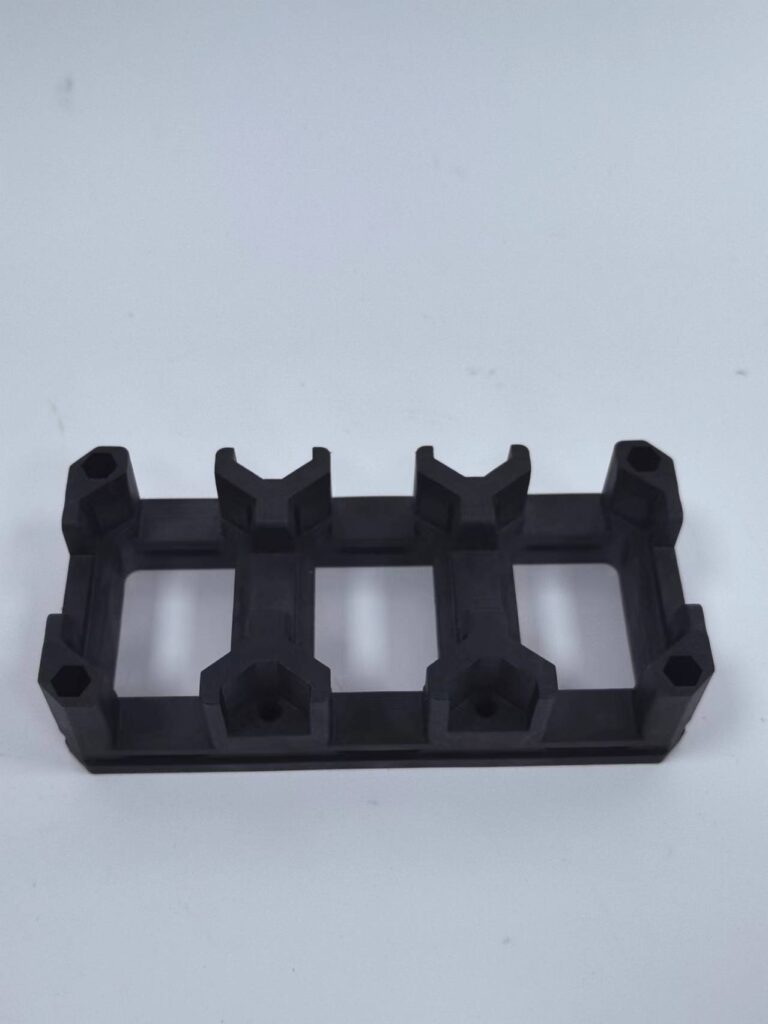
3.What are the potential challenges in precision mechanical plastic processing?
Some potential challenges include design flaws, material selection difficulties, and unforeseen production constraints that can affect the quality and efficiency of the process.
4.Are there any safety concerns associated with precision mechanical plastic processing?
Safety is a top priority in precision mechanical plastic processing, and special measures are taken to ensure the safety of workers, such as the use of personal protective equipment and proper training in handling machinery and chemicals.
5.What industries commonly use precision mechanical plastic processing?
Industries such as automotive, electronics, medical, and aerospace utilize precision mechanical plastic processing for the production of various components and parts.
6.How long does it typically take to produce a precision mechanical plastic part?
The production time for a precision mechanical plastic part can vary depending on the complexity of the part, the material used, and the specific requirements of the customer. It can range from a few hours to several days.
7.How does precision mechanical plastic processing differ from other manufacturing methods?
Precision mechanical plastic processing involves precise and intricate shaping and molding techniques, often using computer-aided design (CAD) and computer-aided manufacturing (CAM), to create highly accurate and complex plastic parts.