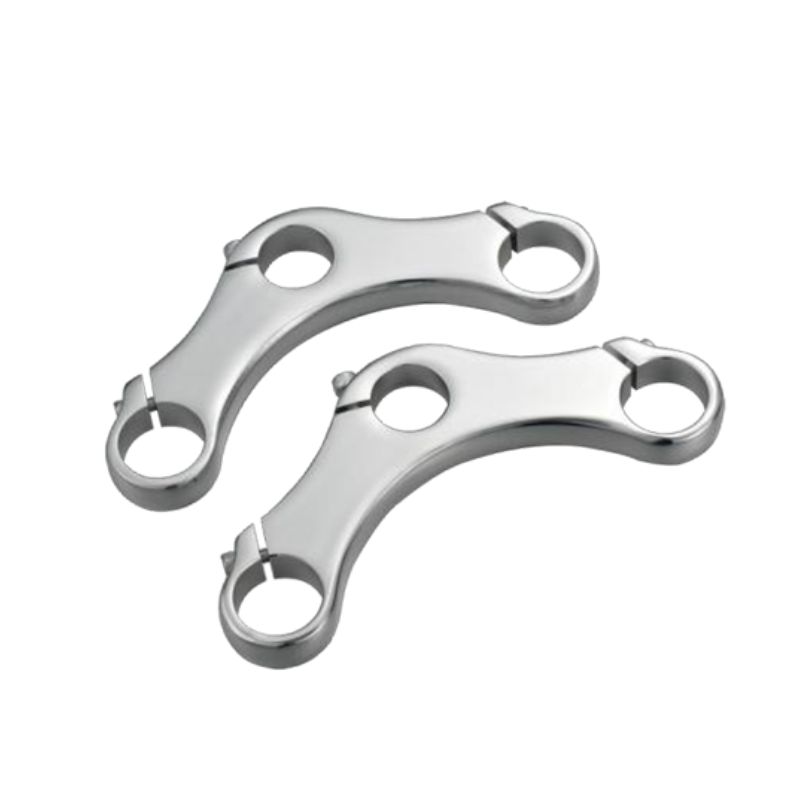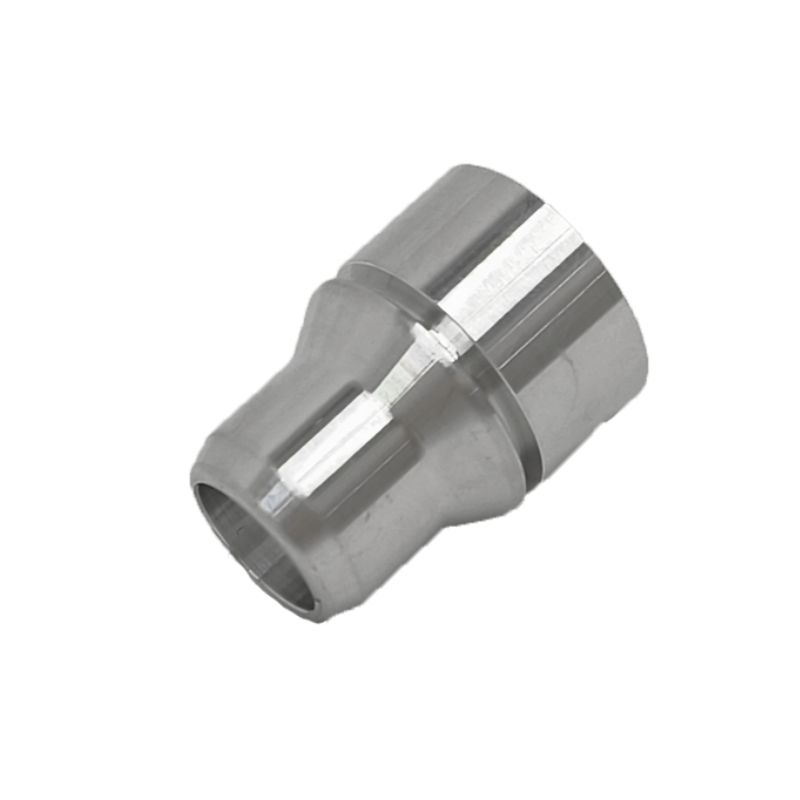
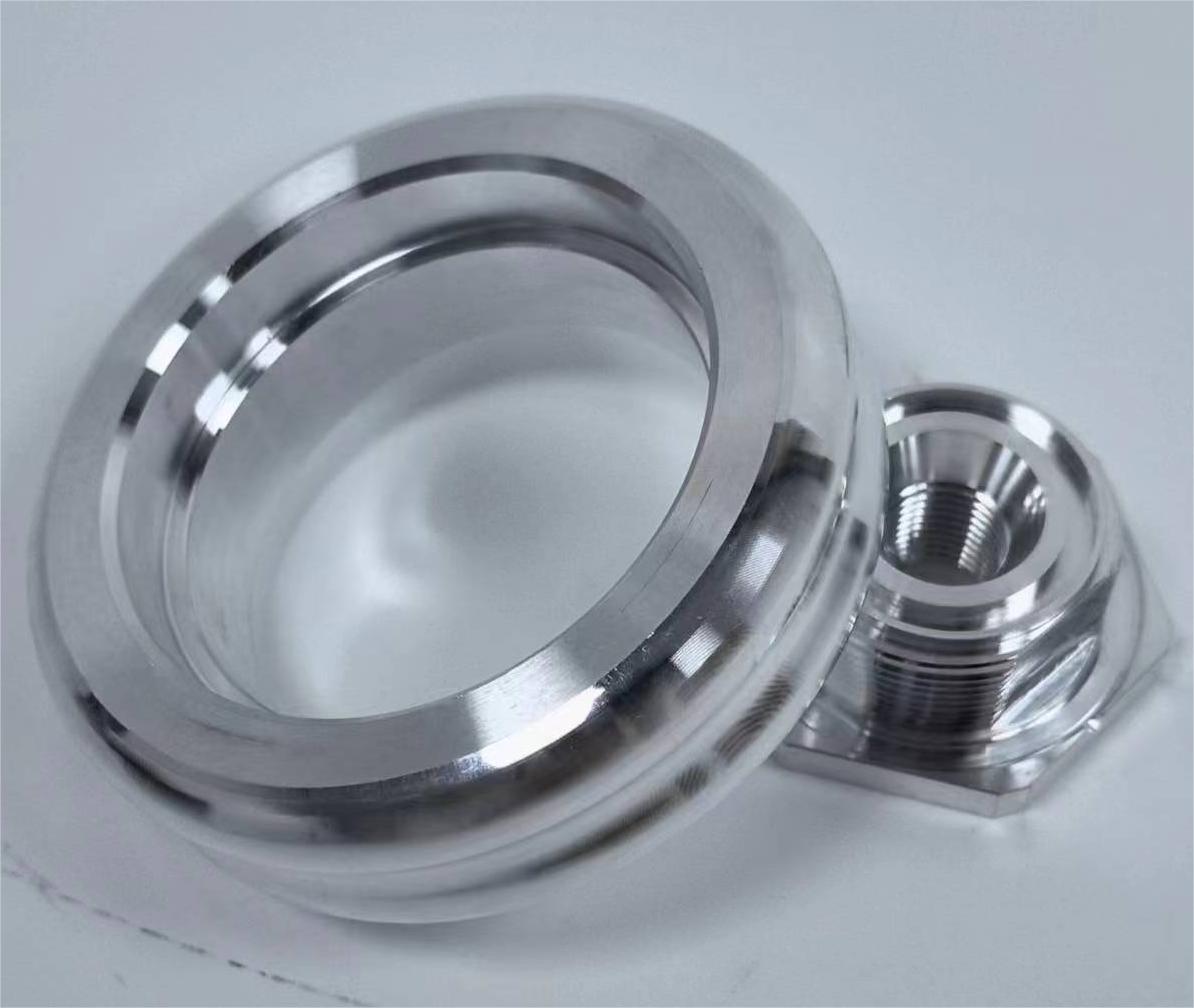
In the realm of aluminum processing, two primary methods stand out for shaping raw aluminum into useful components: extrusion and forging. Each method offers distinct advantages and is suited to different applications based on the requirements of strength, precision, and complexity. MINGYU Tech, a pioneering manufacturer based in China, specializes in providing advanced solutions for both aluminum extrusion and aluminum forging processes. This article explores the differences between aluminum extrusion and aluminum forging, highlighting their advantages and considerations to help you choose the right process for your specific needs.
Understanding Aluminum Extrusion
What is Aluminum Extrusion?
Aluminum extrusion is a manufacturing process that involves forcing aluminum alloy through a shaped die to create complex cross-sectional profiles. This process begins with heating aluminum billets to a specified temperature and then forcing the softened metal through a die using a hydraulic press or ram. The extruded profiles can vary widely in shape and size, ranging from simple rods and bars to intricate structural components.
Advantages of Aluminum Extrusion
- Versatility
Capable of producing complex shapes with uniform cross-sections. - Cost-effectiveness
Minimal material waste due to near-net shape production. - High Production Speed
Allows for rapid production of large volumes of parts. - Design Flexibility
Supports intricate designs and custom profiles tailored to specific applications. - Enhanced Strength
Extruded parts often exhibit improved mechanical properties due to the alignment of grain structure.
Applications
Aluminum extrusion finds extensive use in industries such as construction, automotive, aerospace, and electronics. It is ideal for producing components like window frames, curtain walls, heat sinks, and structural components where lightweight, corrosion resistance, and design flexibility are critical.
Understanding Aluminum Forging
What is Aluminum Forging?
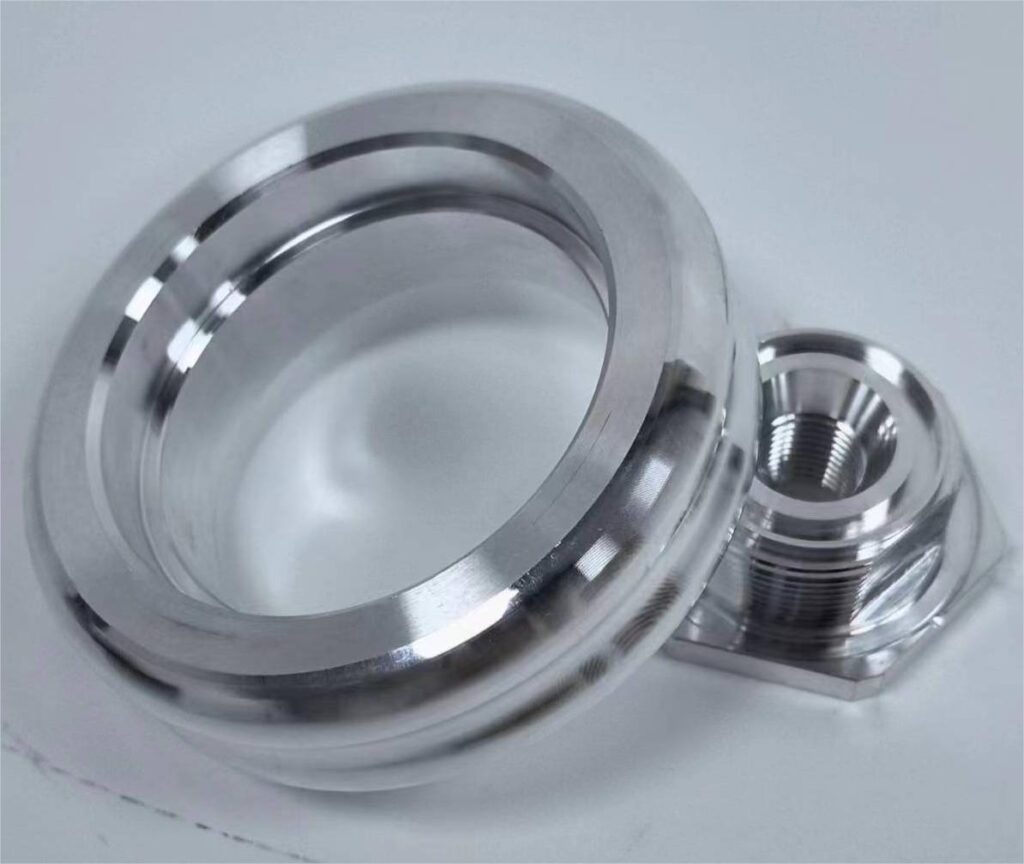
Aluminum forging involves shaping heated aluminum billets under high pressure using forging dies or tools. This process deforms the metal to produce parts with improved mechanical properties and dimensional accuracy. Depending on the complexity of the part, forging can be done using various methods, including open-die forging, closed-die forging, and seamless ring rolling.
Advantages of Aluminum Forging
- Enhanced Strength
Forged aluminum parts exhibit superior mechanical properties, including higher strength and better fatigue resistance. - Improved Microstructure
Refinement of grain structure enhances material integrity and durability. - Precision and Dimensional Accuracy
Provides tight tolerances and excellent surface finish. - Suitability for High Stress Applications
Ideal for parts subjected to heavy loads, high pressures, and extreme environments. - Material Conservation
Efficient use of material due to minimal scrap generation.
Applications
Aluminum forging is commonly used in industries requiring high-strength components, such as aerospace, defense, automotive, and marine sectors. It is preferred for manufacturing parts like aircraft fittings, engine components, structural parts, and high-performance automotive components.
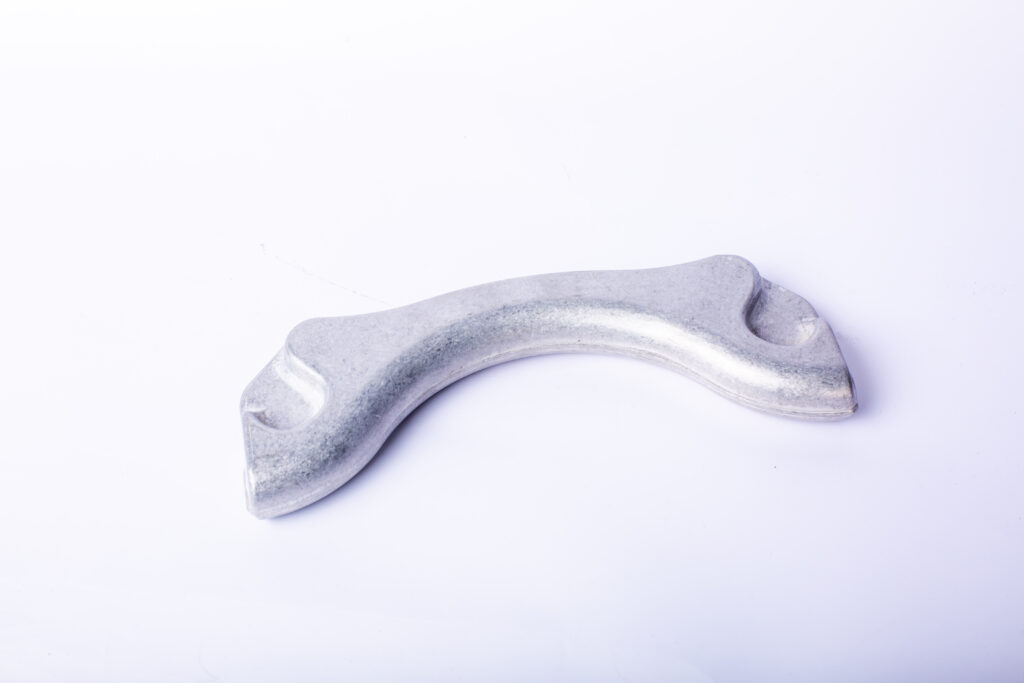
Comparing Aluminum Extrusion and Aluminum Forging
Process and Complexity
- Aluminum Extrusion
Suited for producing profiles with consistent cross-sections and complex shapes. Ideal for parts requiring lightweight design and intricate geometries. - Aluminum Forging
Best for producing parts requiring superior strength, durability, and precise dimensional control. Suitable for applications where high mechanical properties and reliability are crucial.
Material Properties
- Aluminum Extrusion
Retains inherent properties of the alloy while offering design flexibility and improved surface finish. - Aluminum Forging
Enhances mechanical properties through grain structure refinement, providing superior strength, toughness, and fatigue resistance.
Production Volume and Lead Time
- Aluminum Extrusion
Efficient for high-volume production with shorter lead times due to rapid extrusion processes. - Aluminum Forging
Well-suited for medium to low volume production runs, requiring longer lead times due to forging and subsequent machining operations.
Cost Considerations
- Aluminum Extrusion
Initial tooling costs may be higher but offers long-term cost savings through efficient material use and high-speed production. - Aluminum Forging
Generally higher initial setup costs but provides excellent cost-effectiveness for parts requiring high strength and durability over their lifecycle.

MINGYU Tech’s Expertise and Offerings
Advanced Manufacturing Capabilities
MINGYU Tech excels in both aluminum extrusion and aluminum forging, leveraging advanced R&D and design expertise to deliver innovative solutions. Their state-of-the-art factory in China is equipped with modern machinery and quality control measures, ensuring precision and consistency in every component produced.
Customization and OEM/ODM Services
As a leading supplier in the industry, MINGYU Tech offers comprehensive OEM/ODM services, collaborating closely with clients to develop customized extrusion profiles and forged parts tailored to specific applications. This flexibility allows for the creation of bespoke solutions that meet stringent quality standards and performance requirements.
Global Reach and Support
With a robust network of distributors and agents , MINGYU Tech serves customers worldwide, providing reliable support and timely delivery of products. Their commitment to excellence and customer satisfaction makes them a trusted partner in the aluminum manufacturing industry.
Conclusion
Choosing between aluminum extrusion and aluminum forging depends on the specific requirements of your project, including part complexity, strength requirements, production volume, and cost considerations. While aluminum extrusion offers versatility and cost-effectiveness for producing complex profiles with consistent cross-sections, aluminum forging excels in enhancing mechanical properties and durability for high-strength applications. MINGYU Tech’s expertise in both processes ensures that customers receive tailored solutions that optimize performance, reliability, and cost-efficiency. By understanding the strengths of each method and consulting with experts like MINGYU Tech, you can make an informed decision to achieve optimal results in your aluminum component manufacturing.