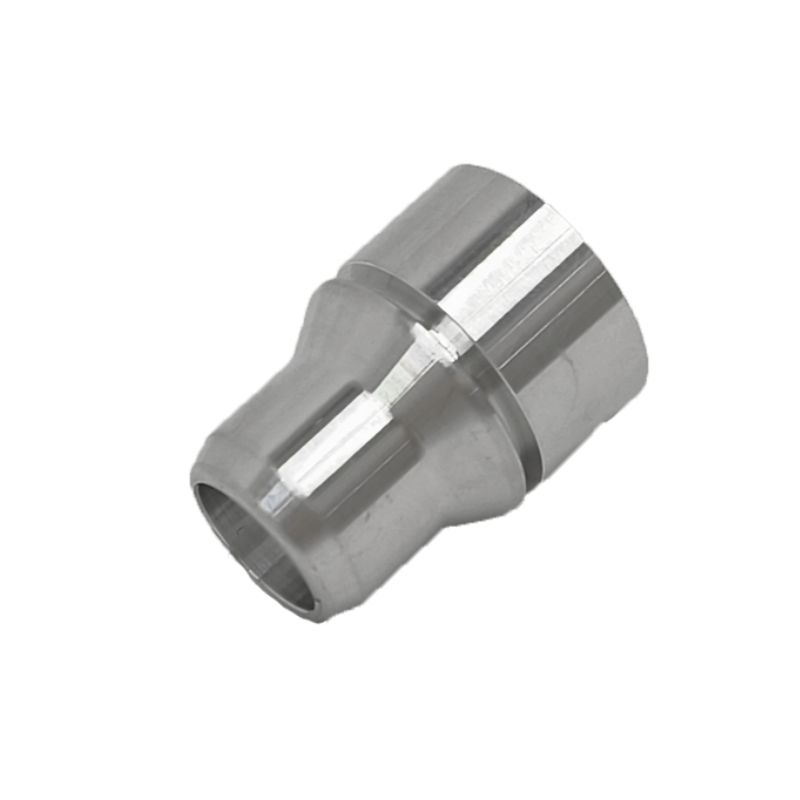
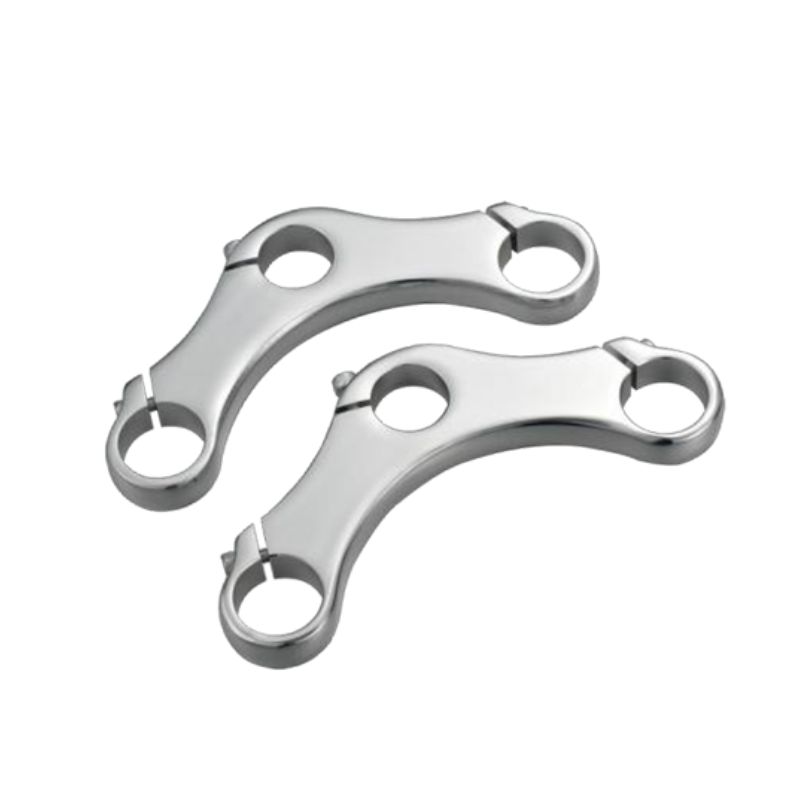
Aluminum is a versatile and widely used material in various industries, thanks to its lightweight, strength, and corrosion resistance. When it comes to shaping aluminum into functional components, terms like “aluminum forge” and “aluminum forging” often come up. While they may sound similar, they refer to different aspects of the metalworking process. This article will explain the key differences between aluminum forge and aluminum forging, providing insights to help you understand which approach is best suited for your needs. MINGYU Tech, a leading manufacturer in the industry, offers expert guidance on these processes.

Understanding Aluminum Forge
An aluminum forge is a facility or a set-up where aluminum forging takes place. The term “forge” refers to the entire environment, including the equipment, tools, and infrastructure required to heat, shape, and treat aluminum. For a comprehensive understanding, let’s delve into the primary components and features of an aluminum forge.
Key Features of an Aluminum Forge
- Heating Equipment
An aluminum forge is equipped with furnaces or induction heaters to heat the aluminum billets to the required forging temperature. Precise temperature control is crucial to ensure optimal material properties. - Forging Presses and Hammers
These are essential tools in an aluminum forge, used to apply the necessary pressure to shape the heated aluminum. Presses and hammers vary in size and capacity, depending on the complexity and size of the parts being forged. - Tooling and Dies
The forge contains a variety of dies and molds to create specific shapes and designs. Custom tooling is often developed to meet particular OEM/ODM requirements, enhancing the versatility of the forge. - Quality Control Systems
An aluminum forge incorporates advanced quality control systems to monitor and ensure the integrity of the forged parts. This includes inspection equipment and techniques to detect any defects or inconsistencies.

Understanding Aluminum Forging
Aluminum forging, on the other hand, refers to the actual process of shaping aluminum using compressive forces. Forging transforms aluminum billets or ingots into desired shapes and sizes, enhancing their mechanical properties through controlled deformation.
Key Features and Benefits of Aluminum Forging
- Strength and Durability
Forging aluminum significantly enhances its strength and durability. The process aligns the grain structure of the metal, resulting in improved mechanical properties compared to other manufacturing methods. - Weight Reduction
Aluminum forging allows for the production of lightweight components with high strength-to-weight ratios. This is particularly beneficial in industries like aerospace and automotive, where weight reduction is crucial. - Precision and Consistency
Forging offers excellent precision and consistency, producing parts with tight tolerances and minimal variation. This is essential for applications that require high reliability and performance. - Material Efficiency
The forging process is highly material-efficient, with minimal waste generated. This contributes to cost savings and sustainability, making it an advantageous manufacturing method.
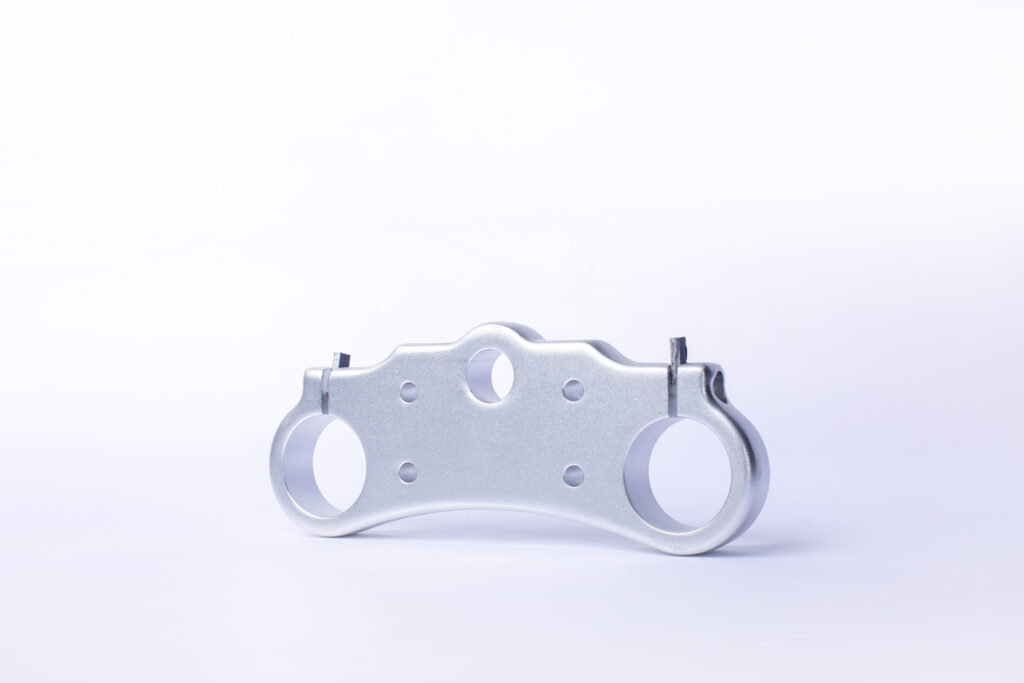
Comparing Aluminum Forge and Aluminum Forging
To clarify the distinction, it is important to understand that an aluminum forge is the facility where the process of aluminum forging occurs. Let’s compare these two concepts based on several key factors:
- Scope and Function
An aluminum forge encompasses the entire setup required for forging, including the equipment, tools, and infrastructure. Aluminum forging, however, is the specific process of shaping aluminum using compressive forces within that setup. - Application and Process
The forge provides the environment for various forging operations, such as open-die, closed-die, and ring rolling. The forging process itself involves heating, deforming, and cooling the aluminum to achieve the desired properties and shapes. - Equipment and Tools
An aluminum forge is equipped with a wide range of machinery and tools to facilitate the forging process. This includes furnaces, presses, hammers, and dies. In contrast, aluminum forging utilizes these tools to perform the actual shaping and forming of aluminum. - Expertise and Skill
Operating an aluminum forge requires expertise in setting up and maintaining the equipment, as well as managing the overall forging operations. Aluminum forging, on the other hand, demands skill in executing the precise forging techniques to achieve optimal results.
MINGYU Tech’s Expertise
MINGYU Tech, a leading manufacturer based in China, specializes in both the infrastructure of aluminum forges and the process of aluminum forging. With extensive experience in R&D and advanced manufacturing capabilities, MINGYU Tech ensures that their products and services meet the highest standards of quality and performance.
Advantages of Choosing MINGYU Tech
- Comprehensive Solutions
MINGYU Tech offers complete solutions, from designing and setting up aluminum forges to executing precise aluminum forging processes. Their expertise spans the entire spectrum of forging operations. - Customization and Flexibility
As an OEM/ODM supplier, MINGYU Tech provides customized solutions tailored to meet unique requirements. This flexibility allows customers to optimize their forging operations for maximum efficiency and accuracy. - High-Quality Manufacturing
Utilizing state-of-the-art manufacturing processes and rigorous quality control, MINGYU Tech produces durable and reliable forged components. This commitment to quality ensures long-term performance and customer satisfaction. - Global Supply Network
With a robust network of distributors and suppliers, MINGYU Tech ensures timely delivery and excellent support worldwide. This global reach helps customers access top-quality forging solutions with ease.
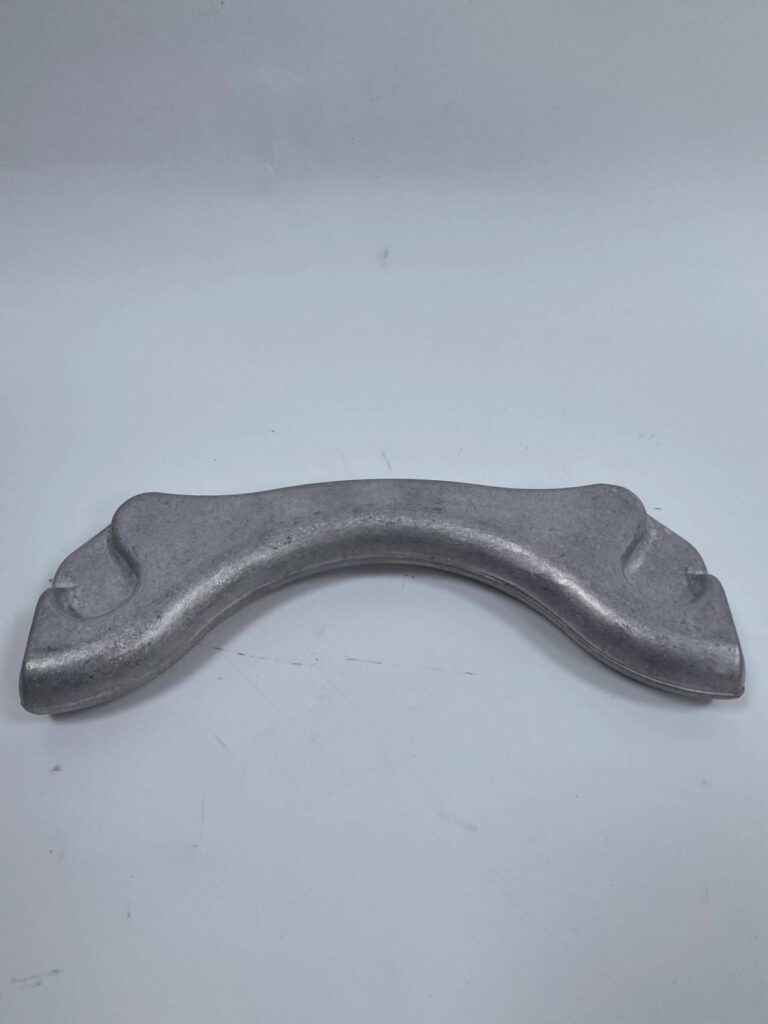
Conclusion: Making the Right Choice
Understanding the difference between an aluminum forge and aluminum forging is crucial for selecting the right approach for your needs. An aluminum forge provides the comprehensive setup and infrastructure for forging operations, while aluminum forging is the process of shaping and enhancing the properties of aluminum.
MINGYU Tech’s extensive range of high-quality forging solutions, combined with their expertise in R&D and manufacturing, makes them a reliable partner for all your forging needs. Whether you require a fully equipped forge or precise forging processes, MINGYU Tech has the right solution to help you achieve your goals. For more information on their products and services, visit their website or contact their customer support team. Make the smart choice for your forging needs with MINGYU Tech, and ensure your operations are efficient, reliable, and high-performing.
Tags: Aluminum Cover Board , Motorcycle Handlebar Pipe Clamp