
In the world of manufacturing, aluminum plays a critical role due to its versatility, strength, and lightweight properties. It’s used extensively in industries such as automotive, aerospace, construction, and electronics, where components must meet precise specifications. However, choosing the right production method—whether it’s aluminum machining or aluminum forging—is key to maximizing efficiency, quality, and cost-effectiveness. Both processes offer unique advantages and trade-offs, and understanding these differences is crucial for making an informed decision.
As a leader in precision engineering, MINGYU Tech specializes in both aluminum machining and forging, providing customized solutions for various industries. In this article, we will delve into the specifics of these two manufacturing processes, comparing their strengths, weaknesses, and applications to help you decide which method is best for enhancing your production efficiency.
What is Aluminum Machining?
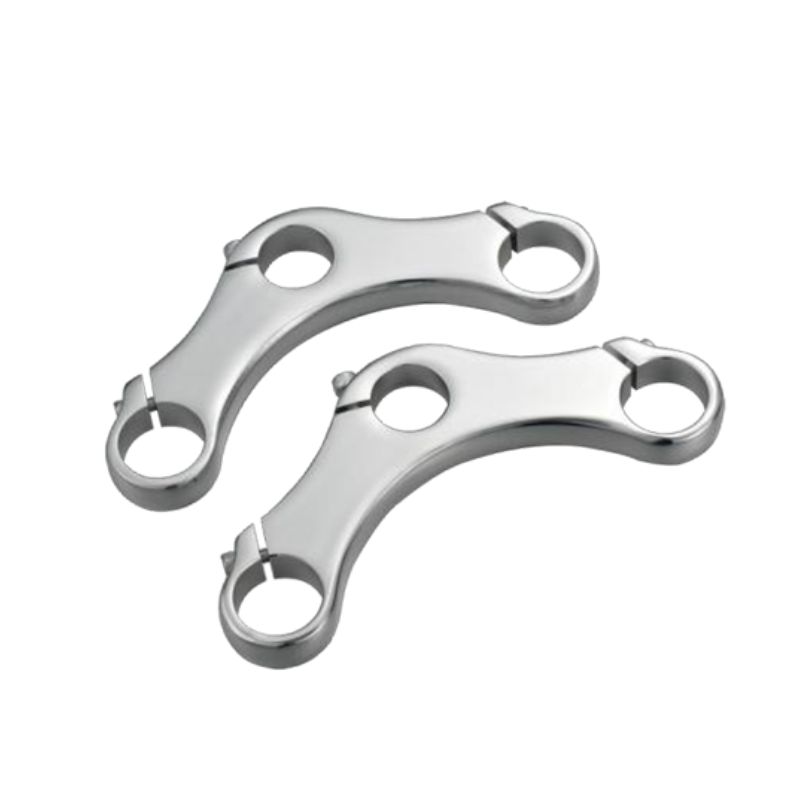
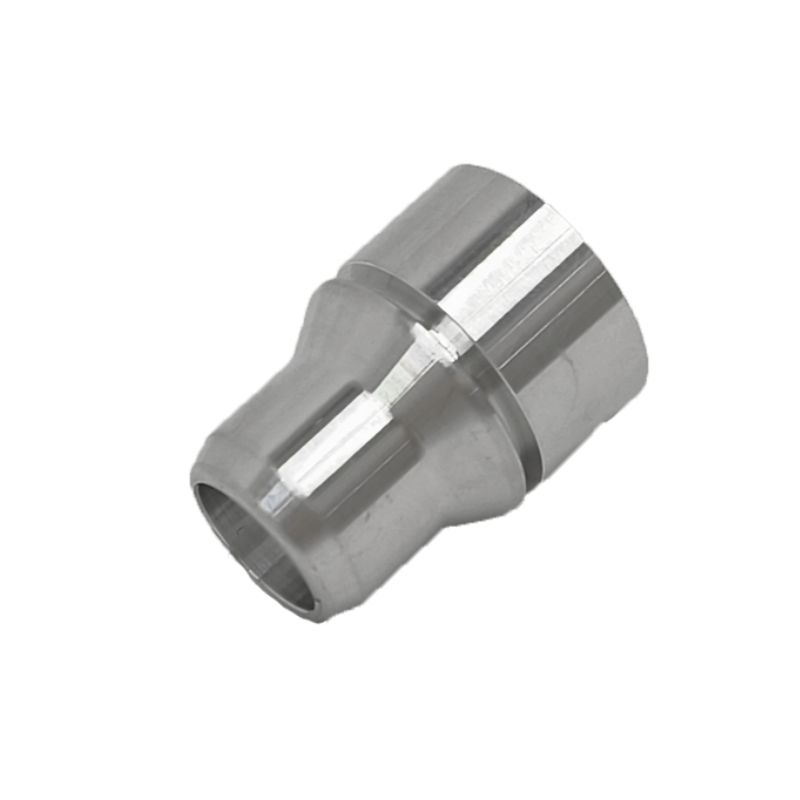
Aluminum machining is a subtractive manufacturing process that involves removing material from a solid block of aluminum to create the desired shape. This is typically done using CNC (Computer Numerical Control) machines that are programmed to perform highly precise cutting, drilling, milling, and turning operations.
Pros of Aluminum Machining
-
Precision and Accuracy
Machining allows for the creation of components with extremely tight tolerances, making it ideal for applications where precision is paramount. CNC machines are capable of producing intricate designs and fine details that would be difficult or impossible to achieve through forging. -
Complex Geometries
One of the key benefits of machining is the ability to create complex geometries and shapes. Whether it’s intricate holes, curves, or detailed surface finishes, machining allows for unparalleled flexibility in design. -
Quick Prototyping
Aluminum machining is an excellent choice for rapid prototyping and small production runs. Since no specialized tooling is required, new designs can be created quickly, allowing engineers to test prototypes and make design changes without significant delays. -
Surface Finish
Machined aluminum parts typically have smoother surfaces compared to forged parts. This can eliminate the need for additional finishing processes like polishing or grinding, saving both time and resources.
Cons of Aluminum Machining
-
Material Waste
Machining is a subtractive process, meaning material is cut away from the aluminum block to create the final part. This often results in significant waste, which can increase material costs, particularly for larger parts. -
Higher Costs for Large Production Runs
While machining is cost-effective for small production runs and prototypes, it can become expensive for larger batches due to the time it takes to machine each individual part. Machining larger quantities can lead to increased labor and machine time, driving up production costs. -
Slower Production Speed
Machining tends to be slower than forging, particularly when producing larger or more complex parts. This can make it less suitable for high-volume production environments where speed and efficiency are critical.

What is Aluminum Forging?
Aluminum forging is a process that involves shaping aluminum through the application of compressive forces, typically using a hammer or die. This method is often used to produce strong, high-performance parts that can withstand harsh environments and mechanical stress.
Pros of Aluminum Forging
-
Strength and Durability
Forged aluminum parts are known for their superior strength and durability compared to machined parts. The forging process aligns the metal’s grain structure, resulting in components that are tougher and more resistant to wear and tear. This makes forging an excellent choice for industries like aerospace and automotive, where components must withstand extreme forces. -
Cost Efficiency for Large Production Runs
Forging is more cost-effective than machining for large production runs. Once the initial die is created, forging can produce parts quickly and at a lower per-unit cost. This is particularly beneficial for manufacturers looking to scale up production and reduce overhead costs. -
Reduced Material Waste
Unlike machining, which removes material, forging reshapes the material without producing significant waste. This makes it a more environmentally friendly process, as it uses the aluminum more efficiently and generates less scrap. -
High Production Speed
Forging is faster than machining, especially for large-scale production. Once the forging die is set up, the process can be repeated quickly, making it ideal for high-volume manufacturing.
Cons of Aluminum Forging
-
Limited Geometrical Complexity
Forging is less flexible when it comes to creating complex geometries and intricate designs. It is best suited for simpler shapes and forms, which may limit its use for highly detailed components. -
Initial Tooling Costs
The upfront cost for creating the dies used in forging can be high. While forging becomes more economical over large production runs, the initial investment may be prohibitive for smaller projects or those requiring frequent design changes. -
Surface Finish
Forged parts typically have a rougher surface finish compared to machined parts. Additional post-processing, such as polishing or grinding, is often required to achieve a smooth finish, adding time and cost to the production process.

Comparison of Aluminum Machining and Forging
To help you better understand the differences between these two methods, here’s a comparison of MINGYU Tech’s aluminum machining and forging processes against peer products:
| Feature | MINGYU Tech Aluminum Machining | MINGYU Tech Aluminum Forging | Competitor A (Machining) |
Competitor B (Forging) |
|---|---|---|---|---|
| Precision | Extremely high precision, ideal for complex parts | Moderate precision, suitable for simple shapes | Standard precision, limited for intricate designs | Less precise than competitors |
| Strength | Good strength but less than forged parts | Superior strength, ideal for high-stress applications | Average strength, prone to stress failures | Good strength but higher risk of defects |
| Material Efficiency | Higher waste due to subtractive process | Minimal waste, more eco-friendly | High material waste, driving up costs | Average material use, some waste |
| Production Speed | Slower, ideal for small batch production | Fast, ideal for large volume production | Slow with low throughput | Faster than competitors but less efficient in design |
| Surface Finish | Excellent finish, often no need for post-processing | Rougher finish, requires post-processing | Average surface finish, may need additional work | Rough finish, time-consuming post-processing |
| Cost | Higher for large runs but cost-effective for prototypes | Lower per-unit cost for large runs | More expensive for large volumes | Competitive pricing for large volumes but high upfront costs |
Which Process is Right for Your Project?
The choice between aluminum machining and aluminum forging depends on several factors, including production volume, design complexity, material waste, and overall cost.
- Choose Aluminum Machining
if your project requires intricate designs, tight tolerances, or smaller production runs. Machining is the best option for prototypes and applications where precision is critical. - Choose Aluminum Forging
if your project demands high strength, durability, and cost-efficiency over large production runs. Forging is ideal for applications where parts must withstand significant stress and heavy use.
Why Choose MINGYU Tech?
MINGYU Tech offers both aluminum machining and forging solutions, providing the flexibility and expertise to meet a wide range of production needs. Our team of engineers ensures that each component is crafted with the highest level of precision and quality, whether through machining or forging. We work closely with our clients to determine the best process for their specific application, ensuring maximum efficiency and performance.
Conclusion
Both aluminum machining and aluminum forging have their place in modern manufacturing, each offering distinct advantages depending on the project’s requirements. While machining provides exceptional precision and design flexibility, forging excels in strength, durability, and cost-efficiency for large production runs. By understanding the benefits and trade-offs of each process, manufacturers can make informed decisions to enhance their production efficiency.
At MINGYU Tech, we provide top-notch machining and forging services, helping you choose the best method for your project. Contact us today to learn how we can support your production goals and deliver high-quality aluminum components tailored to your needs.