In the world of manufacturing, aluminum is a versatile material prized for its lightweight, strength, and corrosion resistance. Two of the most common processes for shaping aluminum into functional components are forging and extrusion. Each method has its own set of advantages and is suited to different types of products and applications. As a leader in aluminum processing, MINGYU Tech offers expertise in both forging and extrusion, ensuring that our clients receive the best possible solutions for their manufacturing needs. In this article, we will explore the differences between forging aluminum and aluminum extrusion, and discuss best practices for choosing the right method for your project.
Understanding Forging Aluminum
What is Forging?
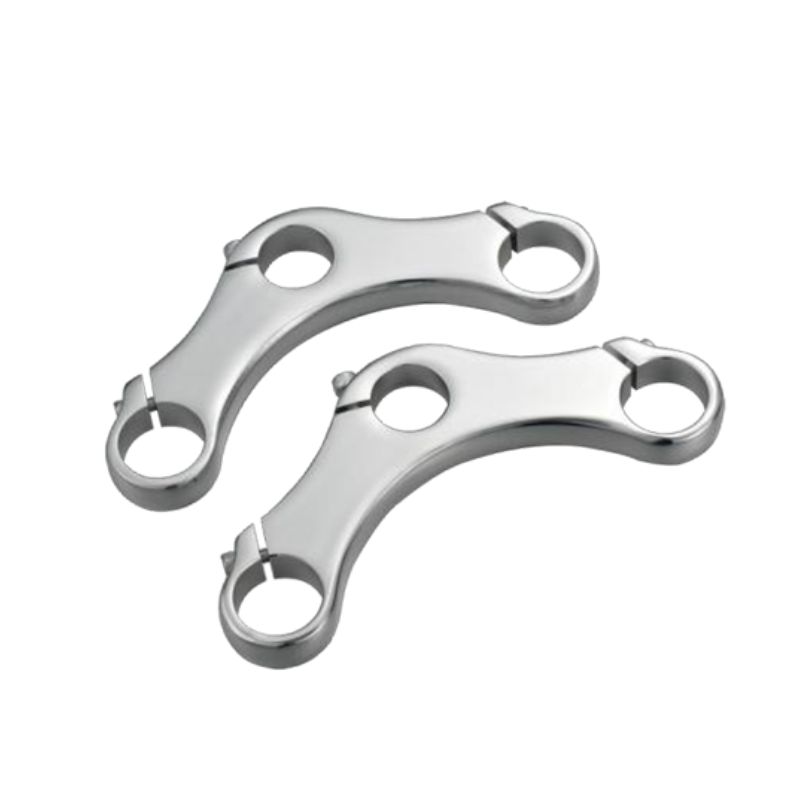
Forging is a manufacturing process that involves shaping aluminum by applying compressive forces, usually with a hammer or a press. This process typically occurs at high temperatures, which makes the aluminum more malleable and easier to shape. The key advantage of forging is that it produces components with superior mechanical properties, such as increased strength and durability, due to the alignment of the material’s grain structure.
Best Practices for Forging Aluminum
- Material Selection: Choosing the right aluminum alloy is crucial for achieving the desired mechanical properties. Common alloys used in forging include 6061, 7075, and 2024, each offering a balance of strength, corrosion resistance, and machinability. MINGYU Tech ensures that the alloy selected aligns with the specific requirements of the component being forged.
- Temperature Control: Maintaining the appropriate temperature during forging is essential for preventing defects such as cracking or warping. For aluminum, forging temperatures typically range between 370°C and 520°C. MINGYU Tech utilizes precise temperature control systems to ensure consistent quality in every forged part.
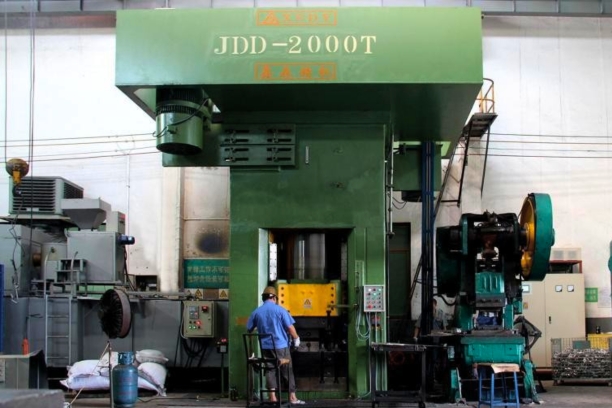
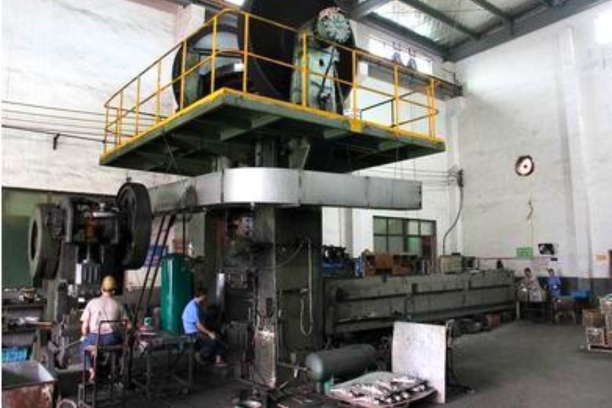
- Tooling and Equipment: The quality of the tools and presses used in the forging process directly impacts the final product. At MINGYU Tech, we use advanced forging presses and custom tooling designed to produce components with high dimensional accuracy and consistent quality.
Understanding Aluminum Extrusion
What is Extrusion?
Extrusion is a process where aluminum is forced through a die to create long shapes with consistent cross-sections. This method is particularly useful for producing complex profiles that are difficult or impossible to achieve through other manufacturing processes. Extruded aluminum components are widely used in construction, automotive, and aerospace industries due to their versatility and cost-effectiveness.
Best Practices for Aluminum Extrusion
- Die Design: The die is the heart of the extrusion process, and its design is critical for achieving the desired shape and dimensional accuracy. MINGYU Tech’s engineers collaborate closely with clients to develop custom dies that meet the specific needs of each project. Advanced computer-aided design (CAD) tools are used to optimize die geometry and ensure smooth material flow during extrusion.
- Alloy Selection: Just like in forging, selecting the right alloy is essential for ensuring the performance of the extruded product. Common alloys for extrusion include 6063, 6061, and 6005, each offering different balances of strength, corrosion resistance, and ease of extrusion. MINGYU Tech provides expert guidance on selecting the optimal alloy based on the intended application.
- Process Control: Maintaining consistent pressure, temperature, and extrusion speed is vital for producing high-quality extrusions. MINGYU Tech employs state-of-the-art extrusion presses and real-time monitoring systems to ensure that each profile meets strict quality standards. The use of precision-controlled cooling systems also helps maintain dimensional stability and reduce residual stresses in the final product.
Choosing Between Forging and Extrusion
The choice between forging and extrusion depends on several factors, including the intended application, mechanical requirements, and cost considerations.
- Strength Requirements: If the component requires high strength and durability, such as in aerospace or automotive applications, forging is often the better choice due to the superior mechanical properties achieved through grain alignment.
- Complexity of Shape: For components with complex cross-sectional profiles, such as architectural frames or heat sinks, extrusion is typically more cost-effective and efficient. Extrusion allows for the creation of intricate shapes that would be challenging to achieve through forging.
- Production Volume: Extrusion is generally more suitable for high-volume production runs due to its efficiency in producing long, continuous profiles. Forging, on the other hand, is often used for lower volume or high-strength applications where the material’s mechanical properties are paramount.
Conclusion
Both forging and extrusion are highly effective methods for manufacturing aluminum components, each offering unique advantages depending on the application. At MINGYU Tech, we understand the importance of selecting the right process to meet your specific needs. By following best practices in both forging and extrusion, we ensure that our clients receive high-quality, reliable, and cost-effective solutions. Whether you need the superior strength of forged aluminum or the versatility of extruded profiles, MINGYU Tech has the expertise and technology to deliver the best results for your project.
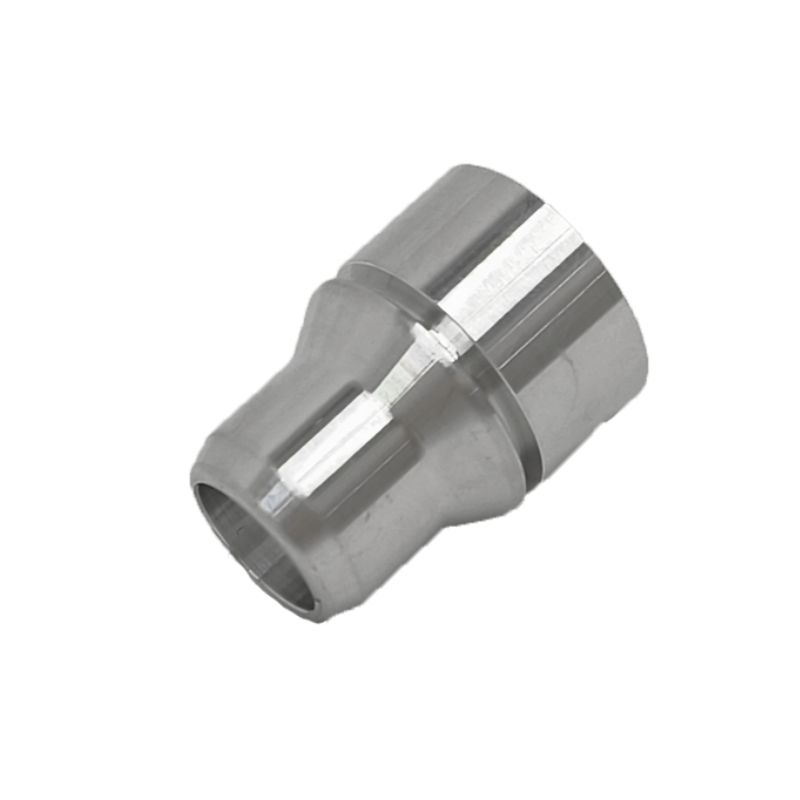
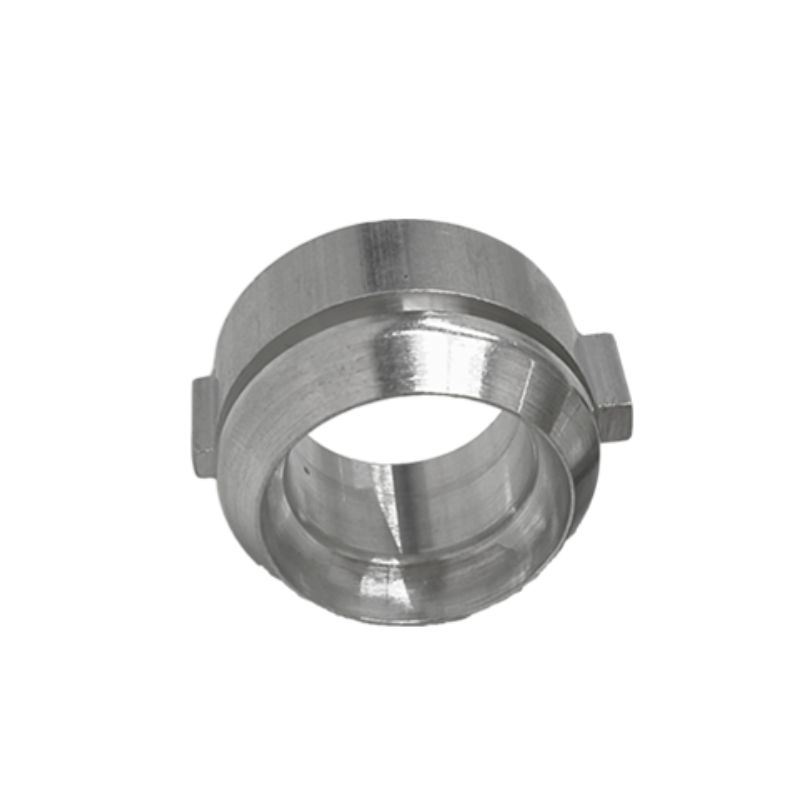
Product: Aluminum Extusion Part Ring and Nut