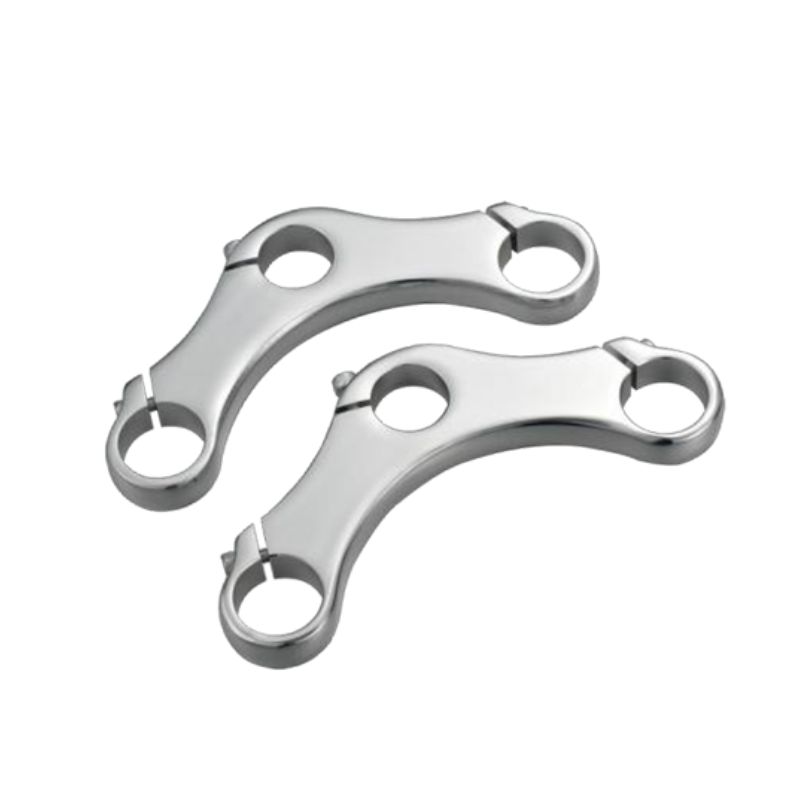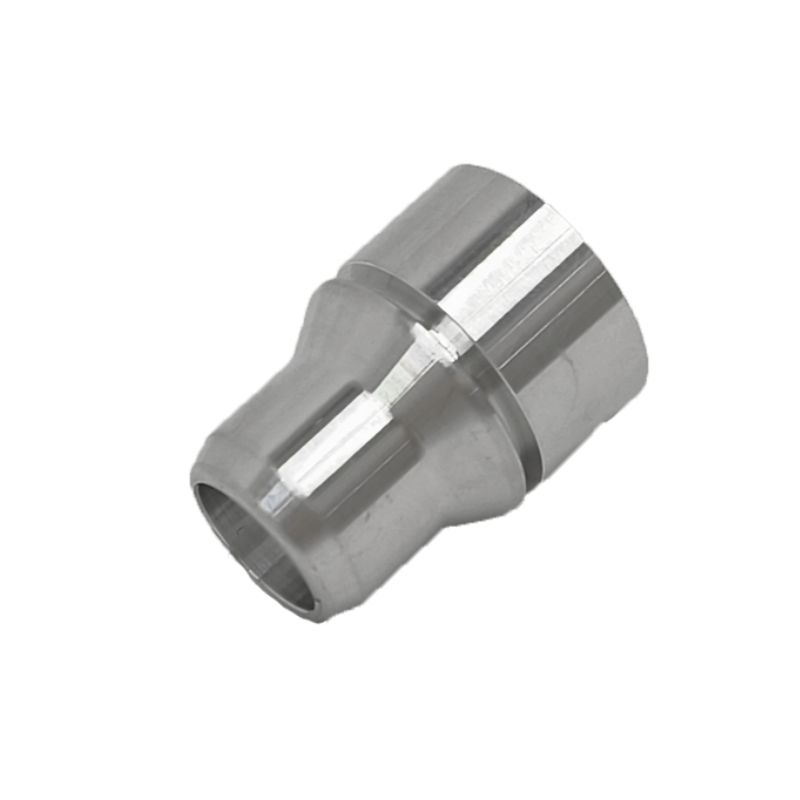
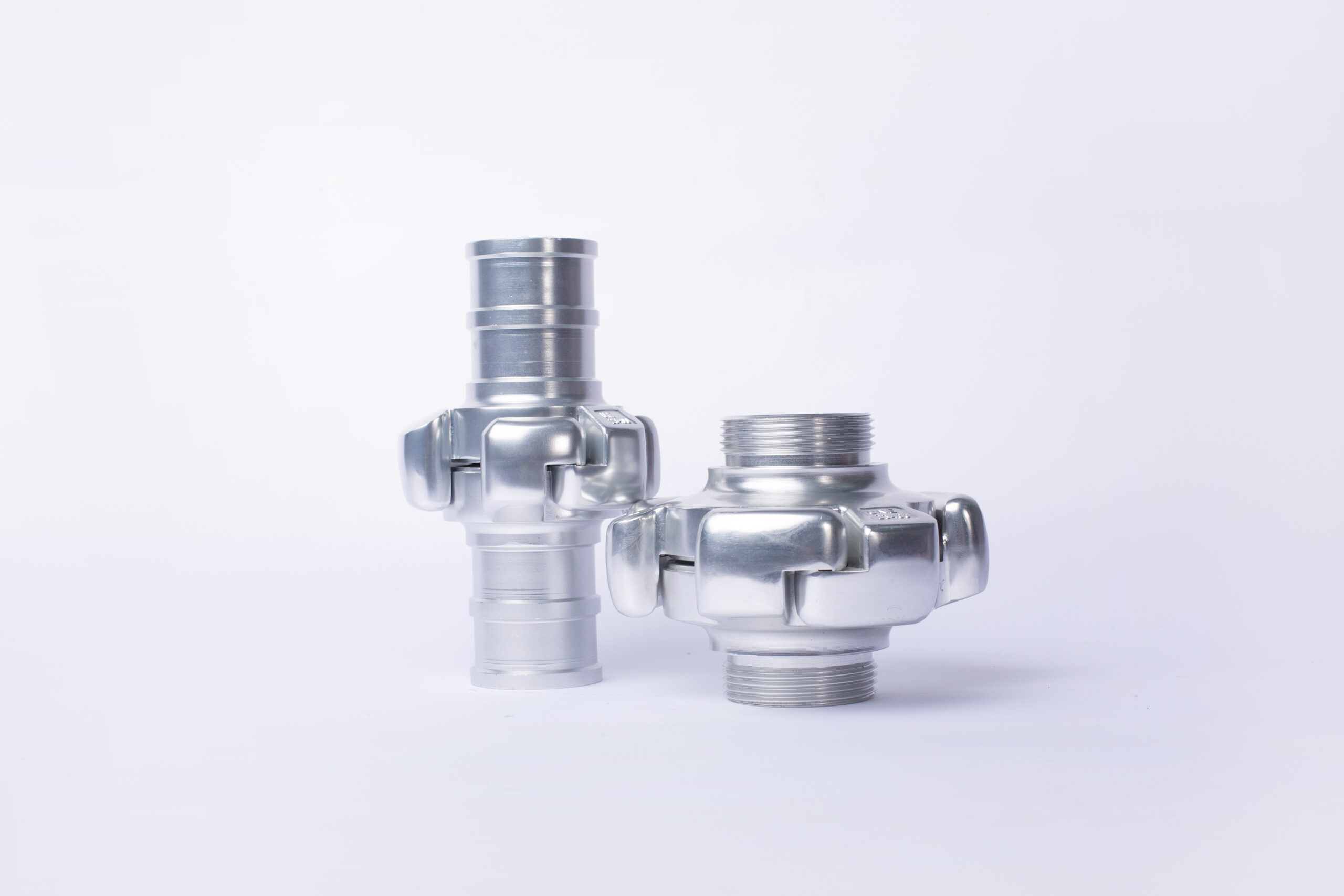
In the modern manufacturing landscape, precision is paramount. Whether it’s for aerospace components, automotive parts, or electronics, the demand for high-quality and precise components is ever-growing. One of the key materials that have revolutionized precision machining is aluminum. This article delves into how aluminum machining contributes to the precision of CNC-milled parts, with a particular focus on the practices at MINGYU, a leading Aluminum Forge manufacturer.
The Advantages of Aluminum in CNC Machining
Aluminum is a versatile material that offers numerous benefits in CNC machining. Its properties make it an ideal choice for manufacturing parts that require high precision. Below are some of the key advantages of using aluminum in CNC machining:
- Lightweight: Aluminum’s low density makes it lighter than many other metals, which is crucial for applications where weight reduction is important, such as in aerospace and automotive industries.
- Corrosion Resistance: Aluminum naturally forms a protective oxide layer, enhancing its resistance to corrosion and making it suitable for outdoor and marine applications.
- Machinability: Aluminum is easier to cut and shape compared to harder metals like steel, allowing for faster machining times and reduced tool wear.
- Thermal Conductivity: The excellent thermal conductivity of aluminum helps in dissipating heat during the machining process, reducing the risk of thermal deformation.
MINGYU’s Expertise in Aluminum Forging and CNC Machining
MINGYU has established itself as a leader in aluminum forging and CNC machining. Their expertise lies in producing high-precision components that meet the stringent requirements of various industries. The company employs advanced techniques and state-of-the-art machinery to ensure that each part is crafted with the utmost precision.
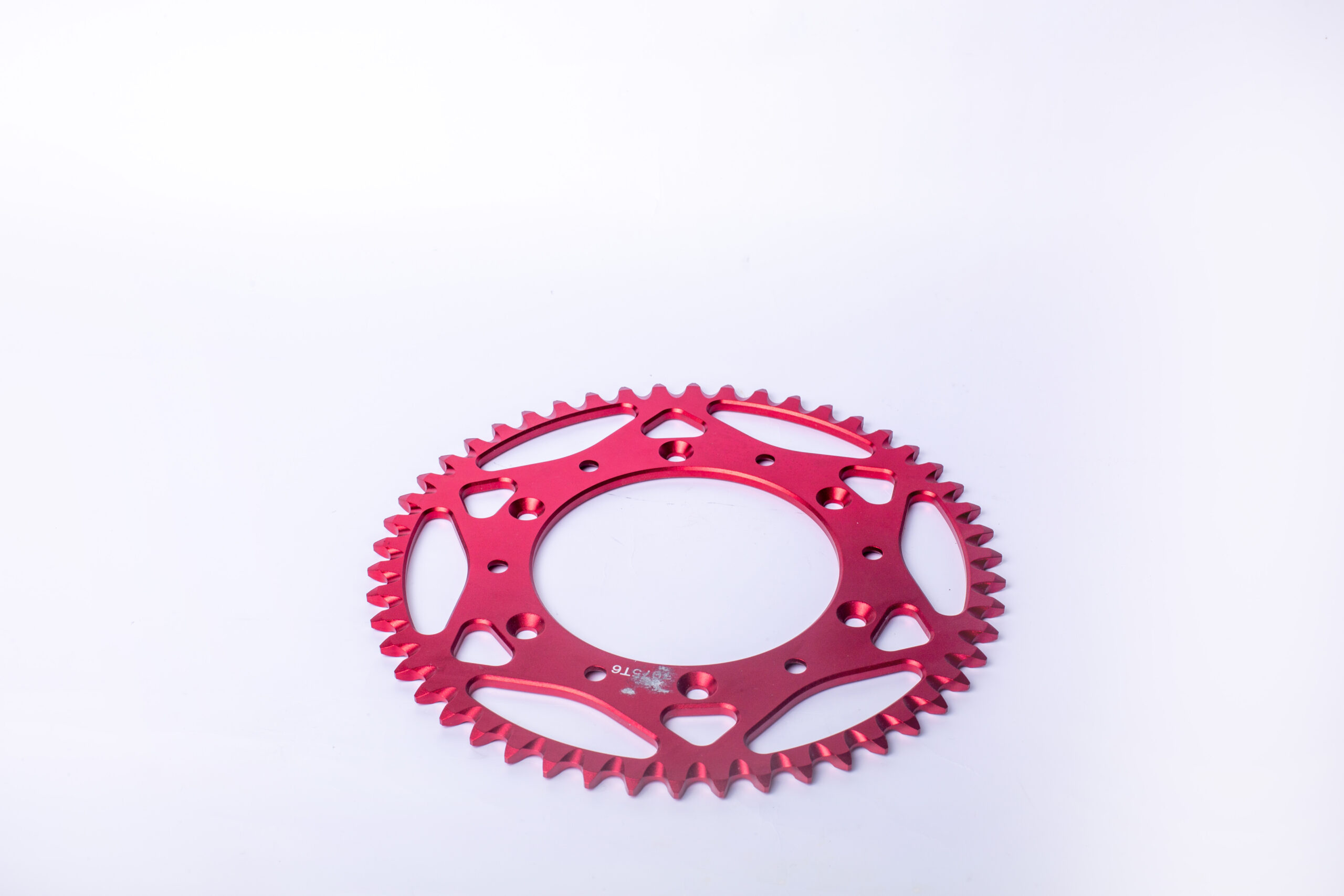
At MINGYU, the CNC machining process is meticulously planned and executed. The company invests heavily in training its workforce and upgrading its technology to stay ahead in the competitive manufacturing sector. This commitment to excellence ensures that MINGYU can consistently deliver parts that meet or exceed client expectations.
Precision in CNC-Milled Parts
The precision of CNC-milled parts is critical in many applications. Even the slightest deviation from specified dimensions can lead to performance issues or component failure. MINGYU understands this and implements rigorous quality control measures throughout the machining process.
One of the primary ways MINGYU achieves precision is through the use of high-quality CNC machines equipped with advanced software. These machines are capable of executing complex designs with remarkable accuracy, ensuring that each part adheres to the specified tolerances.
Quality Control and Inspection
Quality control is an integral part of MINGYU’s manufacturing process. The company employs various inspection techniques to verify the accuracy and quality of each machined part. These techniques include:
- Coordinate Measuring Machines (CMM): CMMs are used to measure the physical geometrical characteristics of an object. They ensure that the dimensions of the machined parts are within the specified tolerances.
- Optical Inspection: Optical inspection systems use cameras and image processing software to detect defects and ensure that the surface finish meets the required standards.
- Non-Destructive Testing (NDT): NDT methods such as ultrasonic testing and radiography are used to detect internal flaws without damaging the part.
Innovations in Aluminum Machining
MINGYU is at the forefront of innovation in aluminum machining. The company continually explores new techniques and technologies to enhance precision and efficiency. Some of the recent innovations include:
- High-Speed Machining: By using high-speed CNC machines, MINGYU can reduce machining time while maintaining high precision. This approach also minimizes the thermal impact on the material.
- Advanced Tooling: The use of advanced cutting tools with specialized coatings improves tool life and cutting performance, leading to better surface finishes and tighter tolerances.
- Automation: Automation is increasingly being integrated into MINGYU’s machining processes, allowing for consistent quality and reduced human error.
The Role of Aluminum Alloys in Precision Machining
Aluminum alloys play a significant role in precision machining. Different alloys offer varying properties, making them suitable for specific applications. MINGYU works with a wide range of aluminum alloys to meet the diverse needs of its clients.
For instance, 6061 aluminum alloy is widely used due to its excellent mechanical properties and good corrosion resistance. On the other hand, 7075 aluminum alloy is preferred for applications requiring high strength, such as in aerospace components.
Environmental Considerations
In addition to precision and performance, MINGYU is committed to environmental sustainability. Aluminum is a highly recyclable material, and the company ensures that waste is minimized during the machining process.
Recycling aluminum not only conserves natural resources but also reduces energy consumption and greenhouse gas emissions. MINGYU’s efforts in promoting sustainability align with global initiatives to reduce the environmental impact of manufacturing.
Conclusion
Aluminum machining is a critical component of precision manufacturing. Its unique properties, combined with advanced CNC machining techniques, enable the production of high-quality parts that meet the demands of various industries. MINGYU’s expertise in aluminum forging and machining ensures that they remain at the forefront of this field, consistently delivering precision-engineered components to their clients.
As technology continues to evolve, MINGYU is well-positioned to embrace new innovations and maintain its leadership in the aluminum machining industry. By prioritizing precision, quality, and sustainability, the company is set to meet the challenges of the future and continue supporting the needs of its diverse clientele.