Aluminum profiles are essential components in various industries, from construction and automotive to aerospace and electronics. Their lightweight, corrosion-resistant properties, combined with high strength and versatility, make them a preferred material for countless applications. The manufacturing process of aluminum profiles is a complex yet fascinating procedure that involves several stages to ensure the final product meets the exact specifications and quality standards. MINGYU Tech, a leader in aluminum profile manufacturing, employs advanced techniques and state-of-the-art equipment to produce high-quality profiles for diverse industrial needs. This article delves into the detailed manufacturing process of aluminum profiles, highlighting key steps and industry trends.
1. Raw Material Preparation
The manufacturing process begins with the preparation of raw aluminum. Aluminum is primarily extracted from bauxite ore, which is refined to produce alumina (aluminum oxide) through the Bayer process. The alumina is then subjected to the Hall-Héroult process, where it is electrolytically reduced to produce pure aluminum metal.
Importance of Quality Raw Materials:
The quality of raw aluminum plays a crucial role in determining the properties of the final aluminum profiles. MINGYU Tech ensures that only high-grade aluminum ingots are used in the manufacturing process, sourced from reputable suppliers who adhere to stringent quality standards.
2. Melting and Casting
Once the raw aluminum is prepared, it is melted in a furnace at temperatures exceeding 660°C (1220°F). During the melting process, alloying elements such as magnesium, silicon, and zinc are added to the molten aluminum to achieve the desired mechanical properties and enhance the performance characteristics of the final profiles.
Casting Process:
After melting, the molten aluminum is poured into a casting mold to form billets, which are cylindrical blocks of solid aluminum. The casting process is critical as it sets the foundation for the extrusion process that follows. MINGYU Tech utilizes advanced casting techniques to ensure uniformity in billet composition, minimizing defects and enhancing the overall quality of the aluminum profiles.
3. Extrusion
Extrusion is the heart of the aluminum profile manufacturing process. During extrusion, the aluminum billets are preheated to around 400-500°C (750-930°F) to soften the metal, making it more pliable for shaping. The preheated billet is then forced through a steel die with the desired cross-sectional shape using a hydraulic press.
Types of Extrusion:
There are two primary types of extrusion processes: direct extrusion and indirect extrusion.
- Direct Extrusion:
In this process, the aluminum billet is pushed through a stationary die by a hydraulic ram. This is the most common method used in the industry. - Indirect Extrusion:
Here, the die moves toward the billet, and the aluminum is forced through the die in the opposite direction of the ram’s movement. This method reduces friction and allows for easier extrusion of more complex shapes.
Customization and Precision:
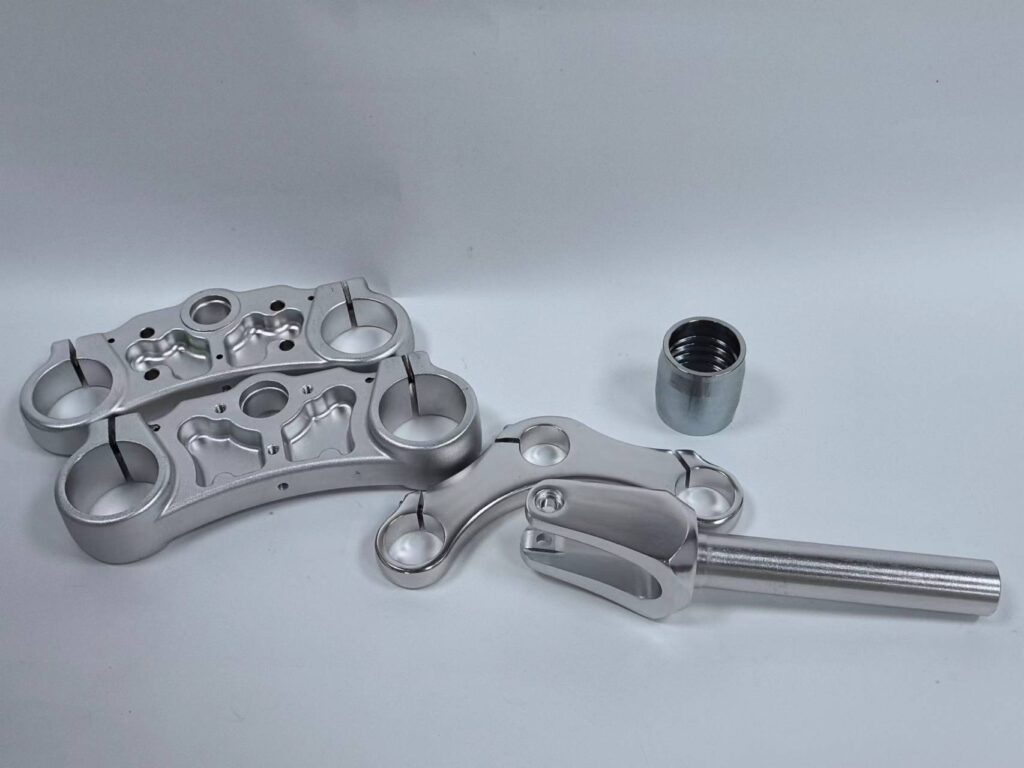
One of the key advantages of the extrusion process is its ability to produce profiles with complex shapes and precise dimensions. MINGYU Tech offers extensive customization options, allowing customers to create aluminum profiles tailored to their specific needs. The company’s use of precision-engineered dies and advanced extrusion technology ensures that each profile meets the highest standards of accuracy and quality.
4. Heat Treatment
After extrusion, the aluminum profiles undergo heat treatment to improve their mechanical properties, such as strength and hardness. The most common heat treatment processes are aging and quenching.
- Aging:
In this process, the extruded profiles are heated to a specific temperature and held for a certain period to precipitate the alloying elements, enhancing the material’s strength. - Quenching:
Quenching involves rapidly cooling the aluminum profiles after extrusion to lock in the desired mechanical properties. This process is critical for achieving the correct temper and ensuring the profiles are ready for their intended applications.
MINGYU Tech employs precise heat treatment processes to tailor the mechanical properties of aluminum profiles to the specific requirements of different industries, ensuring optimal performance and durability.
5. Surface Finishing
Surface finishing is the final step in the manufacturing process, where the aluminum profiles are treated to enhance their appearance, corrosion resistance, and wear resistance. Common surface finishing techniques include anodizing, powder coating, and painting.
- Anodizing:
This electrochemical process increases the thickness of the natural oxide layer on the surface of the aluminum, improving corrosion resistance and allowing for various color finishes. - Powder Coating:
A dry powder is applied to the aluminum profiles and then cured under heat to form a protective layer. This process provides a durable, weather-resistant finish with a wide range of color options. - Painting:
Liquid paint is applied to the profiles, providing a smooth finish and additional protection against environmental factors.
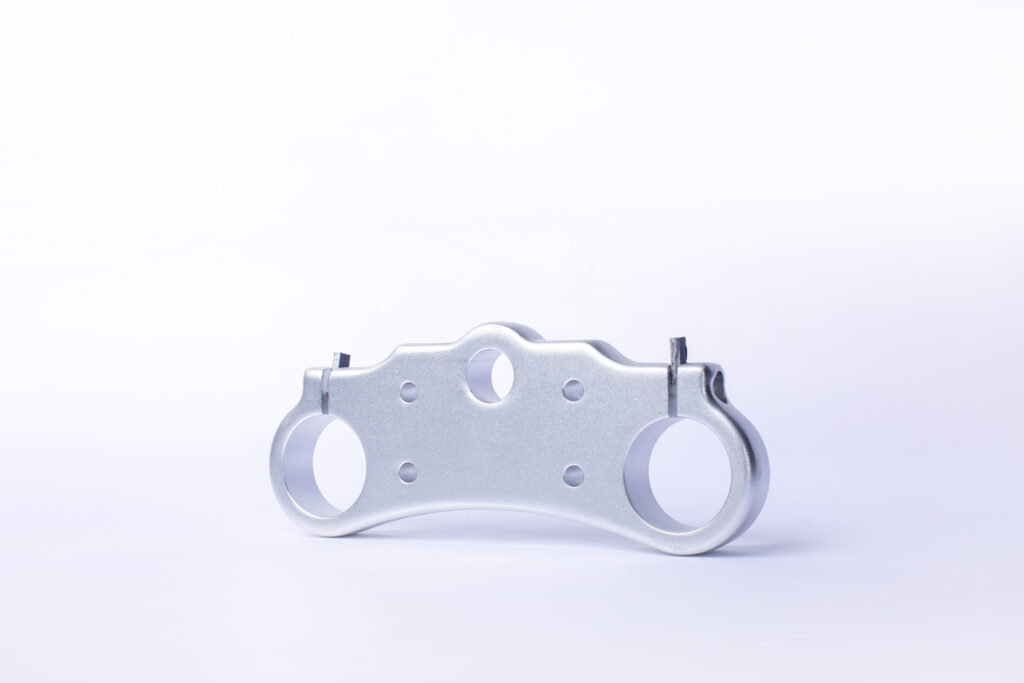
MINGYU Tech offers a variety of surface finishing options, allowing customers to choose the finish that best suits their application and aesthetic preferences.
Industry Trends: The Rise of Sustainable Manufacturing
As environmental concerns grow, the aluminum industry is increasingly focusing on sustainability. Aluminum is highly recyclable, and using recycled aluminum in the manufacturing process significantly reduces energy consumption and greenhouse gas emissions. MINGYU Tech is committed to sustainable manufacturing practices, incorporating recycled materials and energy-efficient processes to minimize the environmental impact of its operations.
Advanced Automation and Digitalization:
Another trend in the aluminum industry is the adoption of automation and digital technologies to improve production efficiency and product quality. MINGYU Tech leverages advanced automation systems, data analytics, and IoT (Internet of Things) technologies to optimize the manufacturing process, reduce waste, and ensure consistent quality.
Conclusion: MINGYU Tech’s Commitment to Excellence
The manufacturing process of aluminum profiles is a complex, multi-stage procedure that requires precision, expertise, and advanced technology. From raw material preparation to surface finishing, every step is crucial in producing high-quality aluminum profiles that meet the demands of various industries.
MINGYU Tech’s dedication to innovation, quality, and sustainability ensures that its aluminum profiles not only meet but exceed industry standards. Whether for construction, automotive, aerospace, or electronics, MINGYU Tech provides the expertise and technology needed to deliver superior aluminum profiles that are tailored to the specific needs of each customer.
As the industry continues to evolve, MINGYU Tech remains at the forefront, leading the way in the production of aluminum profiles that are not only high-performing but also environmentally responsible.