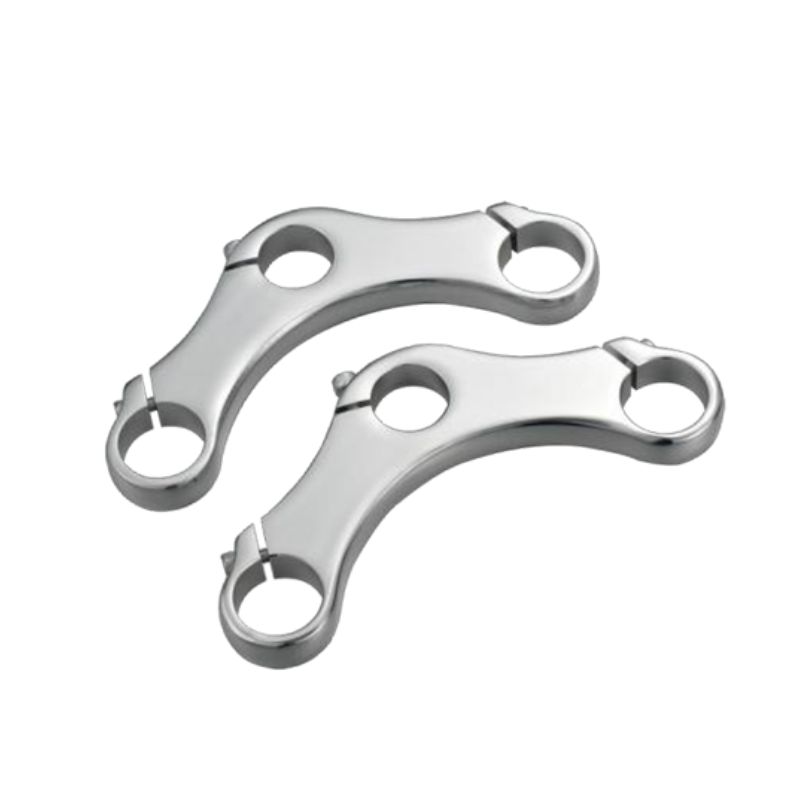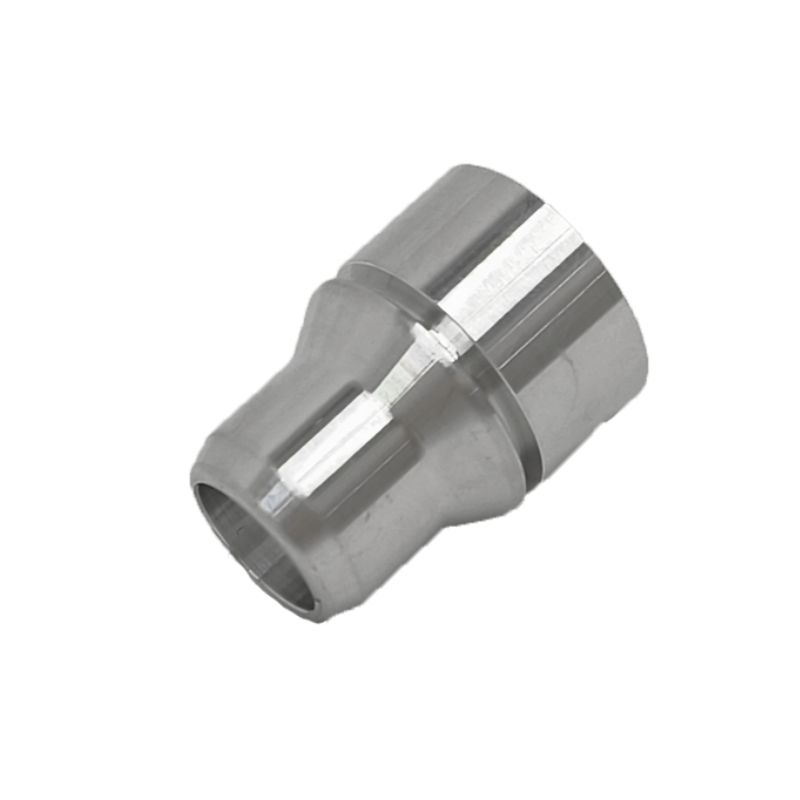

In modern manufacturing, the choice of materials and processes is critical to achieving efficiency, durability, and cost-effectiveness. Two commonly used materials in various industries are plastic molds and aluminum profiles. Both have unique properties and applications that make them suitable for different uses. MINGYU Tech, a leader in advanced manufacturing solutions, provides insights into the best uses of plastic mold manufacturing and aluminum profiles in the industry.
What is Plastic Mold Manufacturing?
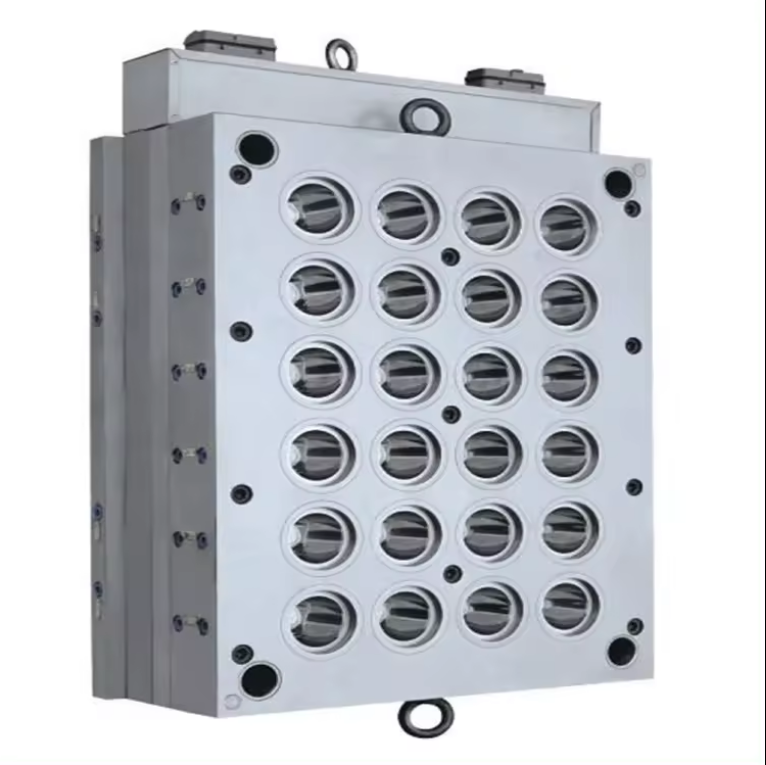
Plastic mold manufacturing involves creating molds used to shape plastic materials into desired forms. This process is essential in producing a wide range of plastic products, from everyday items to specialized components.
1. How Does Plastic Mold Manufacturing Work?
The process begins with designing a mold based on the product specifications. The mold is then fabricated using materials such as steel or aluminum. During production, molten plastic is injected into the mold, where it cools and solidifies into the final shape.
2. What Are the Best Uses of Plastic Mold Manufacturing?
- Mass Production:
Plastic mold manufacturing is ideal for mass-producing items due to its efficiency and repeatability. Products like bottles, containers, and toys can be produced quickly and consistently. - Complex Shapes and Designs:
Molds can be intricately designed to produce complex shapes that would be difficult or impossible to achieve with other methods. This is particularly useful in automotive, medical, and consumer electronics industries, where precision and detail are crucial. - Cost-Effectiveness:
For high-volume production runs, plastic molding is highly cost-effective. Once the initial mold is created, the per-unit production cost is relatively low, making it an economical choice for large-scale manufacturing.
What Are Aluminum Profiles?
Aluminum profiles are extruded aluminum shapes used in various construction and manufacturing applications. The extrusion process involves forcing aluminum through a die to create specific cross-sectional profiles.
1. How Are Aluminum Profiles Made?
Aluminum profiles are produced by heating aluminum billets and then extruding them through a die with the desired cross-sectional shape. The profiles are then cooled, cut to length, and may undergo further finishing processes such as anodizing or painting.
2. What Are the Best Uses of Aluminum Profiles?
- Construction and Architecture:
Aluminum profiles are widely used in the construction industry for framing, structural supports, and decorative elements. Their strength, lightweight nature, and corrosion resistance make them ideal for both interior and exterior applications. - Transportation Industry:
In the transportation sector, aluminum profiles are used in the manufacture of vehicle bodies, railcars, and aerospace components. Their lightweight properties contribute to fuel efficiency and performance. - Industrial Applications:
Aluminum profiles are essential in manufacturing equipment, assembly lines, and enclosures. Their versatility allows for custom designs and easy integration into various systems.

Comparing Plastic Mold Manufacturing and Aluminum Profiles
While both plastic mold manufacturing and aluminum profiles have distinct advantages, their applications vary significantly based on the material properties and the manufacturing processes involved.
1. Material Properties:
- Plastic:
Plastics are lightweight, versatile, and can be molded into intricate shapes. They are ideal for products requiring complex geometries and mass production. - Aluminum:
Aluminum is known for its strength, lightweight, and corrosion resistance. It is suitable for structural applications and products requiring durability and stability.
2. Manufacturing Processes:
- Plastic Molding:
Involves creating a mold and injecting molten plastic. Best suited for high-volume production and detailed designs. - Aluminum Extrusion:
Involves forcing heated aluminum through a die to create profiles. Ideal for structural components and custom shapes.
3. Cost Considerations:
- Plastic Mold Manufacturing:
Higher initial cost due to mold creation, but lower per-unit cost for large production runs. - Aluminum Profiles:
Cost-effective for medium to large production runs, with lower initial setup costs compared to molding.
Conclusion
Plastic mold manufacturing and aluminum profiles each offer unique benefits suited to different industrial applications. Plastic molds are ideal for high-volume production and complex shapes, while aluminum profiles excel in structural and versatile applications. MINGYU Tech specializes in providing high-quality solutions for both plastic molding and aluminum extrusion, ensuring that industries can leverage the best material and process for their specific needs. By understanding the strengths and applications of each, businesses can make informed decisions that enhance efficiency, quality, and cost-effectiveness.