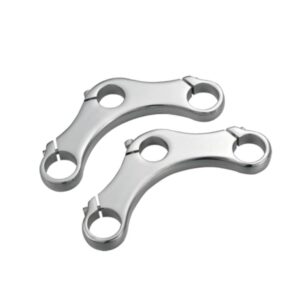
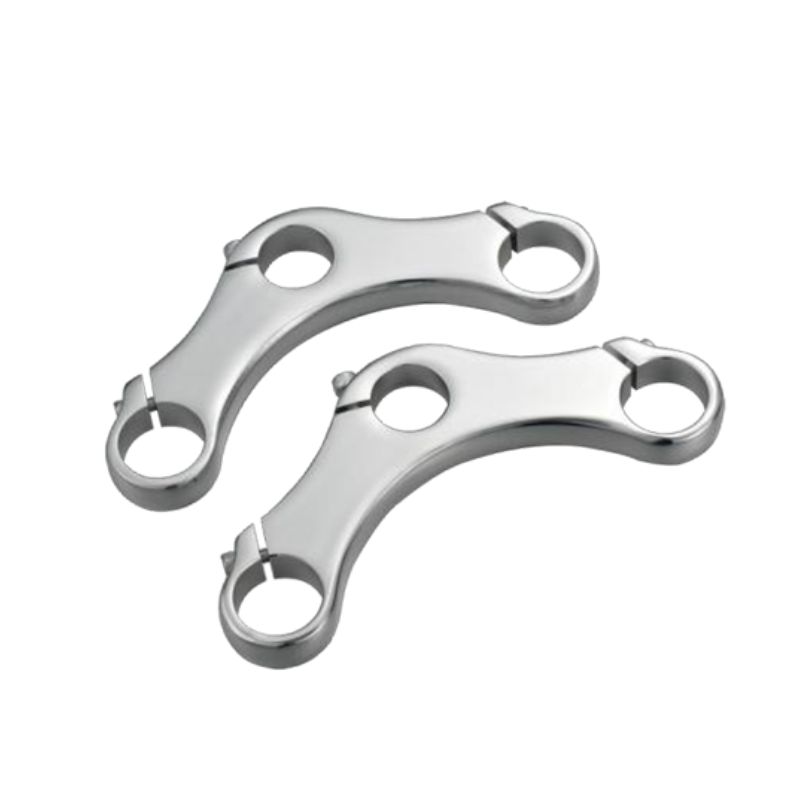
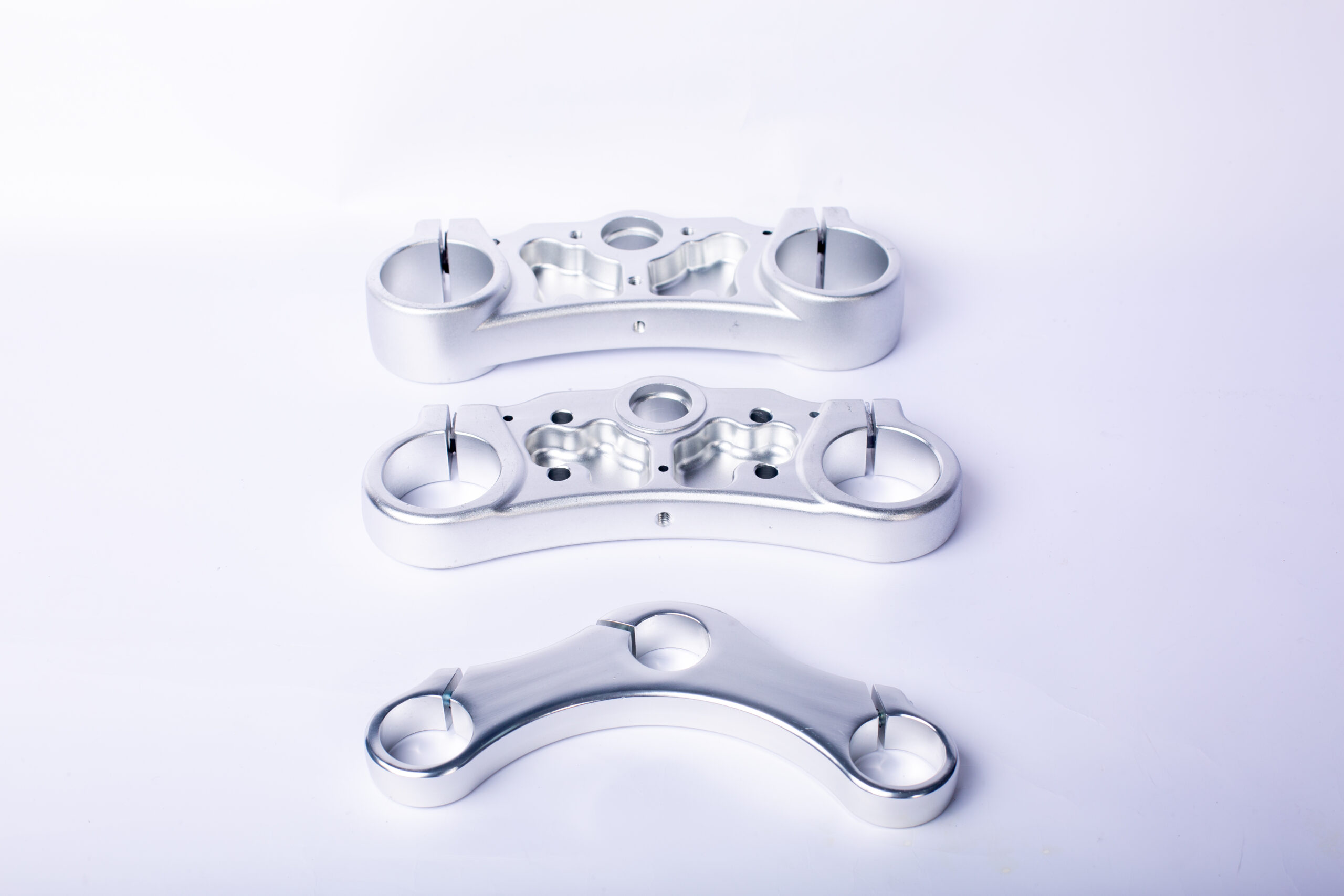
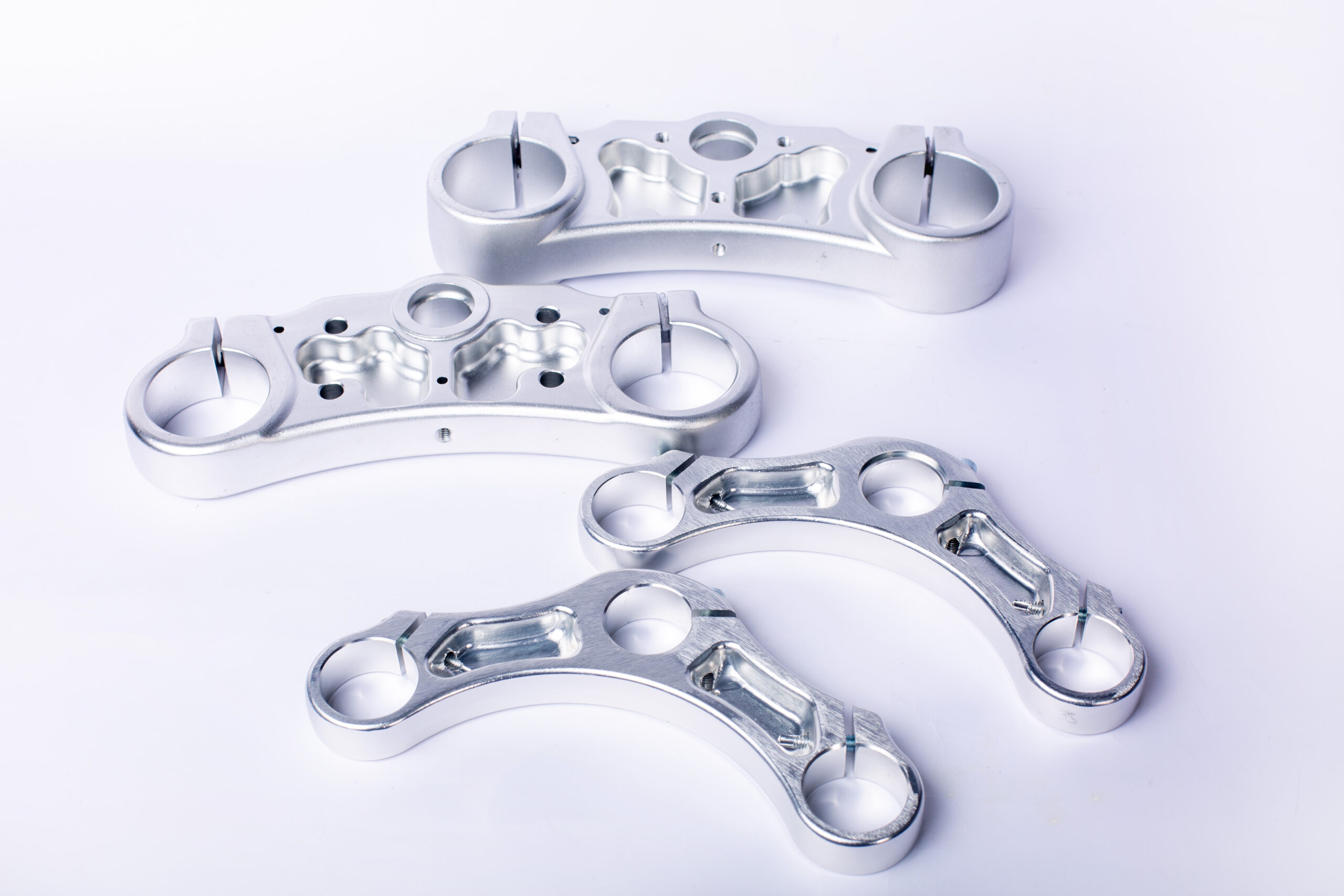
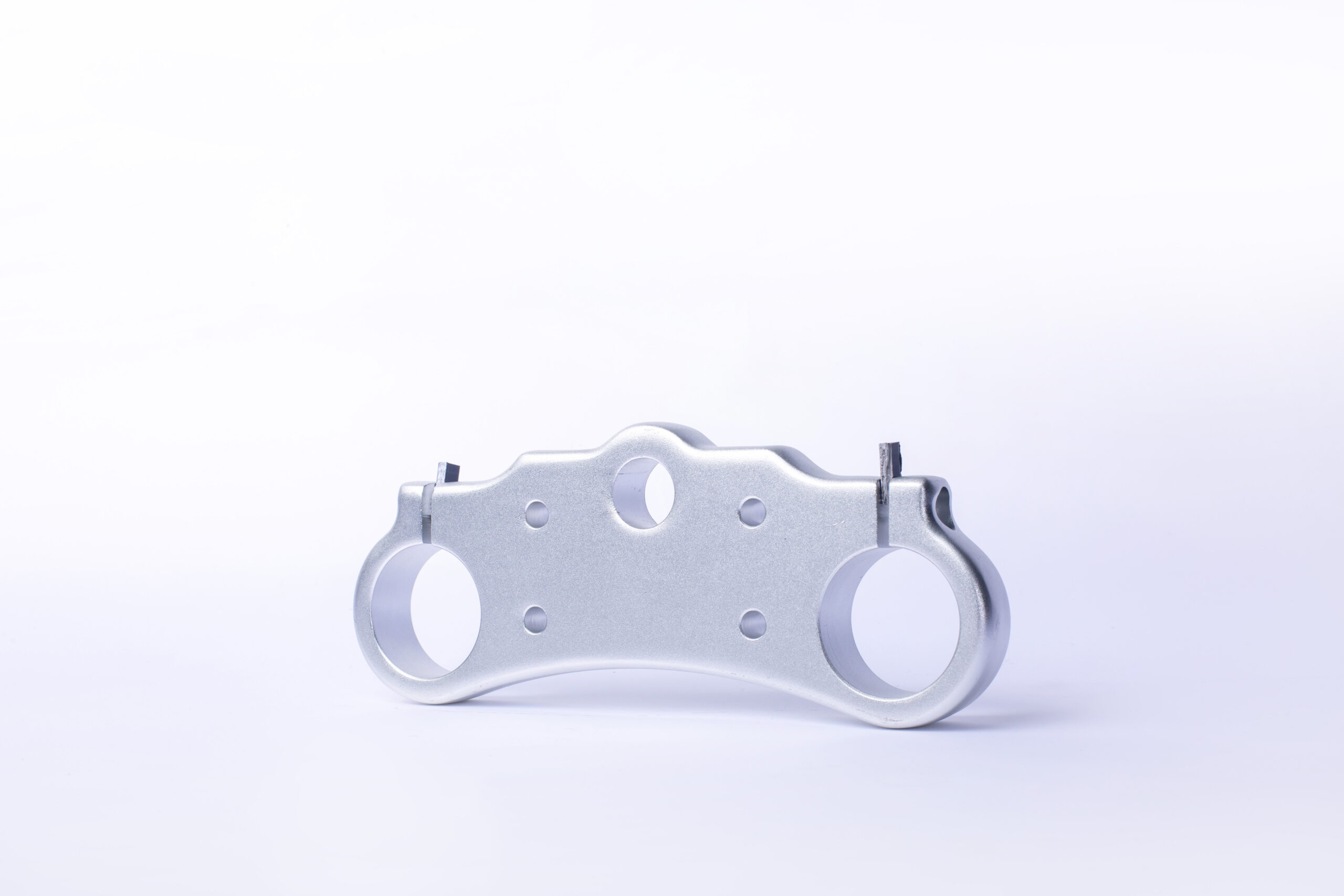
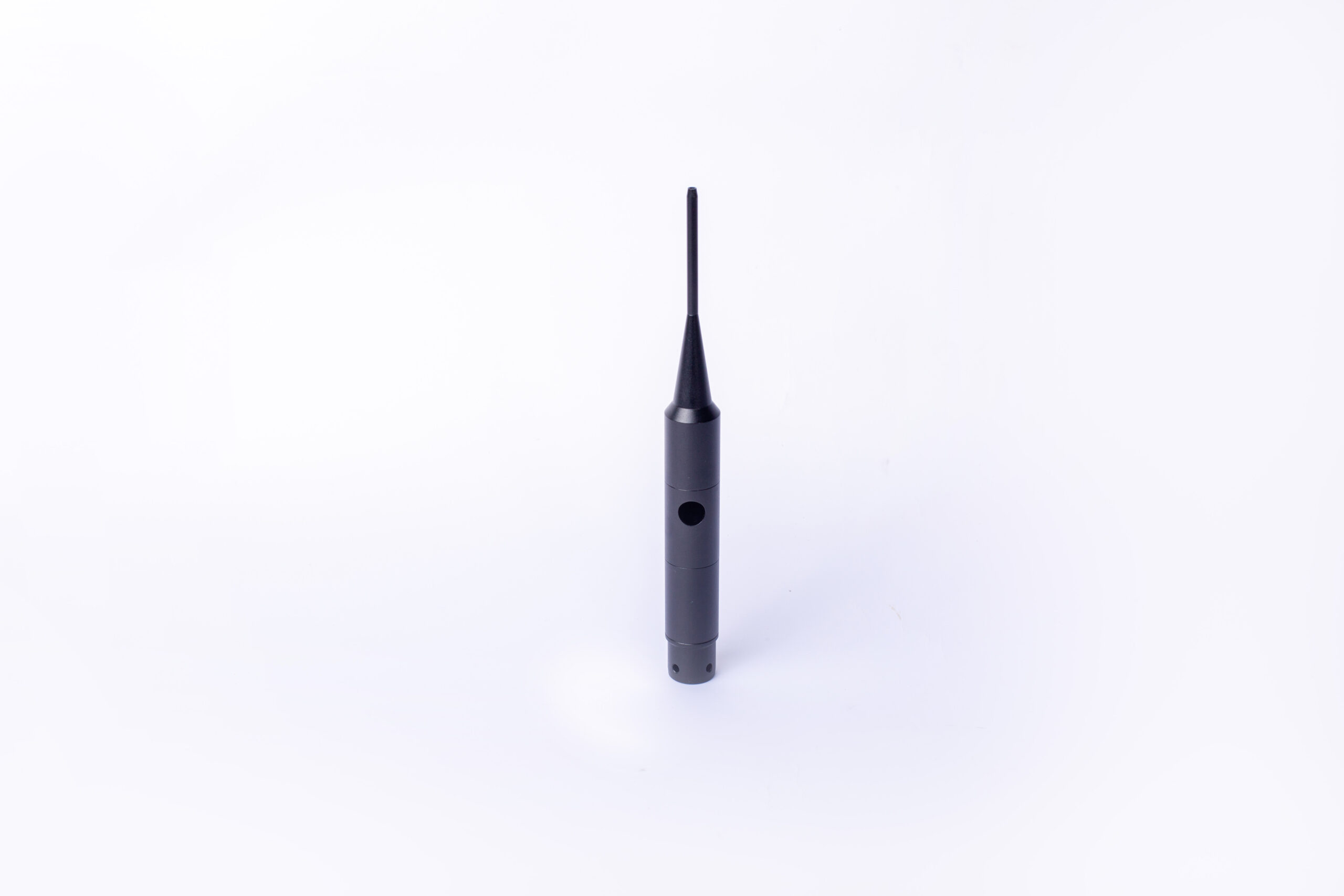
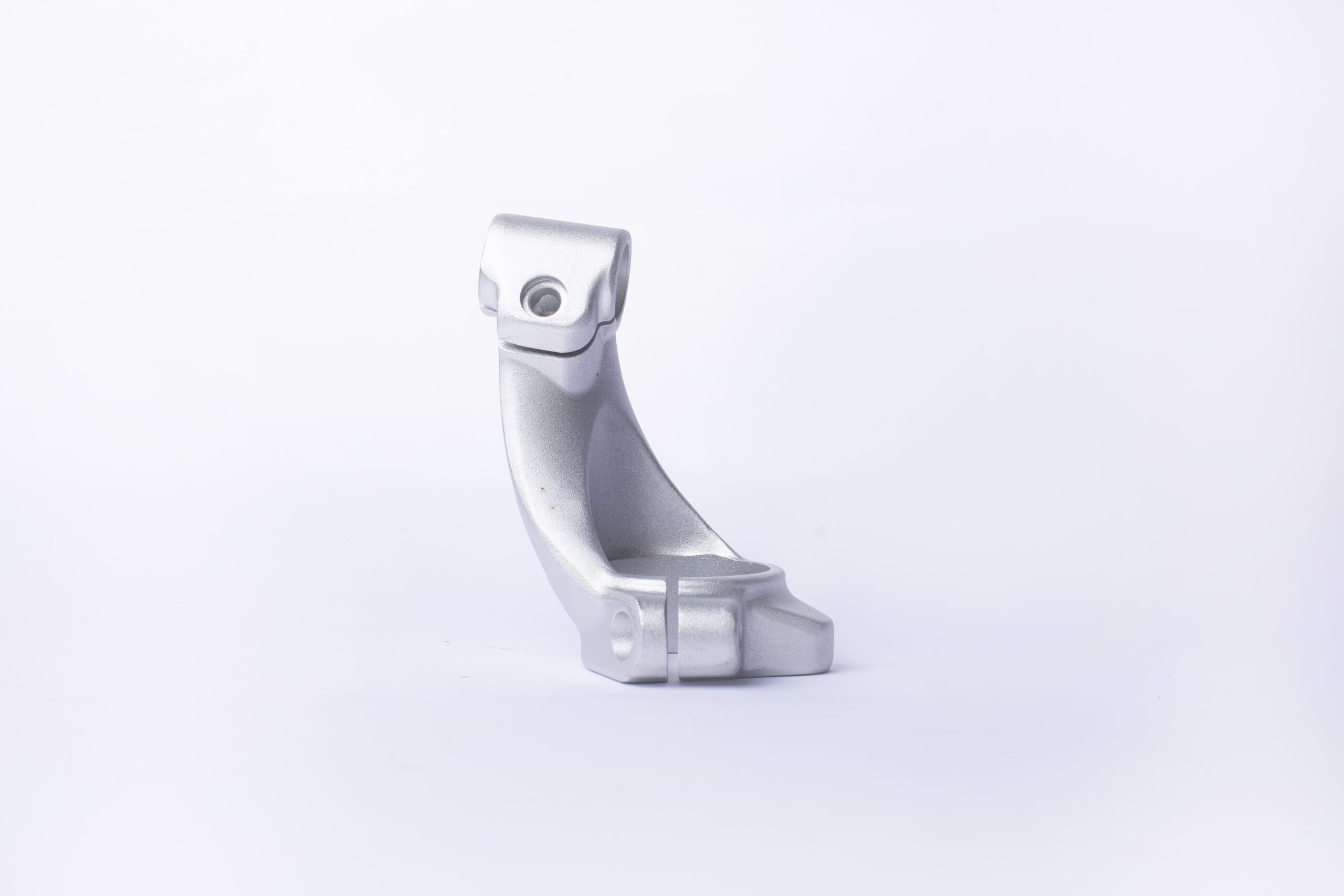
MINGYU Tech is a specialist in the production of large complex aluminum cold forging for the oil and gas industry. We have the expertise and advanced equipment to manufacture forgings that can withstand harsh environments and extreme conditions. Our experienced team works closely with customers to provide customized solutions that meet their specific needs. We also provide testing and inspection services to ensure the quality and integrity of forgings. Customer satisfaction and product excellence are at the core of our business.
The process of aluminum cold forging begins with the selection of high-quality aluminum alloys. These alloys must have specific properties, such as strength, durability, and corrosion resistance, to ensure the production of high-quality end products. Once the alloys are chosen, they are heated to a specific temperature and placed in a die, which is a specialized tool used to shape the aluminum. The die is then subjected to high pressure, which forces the heated aluminum into the desired shape.
One of the key advantages of aluminum cold forging is the ability to produce complex and intricate shapes with high precision and accuracy. This makes it a preferred method for the production of intricate parts, such as engine components, that require high strength and durability. Additionally, the process of forging also enhances the strength and mechanical properties of the aluminum, resulting in a stronger and more durable end product.
Another benefit of aluminum cold forging is its cost-effectiveness. The use of high-pressure and heat reduces the need for additional machining processes, which in turn, reduces production costs. This makes aluminum cold forging a popular choice for mass production of components, as it offers a cost-efficient solution.
| Place of Origin | China |
| Material | Metal Aluminium Steel Copper Brass |
| Process | Forging+machining+HT+finish Machining |
| Surface treatment | Polishing |
| Application | Machinery Parts |
| Product name | aluminum cold forging |
| Certificate | TS16949/ISO9001 |
| Color | Customized Color |
| Quality Control | 100% Inspection |
| Lead Time | 19-38 Days |
| MOQ | 1 Piece |
| Supply Ability | 213888 Piece/Pieces per Month |
| Quantity (pieces) | > 462 |
| Lead time (days) | To be negotiated |


aluminum cold forging FAQs Guide.
Our company is dedicated to providing high-quality aluminum cold forging products to meet the needs of various industries. With advanced technology and skilled craftsmanship, we have become a leading manufacturer in the field of aluminum cold forging. Our products are widely used in aerospace, automotive, and construction industries, just to name a few. We take great pride in our products as they are not only durable and reliable, but also lightweight and eco-friendly. Through this introduction, we hope to showcase the versatility and excellence of our aluminum cold forging products. Thank you for choosing us as your trusted provider of top-notch aluminum cold forging products.
1.About the scale of aluminum cold forging factory
The size of an aluminum forging factory depends on the type of products it produces and the size of the orders it receives. Some aluminum forging factories may be small, producing only a few parts at a time, while others may be large, producing thousands of parts per day. The size of the factory also depends on the type of equipment used, the number of employees, and the amount of space available.
2.About aluminum cold forging inventory
Aluminum forging inventory is a collection of aluminum parts that have been forged into a specific shape or size. This inventory is typically used in the manufacturing of parts for various industries, such as automotive, aerospace, and medical. Aluminum forging is a process that involves heating and shaping aluminum into a desired shape or size. This process is often used to create parts that are stronger and more durable than those made from other materials. Aluminum forging inventory can include a variety of shapes and sizes, including rods, bars, tubes, and plates.
3.About aluminum cold forging MOQ
The minimum order quantity (MOQ) for aluminum forging depends on the size and complexity of the part being forged. Generally, the MOQ for aluminum forging is between 500 and 1000 pieces. However, some aluminum forging companies may be willing to accept orders for smaller quantities.
4.What level of precision can be achieved in aluminum cold forgings?
The level of precision that can be achieved in aluminum forgings depends on the type of forging process used and the quality of the raw material. Generally, aluminum forgings can achieve tolerances of up to +/- 0.005 inches (0.127 mm). However, some processes can achieve even higher levels of precision, such as die forging, which can achieve tolerances of up to +/- 0.001 inches (0.025 mm).
5.What factors affect the strength and hardness of aluminum cold forgings?
Our aluminum cold forging products have competitive and differentiated advantages, and actively promote digital transformation and innovation.
1. Alloy composition: The alloy composition of aluminum forgings affects the strength and hardness of the material. Different alloying elements can be added to aluminum to increase its strength and hardness.
2. Heat treatment: Heat treatment is an important factor in determining the strength and hardness of aluminum forgings. Different heat treatments can be used to increase the strength and hardness of aluminum forgings.
3. Grain size: The grain size of aluminum forgings affects the strength and hardness of the material. Smaller grain sizes can increase the strength and hardness of aluminum forgings.
4. Stress relief: Stress relief is an important factor in determining the strength and hardness of aluminum forgings. Stress relief can be used to reduce internal stresses in the material, which can increase the strength and hardness of aluminum forgings.
5. Surface finish: The surface finish of aluminum forgings affects the strength and hardness of the material. A smoother surface finish can increase the strength and hardness of aluminum forgings.
6.How does heat treatment affect the strength and durability of aluminum cold forgings?
We maintain a certain amount of R&D investment every year and continuously improve operational efficiency to provide better services to our cooperative customers.
Heat treatment can significantly improve the strength and durability of aluminum forgings. Heat treatment can increase the strength of aluminum by increasing the hardness of the material, which can help to reduce wear and tear. Heat treatment can also improve the fatigue strength of aluminum, which can help to increase the life of the part. Heat treatment can also improve the corrosion resistance of aluminum, which can help to increase the durability of the part.
7.About aluminum cold forging patent
Aluminum forging patents are patents that cover the process of forging aluminum into a desired shape. This process involves heating the aluminum to a high temperature and then using a hammer or press to shape it into the desired shape. The process of aluminum forging is used to create parts for a variety of industries, including automotive, aerospace, and medical. Patents related to aluminum forging cover the process of forging, the tools used, and the materials used.
8.Are there any specialized equipment or machinery used in aluminum cold forging?
We have advantages in marketing and channel expansion. Suppliers have established good cooperative relations, continuously improved workflows, improved efficiency and productivity, and provided customers with high -quality products and services.
Yes, there are several specialized pieces of equipment and machinery used in aluminum forging. These include presses, hammers, dies, furnaces, and anvils. Additionally, some aluminum forging processes may require specialized tools such as mandrels, punches, and trimming tools.
9.What are the different types of aluminum cold forging?
We have flexible production capacity. Whether you are large orders or small orders, you can produce and release goods in a timely manner to meet customer needs.
1. Closed Die Forging: This type of forging involves the use of two dies that are closed together to form a shape. The dies are usually made of steel and the aluminum is heated and then placed between the dies. The dies are then closed and the aluminum is forced into the desired shape.
2. Open Die Forging: This type of forging involves the use of a single die that is open at the top. The aluminum is heated and then placed in the die. The die is then closed and the aluminum is forced into the desired shape.
3. Roll Forging: This type of forging involves the use of two rolls that are used to shape the aluminum. The aluminum is heated and then placed between the rolls. The rolls are then rotated and the aluminum is forced into the desired shape.
4. Impact Forging: This type of forging involves the use of a hammer or other tool to shape the aluminum. The aluminum is heated and then placed on an anvil. The hammer or other tool is then used to shape the aluminum into the desired shape.
10.About aluminum cold forging raw material procurement system
Aluminum forging raw material procurement system is a computerized system designed to streamline the process of procuring raw materials for aluminum forging. The system is designed to provide a comprehensive view of the entire procurement process, from the initial request for materials to the final delivery of the materials. The system can be used to track the status of orders, monitor inventory levels, and generate reports on the performance of the procurement process. The system also provides a platform for communication between suppliers and buyers, allowing for efficient and timely communication. The system can also be used to automate the process of ordering and tracking materials, reducing the amount of manual labor required.
11.What is the typical lifespan of an aluminum cold forging compared to other metal parts?
The typical lifespan of an aluminum forging is typically longer than other metal parts due to its superior strength and corrosion resistance. Aluminum forgings can last up to three times longer than other metal parts, depending on the application.
12.How are defects identified and corrected during the aluminum cold forging process?
Our products & services cover a wide range of areas and meet the needs of different fields.
Defects in aluminum forging can be identified and corrected through a variety of methods. Visual inspection is the most common method used to identify defects. This involves looking for surface irregularities, such as cracks, porosity, or other surface defects. Ultrasonic testing is also used to detect internal defects, such as voids, inclusions, or cracks. X-ray and radiographic testing can also be used to detect internal defects. Once a defect is identified, it can be corrected by reworking the part, using a different forging process, or by using a different material.
13.What safety precautions should be taken when working with hot aluminum during the forging process?
We focus on providing high aluminum cold forging quality products and services.
1. Wear protective clothing, such as heat-resistant gloves, long sleeves, and safety glasses.
2. Use tongs or other tools to handle the hot aluminum.
3. Ensure that the work area is well-ventilated and free of combustible materials.
4. Have a fire extinguisher nearby in case of an emergency.
5. Keep a bucket of water nearby to cool down the aluminum if necessary.
6. Use a heat shield to protect yourself from the heat of the aluminum.
7. Do not forge aluminum near any open flames or sparks.
8. Do not forge aluminum in an enclosed space.
9. Do not forge aluminum near any combustible materials.
10. Make sure to keep the aluminum away from any flammable liquids.
14.About aluminum cold forging quality system
Aluminum forging quality systems are designed to ensure that aluminum forgings meet the highest standards of quality and performance. Quality systems typically include a set of processes and procedures that are designed to ensure that all aluminum forgings meet the required specifications. Quality systems may include processes such as material selection, heat treatment, machining, and inspection. Quality systems also include documentation and record keeping to ensure that all processes are properly documented and tracked. Quality systems are essential for ensuring that aluminum forgings meet the highest standards of quality and performance.
15.Can aluminum cold forgings be heat treated?
We have rich industry experience and professional knowledge, and have strong competitiveness in the market.
Yes, aluminum forgings can be heat treated. Heat treating is a process used to alter the physical and chemical properties of a material. It is commonly used to increase the strength and hardness of aluminum forgings.
Tag:aluminum forging factories,forged 7075 t6 aluminum,aluminum forge casting,aluminum forgings 7075-t6