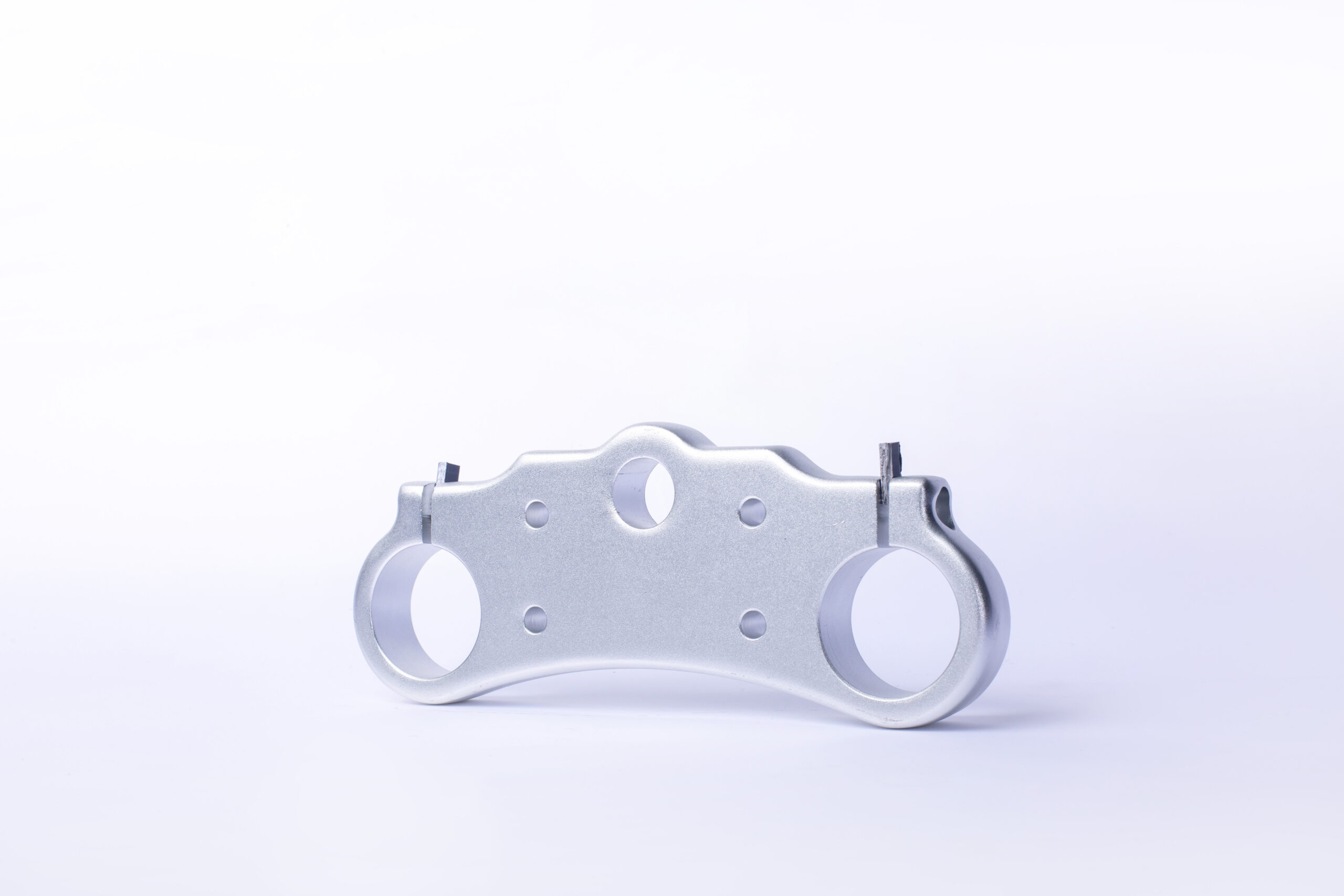
Mingyu Technology is the top supplier of aluminum extrusion alloy in the shipbuilding industry. Our company has extensive experience in the production of extruded parts for ships, yachts and other marine vessels. We offer a wide range of standard and specialty profiles as well as custom solutions to meet our customers’ unique needs. Mingyu Technology focuses on quality and durability, using only the highest quality materials and advanced manufacturing processes to ensure its products can withstand the harsh marine environment. They have a global customer base and have earned a good reputation in the industry.
One of the key benefits of aluminum extrusion alloy is its lightweight yet durable nature. The aluminum alloys used in this process have excellent strength-to-weight ratios, making them ideal for applications that require strength and stability without adding excess weight. This makes aluminum extrusion alloy a popular choice for aviation, automotive, and construction industries.
Furthermore, aluminum extrusion alloy have excellent corrosion resistance, making them suitable for use in outdoor and high-moisture environments. The material is also highly malleable, allowing for a variety of surface finishes to be applied, including anodizing, powder coating, and polishing. This makes aluminum extrusion alloy highly versatile and customizable for different aesthetic and functional requirements.
| OEM/ODM | Yes |
| Length | Customised Length |
| shape | customized |
| Material | 6463 6063 Aluminum Alloys |
| Colour | Customised colour |
| MOQ | 150 Kilograms |
| Fabrication | Machining, CNC, sawing, milling, punching, lathing, tapping, chamfering, laser, cold drawing |
| Type | windor frame, Home decoration profiles,furniture products,furniture handle. |
| Certificate | For SGS, ISO9001 2015, RoHS |
| Surface Processing | Anodize, Polish, Brush, Coating |


aluminum extrusion alloy FAQs Guide.
In this guide, we will provide you with all the information you need to know about our top-quality aluminum extrusion alloy and how they can benefit you and your projects. With extensive experience in the industry, our products are trusted by professionals and DIY enthusiasts alike. From industrial applications to home improvement projects, our aluminum extrusion alloy offer durability, versatility, and customization options to meet all your needs. Read on to discover more about our aluminum extrusion alloy products and why they should be your top choice.
1.What is the most commonly used aluminum alloy for extrusion?
Our company has many years of aluminum extrusion alloy experience and expertise.
The most commonly used aluminum alloy for extrusion is 6063. It is a medium strength alloy that is heat treatable and is often used for architectural applications such as window frames, door frames, roofs, and sign frames.
2.What future developments are being made in the field of aluminum extrusion alloy?
1. Improved extrusion dies: Advances in die design and manufacturing technology are allowing for the production of more complex shapes and profiles with greater precision.
2. Automation: Automation is being used to increase efficiency and reduce costs in the aluminum extrusion process. Automated systems can be used to control the extrusion process, monitor quality, and reduce scrap.
3. Improved alloys: New alloys are being developed to improve the strength and durability of aluminum extrusions. These alloys can be tailored to specific applications and can provide improved performance in areas such as corrosion resistance, strength, and ductility.
4. Additive manufacturing: Additive manufacturing is being used to create complex shapes and profiles that would be difficult or impossible to produce using traditional extrusion methods. This technology can also be used to reduce waste and improve the efficiency of the extrusion process.
3.What environmental considerations should be taken into account when using aluminum extrusion alloy?
I have a comprehensive after -sales service system, which can pay attention to market trends in time and adjust our strategy in a timely manner.
1. Recyclability: Aluminum extrusion is 100% recyclable, making it an environmentally friendly choice.
2. Energy Efficiency: Aluminum extrusion is a highly efficient process that requires less energy than other manufacturing processes.
3. Pollution: Aluminum extrusion produces fewer emissions than other manufacturing processes, making it a more environmentally friendly choice.
4. Waste: Aluminum extrusion produces very little waste, making it a more sustainable choice.
5. Durability: Aluminum extrusion is a durable material that can last for decades, reducing the need for replacement and reducing the environmental impact of manufacturing new products.

4.How does the use of aluminum extrusion alloy impact the recyclability of a product?
We have the leading technology and innovation capabilities, and attach importance to employee training and development, and provide promotion opportunities.
The use of aluminum extrusion can have a positive impact on the recyclability of a product. Aluminum is a highly recyclable material, and extruded aluminum products can be recycled with minimal energy and cost. The extrusion process also helps to reduce the amount of scrap material generated, which can further reduce the environmental impact of the product. Additionally, aluminum extrusion can be used to create products with a longer lifespan, which can reduce the need for replacement and further reduce the environmental impact of the product.
5.How does the choice of lubrication method affect the extrusion process?
The choice of lubrication method can have a significant impact on the extrusion process. Different lubrication methods can affect the surface finish of the extruded product, the amount of friction generated during the process, and the amount of energy required to complete the extrusion. For example, using a dry lubricant such as graphite or molybdenum disulfide can reduce friction and improve surface finish, while using a wet lubricant such as oil or grease can reduce friction and improve the flow of the material. Additionally, the choice of lubrication method can affect the amount of heat generated during the process, which can have an impact on the quality of the extruded product.
6.How does the temperature affect the extrusion process?
We have a first -class management team, and we pay attention to teamwork to achieve common goals.
Temperature has a significant effect on the extrusion process. The temperature of the material being extruded must be kept within a certain range in order for the material to flow properly and be extruded correctly. If the temperature is too low, the material will be too viscous and will not flow properly. If the temperature is too high, the material may become too soft and may not hold its shape. Additionally, the temperature of the die and the barrel must be kept within a certain range in order for the material to be properly extruded. If the temperature is too low, the material may not flow properly and may not be extruded correctly. If the temperature is too high, the material may become too soft and may not hold its shape.

7.What quality control measures are taken during the extrusion process?
We have advantages in marketing and channel expansion. Suppliers have established good cooperative relations, continuously improved workflows, improved efficiency and productivity, and provided customers with high -quality products and services.
1. Visual inspection: Inspecting the extruded product for any defects or inconsistencies in shape, size, and color.
2. Dimensional checks: Checking the dimensions of the extruded product to ensure it meets the required specifications.
3. Material testing: Testing the material used in the extrusion process to ensure it meets the required standards.
4. Pressure testing: Testing the pressure of the extrusion process to ensure it is within the required range.
5. Temperature testing: Testing the temperature of the extrusion process to ensure it is within the required range.
6. Speed testing: Testing the speed of the extrusion process to ensure it is within the required range.
7. Quality assurance: Ensuring that the extruded product meets the required quality standards.
8.Can dissimilar metals be joined through aluminum extrusion alloy?
We adhere to the principle of quality first and have a complete production quality management system and quality inspection process.
Yes, dissimilar metals can be joined through aluminum extrusion. This is done by using a process called bimetallic extrusion, which involves combining two different metals into a single extrusion. The two metals are joined together by a layer of aluminum, which acts as a bonding agent. This process is often used to join aluminum and steel, but can also be used to join other metals such as copper and brass.
9.What types of products can be made with aluminum extrusion alloy?
We have a professional team that is committed to the innovation and development of aluminum extrusion alloy.
Aluminum extrusion can be used to create a wide variety of products, including window and door frames, furniture, shelving, automotive parts, electronics, and medical equipment. It can also be used to create custom shapes and sizes for a variety of applications.
10.How does the speed of the extrusion process affect the quality of the final product?
We enjoy high authority and influence in the industry and continue to innovate products and service models.
The speed of the extrusion process can have a significant impact on the quality of the final product. If the speed is too slow, the material may not be properly mixed and the product may not have the desired properties. If the speed is too fast, the material may be overworked and the product may be of poor quality. Additionally, the speed of the extrusion process can affect the surface finish of the product, as well as the dimensional accuracy.
11.How does the extrusion process affect surface finish and dimensional accuracy?
The extrusion process can affect surface finish and dimensional accuracy in a few ways. The surface finish of the extruded part is determined by the die used in the extrusion process. If the die is not properly designed or maintained, the surface finish of the part can be poor. Additionally, the dimensional accuracy of the part is affected by the amount of pressure used during the extrusion process. If the pressure is too high, the part can be distorted, resulting in inaccurate dimensions. Finally, the speed of the extrusion process can also affect the dimensional accuracy of the part. If the speed is too fast, the part can be stretched, resulting in inaccurate dimensions.
12.Can aluminum extrusion alloy be used in high temperature applications?
We maintain a stable growth through reasonable capital operations, focus on industry development trends and cutting -edge technologies, and focus on product quality and safety performance.
Yes, aluminum extrusion can be used in high temperature applications. Aluminum is a strong and lightweight metal that is able to withstand high temperatures without losing its strength or becoming brittle. It is also resistant to corrosion and can be used in a variety of applications, including automotive, aerospace, and industrial applications.
13.How does the die design affect the quality of the extruded product?
We continue to improve aluminum extrusion alloy products and processes to improve efficiency.
The die design affects the quality of the extruded product in several ways. The die design determines the shape of the product, the size of the product, and the surface finish of the product. The die design also affects the flow of the material through the die, which can affect the uniformity of the product. Additionally, the die design can affect the amount of pressure needed to extrude the material, which can affect the strength and durability of the product.
14.Can custom colors be achieved through aluminum extrusion alloy?
We are centered on customers and always pay attention to customers’ needs for aluminum extrusion alloy products.
Yes, custom colors can be achieved through aluminum extrusion. Depending on the desired color, the aluminum can be anodized, painted, powder coated, or dyed.
15.What is aluminum extrusion alloy?
We focus on providing high aluminum extrusion alloy quality products and services.
Aluminum extrusion is a process of shaping aluminum by forcing it to flow through a shaped opening in a die. The extruded aluminum takes on the shape of the die opening. This process is used to create a wide variety of shapes and sizes of aluminum parts, including rods, bars, angles, channels, and frames.
16.Can aluminum extrusion alloy be used for medical devices?
Yes, aluminum extrusion can be used for medical devices. Aluminum extrusion is a process that is used to create complex shapes and components from aluminum. It is often used in the medical device industry to create components such as housings, frames, and other parts. Aluminum extrusion is a cost-effective and efficient way to create components for medical devices.
Tag:sliding aluminum extrusion,aluminum extrusion and lasercut,aluminum extrusion supplier