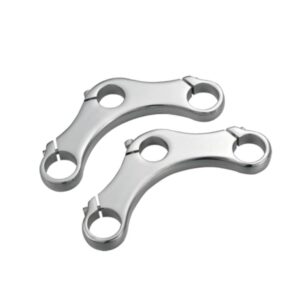
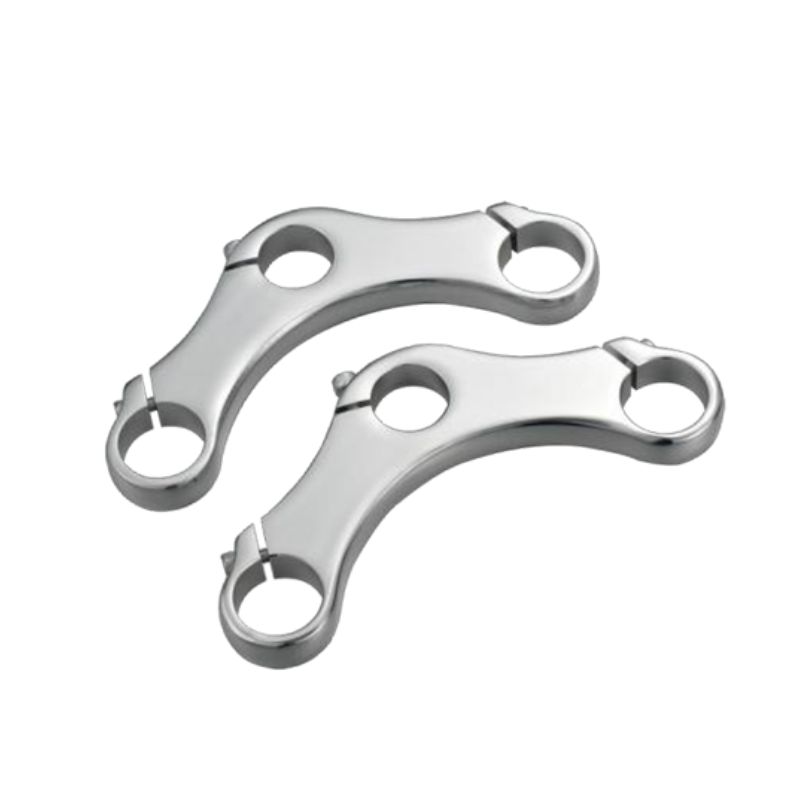
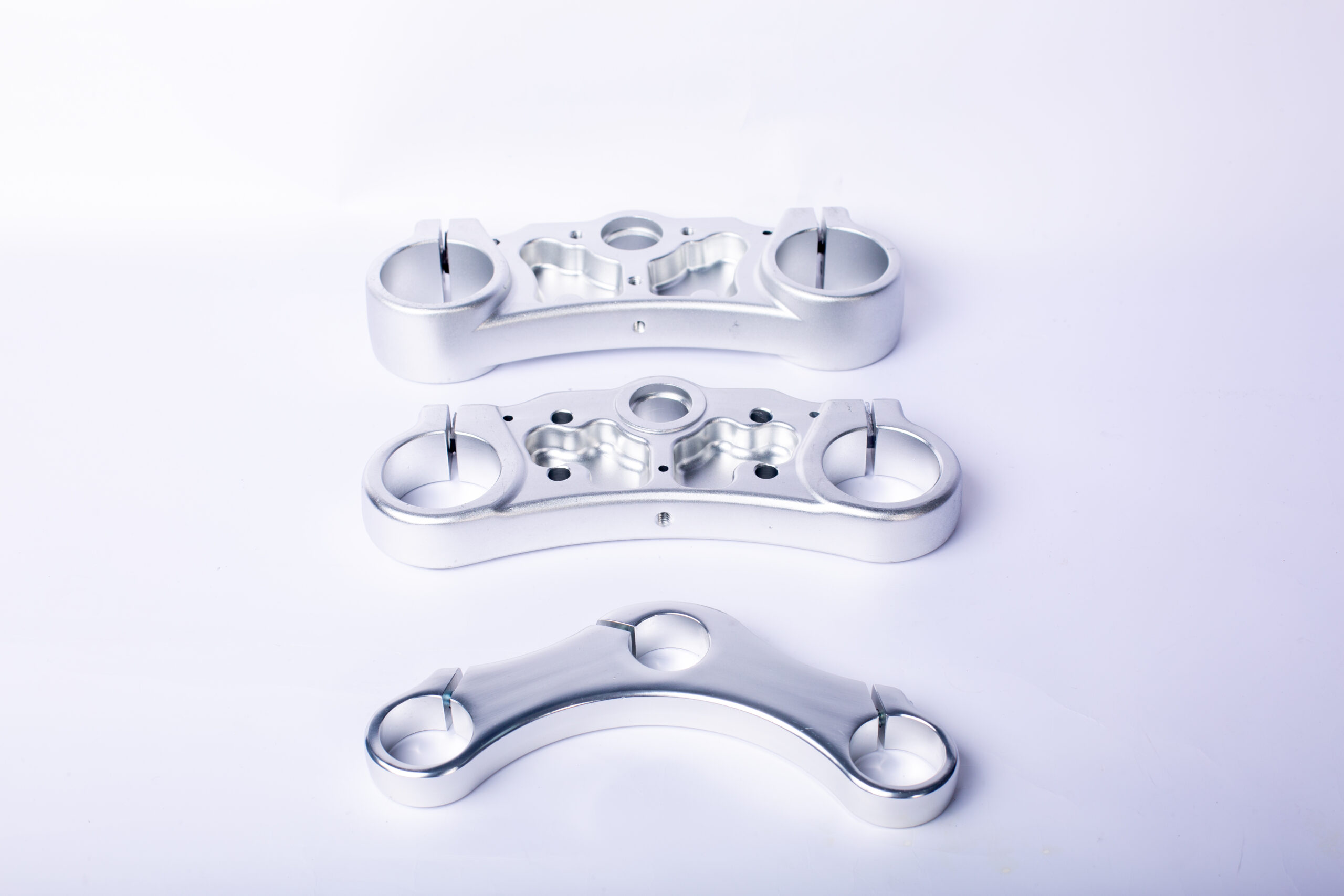
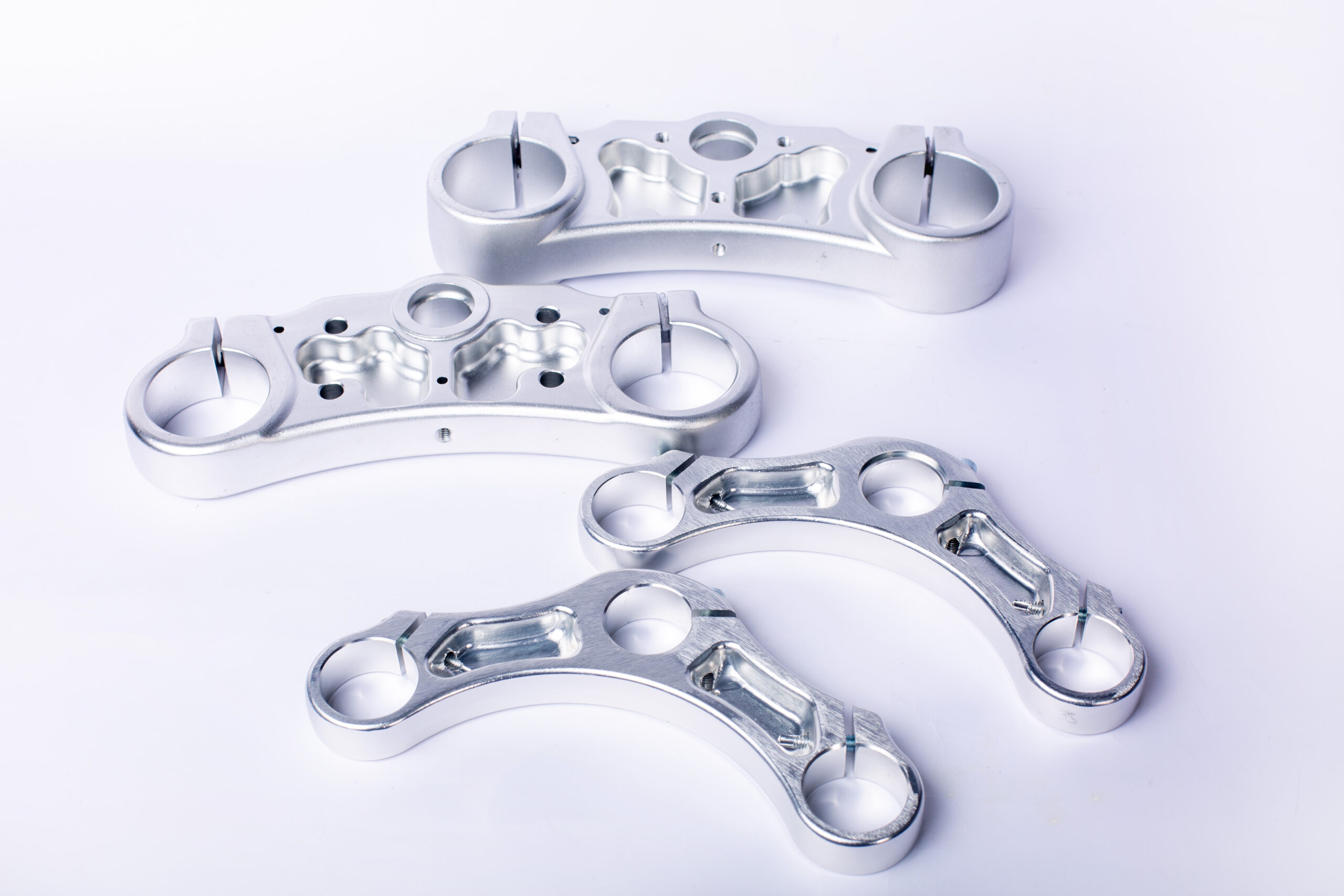
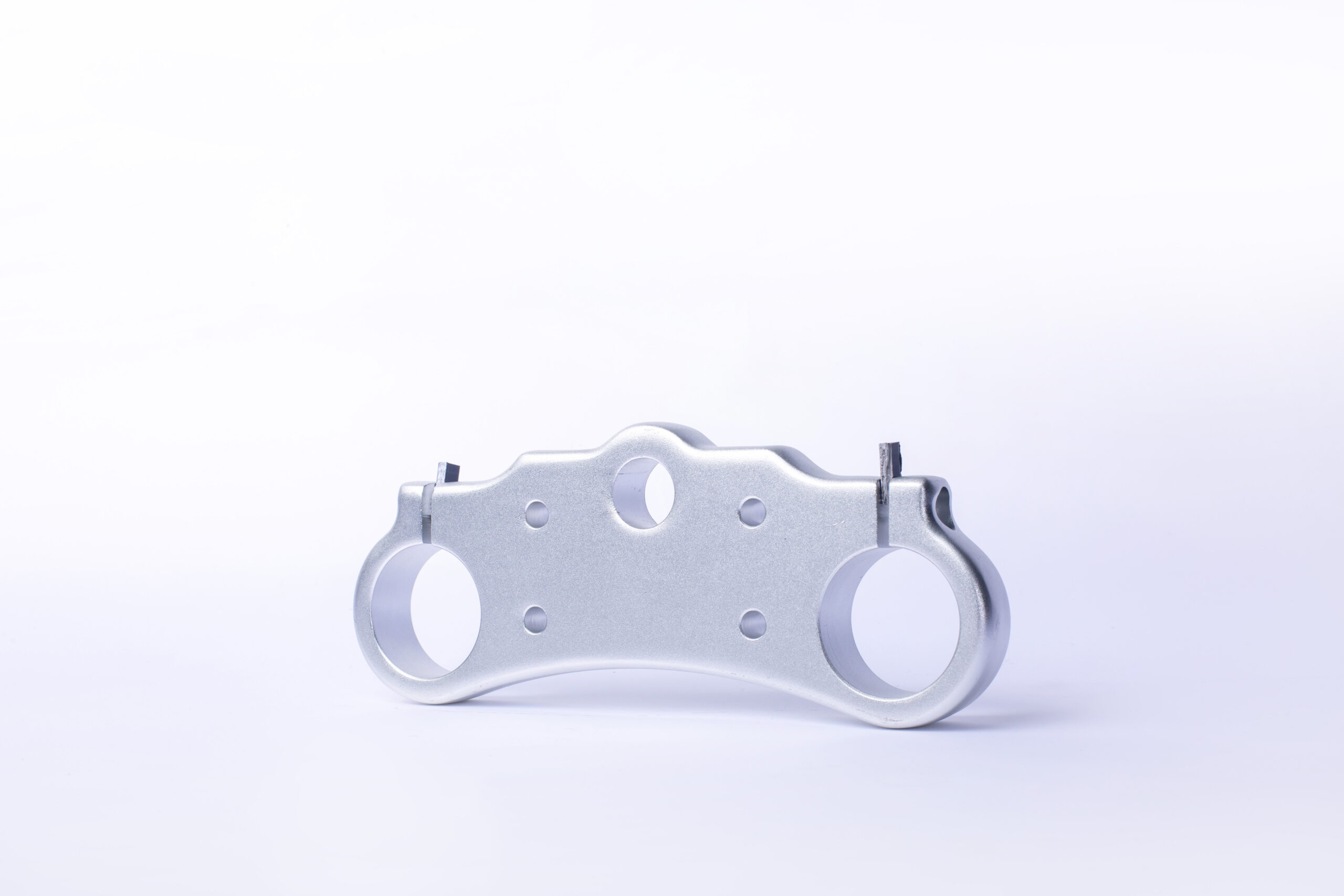
MINGYU Tech is a trusted name in the aluminum extrusion and fabrication industry, known for its high-quality products and exceptional service. Our company offers a variety of standard and custom aluminum extrusion and fabrication for a variety of applications including furniture, appliances and consumer products. We have well-equipped facilities and skilled workforce for efficient production and timely delivery. With a focus on innovation and customer satisfaction, Mingyu Technology has become the supplier of choice for many companies looking for reliable and durable profiles.
The aluminum extrusion and fabrication product is a lightweight and durable material, made from the process of pushing or pulling a metal ingot through a die of a smaller cross-sectional area. This results in a long and uniform cross-section of the desired shape.
The use of aluminum extrusion and fabrication has gained popularity in various industries due to its excellent strength-to-weight ratio, corrosion resistance, and cost-effectiveness. It is commonly used in automotive, construction, aerospace, and electrical industries for applications such as frames, structures, electrical enclosures, and door and window frames.
One of the key advantages of aluminum extrusion and fabrication is its versatility, as it can be molded into a wide variety of shapes and sizes to meet specific design requirements. It can also be easily welded, machined, and finished to achieve a desired surface texture.
| OEM/ODM | Yes |
| Length | Customised Length |
| shape | customized |
| Material | 6463 6063 Aluminum Alloys |
| Colour | Customised colour |
| MOQ | 150 Kilograms |
| Fabrication | Machining, CNC, sawing, milling, punching, lathing, tapping, chamfering, laser, cold drawing |
| Type | windor frame, Home decoration profiles,furniture products,furniture handle. |
| Certificate | For SGS, ISO9001 2015, RoHS |
| Surface Processing | Anodize, Polish, Brush, Coating |
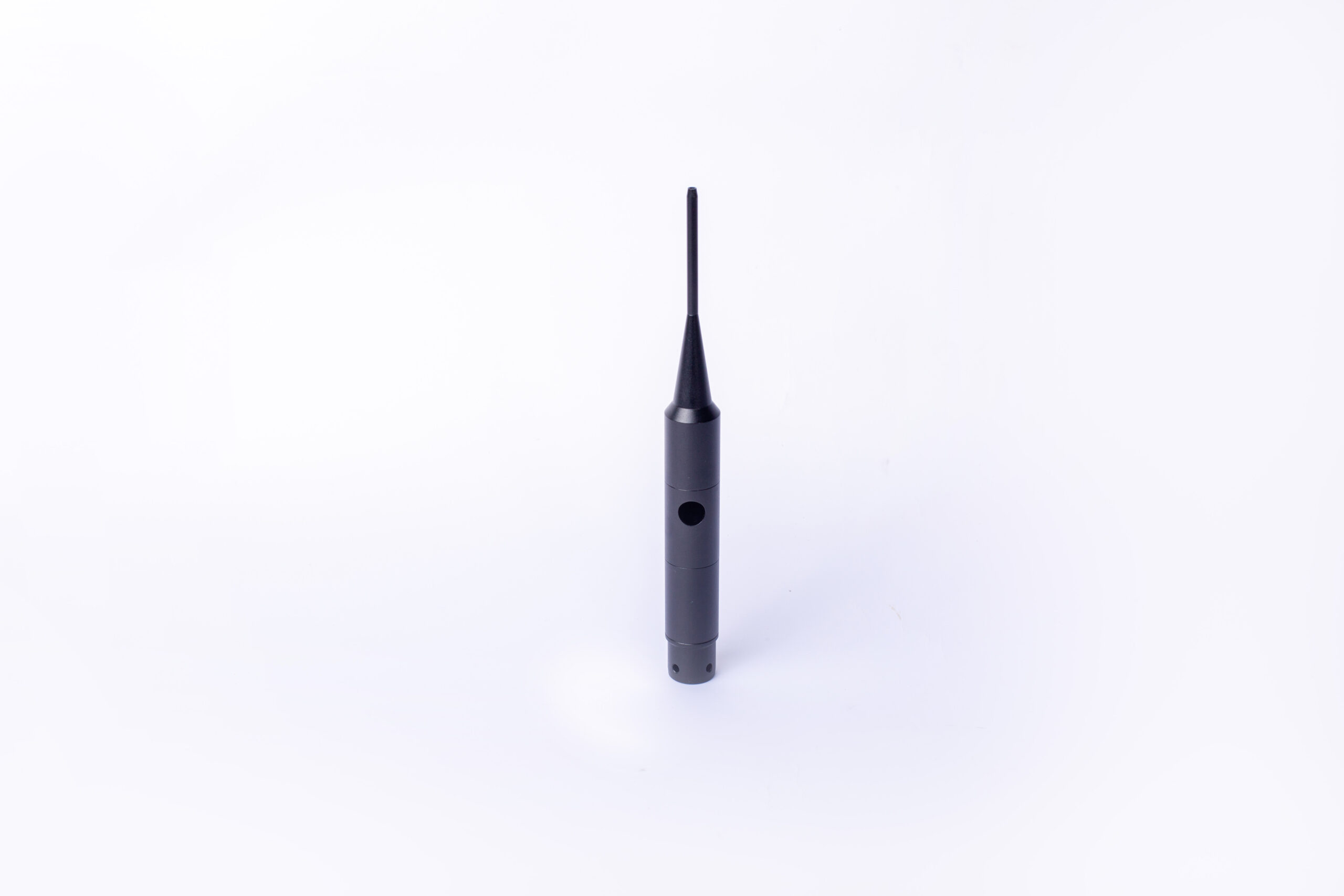


aluminum extrusion and fabrication FAQs Guide.
In this guide, we will provide you with all the information you need to know about our top-quality aluminum extrusion and fabrication and how they can benefit you and your projects. With extensive experience in the industry, our products are trusted by professionals and DIY enthusiasts alike. From industrial applications to home improvement projects, our aluminum extrusion and fabrication offer durability, versatility, and customization options to meet all your needs. Read on to discover more about our aluminum extrusion and fabrication products and why they should be your top choice.
1.What is the weight-to-strength ratio of aluminum extrusion and fabrication compared to other materials?
We have a good reputation and image in the industry. The quality and price advantage of aluminum extrusion and fabrication products is an important factor in our hard overseas market.
The weight-to-strength ratio of aluminum extrusion is generally higher than other materials, such as steel and wood. Aluminum extrusion is lightweight and strong, making it an ideal choice for many applications. It is also corrosion-resistant and has a high thermal conductivity, making it suitable for use in a variety of industries.
2.Can aluminum extrusion and fabrication be used for heat sinks?
Yes, aluminum extrusion can be used for heat sinks. Aluminum is a good conductor of heat and is often used in heat sinks to dissipate heat away from components. Aluminum extrusion is a process that shapes aluminum into a desired shape, which can be used to create custom heat sinks.
3.How does the use of aluminum extrusion and fabrication impact the cost of a product?
We pay attention to the introduction and training of talents, scientifically regulate the management system, and focus on cultural construction and team cohesion.
The use of aluminum extrusion can have a significant impact on the cost of a product. Aluminum extrusion is a cost-effective way to produce complex shapes and sizes, and it can reduce the cost of production by eliminating the need for additional machining and fabrication. Additionally, aluminum extrusion can reduce the cost of materials, as it requires less material than other manufacturing processes. Finally, aluminum extrusion can reduce the cost of labor, as it is a relatively simple process that requires minimal setup and can be automated.
4.What is the minimum and maximum wall thickness that can be achieved through aluminum extrusion and fabrication?
We have flexible production capacity. Whether you are large orders or small orders, you can produce and release goods in a timely manner to meet customer needs.
The minimum wall thickness that can be achieved through aluminum extrusion is 0.5mm, while the maximum wall thickness is typically limited to 12mm. However, some aluminum extrusion processes can achieve wall thicknesses up to 25mm.
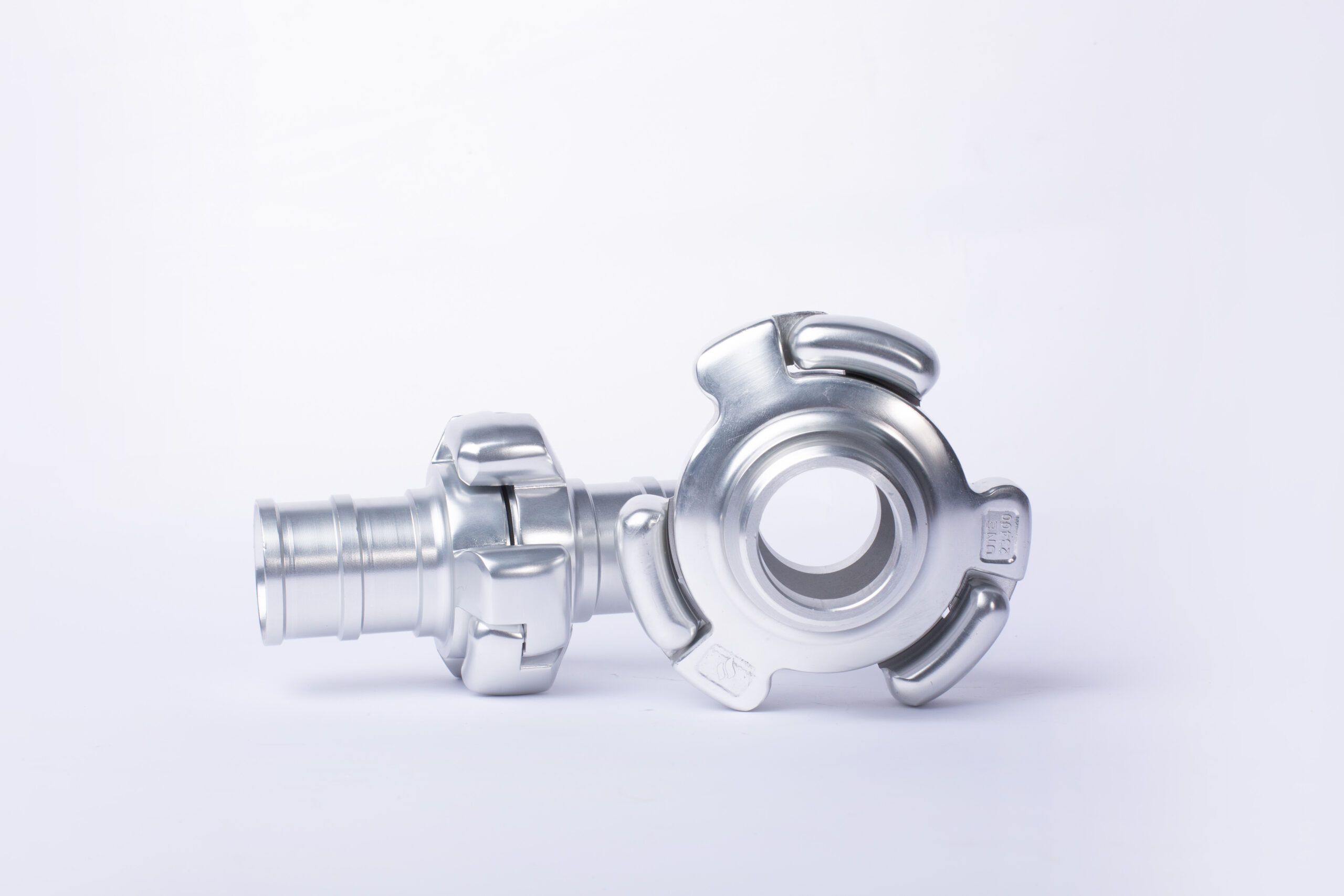
5.How does the choice of extrusion temperature affect the mechanical properties of the final product?
We maintain a certain amount of R&D investment every year and continuously improve operational efficiency to provide better services to our cooperative customers.
The extrusion temperature affects the mechanical properties of the final product in several ways. At higher temperatures, the material is more malleable and easier to shape, but it also becomes more brittle and prone to cracking. At lower temperatures, the material is more rigid and less prone to cracking, but it is also more difficult to shape. The extrusion temperature also affects the crystallinity of the material, which in turn affects its strength and ductility.
6.How does the use of aluminum extrusion and fabrication impact the weight of a product?
We should enjoy a good reputation in the industry, and we can increase the added value of the products of cooperative customers through technological innovation.
The use of aluminum extrusion can significantly reduce the weight of a product. Aluminum is a lightweight material, and when it is extruded into a specific shape, it can be used to create components that are much lighter than those made from other materials. This can be especially beneficial for products that need to be lightweight, such as aircraft or vehicles. Additionally, aluminum extrusion can be used to create complex shapes that would be difficult to achieve with other materials, further reducing the weight of the product.
7.What is the maximum length and size that can be achieved through aluminum extrusion and fabrication?
We have rich industry experience and professional knowledge, and have strong competitiveness in the market.
The maximum length and size that can be achieved through aluminum extrusion depends on the type of aluminum alloy being used, the type of extrusion process, and the size of the extrusion press. Generally, aluminum extrusions can be made up to 12 feet in length and up to 8 inches in diameter.
8.How does the use of aluminum extrusion and fabrication contribute to energy efficiency?
We have established a good reputation and reliable partnerships within the aluminum extrusion and fabrication industry.
The use of aluminum extrusion can contribute to energy efficiency in several ways. First, aluminum is a lightweight material, which means that it requires less energy to transport and install than heavier materials. Additionally, aluminum is a highly conductive material, which means that it can be used to create efficient thermal barriers that help to reduce energy loss. Finally, aluminum is a recyclable material, which means that it can be reused and repurposed, reducing the need for energy-intensive manufacturing processes.
9.What is the difference between hot and cold extrusion?
aluminum extrusion and fabrication is not a product only, but also can help you comes to money-making.
Hot extrusion is a process in which a metal is heated to a temperature above its recrystallization temperature and then forced through a die to form a desired shape. Cold extrusion is a process in which a metal is forced through a die at room temperature or slightly above. Cold extrusion is typically used for softer metals such as aluminum, copper, and brass, while hot extrusion is used for harder metals such as steel and titanium. Hot extrusion is more expensive and time consuming than cold extrusion, but it produces a stronger and more precise product.
10.How does the extrusion process affect surface finish and dimensional accuracy?
The extrusion process can affect surface finish and dimensional accuracy in a few ways. The surface finish of the extruded part is determined by the die used in the extrusion process. If the die is not properly designed or maintained, the surface finish of the part can be poor. Additionally, the dimensional accuracy of the part is affected by the amount of pressure used during the extrusion process. If the pressure is too high, the part can be distorted, resulting in inaccurate dimensions. Finally, the speed of the extrusion process can also affect the dimensional accuracy of the part. If the speed is too fast, the part can be stretched, resulting in inaccurate dimensions.
11.How does the use of aluminum extrusion and fabrication impact the recyclability of a product?
We have the leading technology and innovation capabilities, and attach importance to employee training and development, and provide promotion opportunities.
The use of aluminum extrusion can have a positive impact on the recyclability of a product. Aluminum is a highly recyclable material, and extruded aluminum products can be recycled with minimal energy and cost. The extrusion process also helps to reduce the amount of scrap material generated, which can further reduce the environmental impact of the product. Additionally, aluminum extrusion can be used to create products with a longer lifespan, which can reduce the need for replacement and further reduce the environmental impact of the product.
12.Can aluminum extrusion and fabrication be used for structural applications?
As one of the top aluminum extrusion and fabrication manufacturers in China, we take this very seriously.
Yes, aluminum extrusion can be used for structural applications. It is a versatile material that can be used for a variety of applications, including structural applications. Aluminum extrusion is strong, lightweight, and corrosion-resistant, making it an ideal material for structural applications.
13.How does the choice of lubricant affect the extrusion process?
We continuously upgrade our skills and knowledge to adapt to changing aluminum extrusion and fabrication market needs.
The choice of lubricant can have a significant impact on the extrusion process. The right lubricant can reduce friction, improve surface finish, reduce wear, and improve the flow of the material. It can also help to reduce the amount of energy required to extrude the material, as well as reduce the amount of heat generated during the process. The wrong lubricant, however, can cause sticking, clogging, and other problems that can lead to poor quality parts.
14.What types of products can be made with aluminum extrusion and fabrication?
We have a professional team that is committed to the innovation and development of aluminum extrusion and fabrication.
Aluminum extrusion can be used to create a wide variety of products, including window and door frames, furniture, shelving, automotive parts, electronics, and medical equipment. It can also be used to create custom shapes and sizes for a variety of applications.
15.How does the extrusion process impact the dimensional stability of the final product?
We are committed to providing personalized solutions and established long -term strategic cooperative relationships with customers.
The extrusion process can have a significant impact on the dimensional stability of the final product. During the extrusion process, the material is heated and forced through a die, which can cause the material to expand or contract. This can lead to dimensional changes in the final product, such as warping, shrinking, or expanding. Additionally, the extrusion process can cause internal stresses in the material, which can lead to further dimensional changes over time.
16.Can aluminum extrusion and fabrication be used in corrosive environments?
We pay attention to user experience and product quality, and provide the best product quality and lowest production cost for cooperative customers.
Yes, aluminum extrusion can be used in corrosive environments. Aluminum is a corrosion-resistant material, and when used in extrusion, it can be further protected with a variety of coatings and finishes. These coatings and finishes can help protect the aluminum from corrosion and other environmental factors.

Tag:circular aluminum extrusions,rounded aluminum extrusion,rv aluminum extrusions