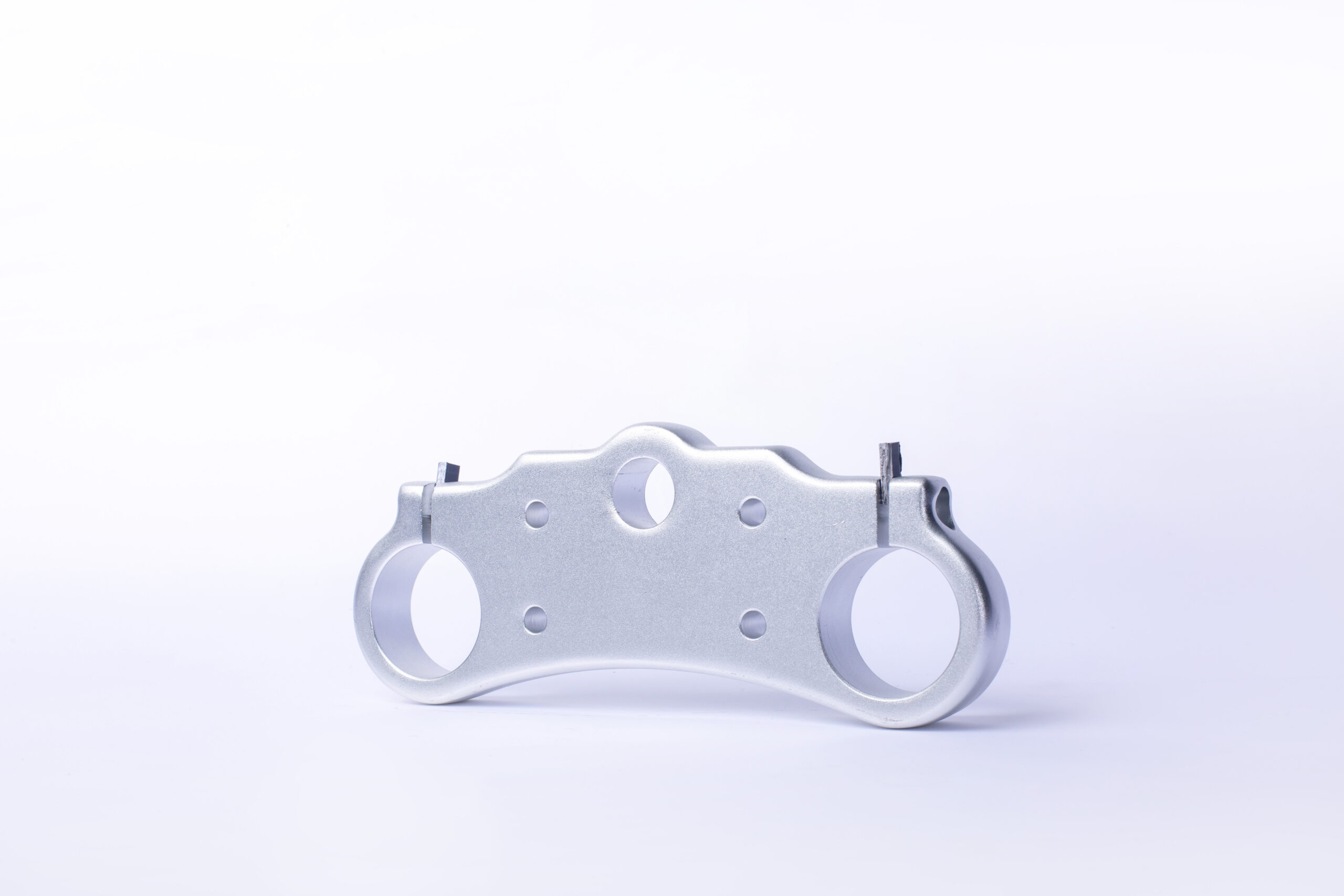
MINGYU Tech is a full-service aluminum forged bars company offering a wide range of capabilities to a variety of industries. Our extensive knowledge, expertise and modern facilities enable us to produce forgings in various sizes, from small components to large structural components. We have a team of highly skilled technicians and engineers who work closely with our customers to provide tailor-made solutions for their specific needs. Our unwavering commitment to quality and on-time delivery has earned us a strong reputation in the forging industry.
The first step in the aluminum forged bars process is to select the appropriate grade of aluminum for the desired product. Different aluminum alloys have varying chemical compositions and properties, making them suitable for different applications. Once the aluminum has been chosen, it is heated in a furnace to a temperature between 700-800 degrees Fahrenheit. This temperature is critical, as it allows the aluminum to become malleable without melting.
Next, the heated aluminum is placed into a forging machine, where it is subjected to intense pressure. This pressure changes the shape of the aluminum, creating the desired product. The process is repeated multiple times, with the aluminum being reheated and re-forged until it reaches its final shape and size. This method of shaping allows for precise control over the dimensions and specifications of the product.
aluminum forged barss are known for their high strength-to-weight ratio, making them ideal for applications in the aerospace, automotive, and defense industries. They are also highly resistant to corrosion and have excellent thermal and electrical conductivity, making them suitable for use in electrical components. The precision and durability of aluminum forged barss make them a popular choice for critical components such as aircraft parts, automobile engine components, and industrial machinery.
| Place of Origin | China |
| Material | Metal Aluminium Steel Copper Brass |
| Process | Forging+machining+HT+finish Machining |
| Surface treatment | Polishing |
| Application | Machinery Parts |
| Product name | aluminum forged bars |
| Certificate | TS16949/ISO9001 |
| Color | Customized Color |
| Quality Control | 100% Inspection |
| Lead Time | 11-40 Days |
| MOQ | 1 Piece |
| Supply Ability | 203143 Piece/Pieces per Month |
| Quantity (pieces) | > 593 |
| Lead time (days) | To be negotiated |
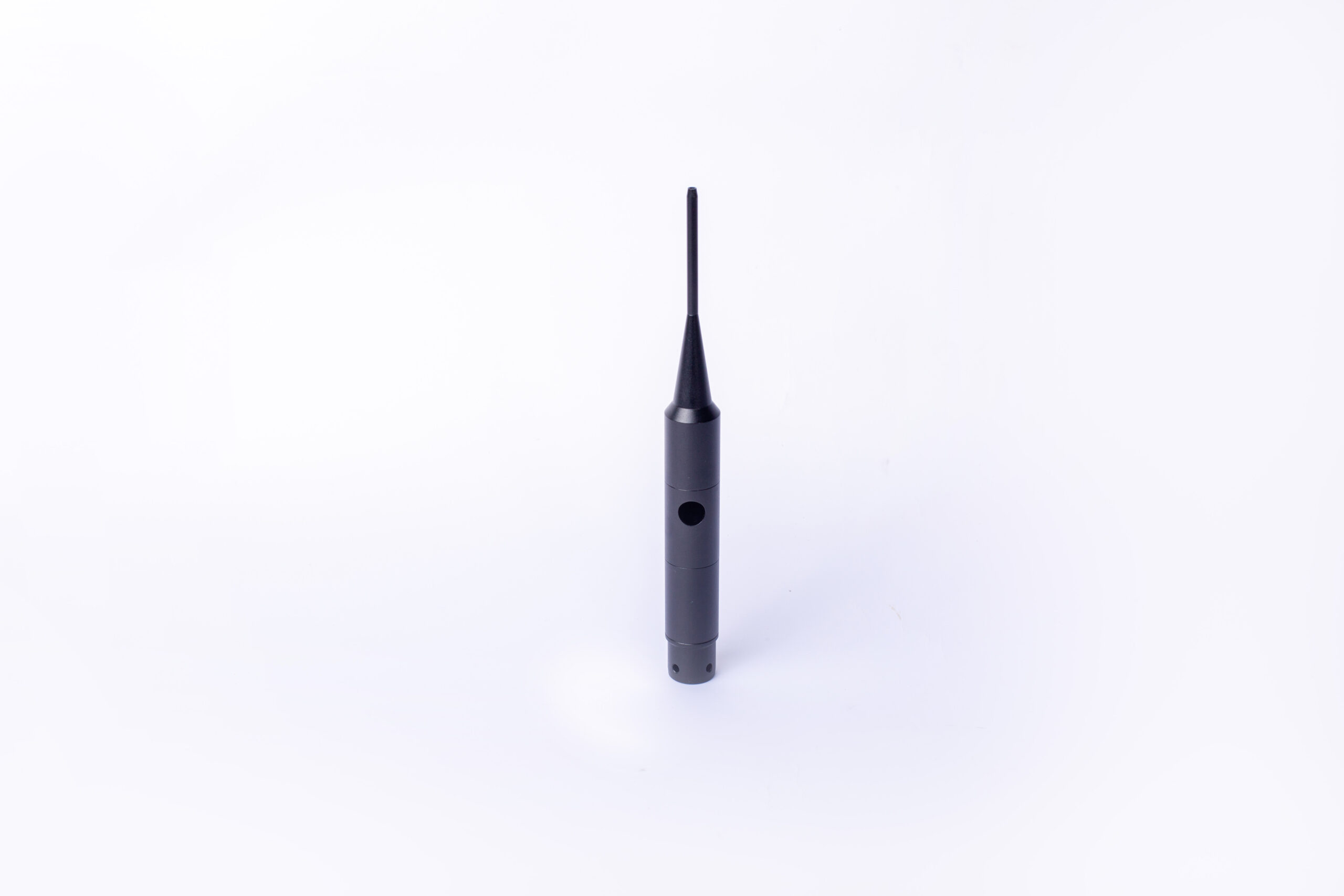


aluminum forged bars FAQs Guide.
Our company is dedicated to providing high-quality aluminum forged bars products to meet the needs of various industries. With advanced technology and skilled craftsmanship, we have become a leading manufacturer in the field of aluminum forged bars. Our products are widely used in aerospace, automotive, and construction industries, just to name a few. We take great pride in our products as they are not only durable and reliable, but also lightweight and eco-friendly. Through this introduction, we hope to showcase the versatility and excellence of our aluminum forged bars products. Thank you for choosing us as your trusted provider of top-notch aluminum forged bars products.
1.What are the key differences between open die and closed die aluminum forged bars?
We continuously upgrade our skills and knowledge to adapt to changing aluminum forged bars market needs.
Open die forging is a process in which a hammer or press is used to shape a piece of metal between two flat dies without completely enclosing it. This process is used to create large, custom-shaped parts. Closed die forging is a process in which a hammer or press is used to shape a piece of metal between two dies that completely enclose the metal. This process is used to create smaller, more precise parts with tighter tolerances.
2.How does the choice of alloy affect the properties of aluminum forged barss?
We have been working hard to improve service quality and meet customer needs.
The choice of alloy affects the properties of aluminum forgings in a variety of ways. Different alloys have different levels of strength, ductility, corrosion resistance, and other properties. For example, some alloys are stronger and more durable than others, while some are more resistant to corrosion. Additionally, some alloys are better suited for certain applications than others. For example, some alloys are better suited for high-temperature applications, while others are better suited for low-temperature applications.
3.What are the steps involved in the aluminum forged bars process?
We continue to improve aluminum forged bars products and processes to improve efficiency.
1. Design: The first step in the aluminum forging process is to design the part. This includes determining the size, shape, and other specifications of the part.
2. Heating: The aluminum is heated to a temperature of around 800-900°C (1472-1652°F). This is done to make the aluminum malleable and easier to shape.
3. Forging: The heated aluminum is then placed in a die and forged into the desired shape. This is done using a hammer or press.
4. Finishing: The forged part is then finished by machining, grinding, or polishing. This is done to achieve the desired surface finish.
5. Inspection: The part is then inspected to ensure it meets the design specifications.
6. Heat Treatment: The part may then be heat treated to improve its strength and durability.
7. Final Inspection: The part is then inspected one final time before it is ready for use.
4.What is the typical lead time for aluminum forged bars production?
We have a professional team that is committed to the innovation and development of aluminum forged bars.
The lead time for aluminum forging production can vary depending on the complexity of the part and the size of the order. Generally, lead times range from 4-8 weeks.
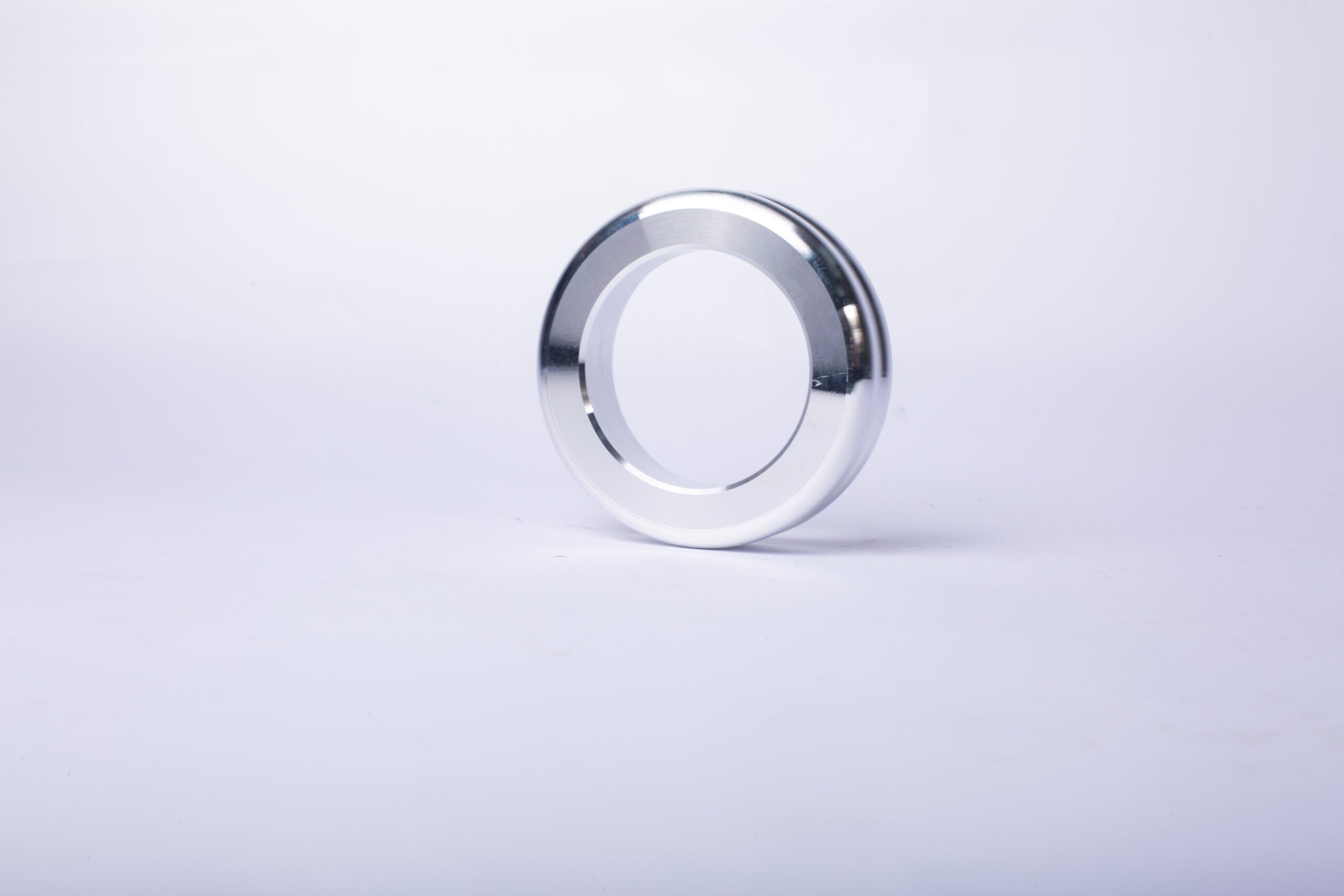
5.What are the most common applications of aluminum forged bars?
We enjoy high authority and influence in the industry and continue to innovate products and service models.
1. Automotive components: Aluminum forging is used to create a variety of automotive components, such as engine blocks, cylinder heads, transmission cases, and suspension components.
2. Aerospace components: Aluminum forging is used to create components for aircraft, such as landing gear, wing spars, and fuselage frames.
3. Industrial components: Aluminum forging is used to create components for industrial machinery, such as pumps, valves, and gears.
4. Sporting goods: Aluminum forging is used to create components for sporting goods, such as bicycle frames, golf clubs, and baseball bats.
5. Hand tools: Aluminum forging is used to create components for hand tools, such as hammers, wrenches, and screwdrivers.
6.How does the choice of die affect the final product in aluminum forged bars?
We have established a good reputation and reliable partnerships within the aluminum forged bars industry.
The choice of die affects the final product in aluminum forging in several ways. The die design determines the shape of the final product, as well as the surface finish and dimensional accuracy. The die material also affects the final product, as different materials have different properties that can affect the strength and durability of the final product. Additionally, the die size and shape can affect the amount of force required to form the aluminum, as well as the amount of time it takes to complete the forging process.
7.About aluminum forged bars MOQ
The minimum order quantity (MOQ) for aluminum forging depends on the size and complexity of the part being forged. Generally, the MOQ for aluminum forging is between 500 and 1000 pieces. However, some aluminum forging companies may be willing to accept orders for smaller quantities.
8.Can aluminum forged barss be re-forged or recycled?
We have a good reputation and image in the industry. The quality and price advantage of aluminum forged bars products is an important factor in our hard overseas market.
Yes, aluminum forgings can be re-forged or recycled. The process of re-forging involves heating the aluminum forging to a temperature that is suitable for reshaping and then using a hammer or press to reshape it. Recycling involves melting down the aluminum forging and then casting it into a new shape.

9.Can aluminum be forged at room temperature?
We focus on our customers’ needs and strive to meet their expectations, so we take this very seriously.
No, aluminum cannot be forged at room temperature. It must be heated to a temperature of at least 700°F (371°C) before it can be forged.
10.Can aluminum forged barss be used in corrosive environments?
Yes, aluminum forgings can be used in corrosive environments. Aluminum is a naturally corrosion-resistant material, and when it is forged, it becomes even more resistant to corrosion. Aluminum forgings can be treated with a variety of coatings to further protect them from corrosion.
11.About aluminum forged bars production capacity
Aluminum forging production capacity is determined by the size and complexity of the parts being produced, the type of forging process used, and the number of machines available. Generally, the larger the part, the more machines and time are required to produce it. The complexity of the part also affects the production capacity, as more complex parts require more time and machines to produce. Additionally, the type of forging process used can affect the production capacity, as some processes are more efficient than others.
12.How does the surface finish affect the performance of aluminum forged barss?
The surface finish of aluminum forgings can have a significant impact on the performance of the part. A smooth, uniform surface finish can reduce friction and wear, improve fatigue strength, and reduce the risk of corrosion. A rough surface finish can increase friction and wear, reduce fatigue strength, and increase the risk of corrosion.
13.Are there any unique design considerations for aluminum forged barss?
Yes, there are several unique design considerations for aluminum forgings. These include:
1. Designing for the grain structure of the aluminum: Aluminum forgings are produced by a process that creates a grain structure in the metal. This grain structure can affect the strength and ductility of the part, so it is important to consider when designing the part.
2. Designing for the forging process: The forging process can affect the shape and size of the part, so it is important to consider the process when designing the part.
3. Designing for the heat treatment process: Heat treatment is often used to improve the properties of aluminum forgings, so it is important to consider the heat treatment process when designing the part.
4. Designing for the machining process: Machining is often used to finish aluminum forgings, so it is important to consider the machining process when designing the part.
14.About aluminum forged bars technology
Aluminum forging is a metalworking process in which metal is heated and then shaped into a desired shape by applying pressure. It is a process that is used to create parts with improved strength and durability. Aluminum forging is used in a variety of industries, including aerospace, automotive, and medical. The process is used to create parts with complex shapes and tight tolerances. Aluminum forging is a cost-effective way to produce parts with superior strength and durability. The process is also used to create parts with improved fatigue resistance and corrosion resistance.
Tag:aluminum in forge,forged aluminum lug nuts safe,forging and stamping aluminum sheet