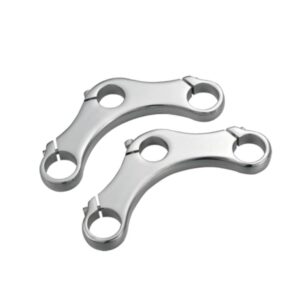
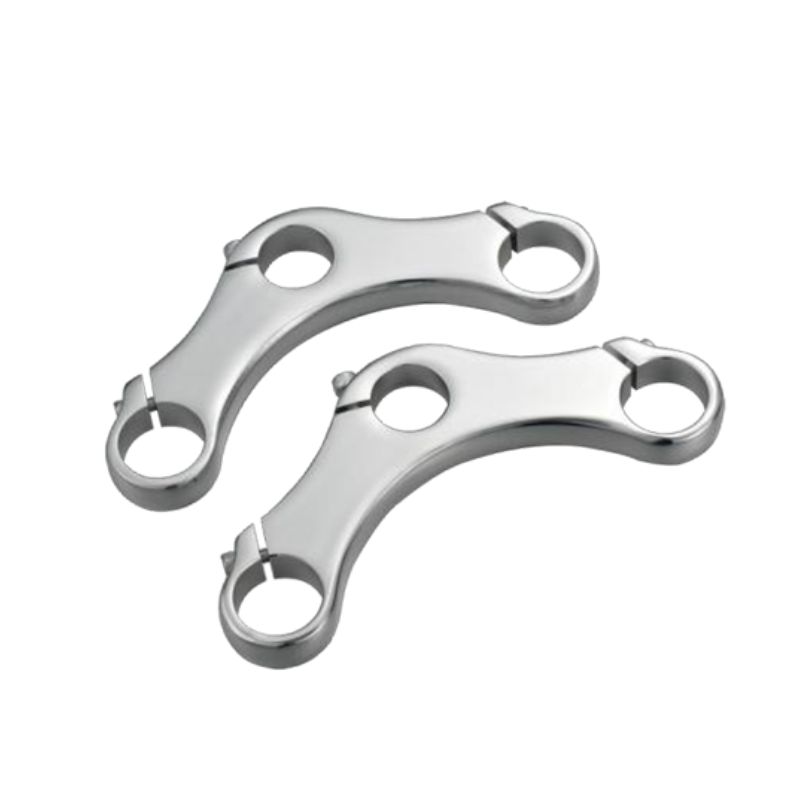
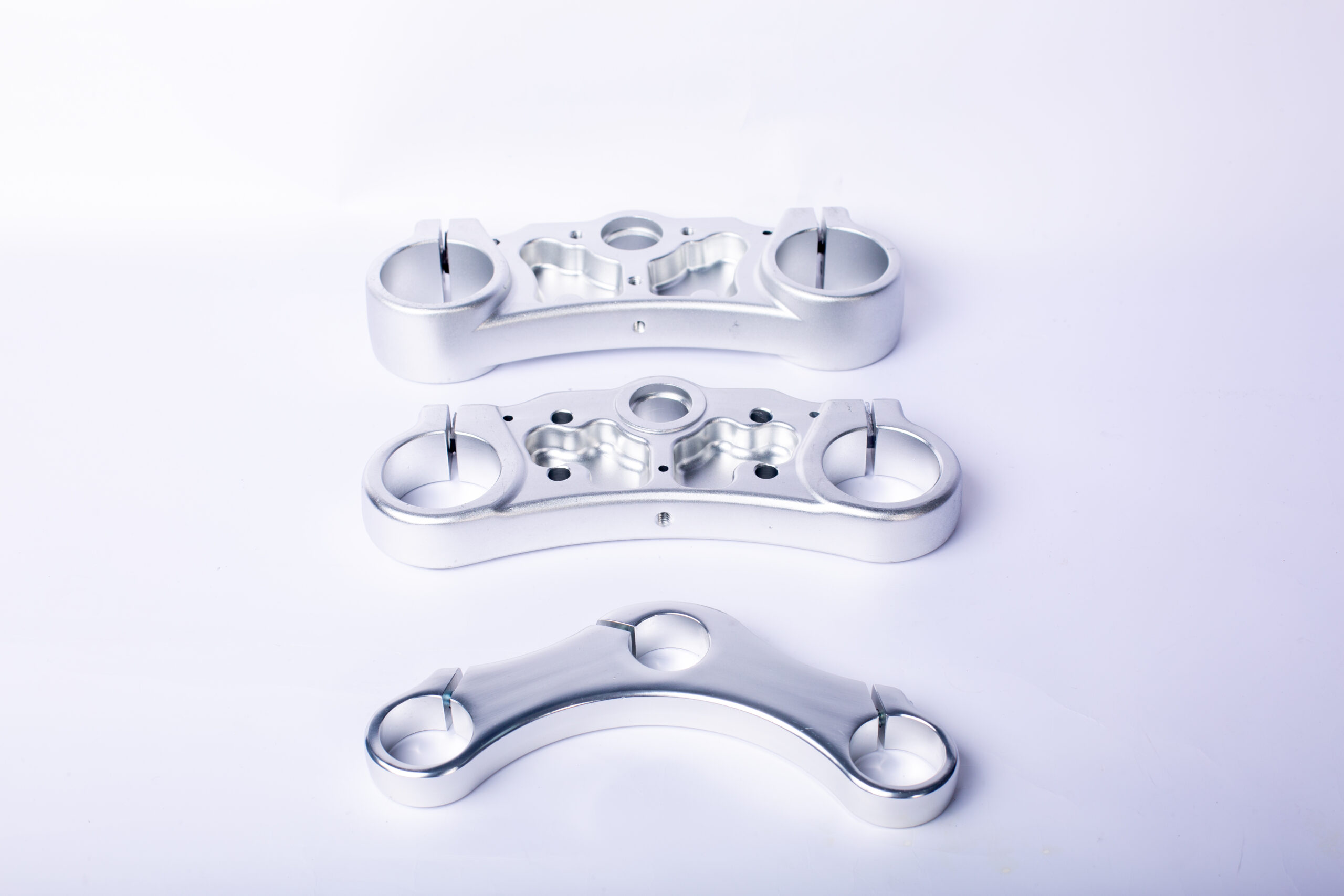
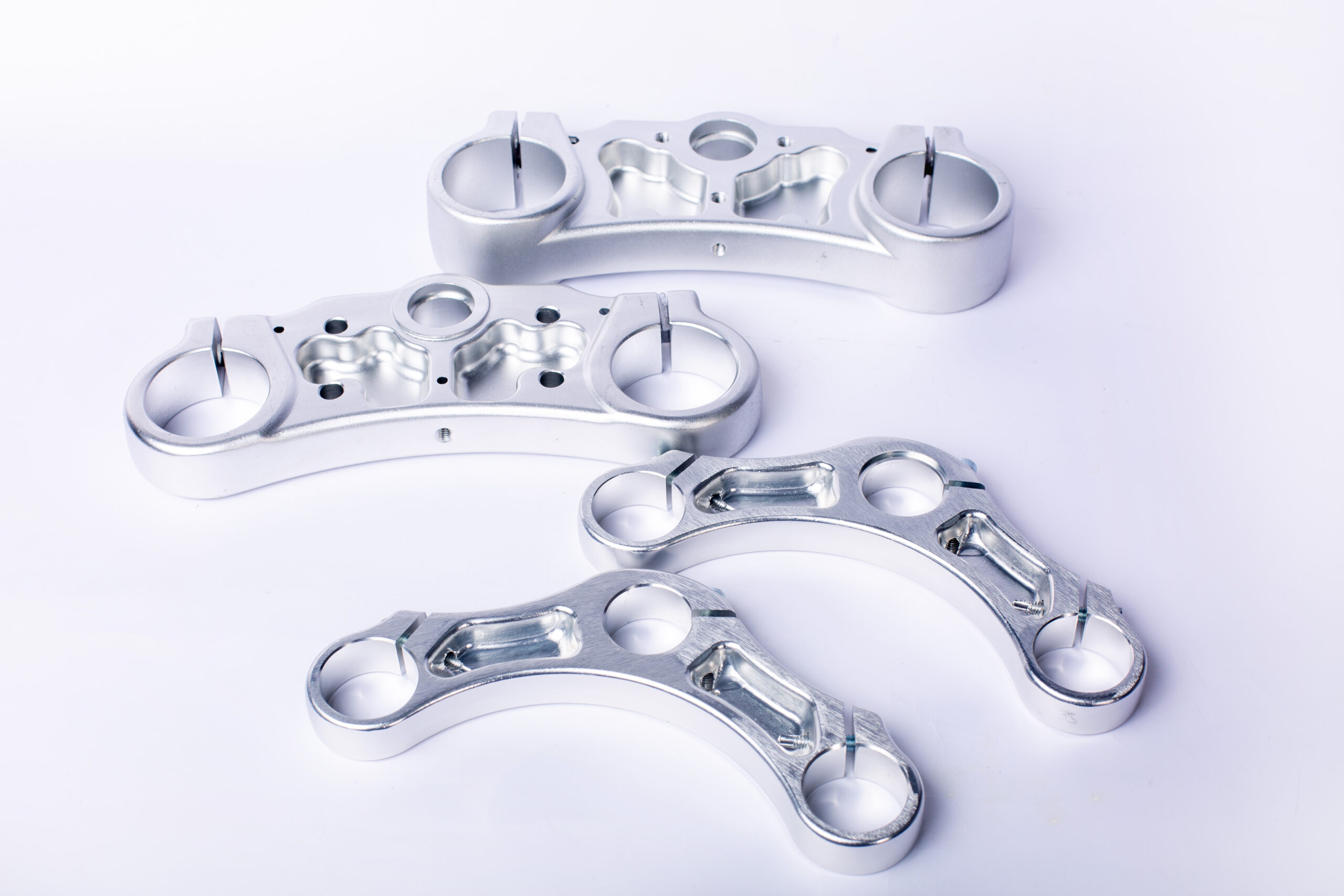
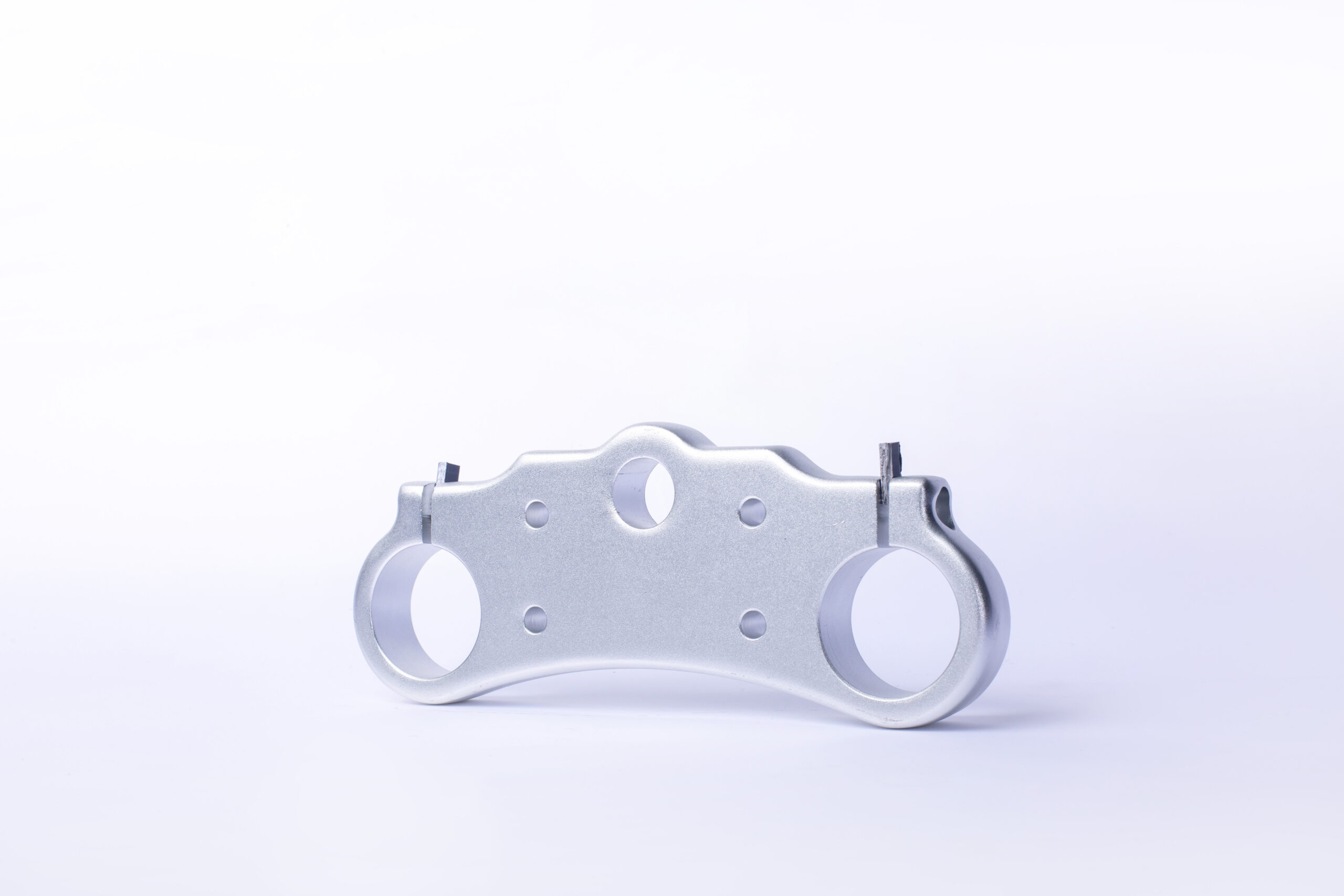
MINGYU Tech is a leading aluminum forging and machining manufacturer specializing in producing high quality aluminum forging and machining for various industries. With over 20 years of experience, our company has built a reputation for precision, durability and reliability. Our state-of-the-art facilities and advanced forging techniques ensure our products meet or exceed the most stringent quality standards. We offer a wide range of aluminum forging and machining options, including custom design and engineering services to meet our customers’ specific needs.
aluminum forging and machining is a revolutionary manufacturing process that involves shaping and forming aluminum alloys into specific designs by subjecting them to extreme heat and pressure. This process creates high-quality, durable, and lightweight components that are in high demand across various industries.
One of the significant advantages of aluminum forging and machining is its strength and durability. Forged aluminum products have a higher strength-to-weight ratio than those made using traditional casting methods. This makes them ideal for heavy-duty applications that require exceptional strength and reliability, such as aerospace, automotive, and construction. Furthermore, the forging process improves the structural integrity of the aluminum alloy, making it resistant to cracks, fractures, and other deformities. As a result, forged aluminum components are known for their exceptional wear and corrosion resistance, making them suitable for use in extreme environments.
Another advantage of aluminum forging and machining is its versatility. The process allows for intricate and complex designs to be achieved without compromising the strength of the final product. This makes it a preferred choice for manufacturers looking for precision and consistency in their products.
| Place of Origin | China |
| Material | Metal Aluminium Steel Copper Brass |
| Process | Forging+machining+HT+finish Machining |
| Surface treatment | Polishing |
| Application | Machinery Parts |
| Product name | aluminum forging and machining |
| Certificate | TS16949/ISO9001 |
| Color | Customized Color |
| Quality Control | 100% Inspection |
| Lead Time | 16-31 Days |
| MOQ | 1 Piece |
| Supply Ability | 212526 Piece/Pieces per Month |
| Quantity (pieces) | > 463 |
| Lead time (days) | To be negotiated |
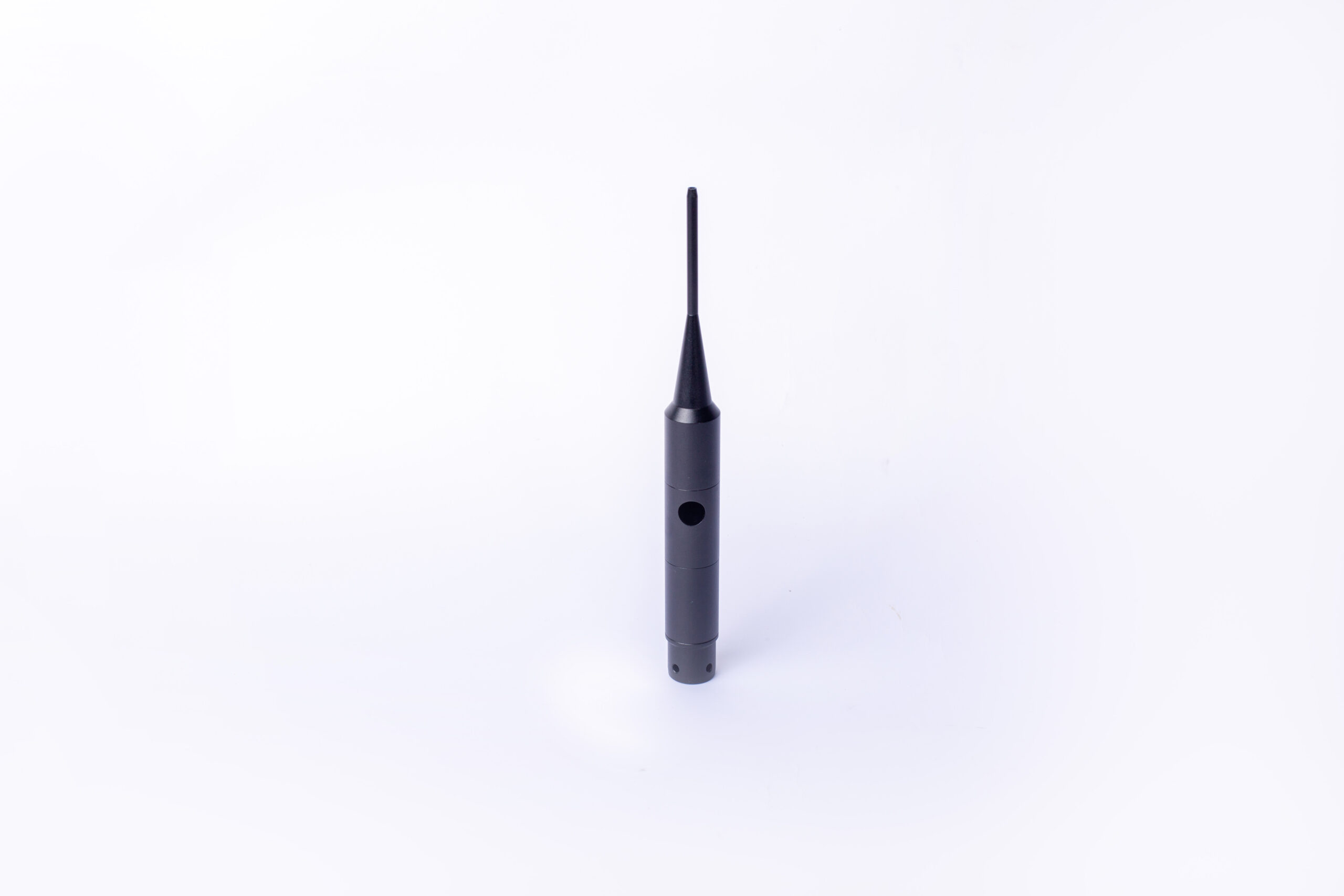


aluminum forging and machining FAQs Guide.
Our company is dedicated to providing high-quality aluminum forging and machining products to meet the needs of various industries. With advanced technology and skilled craftsmanship, we have become a leading manufacturer in the field of aluminum forging and machining. Our products are widely used in aerospace, automotive, and construction industries, just to name a few. We take great pride in our products as they are not only durable and reliable, but also lightweight and eco-friendly. Through this introduction, we hope to showcase the versatility and excellence of our aluminum forging and machining products. Thank you for choosing us as your trusted provider of top-notch aluminum forging and machining products.
1.About aluminum forging and machining warranty
Aluminum forging warranty typically covers defects in materials and workmanship for a period of one year from the date of purchase. The warranty may also cover any repairs or replacements that are necessary due to normal wear and tear. The warranty may also cover any damages caused by improper use or installation. The warranty may also cover any damages caused by environmental factors such as corrosion or extreme temperatures.
2.How does the choice of alloy affect the properties of aluminum forging and machinings?
We have been working hard to improve service quality and meet customer needs.
The choice of alloy affects the properties of aluminum forgings in a variety of ways. Different alloys have different levels of strength, ductility, corrosion resistance, and other properties. For example, some alloys are stronger and more durable than others, while some are more resistant to corrosion. Additionally, some alloys are better suited for certain applications than others. For example, some alloys are better suited for high-temperature applications, while others are better suited for low-temperature applications.
3.How does the forging process affect the microstructure of aluminum?
Our company has many years of aluminum forging and machining experience and expertise.
The forging process can affect the microstructure of aluminum in several ways. During the forging process, the aluminum is subjected to high temperatures and pressures, which can cause the grain structure of the aluminum to become finer and more uniform. This can improve the strength and ductility of the aluminum, as well as its fatigue resistance. Additionally, the forging process can also cause the aluminum to become more homogenous, which can improve its corrosion resistance.
4.What considerations should be taken into account when designing a product for aluminum forging and machining?
As one of the top aluminum forging and machining manufacturers in China, we take this very seriously.
1. Strength: Aluminum is a relatively soft metal, so it is important to consider the strength requirements of the product when designing for aluminum forging.
2. Heat Treatment: Aluminum is susceptible to heat treatment, so it is important to consider the desired properties of the product when designing for aluminum forging.
3. Grain Structure: Aluminum has a grain structure that can be affected by the forging process, so it is important to consider the desired grain structure of the product when designing for aluminum forging.
4. Tooling: Aluminum is a relatively soft metal, so it is important to consider the tooling requirements of the product when designing for aluminum forging.
5. Cost: Aluminum is a relatively inexpensive metal, so it is important to consider the cost of the product when designing for aluminum forging.
5.Can multiple aluminum components be forged and joined together?
We should enjoy a good reputation in the industry, and we can increase the added value of the products of cooperative customers through technological innovation.
Yes, multiple aluminum components can be forged and joined together. This is done through a process called aluminum forging and welding. This process involves heating the aluminum components to a high temperature and then using a hammer or press to shape them into the desired shape. The components are then welded together using a welding process such as TIG or MIG welding.
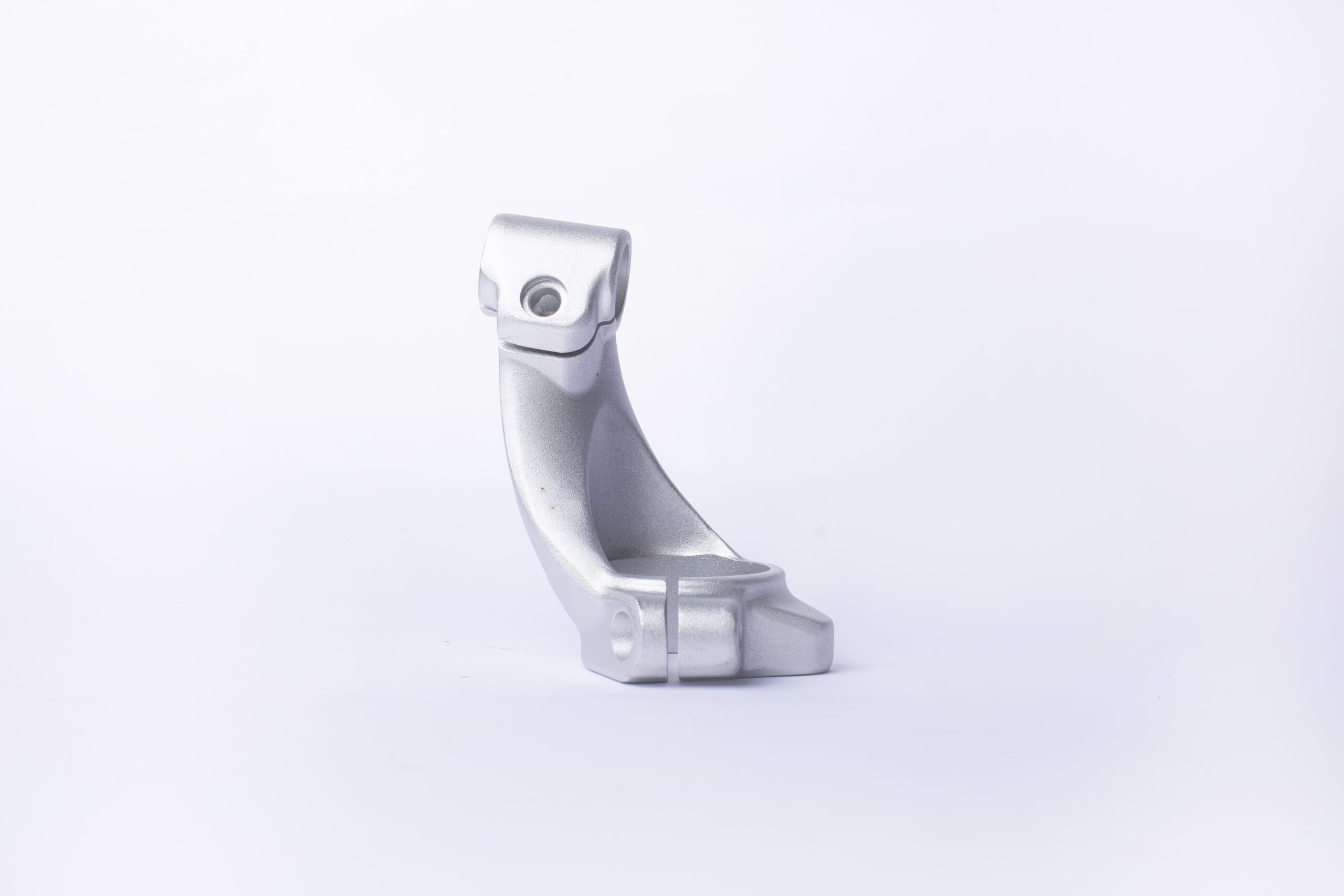
6.How does the cost of aluminum forging and machining compare to other metal forging processes?
We have advanced production equipment and technology to meet the needs of customers, and can provide customers with high quality, low priced aluminum forging and machining products.
The cost of aluminum forging is typically lower than other metal forging processes due to the lower cost of aluminum compared to other metals. Aluminum is also easier to work with than other metals, which can reduce the cost of labor and production time. Additionally, aluminum is a lightweight metal, which can reduce the cost of shipping and handling.
7.What types of products can be made through aluminum forging and machining?
We pay attention to the introduction and training of talents, scientifically regulate the management system, and focus on cultural construction and team cohesion.
Aluminum forging can be used to create a wide variety of products, including automotive parts, aerospace components, hand tools, medical instruments, and industrial machinery. Aluminum forgings can also be used to create decorative items such as sculptures, jewelry, and architectural elements.
8.Can aluminum forging and machinings be joined with other materials?
Yes, aluminum forgings can be joined with other materials using various methods such as welding, brazing, riveting, and adhesive bonding.
9.What are the material testing methods used for evaluating aluminum forging and machinings?
1. Visual Inspection: This is the most basic form of testing and involves examining the surface of the aluminum forging for any signs of defects or irregularities.
2. Ultrasonic Testing: This method uses high-frequency sound waves to detect any internal flaws or defects in the aluminum forging.
3. Magnetic Particle Testing: This method uses a magnetic field to detect any surface or subsurface flaws in the aluminum forging.
4. Radiographic Testing: This method uses X-rays to detect any internal flaws or defects in the aluminum forging.
5. Hardness Testing: This method uses a hardness tester to measure the hardness of the aluminum forging.
6. Chemical Analysis: This method involves analyzing the chemical composition of the aluminum forging to ensure it meets the required specifications.
10.How are defects identified and corrected during the aluminum forging and machining process?
Our products & services cover a wide range of areas and meet the needs of different fields.
Defects in aluminum forging can be identified and corrected through a variety of methods. Visual inspection is the most common method used to identify defects. This involves looking for surface irregularities, such as cracks, porosity, or other surface defects. Ultrasonic testing is also used to detect internal defects, such as voids, inclusions, or cracks. X-ray and radiographic testing can also be used to detect internal defects. Once a defect is identified, it can be corrected by reworking the part, using a different forging process, or by using a different material.
11.About aluminum forging and machining delivery date
The delivery date for aluminum forging depends on the complexity of the part and the size of the order. Generally, the delivery time for a standard aluminum forging order is between 4-6 weeks. However, if the order is complex or large, the delivery time may be longer.
12.How does the surface finish affect the performance of aluminum forging and machinings?
The surface finish of aluminum forgings can have a significant impact on the performance of the part. A smooth, uniform surface finish can reduce friction and wear, improve fatigue strength, and reduce the risk of corrosion. A rough surface finish can increase friction and wear, reduce fatigue strength, and increase the risk of corrosion.
13.Are there any specialized equipment or machinery used in aluminum forging and machining?
We have advantages in marketing and channel expansion. Suppliers have established good cooperative relations, continuously improved workflows, improved efficiency and productivity, and provided customers with high -quality products and services.
Yes, there are several specialized pieces of equipment and machinery used in aluminum forging. These include presses, hammers, dies, furnaces, and anvils. Additionally, some aluminum forging processes may require specialized tools such as mandrels, punches, and trimming tools.
14.How do environmental factors, such as temperature and humidity, affect the aluminum forging and machining process?
We focus on teamwork and communication to achieve common goals, We attach great importance to this detail.
Temperature and humidity can have a significant impact on the aluminum forging process. High temperatures can cause the aluminum to become too soft and malleable, making it difficult to form into the desired shape. Low temperatures can cause the aluminum to become too brittle and crack during the forging process. High humidity can cause the aluminum to become sticky and difficult to work with, while low humidity can cause the aluminum to become too dry and brittle. Additionally, high temperatures and humidity can cause the aluminum to corrode more quickly, leading to a shorter lifespan for the forged product.
15.About aluminum forging and machining patent
Aluminum forging patents are patents that cover the process of forging aluminum into a desired shape. This process involves heating the aluminum to a high temperature and then using a hammer or press to shape it into the desired shape. The process of aluminum forging is used to create parts for a variety of industries, including automotive, aerospace, and medical. Patents related to aluminum forging cover the process of forging, the tools used, and the materials used.

16.What level of precision can be achieved in aluminum forging and machinings?
The level of precision that can be achieved in aluminum forgings depends on the type of forging process used and the quality of the raw material. Generally, aluminum forgings can achieve tolerances of up to +/- 0.005 inches (0.127 mm). However, some processes can achieve even higher levels of precision, such as die forging, which can achieve tolerances of up to +/- 0.001 inches (0.025 mm).
Tag:aluminum forging blank,custom forged aluminum wheels,aluminum rolled ring forgings,forged 6061-t6 aluminum wheels,forged 6061 t6 grade aluminum