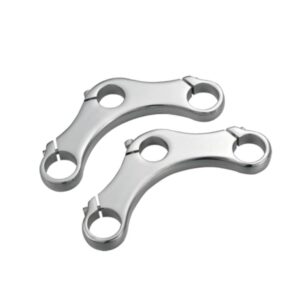
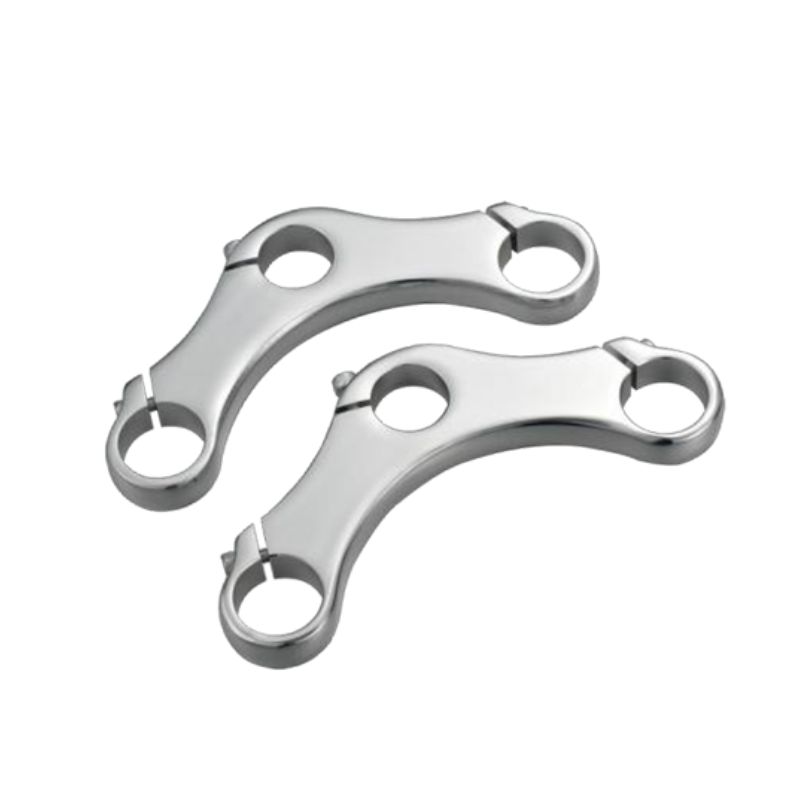
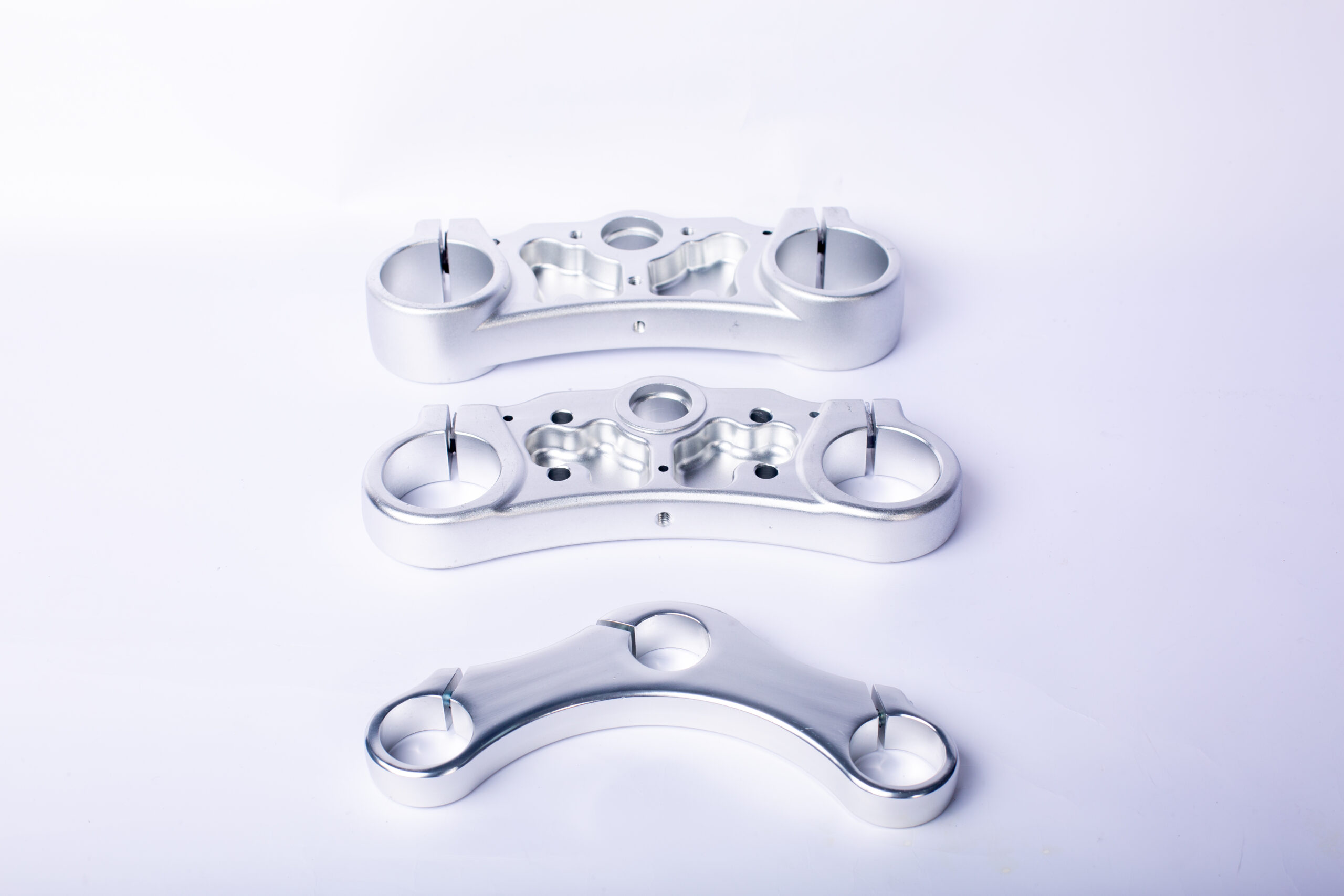
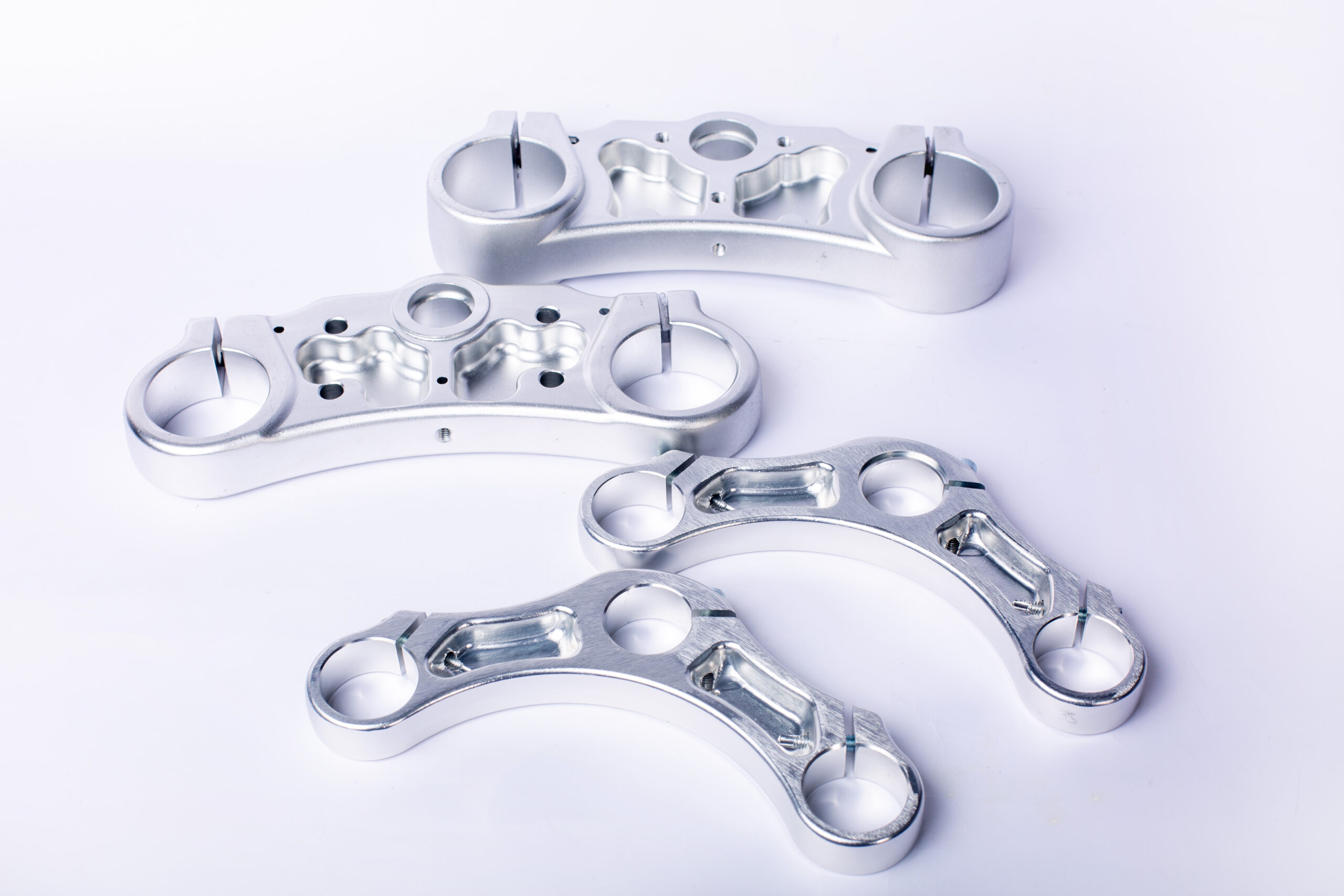
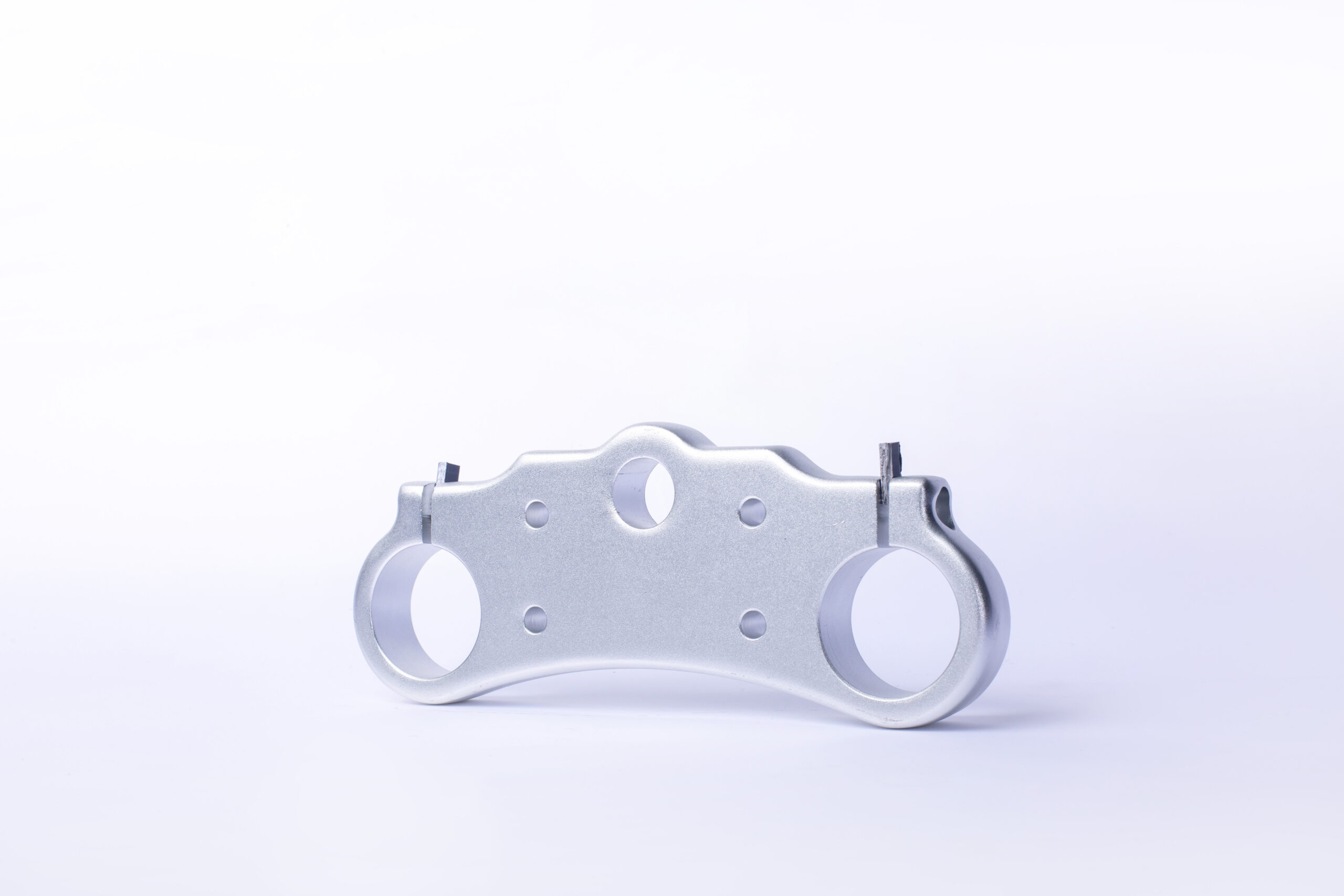
MINGYU Tech is a reputable manufacturer of aluminum forgings for various industrial applications. With over 20 years of experience, our company has earned an outstanding reputation for producing precision and durable forgings for heavy machinery, pumps, valves and other industrial equipment. We have a multidisciplinary team of engineers and technicians who work closely with our customers to provide customized solutions that meet their specific needs. Our commitment to providing high-quality products and impeccable service has made us the first choice for industrial forgings.
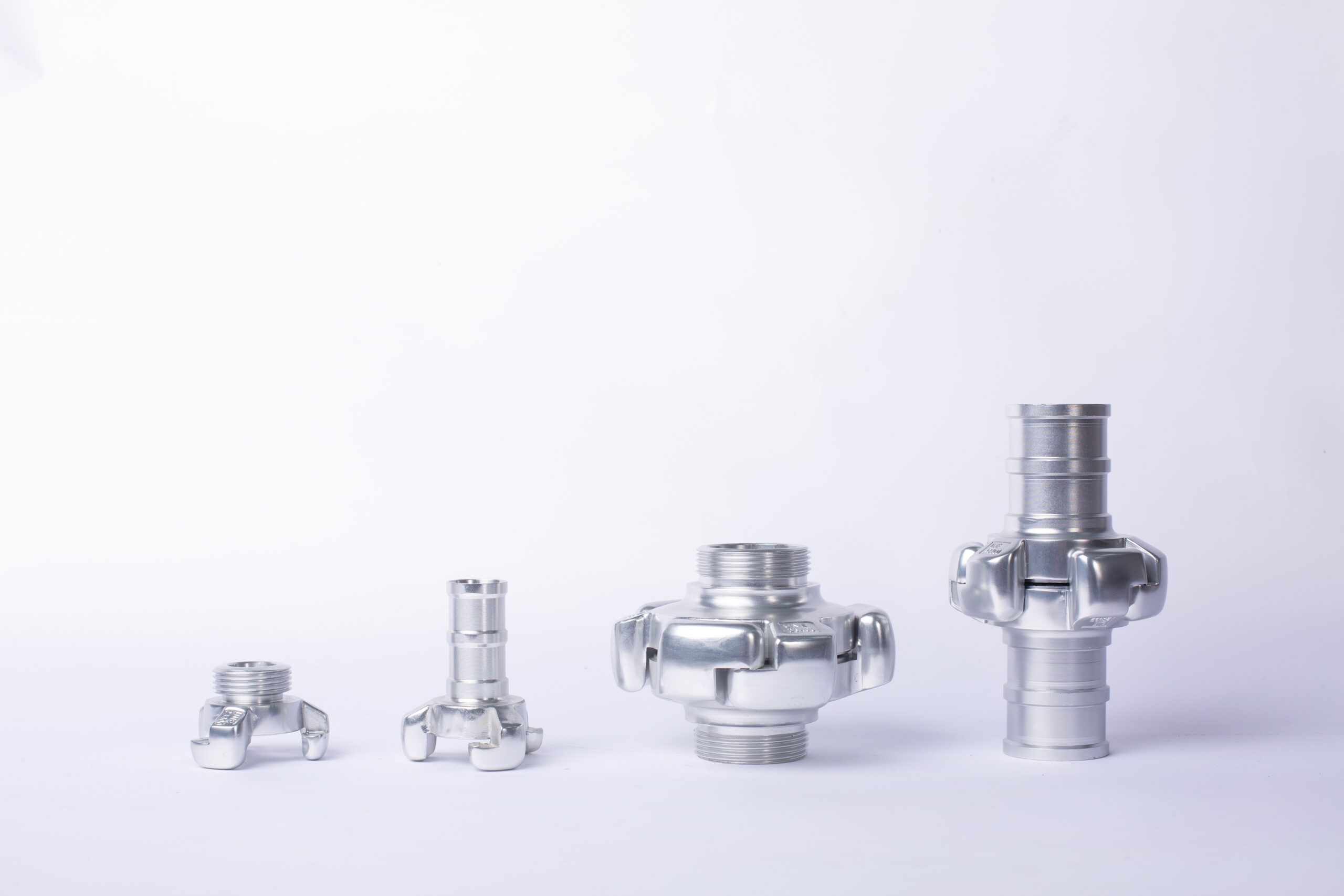
aluminum forgings is a manufacturing process that involves applying extreme pressure to reshape and form aluminum alloys into desired industrial or commercial products. It is a cost-effective and efficient method for producing high-strength, lightweight, and durable aluminum components for various applications.
The process of aluminum forgings begins with melting and pouring the aluminum alloy into a die or mold. The heated alloy is then pressed and forced into its desired shape using a hammer or press under high pressure. This compressive force rearranges the aluminum molecules, resulting in a strong and dense metal with enhanced mechanical properties. The use of aluminum forgings can produce a wide range of products, including automotive components, aerospace parts, construction equipment, and household tools. Its versatility allows for the creation of complex shapes and designs that are not feasible with other manufacturing techniques.
| Place of Origin | China |
| Material | Metal Aluminium Steel Copper Brass |
| Process | Forging+machining+HT+finish Machining |
| Surface treatment | Polishing |
| Application | Machinery Parts |
| Product name | aluminum forgings |
| Certificate | TS16949/ISO9001 |
| Color | Customized Color |
| Quality Control | 100% Inspection |
| Lead Time | 12-32 Days |
| MOQ | 1 Piece |
| Supply Ability | 207788 Piece/Pieces per Month |
| Quantity (pieces) | > 470 |
| Lead time (days) | To be negotiated |
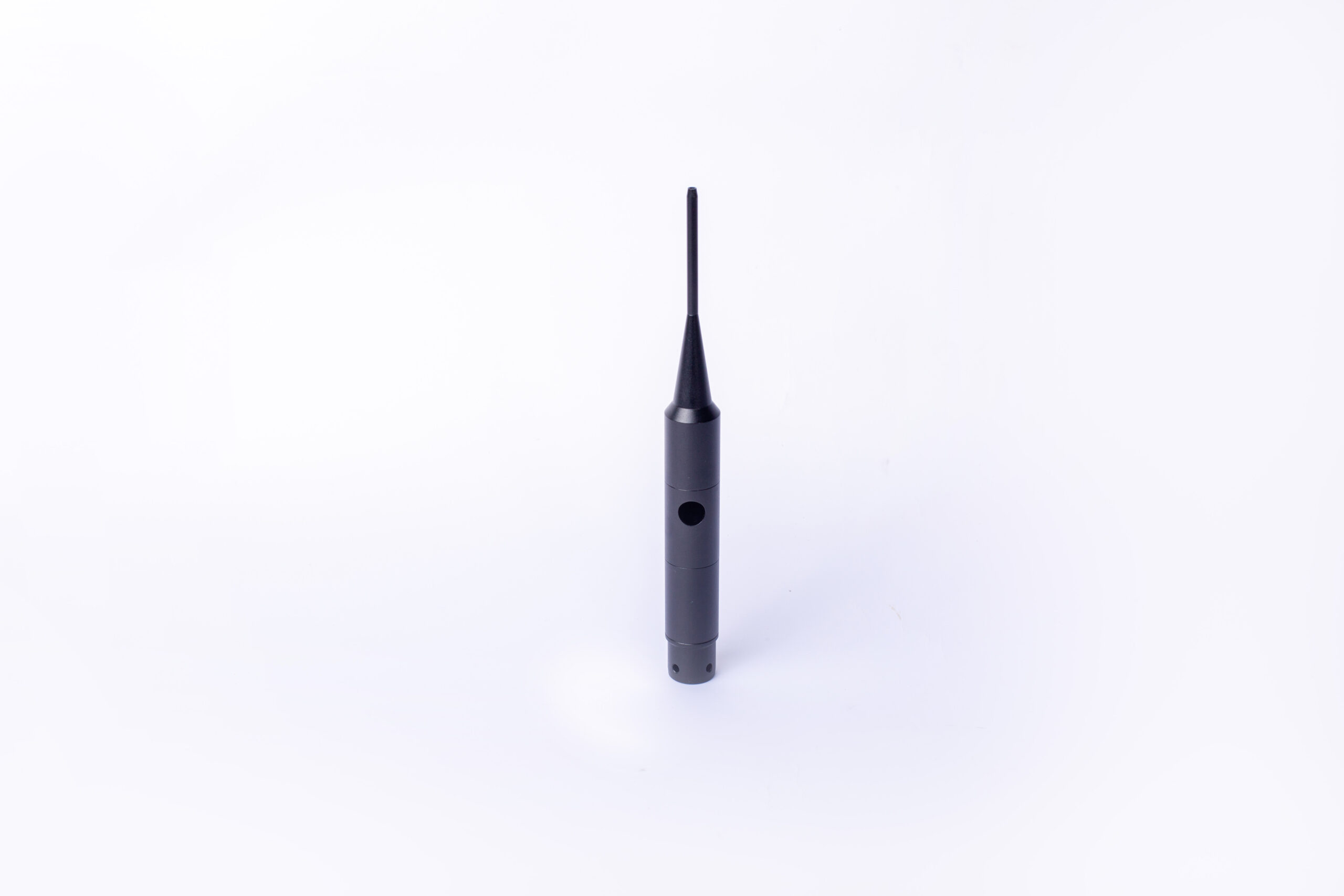


aluminum forgings FAQs Guide.
Our company is dedicated to providing high-quality aluminum forgings products to meet the needs of various industries. With advanced technology and skilled craftsmanship, we have become a leading manufacturer in the field of aluminum forgings. Our products are widely used in aerospace, automotive, and construction industries, just to name a few. We take great pride in our products as they are not only durable and reliable, but also lightweight and eco-friendly. Through this introduction, we hope to showcase the versatility and excellence of our aluminum forgings products. Thank you for choosing us as your trusted provider of top-notch aluminum forgings products.
1.About aluminum forgings warranty
Aluminum forging warranty typically covers defects in materials and workmanship for a period of one year from the date of purchase. The warranty may also cover any repairs or replacements that are necessary due to normal wear and tear. The warranty may also cover any damages caused by improper use or installation. The warranty may also cover any damages caused by environmental factors such as corrosion or extreme temperatures.
2.About aluminum forgings origin
Aluminum forging is a process that has been used for centuries to create strong and durable metal components. The process involves heating aluminum to a high temperature and then using a hammer or press to shape it into the desired shape. Aluminum forging is used in a variety of industries, including aerospace, automotive, and medical. It is a cost-effective and efficient way to create components that are strong and lightweight.
3.Can aluminum forgingss be heat treated?
We have rich industry experience and professional knowledge, and have strong competitiveness in the market.
Yes, aluminum forgings can be heat treated. Heat treating is a process used to alter the physical and chemical properties of a material. It is commonly used to increase the strength and hardness of aluminum forgings.
4.What industries commonly use aluminum forgingss?
We attach importance to the innovation ability and team spirit of employees, have advanced R & D facilities and laboratories, and have a good quality management system.
Aluminum forgings are commonly used in the automotive, aerospace, defense, and marine industries. They are also used in the construction, medical, and sporting goods industries.
5.Are there any differences in the mechanical properties of forged and cast aluminum?
We pay attention to the transformation of intellectual property protection and innovation achievements. Your OEM or ODM order design we have a complete confidentiality system.
Yes, there are differences in the mechanical properties of forged and cast aluminum. Forged aluminum is typically stronger and more ductile than cast aluminum, due to the forging process which increases the grain size and improves the mechanical properties. Forged aluminum also has a higher yield strength and tensile strength than cast aluminum. Cast aluminum is typically softer and more brittle than forged aluminum, and has a lower yield strength and tensile strength.
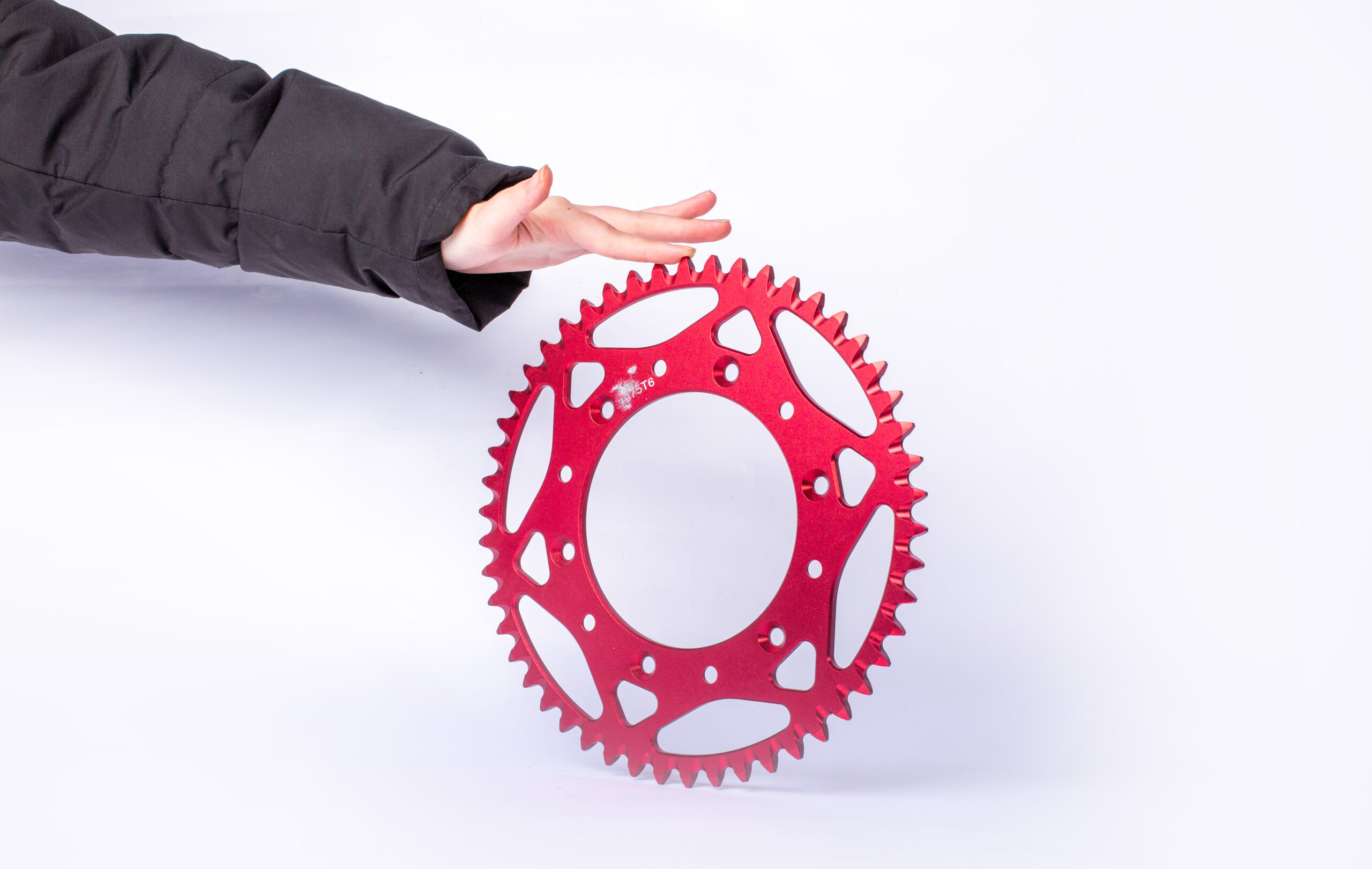
6.How do environmental factors, such as temperature and humidity, affect the aluminum forgings process?
We focus on teamwork and communication to achieve common goals, We attach great importance to this detail.
Temperature and humidity can have a significant impact on the aluminum forging process. High temperatures can cause the aluminum to become too soft and malleable, making it difficult to form into the desired shape. Low temperatures can cause the aluminum to become too brittle and crack during the forging process. High humidity can cause the aluminum to become sticky and difficult to work with, while low humidity can cause the aluminum to become too dry and brittle. Additionally, high temperatures and humidity can cause the aluminum to corrode more quickly, leading to a shorter lifespan for the forged product.
7.What factors affect the strength and hardness of aluminum forgingss?
Our aluminum forgings products have competitive and differentiated advantages, and actively promote digital transformation and innovation.
1. Alloy composition: The alloy composition of aluminum forgings affects the strength and hardness of the material. Different alloying elements can be added to aluminum to increase its strength and hardness.
2. Heat treatment: Heat treatment is an important factor in determining the strength and hardness of aluminum forgings. Different heat treatments can be used to increase the strength and hardness of aluminum forgings.
3. Grain size: The grain size of aluminum forgings affects the strength and hardness of the material. Smaller grain sizes can increase the strength and hardness of aluminum forgings.
4. Stress relief: Stress relief is an important factor in determining the strength and hardness of aluminum forgings. Stress relief can be used to reduce internal stresses in the material, which can increase the strength and hardness of aluminum forgings.
5. Surface finish: The surface finish of aluminum forgings affects the strength and hardness of the material. A smoother surface finish can increase the strength and hardness of aluminum forgings.
8.About aluminum forgings payment method
Aluminum forging payment methods vary depending on the supplier. Common payment methods include cash, check, wire transfer, credit card, and PayPal. Some suppliers may also accept payment through financing options such as leasing or installment plans. It is important to discuss payment terms with the supplier prior to placing an order.
9.Can secondary operations, such as machining or surface coating, be performed on aluminum forgingss?
Yes, secondary operations such as machining and surface coating can be performed on aluminum forgings. Machining can be used to create complex shapes and features, while surface coating can be used to improve the corrosion resistance and aesthetic appearance of the part.
10.What is the role of lubrication in aluminum forgings?
We adhere to the principle of quality first and have a complete production quality management system and quality inspection process.
Lubrication plays an important role in aluminum forging. It helps reduce friction between the metal and the die, which can reduce wear and tear on the die and help to improve the quality of the finished product. It also helps to reduce the amount of heat generated during the forging process, which can help to prevent the aluminum from becoming too hot and causing damage to the die. Finally, lubrication can help to reduce the amount of force required to form the aluminum, which can help to reduce the amount of energy used in the process.
11.What are the material testing methods used for evaluating aluminum forgingss?
1. Visual Inspection: This is the most basic form of testing and involves examining the surface of the aluminum forging for any signs of defects or irregularities.
2. Ultrasonic Testing: This method uses high-frequency sound waves to detect any internal flaws or defects in the aluminum forging.
3. Magnetic Particle Testing: This method uses a magnetic field to detect any surface or subsurface flaws in the aluminum forging.
4. Radiographic Testing: This method uses X-rays to detect any internal flaws or defects in the aluminum forging.
5. Hardness Testing: This method uses a hardness tester to measure the hardness of the aluminum forging.
6. Chemical Analysis: This method involves analyzing the chemical composition of the aluminum forging to ensure it meets the required specifications.
12.How are defects identified and corrected during the aluminum forgings process?
Our products & services cover a wide range of areas and meet the needs of different fields.
Defects in aluminum forging can be identified and corrected through a variety of methods. Visual inspection is the most common method used to identify defects. This involves looking for surface irregularities, such as cracks, porosity, or other surface defects. Ultrasonic testing is also used to detect internal defects, such as voids, inclusions, or cracks. X-ray and radiographic testing can also be used to detect internal defects. Once a defect is identified, it can be corrected by reworking the part, using a different forging process, or by using a different material.
13.What considerations should be taken into account when designing a product for aluminum forgings?
As one of the top aluminum forgings manufacturers in China, we take this very seriously.
1. Strength: Aluminum is a relatively soft metal, so it is important to consider the strength requirements of the product when designing for aluminum forging.
2. Heat Treatment: Aluminum is susceptible to heat treatment, so it is important to consider the desired properties of the product when designing for aluminum forging.
3. Grain Structure: Aluminum has a grain structure that can be affected by the forging process, so it is important to consider the desired grain structure of the product when designing for aluminum forging.
4. Tooling: Aluminum is a relatively soft metal, so it is important to consider the tooling requirements of the product when designing for aluminum forging.
5. Cost: Aluminum is a relatively inexpensive metal, so it is important to consider the cost of the product when designing for aluminum forging.
Tag:cold forge aluminum,quality aluminum forge jobs,aluminum forged parts,forged aluminum nonstick wok