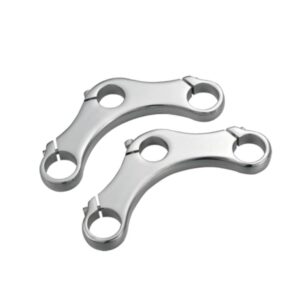
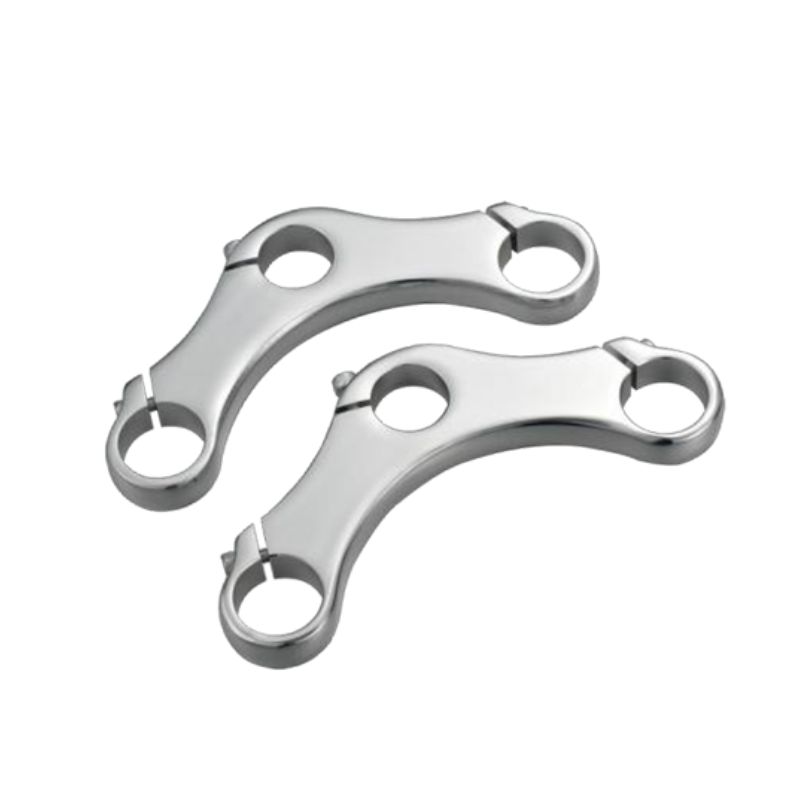
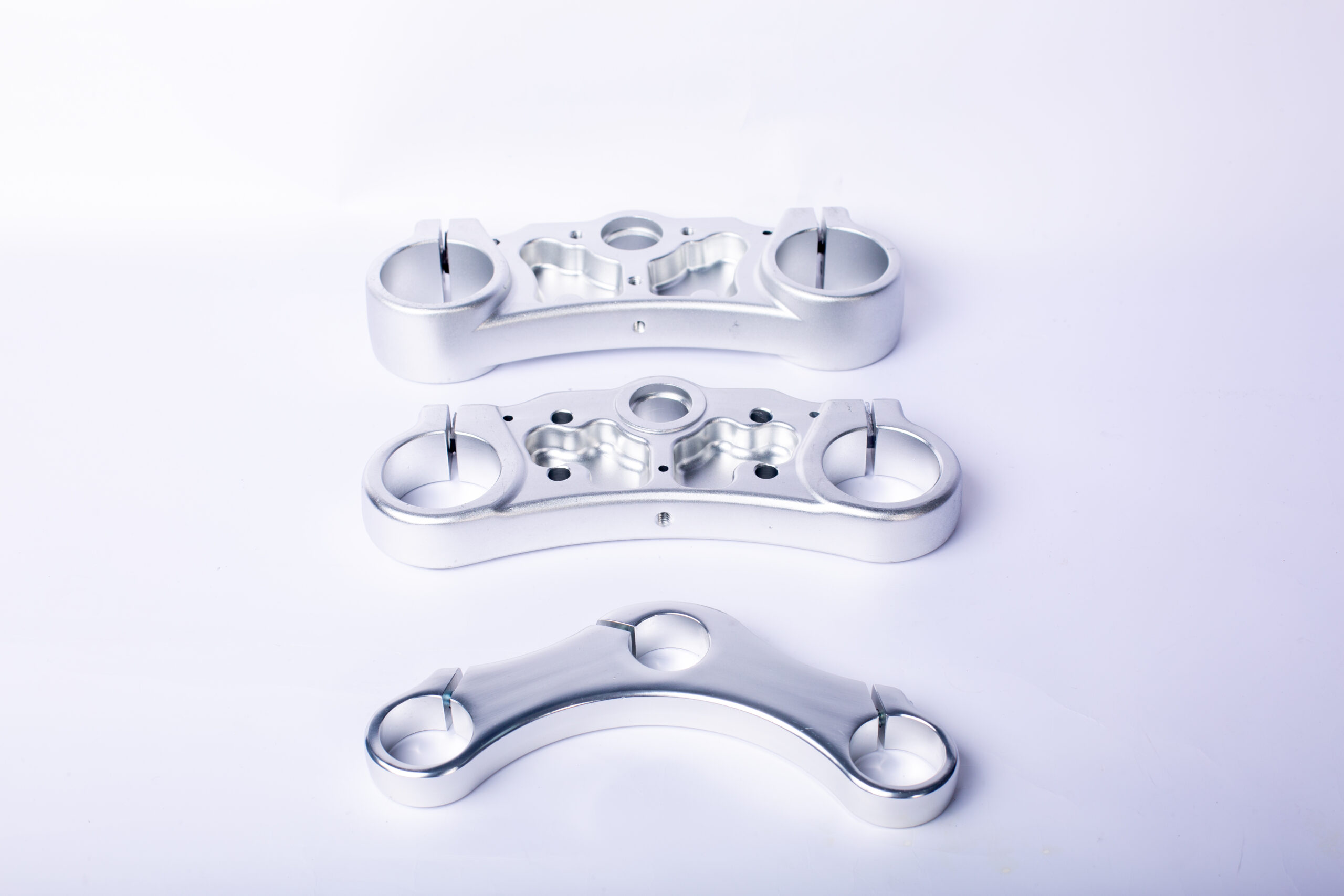
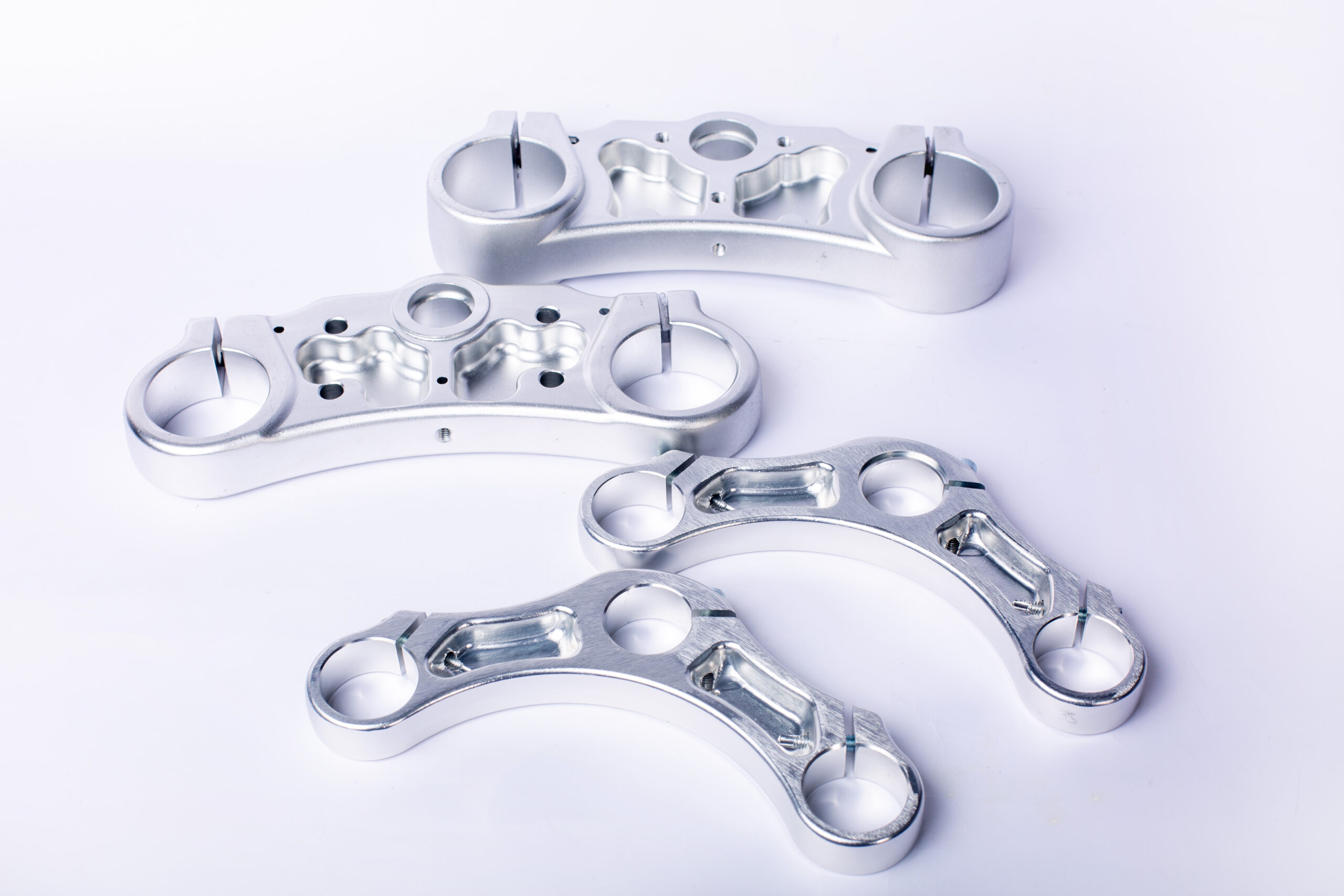
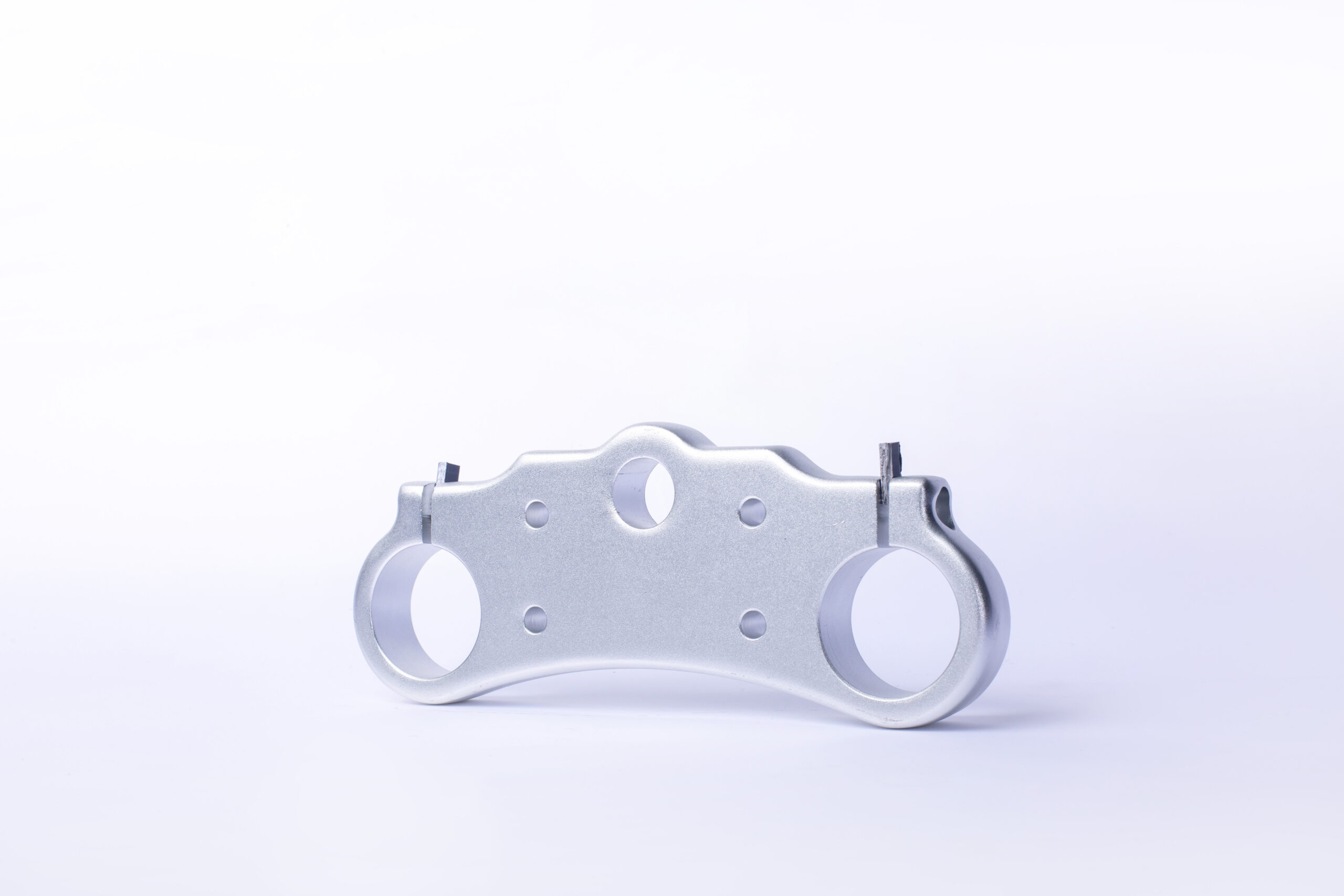
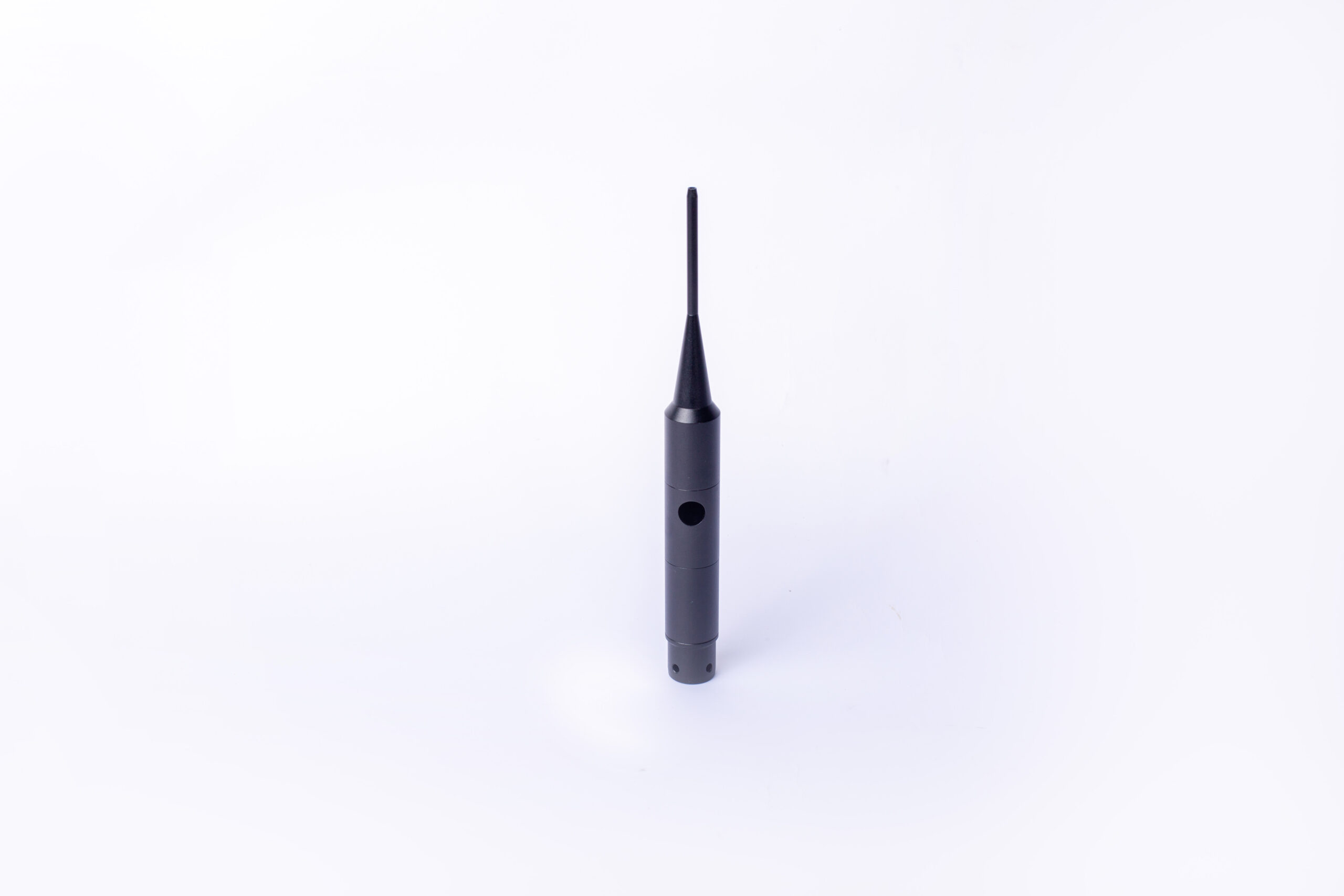
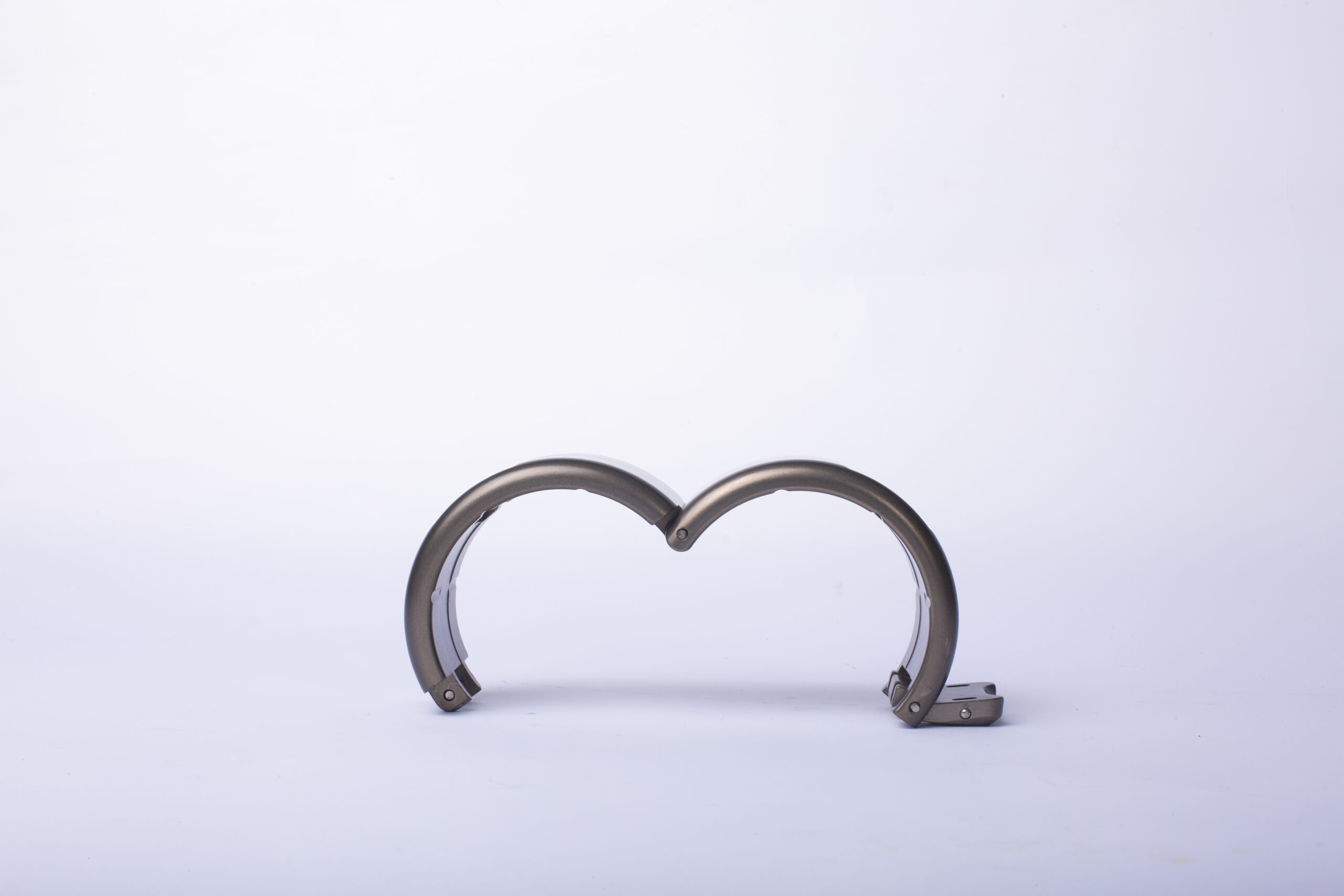
MINGYU Tech is a reputable supplier of aluminum ring forging for the telecommunications industry. With our advanced forging technology and expertise, we can produce forgings for a wide range of telecommunications equipment, including antennas, satellite dishes and support structures. Our team works closely with our customers to provide cost-effective solutions that meet their specific needs. We are committed to providing the highest quality products and excellent customer service to our customers in the telecommunications industry.
aluminum ring forging is the process of shaping aluminum alloys using extreme heat and pressure, resulting in a strong and lightweight product. This manufacturing process has been used for centuries to create sturdy and reliable products, and has become increasingly popular in recent years due to the rise in demand for high-quality, lightweight and durable materials.
One of the main advantages of aluminum ring forging is the strength-to-weight ratio of the final product. aluminum ring forgings are known for their high strength and low weight, making them ideal for use in a variety of industries, including aerospace, automotive, and construction. This lightweight feature makes aluminum ring forgings highly sought after, as they reduce the overall weight of the end product, resulting in increased fuel efficiency and higher payload capacity.
In addition to their strength and lightweight nature, aluminum ring forgings also offer exceptional corrosion resistance. This is due to the natural formation of a protective oxide layer on the surface of the aluminum, which helps to prevent rust and other forms of corrosion. This makes aluminum ring forgings an excellent choice for outdoor and marine applications, as well as in harsh environments where corrosion is a concern.
| Place of Origin | China |
| Material | Metal Aluminium Steel Copper Brass |
| Process | Forging+machining+HT+finish Machining |
| Surface treatment | Polishing |
| Application | Machinery Parts |
| Product name | aluminum ring forging |
| Certificate | TS16949/ISO9001 |
| Color | Customized Color |
| Quality Control | 100% Inspection |
| Lead Time | 14-38 Days |
| MOQ | 1 Piece |
| Supply Ability | 196998 Piece/Pieces per Month |
| Quantity (pieces) | > 411 |
| Lead time (days) | To be negotiated |


aluminum ring forging FAQs Guide.
Our company is dedicated to providing high-quality aluminum ring forging products to meet the needs of various industries. With advanced technology and skilled craftsmanship, we have become a leading manufacturer in the field of aluminum ring forging. Our products are widely used in aerospace, automotive, and construction industries, just to name a few. We take great pride in our products as they are not only durable and reliable, but also lightweight and eco-friendly. Through this introduction, we hope to showcase the versatility and excellence of our aluminum ring forging products. Thank you for choosing us as your trusted provider of top-notch aluminum ring forging products.
1.What considerations should be taken into account when designing a product for aluminum ring forging?
As one of the top aluminum ring forging manufacturers in China, we take this very seriously.
1. Strength: Aluminum is a relatively soft metal, so it is important to consider the strength requirements of the product when designing for aluminum forging.
2. Heat Treatment: Aluminum is susceptible to heat treatment, so it is important to consider the desired properties of the product when designing for aluminum forging.
3. Grain Structure: Aluminum has a grain structure that can be affected by the forging process, so it is important to consider the desired grain structure of the product when designing for aluminum forging.
4. Tooling: Aluminum is a relatively soft metal, so it is important to consider the tooling requirements of the product when designing for aluminum forging.
5. Cost: Aluminum is a relatively inexpensive metal, so it is important to consider the cost of the product when designing for aluminum forging.
2.How does the cost of tooling for aluminum ring forging compare to other metal forging processes?
We operate our aluminum ring forging business with integrity and honesty.
The cost of tooling for aluminum forging is typically lower than other metal forging processes due to the lower melting point of aluminum. This allows for shorter cycle times and less wear on the tooling, resulting in lower costs. Additionally, aluminum is a softer metal than other metals, which makes it easier to shape and form. This also helps to reduce the cost of tooling.
3.About aluminum ring forging technology
Aluminum forging is a metalworking process in which metal is heated and then shaped into a desired shape by applying pressure. It is a process that is used to create parts with improved strength and durability. Aluminum forging is used in a variety of industries, including aerospace, automotive, and medical. The process is used to create parts with complex shapes and tight tolerances. Aluminum forging is a cost-effective way to produce parts with superior strength and durability. The process is also used to create parts with improved fatigue resistance and corrosion resistance.
4.How is aluminum ring forging different from other metal forging processes?
We continue to invest in research and development and continue to launch innovative products.
Aluminum forging is different from other metal forging processes in that it requires a different set of tools and techniques. Aluminum is a softer metal than other metals, so it requires a different set of tools and techniques to shape it. Aluminum forging also requires a lower temperature than other metals, so it is more energy efficient. Additionally, aluminum forging is more cost effective than other metal forging processes due to its lower melting point.
5.Can aluminum ring forgings be used in high-stress applications?
We are a new aluminum ring forging manufacturer.
Yes, aluminum forgings can be used in high-stress applications. Aluminum forgings are strong and lightweight, making them ideal for applications that require strength and durability. They are also corrosion-resistant and can withstand extreme temperatures, making them suitable for a variety of high-stress applications.
6.How are tolerances achieved during the aluminum ring forging process?
aluminum ring forging is not a product only, but also can help you comes to money-making.
Tolerances are achieved during the aluminum forging process by controlling the temperature of the aluminum, controlling the speed of the forging press, and controlling the amount of force applied to the aluminum. Additionally, the die used in the forging process must be designed to the desired tolerance specifications. Finally, the aluminum must be inspected and tested to ensure that it meets the desired tolerance requirements.

7.What are the key differences between open die and closed die aluminum ring forging?
We continuously upgrade our skills and knowledge to adapt to changing aluminum ring forging market needs.
Open die forging is a process in which a hammer or press is used to shape a piece of metal between two flat dies without completely enclosing it. This process is used to create large, custom-shaped parts. Closed die forging is a process in which a hammer or press is used to shape a piece of metal between two dies that completely enclose the metal. This process is used to create smaller, more precise parts with tighter tolerances.
8.What level of precision can be achieved in aluminum ring forgings?
The level of precision that can be achieved in aluminum forgings depends on the type of forging process used and the quality of the raw material. Generally, aluminum forgings can achieve tolerances of up to +/- 0.005 inches (0.127 mm). However, some processes can achieve even higher levels of precision, such as die forging, which can achieve tolerances of up to +/- 0.001 inches (0.025 mm).
9.Are there any specialized equipment or machinery used in aluminum ring forging?
We have advantages in marketing and channel expansion. Suppliers have established good cooperative relations, continuously improved workflows, improved efficiency and productivity, and provided customers with high -quality products and services.
Yes, there are several specialized pieces of equipment and machinery used in aluminum forging. These include presses, hammers, dies, furnaces, and anvils. Additionally, some aluminum forging processes may require specialized tools such as mandrels, punches, and trimming tools.
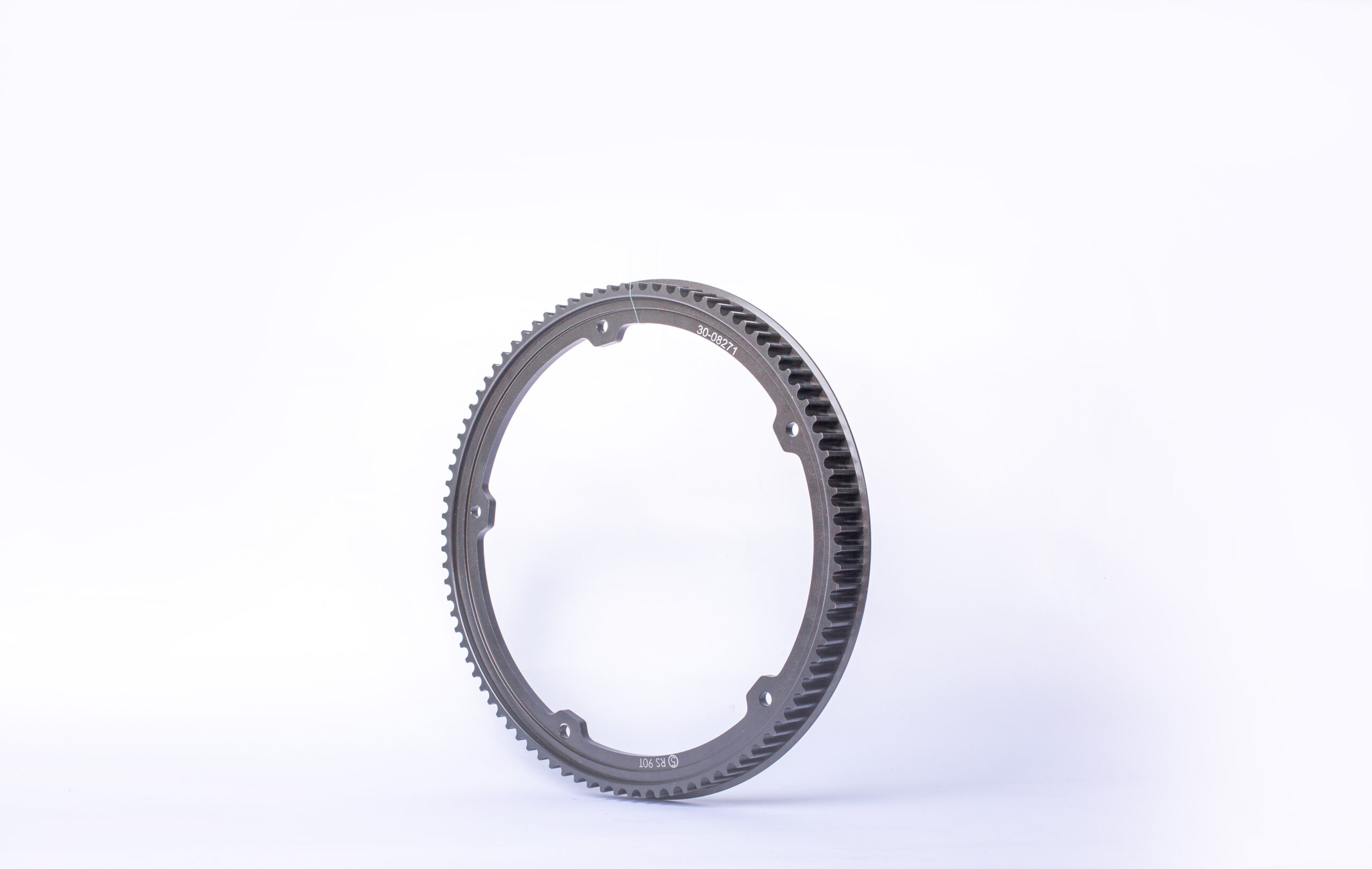
10.About aluminum ring forging warranty
Aluminum forging warranty typically covers defects in materials and workmanship for a period of one year from the date of purchase. The warranty may also cover any repairs or replacements that are necessary due to normal wear and tear. The warranty may also cover any damages caused by improper use or installation. The warranty may also cover any damages caused by environmental factors such as corrosion or extreme temperatures.
11.Can multiple aluminum components be forged and joined together?
We should enjoy a good reputation in the industry, and we can increase the added value of the products of cooperative customers through technological innovation.
Yes, multiple aluminum components can be forged and joined together. This is done through a process called aluminum forging and welding. This process involves heating the aluminum components to a high temperature and then using a hammer or press to shape them into the desired shape. The components are then welded together using a welding process such as TIG or MIG welding.
12.How does the cost of aluminum ring forgings compare to casting or machining a similar part?
The cost of aluminum forgings is typically higher than casting or machining a similar part. This is because the process of forging is more complex and requires more specialized equipment and expertise. Additionally, the cost of raw materials for forging is typically higher than for casting or machining. However, the cost of aluminum forgings can be offset by the improved strength and durability of the part, as well as the potential for reduced machining time and cost.

13.Are there any unique thermal or electrical properties of aluminum ring forgings?
We maintain a stable growth through reasonable capital operations, focus on industry development trends and cutting -edge technologies, and focus on product quality and safety performance.
Yes, aluminum forgings have unique thermal and electrical properties. Aluminum is a good conductor of electricity and heat, and its thermal conductivity is higher than that of steel. Aluminum also has a high strength-to-weight ratio, making it an ideal material for forging. Additionally, aluminum forgings are corrosion-resistant and have excellent fatigue strength.
14.About aluminum ring forging raw materials
Aluminum forging raw materials are typically aluminum alloys that are heated and then shaped into a desired shape using a forging process. Common aluminum alloys used for forging include 6061, 7075, and 2024. These alloys are chosen for their strength, durability, and corrosion resistance. Other factors such as cost, availability, and machinability are also taken into consideration when selecting the right alloy for a particular application.
15.What are the material testing methods used for evaluating aluminum ring forgings?
1. Visual Inspection: This is the most basic form of testing and involves examining the surface of the aluminum forging for any signs of defects or irregularities.
2. Ultrasonic Testing: This method uses high-frequency sound waves to detect any internal flaws or defects in the aluminum forging.
3. Magnetic Particle Testing: This method uses a magnetic field to detect any surface or subsurface flaws in the aluminum forging.
4. Radiographic Testing: This method uses X-rays to detect any internal flaws or defects in the aluminum forging.
5. Hardness Testing: This method uses a hardness tester to measure the hardness of the aluminum forging.
6. Chemical Analysis: This method involves analyzing the chemical composition of the aluminum forging to ensure it meets the required specifications.
Tag:aluminum forging temp measure,aluminum forged wheel blanks,forging copper and aluminum,forged aluminum pistons and boost