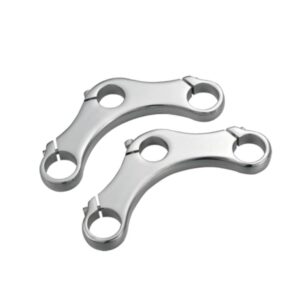
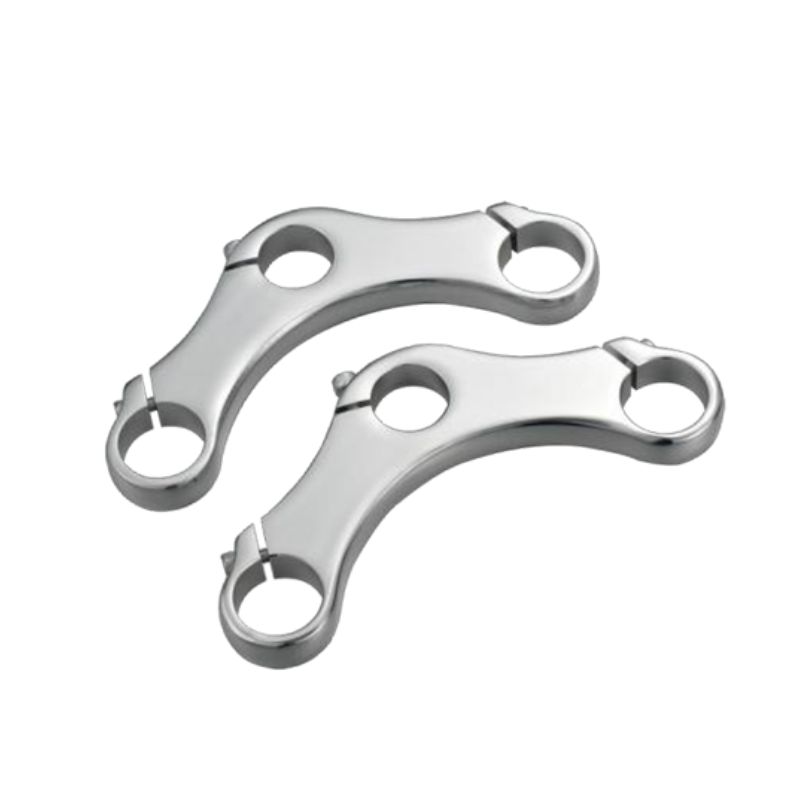
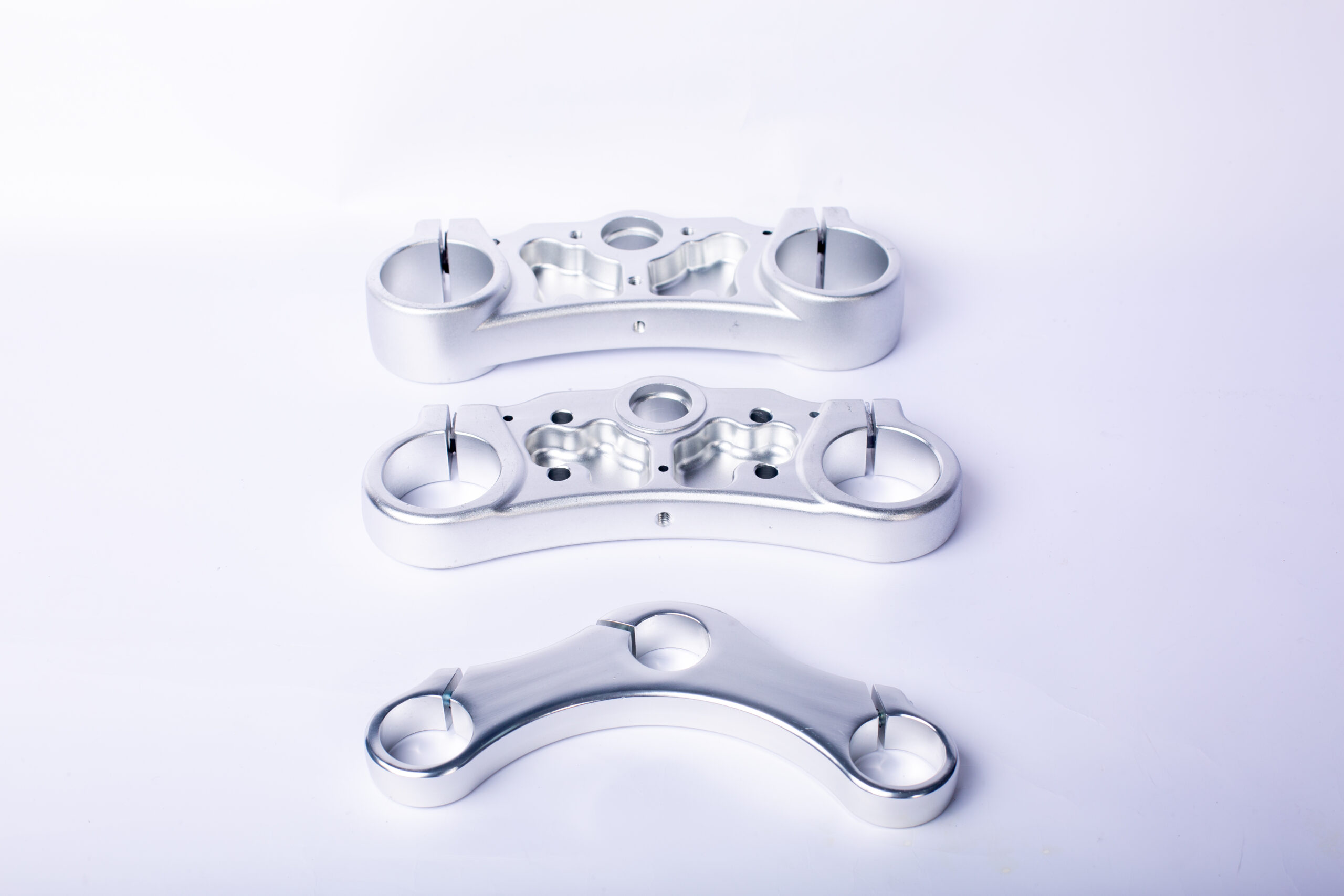
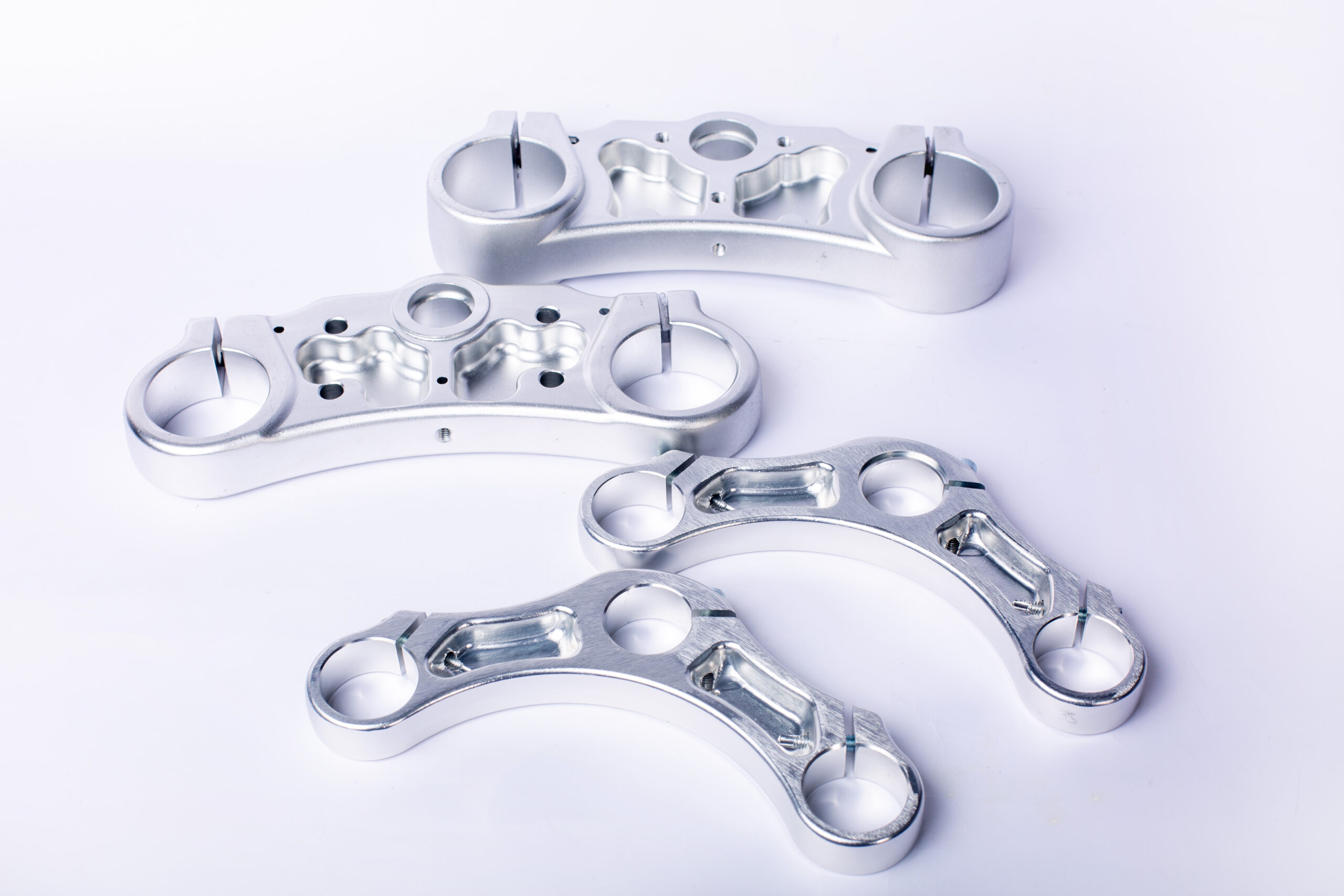
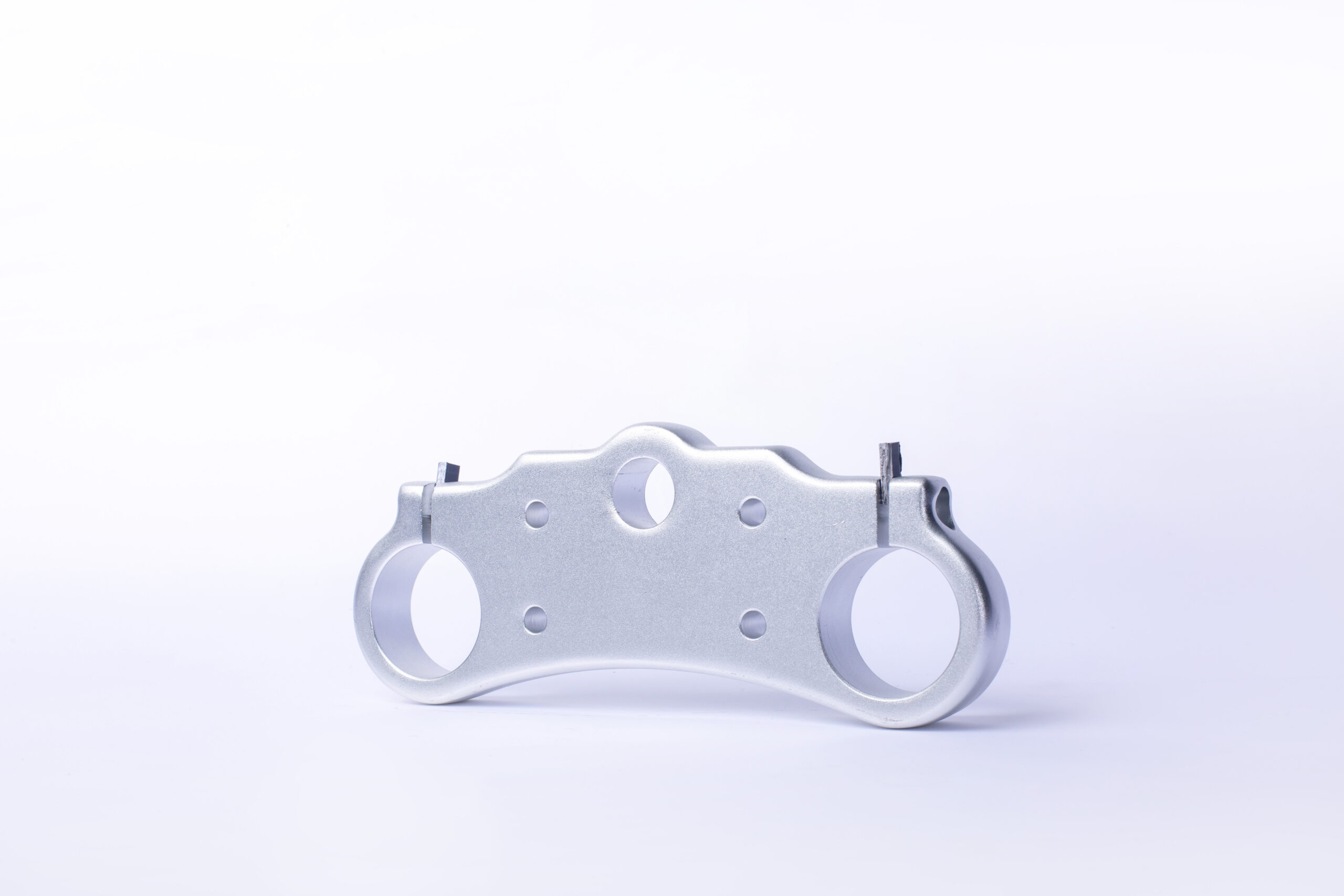
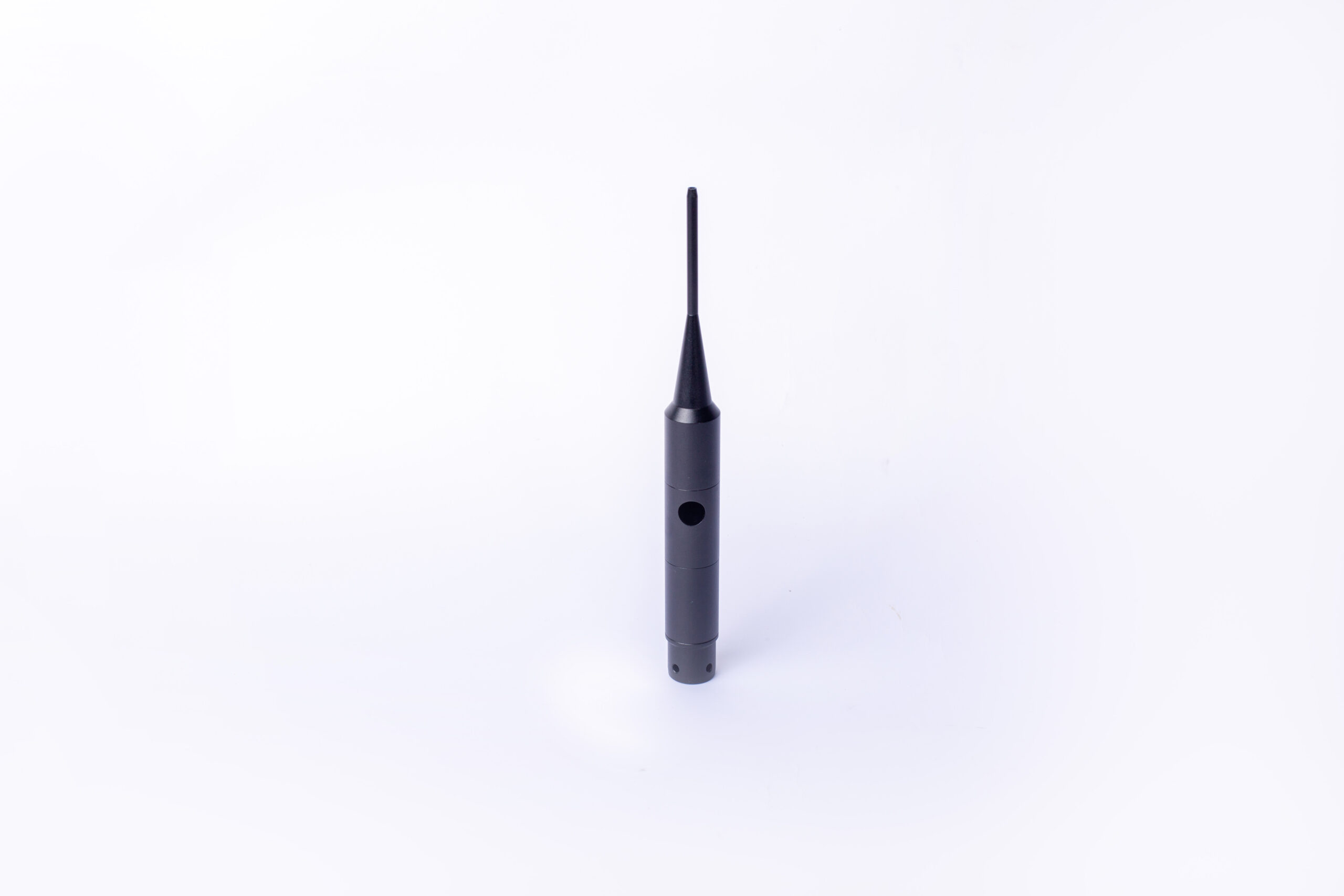
MINGYU Tech. is a leading manufacturer of customized cnc aluminum machining service for the electronics industry. We have a professional team of engineers and technicians with extensive experience in CNC machining and anodizing, ensuring that we can meet the most demanding design and quality requirements. Our factories are equipped with state-of-the-art machines and inspection equipment and use cutting-edge software for design and process optimization. We also provide rapid prototyping services and strive to provide customers with competitive prices and on-time delivery.
One of the most commonly used cnc aluminum machining service products is the CNC (Computer Numerical Control) machining center. This computer-controlled machine uses specialized cutting tools to remove material from aluminum workpieces, creating complex shapes and precise dimensions. CNC machining centers are highly efficient and can perform multiple operations in one setup, resulting in faster production and higher accuracy.
Another essential cnc aluminum machining service product is the cutting tool. High-speed steel cutting tools are commonly used for cnc aluminum machining service due to their ability to withstand the high cutting speeds required for machining this material. These tools are available in different shapes and sizes, such as end mills, drills, and reamers, and can be customized for specific machining requirements.
Aside from cutting and shaping, surface finishing is also an important aspect of cnc aluminum machining service. Products such as polishing tools, grinding wheels, and buffing pads are used to achieve smooth and uniform surface finishes on aluminum workpieces. This not only improves the aesthetics of the finished product but also enhances its corrosion resistance and durability.
| Brand | MINGYU TechMINGYU Tech |
| Original | China |
| Capacity | 1288Ton/Month |
| Thickness | 0.3mm and above, or Customized |
| Length | 2-6.6Meter |
| Hardness | >=8HW |
| Color | Silver,White,Black,Grey,Bronze,Champagne,Wood and any as requested |


cnc aluminum machining service FAQs Guide.
Our company specializes in providing high-quality cnc aluminum machining service services for a variety of industries. With years of experience, state-of-the-art equipment, and a dedicated team, we pride ourselves on delivering precision and top-notch results for our customers. we will outline our capabilities and processes, and provide examples of the aluminum products we can create. We are confident that our cnc aluminum machining service services will meet and exceed your expectations.
1.What is the role of chip management in aluminum machining?
We attach importance to the innovation ability and team spirit of employees, have advanced R & D facilities and laboratories, and have a good quality management system.
Chip management is an important part of aluminum machining. It involves controlling the chips created during the machining process to ensure that they do not interfere with the machining process or cause damage to the machine or the workpiece. This is done by using chip breakers, chip conveyors, and other chip management tools. Proper chip management helps to reduce the risk of tool breakage, improve the surface finish of the machined part, and reduce the amount of time and energy required to complete the machining process.
2.How does the type of machine used for aluminum machining affect the final result?
The type of machine used for aluminum machining can have a significant impact on the final result. Different types of machines are designed to handle different types of materials, and aluminum is no exception. For example, a CNC milling machine is better suited for machining aluminum than a manual milling machine, as it can provide more precise and accurate cuts. Additionally, the type of cutting tool used can also affect the final result, as different tools are designed for different materials. For example, a high-speed steel tool is better suited for machining aluminum than a carbide tool.
3.Can aluminum be machined to create prototypes or one-of-a-kind parts?
We maintain a stable growth through reasonable capital operations, focus on industry development trends and cutting -edge technologies, and focus on product quality and safety performance.
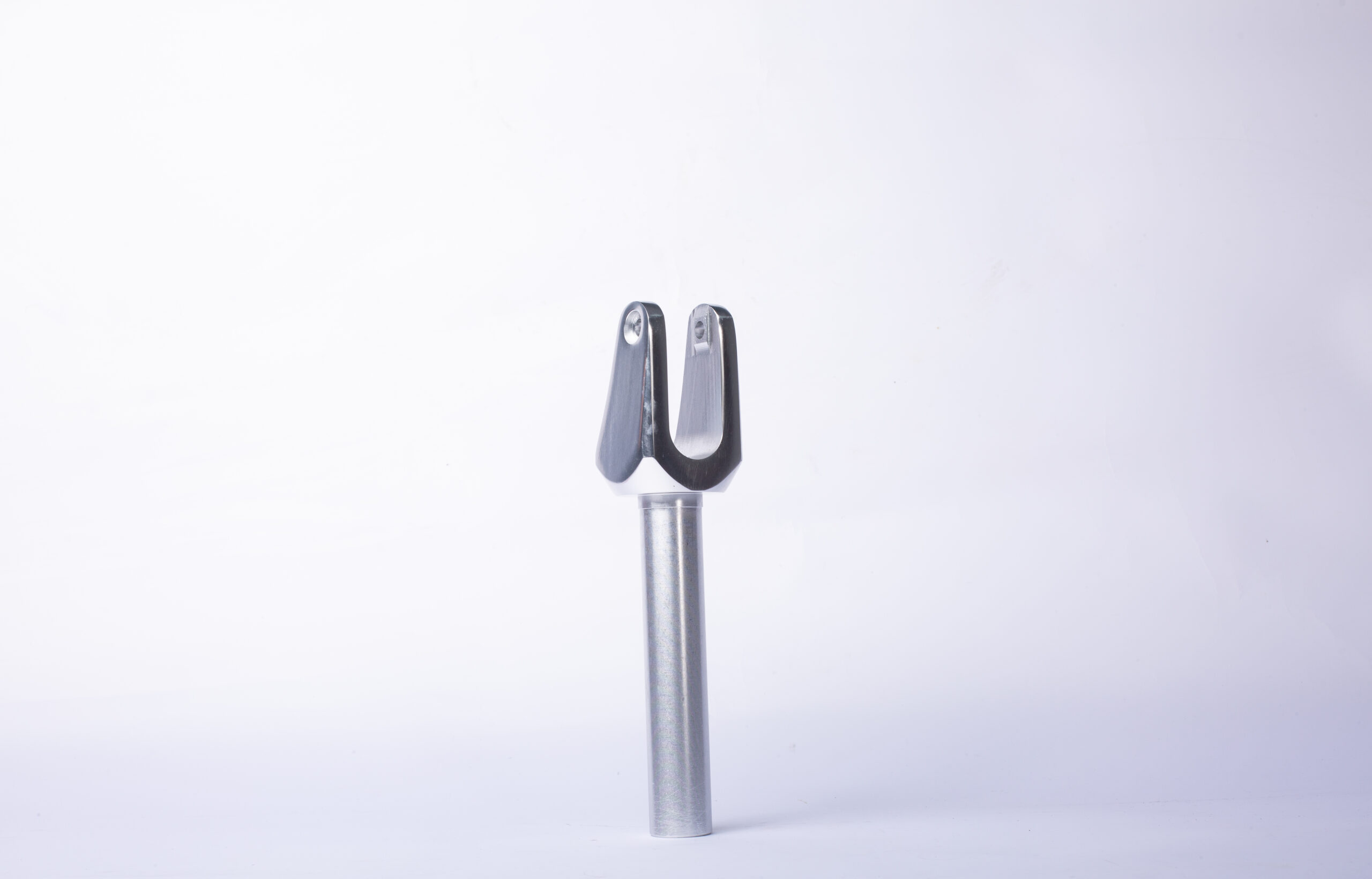
Yes, aluminum can be machined to create prototypes or one-of-a-kind parts. Aluminum is a popular material for machining because it is lightweight, strong, and corrosion-resistant. It is also relatively easy to machine, making it a great choice for creating custom parts.
4.Are there alternatives to traditional machining for shaping and forming aluminum?
Yes, there are several alternatives to traditional machining for shaping and forming aluminum. These include:
-Casting: Casting is a process in which molten aluminum is poured into a mold and allowed to cool and solidify. This is a great way to create complex shapes and parts with a high degree of accuracy.
-Extrusion: Extrusion is a process in which aluminum is forced through a die to create a desired shape. This is a great way to create parts with a consistent cross-section.
-Forging: Forging is a process in which aluminum is heated and then hammered or pressed into a desired shape. This is a great way to create parts with a high degree of strength and durability.
-Stamping: Stamping is a process in which aluminum is cut and formed into a desired shape using a die. This is a great way to create parts with a high degree of accuracy and repeatability.

5.Is aluminum recycling feasible in the machining industry?
We have flexible production capacity. Whether you are large orders or small orders, you can produce and release goods in a timely manner to meet customer needs.
Yes, aluminum recycling is feasible in the machining industry. Aluminum is a highly recyclable material, and it is often used in machining operations due to its strength and light weight. Recycling aluminum can help reduce costs and conserve resources, and it can also help reduce waste and pollution.
6.What are the environmental considerations of aluminum machining?
We adhere to the principle of quality first and have a complete production quality management system and quality inspection process.
1. Aluminum machining can produce hazardous dust and fumes, which can be harmful to workers and the environment.
2. Aluminum machining can produce large amounts of noise, which can be disruptive to nearby communities.
3. Aluminum machining can produce large amounts of waste, which can be difficult to dispose of properly.
4. Aluminum machining can require large amounts of energy, which can contribute to air pollution.
5. Aluminum machining can produce hazardous chemicals, which can be toxic to the environment.
7.What factors affect the speed and efficiency of aluminum machining?
We are a professional cnc aluminum machining service company dedicated to providing high quality products and services.
1. Tooling: The type of tooling used for aluminum machining can have a significant impact on the speed and efficiency of the process. For example, using a high-speed steel (HSS) tool can provide faster cutting speeds than a carbide tool.
2. Feed Rate: The feed rate of the cutting tool is also important for aluminum machining. A higher feed rate can increase the speed of the process, but it can also lead to increased tool wear and decreased tool life.
3. Cutting Fluids: The use of cutting fluids can help to reduce friction and heat during aluminum machining, which can improve the speed and efficiency of the process.
4. Cutting Parameters: The cutting parameters, such as the spindle speed, feed rate, and depth of cut, can all affect the speed and efficiency of aluminum machining.
5. Workpiece Material: The type of aluminum being machined can also affect the speed and efficiency of the process. For example, softer aluminum alloys can be machined faster than harder alloys.
8.What are some common tips for achieving optimal results with aluminum machining?
Our mission is to provide customers with the best solutions for cnc aluminum machining service.
1. Use high-speed steel (HSS) tools for aluminum machining.
2. Use a coolant to reduce heat and friction.
3. Use a sharp tool to reduce cutting forces and improve surface finish.
4. Use a high-feed rate to reduce cutting time.
5. Use a low spindle speed to reduce tool wear.
6. Use a positive rake angle to reduce cutting forces.
7. Use a high-pressure coolant system to reduce heat and improve chip evacuation.
8. Use a chip breaker to reduce cutting forces and improve surface finish.
9. Use a high-precision tool holder to reduce tool runout and improve accuracy.
10. Use a rigid machine tool to reduce vibration and improve accuracy.

9.Can additives be used in the cutting fluid when machining aluminum?
Yes, additives can be used in the cutting fluid when machining aluminum. Additives can help reduce friction, improve lubricity, and reduce heat buildup. However, it is important to use the correct type of additive for the specific application, as some additives may be incompatible with aluminum.
10.What are some common problems encountered during aluminum machining?
We should enjoy a good reputation in the industry, and we can increase the added value of the products of cooperative customers through technological innovation.
1. Tool wear: Aluminum is a soft metal, which can cause tools to wear quickly.
2. Chip clogging: Aluminum chips can easily clog up the cutting area, leading to poor surface finish and reduced tool life.
3. Heat buildup: Aluminum is a good conductor of heat, which can cause the tool and workpiece to heat up quickly. This can lead to tool failure and reduced accuracy.
4. Vibration: Aluminum is a lightweight material, which can cause vibration during machining. This can lead to poor surface finish and reduced accuracy.
5. Poor surface finish: Aluminum is a soft metal, which can cause a poor surface finish. This can be improved by using a higher cutting speed and a sharper tool.
11.How does aluminum machining compare to other common materials such as steel or titanium?
We are a new cnc aluminum machining service manufacturer.
Aluminum machining is generally easier than machining steel or titanium due to its lower strength and hardness. Aluminum is also more ductile and malleable than steel or titanium, which makes it easier to shape and form. Aluminum is also much lighter than steel or titanium, which makes it easier to handle and transport. However, aluminum is more prone to corrosion than steel or titanium, so it requires more frequent maintenance and protection.
12.What are the properties of aluminum that make it suitable for machining?
We are committed to providing personalized solutions and established long -term strategic cooperative relationships with customers.
1. Aluminum is lightweight and strong, making it easy to machine and shape.
2. Aluminum has a low melting point, which makes it easier to cut and shape.
3. Aluminum is corrosion-resistant, making it suitable for machining in wet or humid environments.
4. Aluminum has a high thermal conductivity, which makes it suitable for machining at high speeds.
5. Aluminum is non-magnetic, making it suitable for machining in areas with strong magnetic fields.
6. Aluminum is non-toxic, making it safe to use in machining operations.
7. Aluminum is ductile, making it easy to form and shape.
8. Aluminum is malleable, making it easy to work with.
9. Aluminum is non-sparking, making it suitable for machining in hazardous environments.
13.What are some considerations when machining aluminum for aerospace applications?
1. Use high-speed steel or carbide tools with sharp cutting edges to reduce cutting forces and minimize tool wear.
2. Use coolant to reduce heat buildup and improve chip evacuation.
3. Use a low feed rate to reduce cutting forces and minimize tool wear.
4. Use a high spindle speed to reduce cutting forces and minimize tool wear.
5. Use a high depth of cut to reduce cutting forces and minimize tool wear.
6. Use a high cutting speed to reduce cutting forces and minimize tool wear.
7. Use a high-pressure coolant system to reduce heat buildup and improve chip evacuation.
8. Use a rigid machine setup to reduce vibration and improve surface finish.
9. Use a high-quality cutting tool material to reduce tool wear and improve surface finish.
10. Use a high-quality cutting tool geometry to reduce cutting forces and improve surface finish.
Tag:aluminum machining material,aluminum machining power,custom aluminum machining services,oem cnc aluminum machining