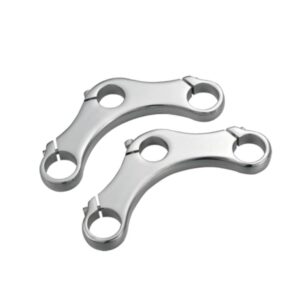
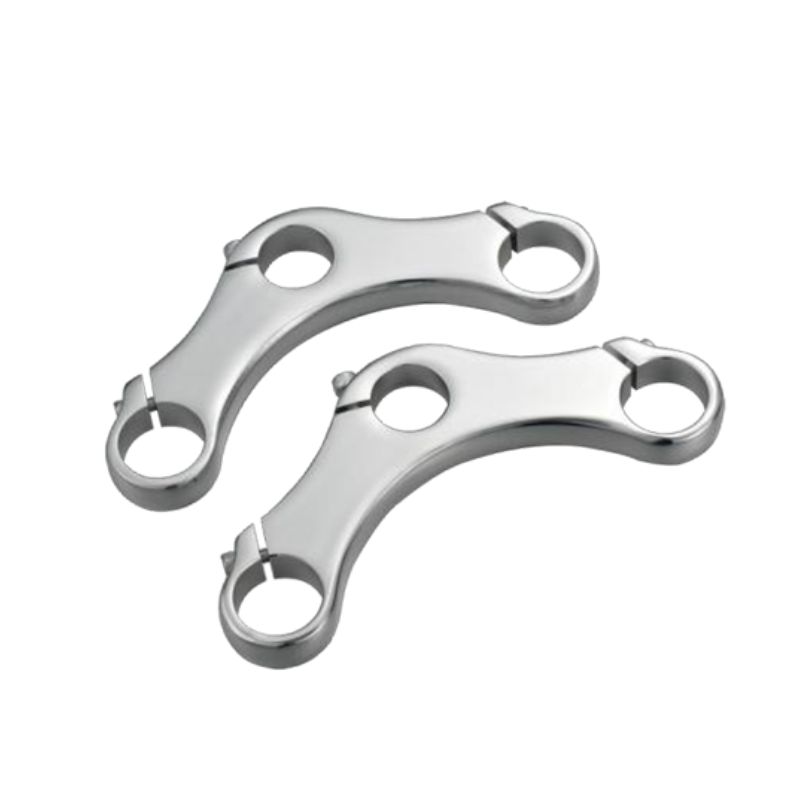
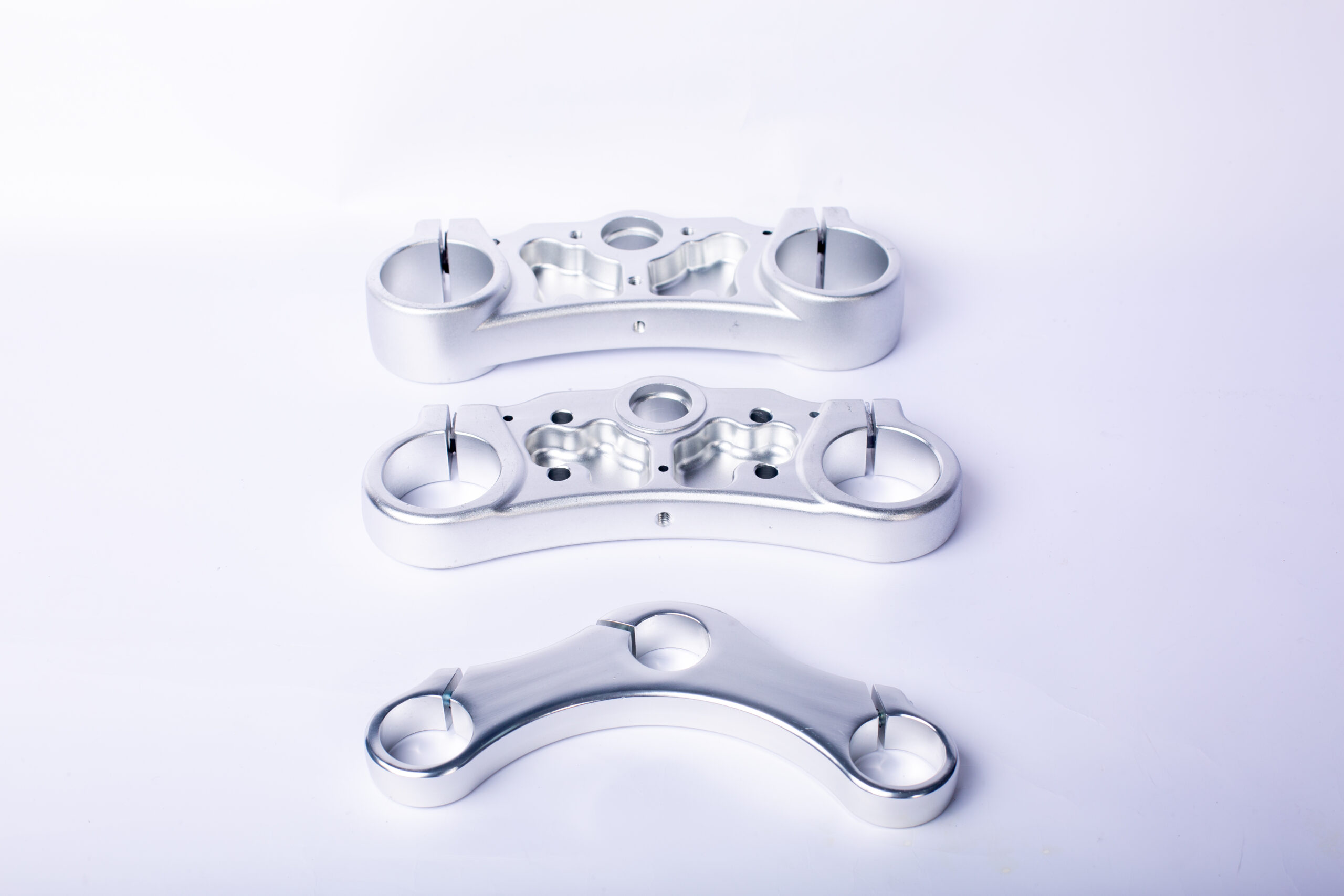
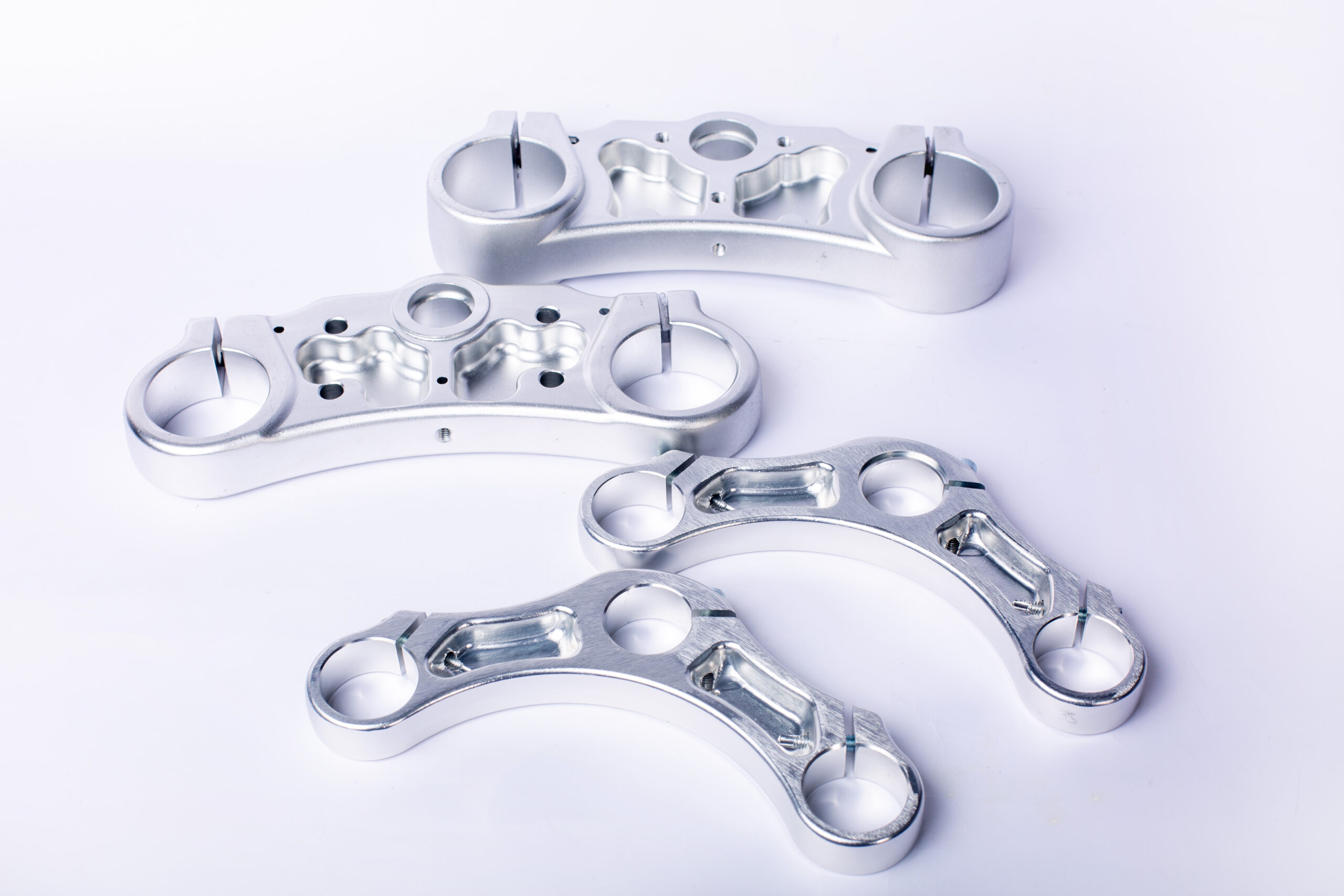
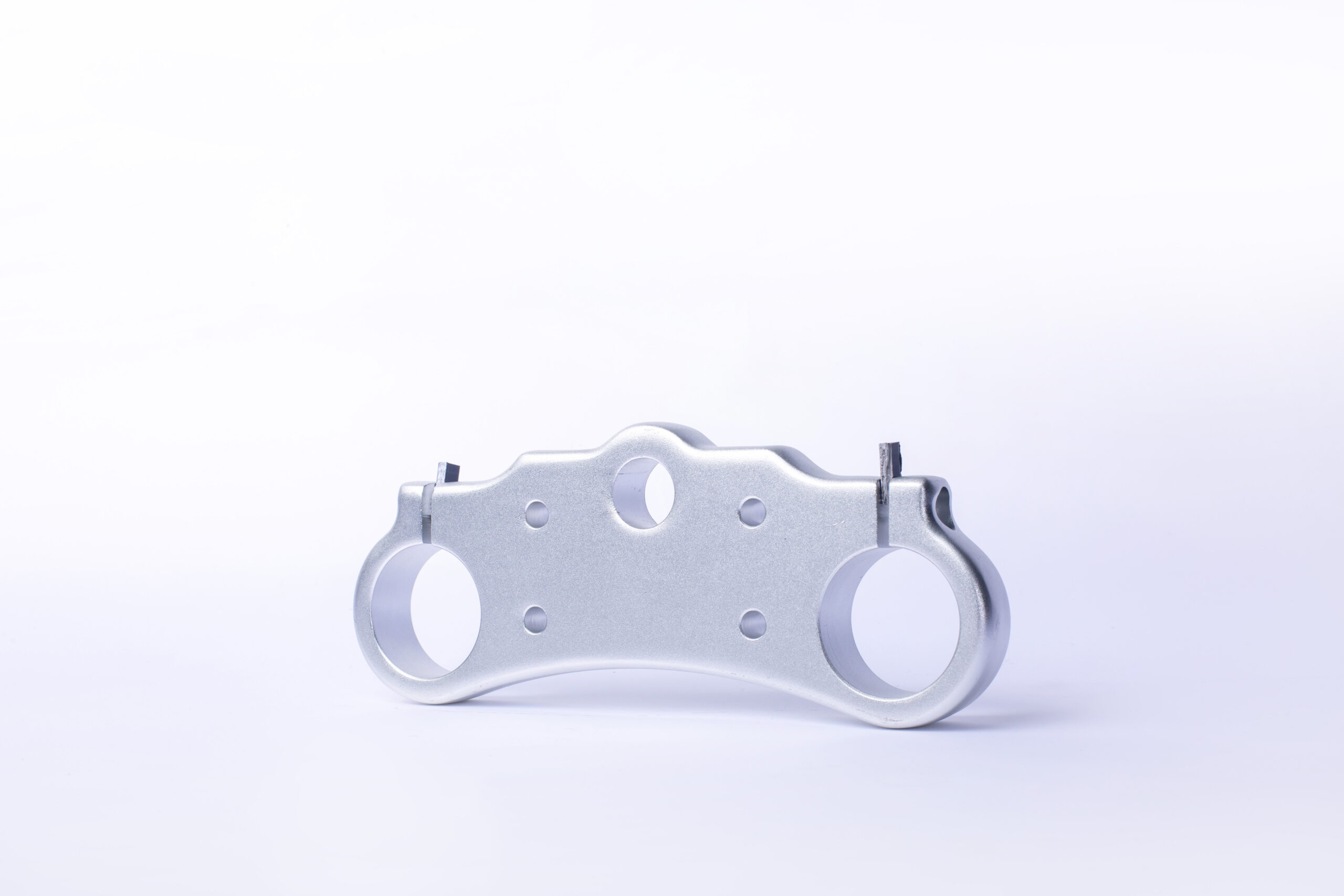
MINGYU Tech, is a leading manufacturer of precision extruded aluminum machining in various industries including aerospace, automotive and electronics. With state-of-the-art CNC mills and lathes, we are able to produce high-quality parts with tight tolerances. Our experienced team of engineers and technicians are dedicated to providing the best solutions to our customers’ unique needs. We also offer surface treatment options such as anodizing, powder coating and polishing to meet specific design requirements.
One of the most commonly used extruded aluminum machining products is the CNC (Computer Numerical Control) machining center. This computer-controlled machine uses specialized cutting tools to remove material from aluminum workpieces, creating complex shapes and precise dimensions. CNC machining centers are highly efficient and can perform multiple operations in one setup, resulting in faster production and higher accuracy.
Another essential extruded aluminum machining product is the cutting tool. High-speed steel cutting tools are commonly used for extruded aluminum machining due to their ability to withstand the high cutting speeds required for machining this material. These tools are available in different shapes and sizes, such as end mills, drills, and reamers, and can be customized for specific machining requirements.
Aside from cutting and shaping, surface finishing is also an important aspect of extruded aluminum machining. Products such as polishing tools, grinding wheels, and buffing pads are used to achieve smooth and uniform surface finishes on aluminum workpieces. This not only improves the aesthetics of the finished product but also enhances its corrosion resistance and durability.
| Service | CNC Turning, CNC Milling , Laser Cutting, Bending, Stamping, |
| Materials | Stainless steel,Steel,Brass,Aluminum,Plastic |
| Surface Treatment |
Anodize, Bead blasted, Silk Screen, Plating, Zinc/Nickel/ Plating, Electro Plating,Polishing, Knurl, Laser/Etch/Engrave etc. |
| Drawing Accepted | Stp, Step, IGS, Xt, AutoCAD(DXF, DWG), PDF, or Samples |
| Tolerance | 0.01- +/-0.002mm |
| Lead Time | 1-2 weeks for samples, 3-4 weeks for mass production |
| Quality Assurance | ISO9001:2018, ISO13485:2019, SGS, RoHs, |
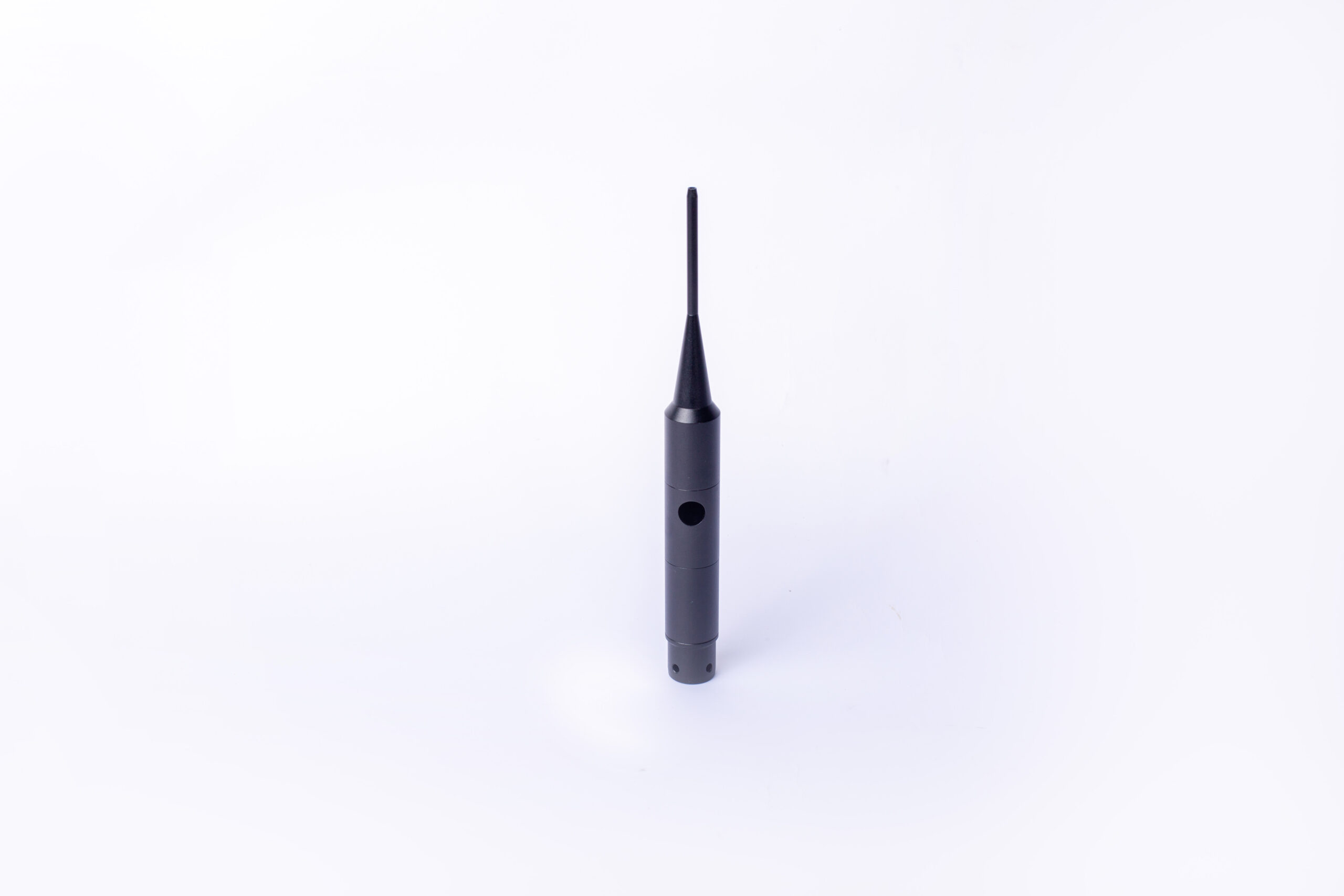


extruded aluminum machining FAQs Guide.
Our company specializes in providing high-quality extruded aluminum machining services for a variety of industries. With years of experience, state-of-the-art equipment, and a dedicated team, we pride ourselves on delivering precision and top-notch results for our customers. we will outline our capabilities and processes, and provide examples of the aluminum products we can create. We are confident that our extruded aluminum machining services will meet and exceed your expectations.
1.What is the impact of heat on aluminum machining?
I have a comprehensive after -sales service system, which can pay attention to market trends in time and adjust our strategy in a timely manner.
Heat can have a significant impact on aluminum machining. Heat can cause the aluminum to expand, which can lead to increased tool wear, reduced tool life, and decreased machining accuracy. Heat can also cause the aluminum to become more brittle, which can lead to cracking and other damage to the workpiece. Additionally, heat can cause the aluminum to become more difficult to machine, resulting in increased cutting forces and decreased surface finish.
2.How does the machining process differ for aluminum compared to other metals?
extruded aluminum machining is not a product only, but also can help you comes to money-making.
The machining process for aluminum is generally more difficult than for other metals due to its low thermal conductivity and high reactivity. Aluminum is more prone to work hardening, which can lead to increased tool wear and shorter tool life. Additionally, aluminum is more difficult to machine due to its tendency to stick to the cutting tool, resulting in increased cutting forces and higher cutting temperatures. To reduce these issues, aluminum machining requires higher cutting speeds, increased coolant flow, and the use of specialized cutting tools.

3.What impact does the speed of cutting have on the final product in aluminum machining?
The speed of cutting has a significant impact on the final product in aluminum machining. A slower cutting speed will produce a better finish, while a faster cutting speed will produce a rougher finish. Slower cutting speeds also reduce the risk of tool breakage and heat build-up, which can cause warping and other defects. Additionally, slower cutting speeds can help to reduce the amount of material removed, which can help to reduce costs.
4.Can aluminum be machined to create both large and small parts?
Yes, aluminum can be machined to create both large and small parts. Machining aluminum is a popular process for creating parts of all sizes, from tiny components to large structural components. Machining aluminum is relatively easy compared to other metals, and it can be used to create complex shapes and intricate details.
5.How does the cost of aluminum machining compare to other metals?
We have rich industry experience and professional knowledge, and have strong competitiveness in the market.
The cost of aluminum machining is generally lower than other metals due to its low density and high thermal conductivity. Aluminum is also easier to machine than other metals, which can reduce machining costs. Additionally, aluminum is a non-ferrous metal, meaning it does not contain iron, which can reduce the cost of machining due to the lack of need for specialized tools.
6.How does the cutting tools used for aluminum machining differ from other metals?
We enjoy high authority and influence in the industry and continue to innovate products and service models.
Cutting tools used for aluminum machining differ from other metals in several ways. Aluminum is a softer metal than other metals, so it requires a different type of cutting tool. Aluminum cutting tools are typically made from high-speed steel or carbide, which are harder and more durable than the tools used for other metals. Additionally, aluminum cutting tools are designed to be sharper and more precise than those used for other metals, as aluminum is more prone to chipping and tearing. Finally, aluminum cutting tools are often coated with a lubricant to reduce friction and heat buildup during machining.
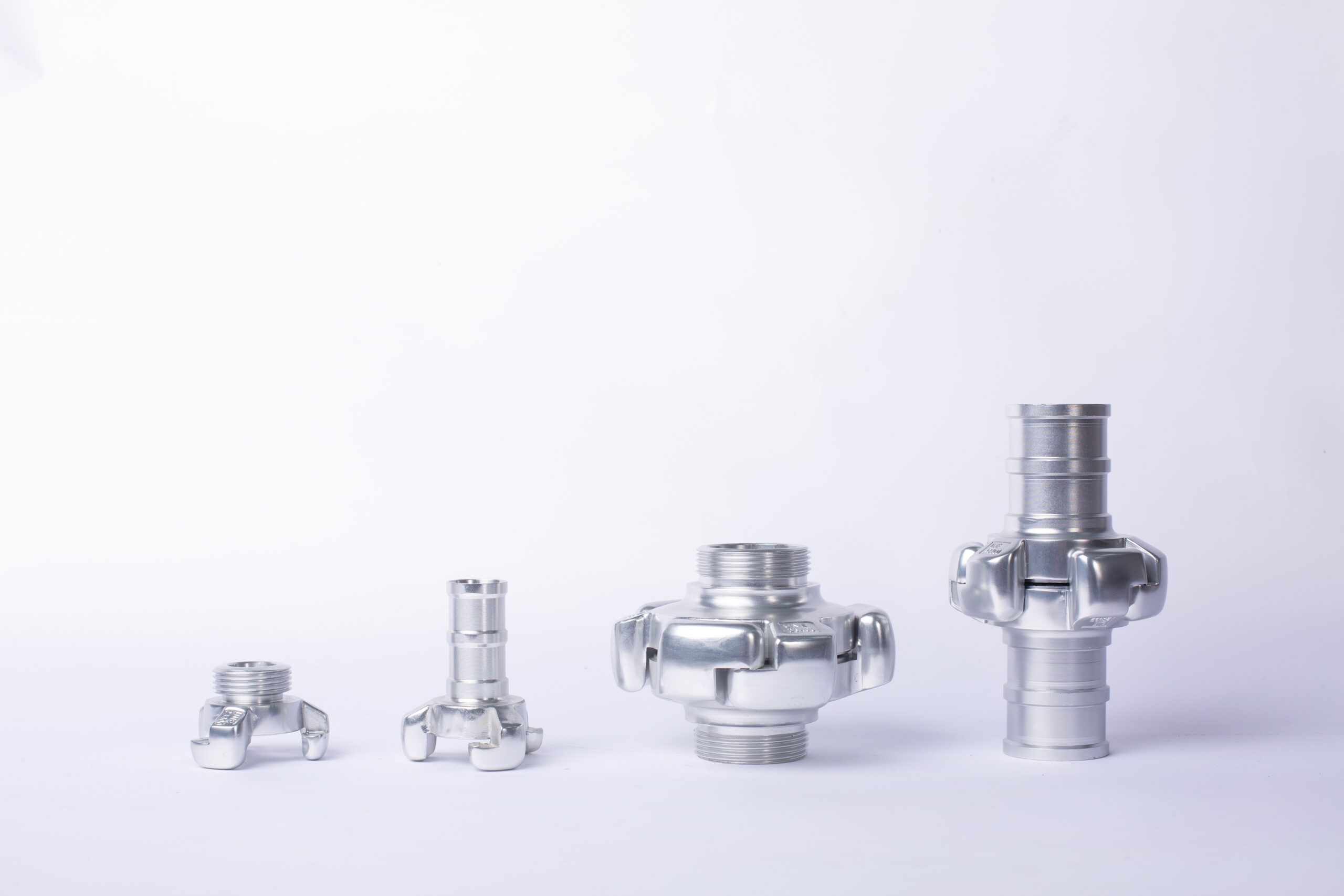
7.What are some common methods used for aluminum machining?
We operate our extruded aluminum machining business with integrity and honesty.
Common methods used for aluminum machining include:
1. Drilling: This is the most common method used for aluminum machining. It involves using a drill bit to create a hole in the aluminum material.
2. Milling: This is a process that uses a rotating cutting tool to remove material from the aluminum.
3. Turning: This is a process that uses a lathe to shape the aluminum material.
4. Grinding: This is a process that uses an abrasive wheel to remove material from the aluminum.
5. Sawing: This is a process that uses a saw to cut the aluminum material.
6. Punching: This is a process that uses a punch to create a hole in the aluminum material.
8.What are the different types of aluminum machining techniques?
We pay attention to the introduction and training of talents, scientifically regulate the management system, and focus on cultural construction and team cohesion.
1. Milling: This is a subtractive machining process that uses a rotating cutting tool to remove material from the surface of a workpiece.
2. Turning: This is a subtractive machining process that uses a rotating cutting tool to shape the outside diameter of a workpiece.
3. Drilling: This is a subtractive machining process that uses a rotating cutting tool to create a hole in a workpiece.
4. Boring: This is a subtractive machining process that uses a rotating cutting tool to enlarge an existing hole in a workpiece.
5. Reaming: This is a subtractive machining process that uses a rotating cutting tool to finish the surface of a hole in a workpiece.
6. Sawing: This is a subtractive machining process that uses a rotating cutting tool to cut a workpiece into two or more pieces.
7. Grinding: This is an abrasive machining process that uses a rotating grinding wheel to remove material from the surface of a workpiece.
8. Honing: This is an abrasive machining process that uses a rotating honing stone to finish the surface of a hole in a workpiece.
9. EDM (Electrical Discharge Machining): This is a non-traditional machining process that uses electrical sparks to remove material from the surface of a workpiece.
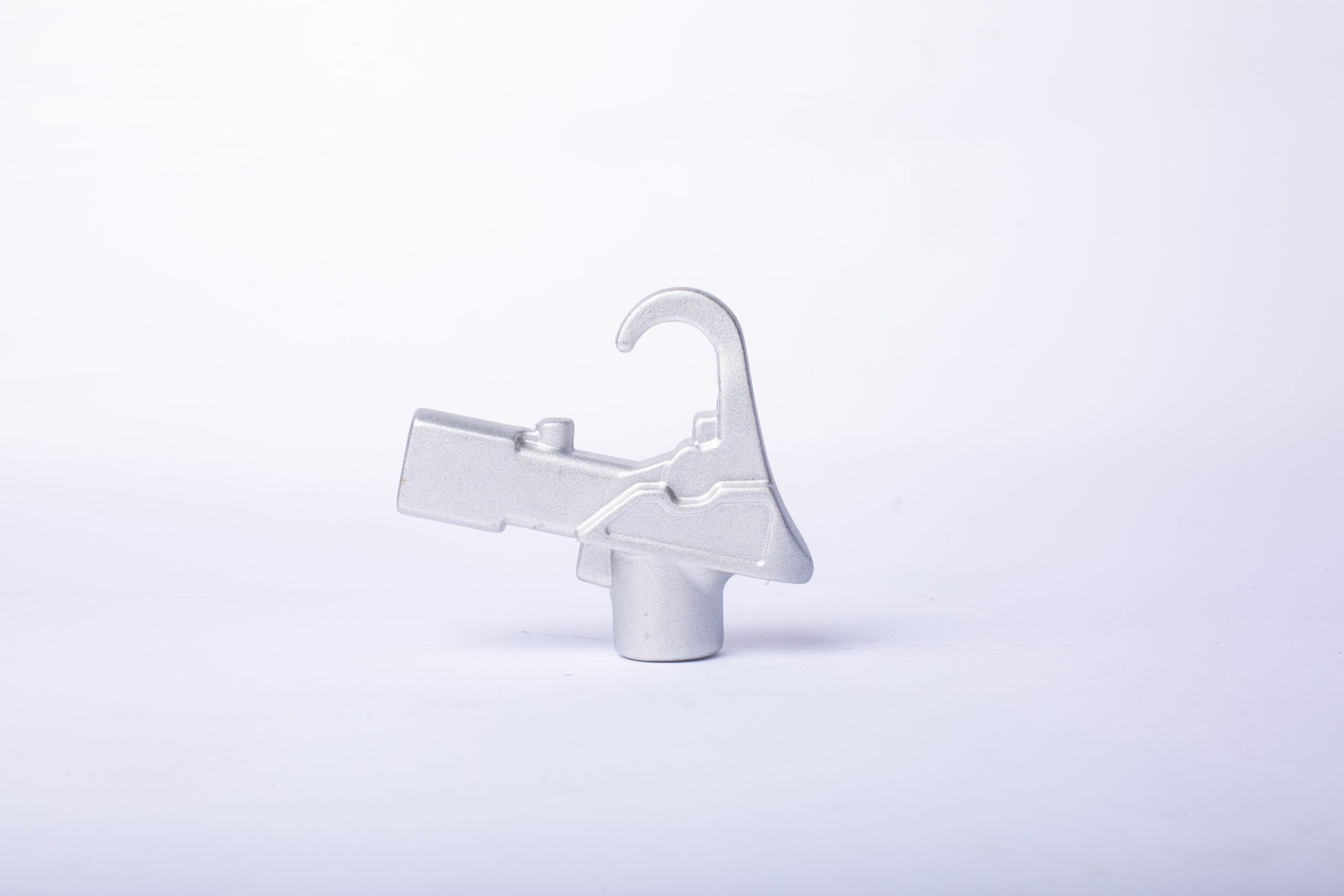
9.Can aluminum be machined with traditional machining tools?
As one of the top extruded aluminum machining manufacturers in China, we take this very seriously.
Yes, aluminum can be machined with traditional machining tools. However, it is important to note that aluminum is a softer metal than other metals, so it requires special cutting tools and techniques to ensure a good finish. Additionally, aluminum is more prone to heat buildup during machining, so it is important to use coolant and lubricants to reduce heat buildup and improve tool life.
10.What are some common problems encountered during aluminum machining?
We should enjoy a good reputation in the industry, and we can increase the added value of the products of cooperative customers through technological innovation.
1. Tool wear: Aluminum is a soft metal, which can cause tools to wear quickly.
2. Chip clogging: Aluminum chips can easily clog up the cutting area, leading to poor surface finish and reduced tool life.
3. Heat buildup: Aluminum is a good conductor of heat, which can cause the tool and workpiece to heat up quickly. This can lead to tool failure and reduced accuracy.
4. Vibration: Aluminum is a lightweight material, which can cause vibration during machining. This can lead to poor surface finish and reduced accuracy.
5. Poor surface finish: Aluminum is a soft metal, which can cause a poor surface finish. This can be improved by using a higher cutting speed and a sharper tool.
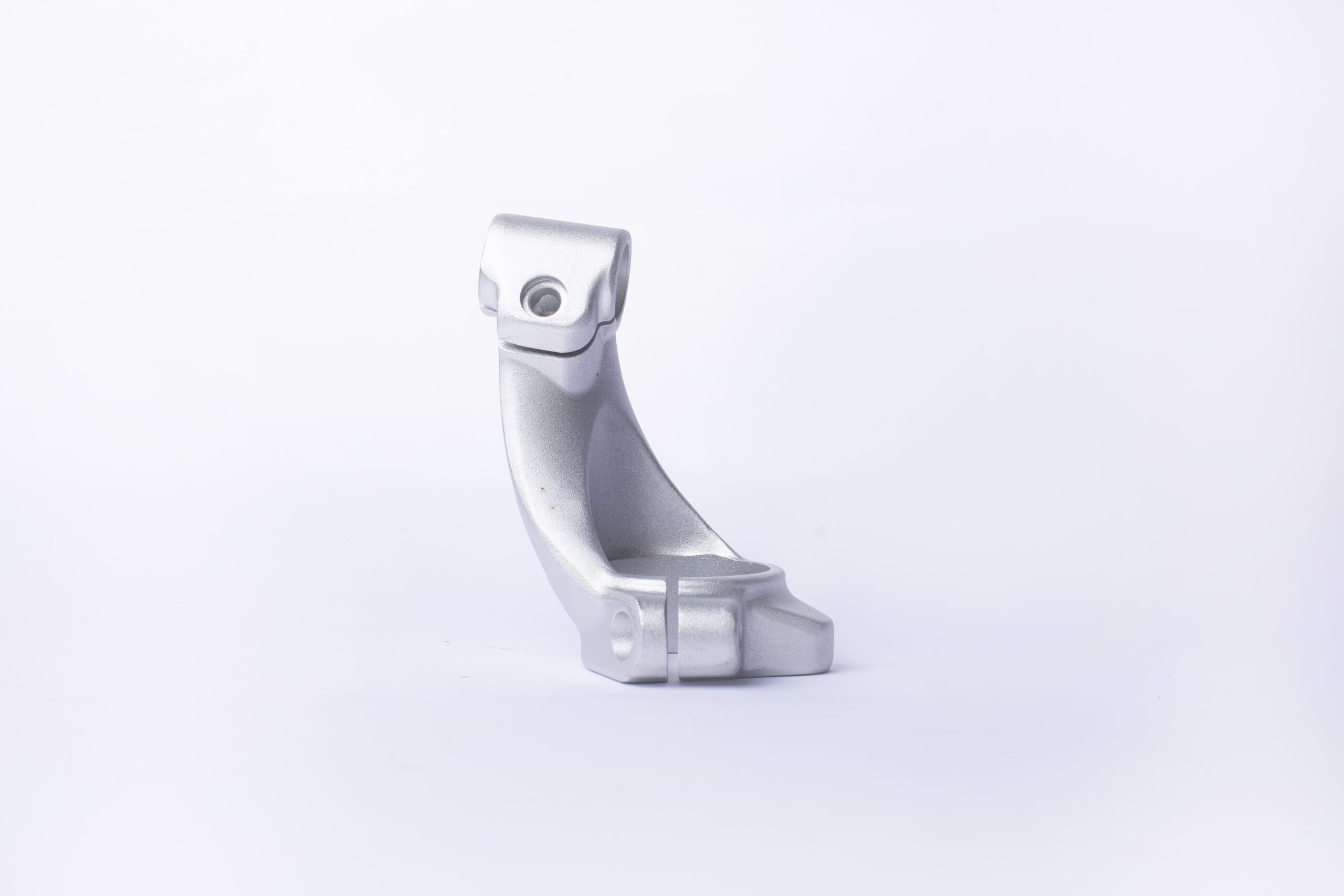
11.How does aluminum machining compare to other common materials such as steel or titanium?
We are a new extruded aluminum machining manufacturer.
Aluminum machining is generally easier than machining steel or titanium due to its lower strength and hardness. Aluminum is also more ductile and malleable than steel or titanium, which makes it easier to shape and form. Aluminum is also much lighter than steel or titanium, which makes it easier to handle and transport. However, aluminum is more prone to corrosion than steel or titanium, so it requires more frequent maintenance and protection.
12.Is aluminum recycling feasible in the machining industry?
We have flexible production capacity. Whether you are large orders or small orders, you can produce and release goods in a timely manner to meet customer needs.
Yes, aluminum recycling is feasible in the machining industry. Aluminum is a highly recyclable material, and it is often used in machining operations due to its strength and light weight. Recycling aluminum can help reduce costs and conserve resources, and it can also help reduce waste and pollution.
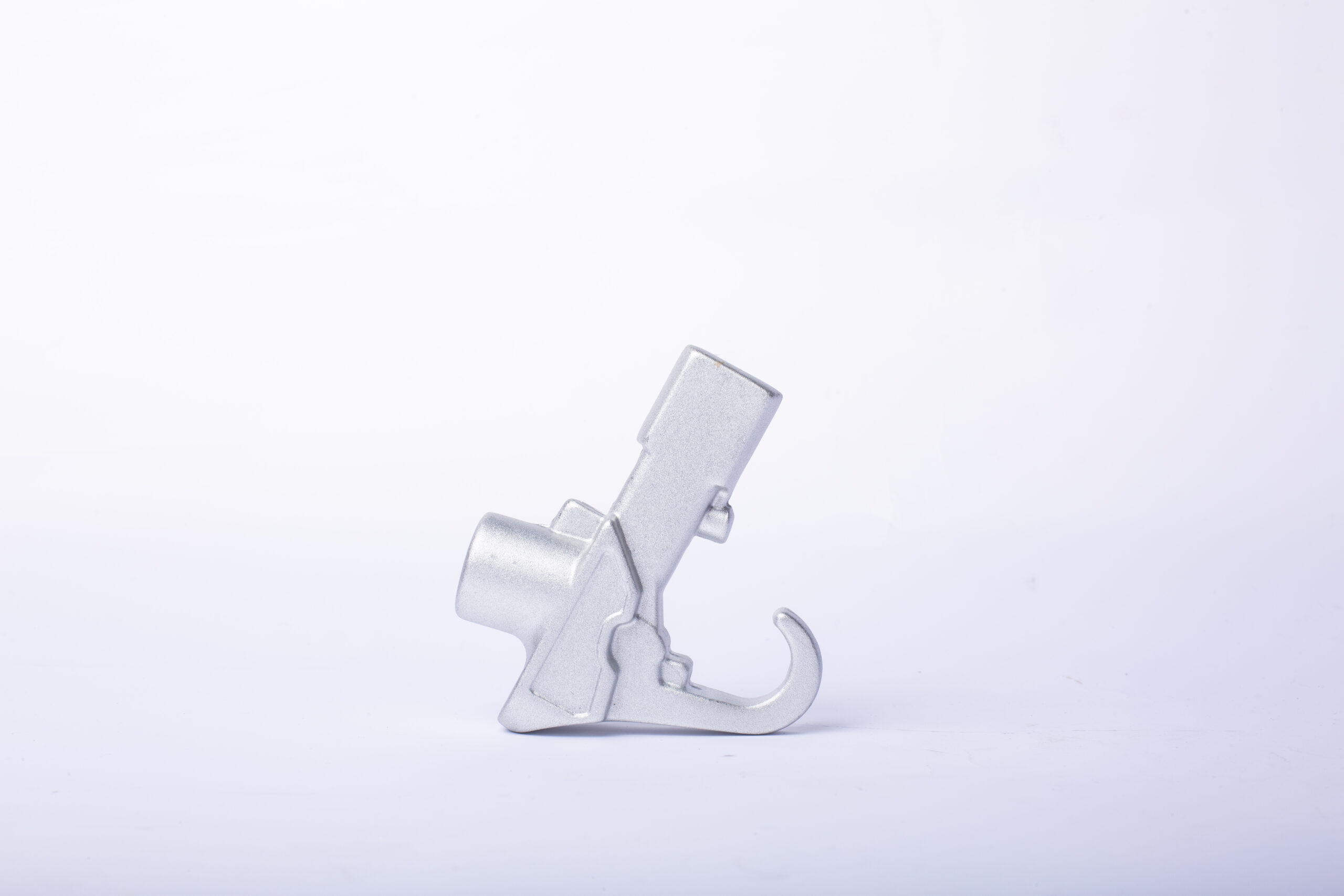
13.What are some common tips for achieving optimal results with aluminum machining?
Our mission is to provide customers with the best solutions for extruded aluminum machining.
1. Use high-speed steel (HSS) tools for aluminum machining.
2. Use a coolant to reduce heat and friction.
3. Use a sharp tool to reduce cutting forces and improve surface finish.
4. Use a high-feed rate to reduce cutting time.
5. Use a low spindle speed to reduce tool wear.
6. Use a positive rake angle to reduce cutting forces.
7. Use a high-pressure coolant system to reduce heat and improve chip evacuation.
8. Use a chip breaker to reduce cutting forces and improve surface finish.
9. Use a high-precision tool holder to reduce tool runout and improve accuracy.
10. Use a rigid machine tool to reduce vibration and improve accuracy.
Tag:custom aluminum machining services,china aluminum machining parts,aluminum machining blanks,custom aluminum machining parts wholesale,aluminum machining speeds and feeds