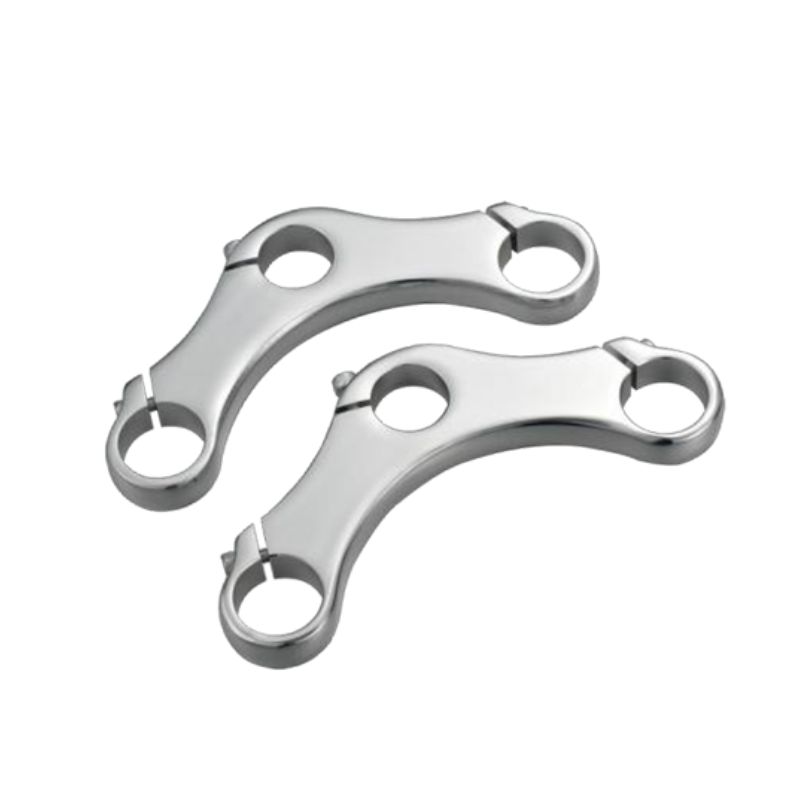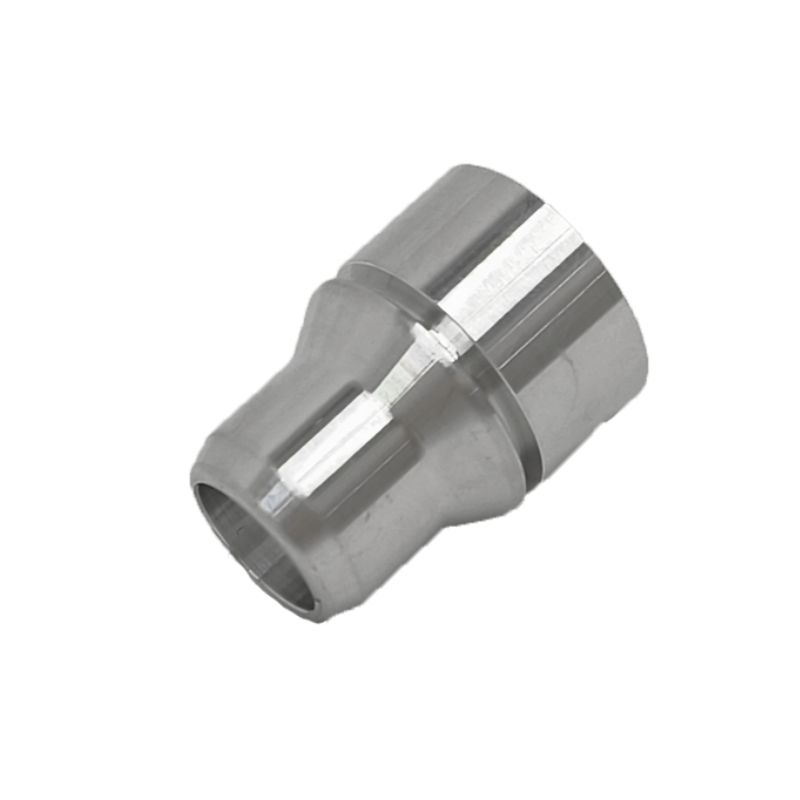
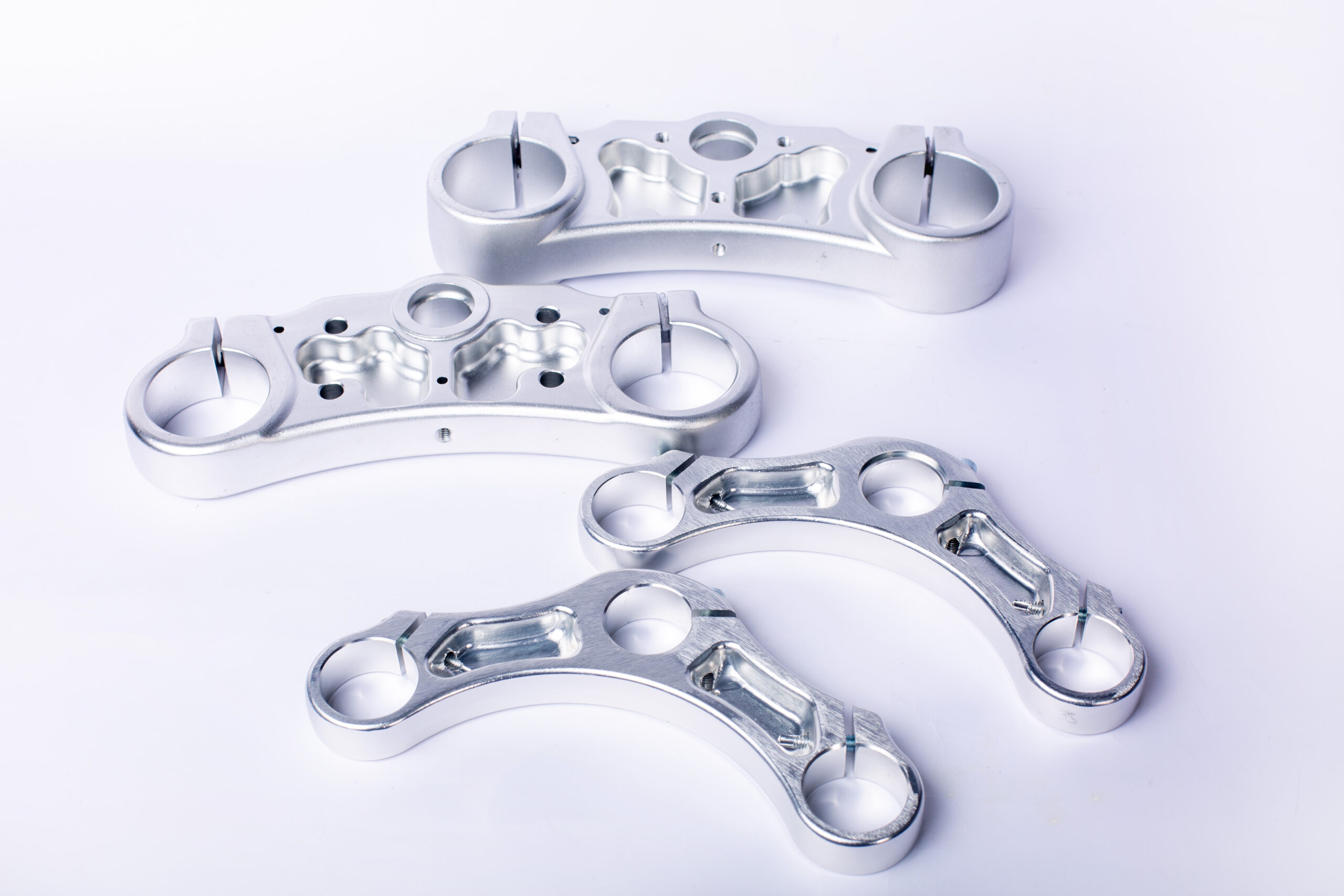
Forging is one of the oldest and most reliable methods of shaping metals, and when it comes to aluminum, this process offers a unique combination of benefits and challenges. As a lightweight, corrosion-resistant material, aluminum is widely used in industries ranging from automotive to aerospace. However, like any material, forging aluminum comes with its own set of advantages and disadvantages. In this article, we will explore these aspects to provide a balanced understanding of forged aluminum and how it can impact your manufacturing decisions. “MINGYU Tech,” a leader in advanced manufacturing solutions, offers insights into the forging process to help you make informed choices for your projects.
Advantages of Forging Aluminum
1. Strength and Durability
One of the primary advantages of forging aluminum is the enhanced strength and durability it offers compared to other forming processes. During forging, the aluminum’s grain structure is refined, which results in superior mechanical properties. This makes forged aluminum components particularly well-suited for applications that require high strength-to-weight ratios, such as in automotive and aerospace industries. For example, forged aluminum wheels are known for their ability to withstand high stress and impact, making them a preferred choice in performance vehicles.
2. Lightweight
Aluminum is already a lightweight material, and when forged, it retains this advantage while offering increased strength. This combination is particularly beneficial in industries where weight reduction is critical, such as in transportation. Reducing the weight of components leads to better fuel efficiency and lower emissions, which are key considerations in today’s environmentally conscious market.
3. Corrosion Resistance
Another significant advantage of forged aluminum is its natural corrosion resistance. Aluminum forms a protective oxide layer when exposed to air, which helps prevent rust and corrosion. This property is especially valuable in outdoor and marine environments where exposure to moisture is a concern. Forged aluminum components, therefore, require less maintenance and have a longer lifespan compared to other metals, reducing the overall cost of ownership.
4. Excellent Workability
Aluminum is known for its excellent workability, meaning it can be forged into complex shapes with relative ease. This flexibility allows manufacturers to produce intricate and precise components that meet specific design requirements. MINGYU Tech’s expertise in aluminum forging ensures that even the most challenging designs can be achieved with high precision and quality.
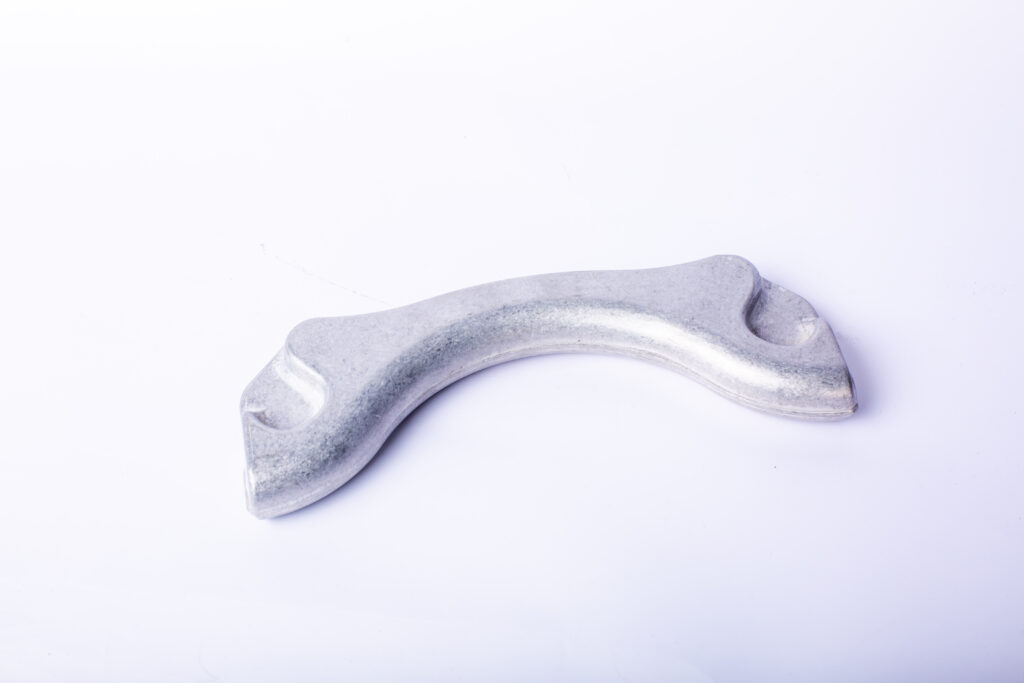
Disadvantages of Forging Aluminum
1. Cost
One of the main disadvantages of forging aluminum is the higher cost associated with the process compared to other manufacturing methods like casting or machining. Forging requires specialized equipment and tools, which can lead to higher upfront costs. Additionally, the need for precise temperature control and careful handling during the forging process can increase operational expenses. However, it’s important to consider that the long-term benefits of strength, durability, and corrosion resistance often outweigh these initial costs, especially for high-performance applications.
2. Limited Material Choices
While aluminum alloys are versatile, not all types of aluminum are suitable for forging. Some alloys are more prone to cracking or do not respond well to the forging process, which can limit the range of materials available for certain applications. This constraint requires careful selection of the appropriate alloy to ensure the desired properties and performance are achieved.
3. Complexity in Manufacturing
Forging aluminum, particularly for complex shapes, requires precise control over the process, including temperature management, pressure application, and cooling rates. This complexity can lead to longer production times and a higher likelihood of defects if not managed correctly. Manufacturers like MINGYU Tech with advanced R&D capabilities are crucial in overcoming these challenges by utilizing state-of-the-art technology and expertise.
Conclusion
Forging aluminum offers a range of significant advantages, including enhanced strength, lightweight properties, and corrosion resistance, making it an ideal choice for high-performance applications. However, these benefits come with certain challenges, such as higher costs and the need for specialized processes. At MINGYU Tech, we are committed to helping our clients navigate these complexities by providing high-quality forged aluminum components tailored to their specific needs. By understanding both the advantages and disadvantages of forging aluminum, you can make informed decisions that optimize performance and value for your projects.
Tags: Aluminum Forging