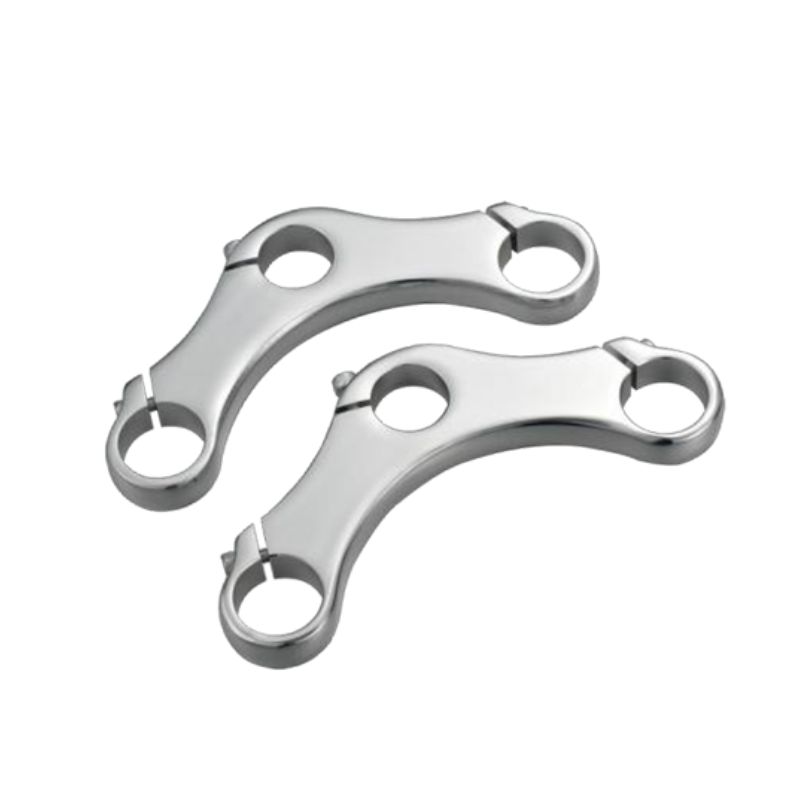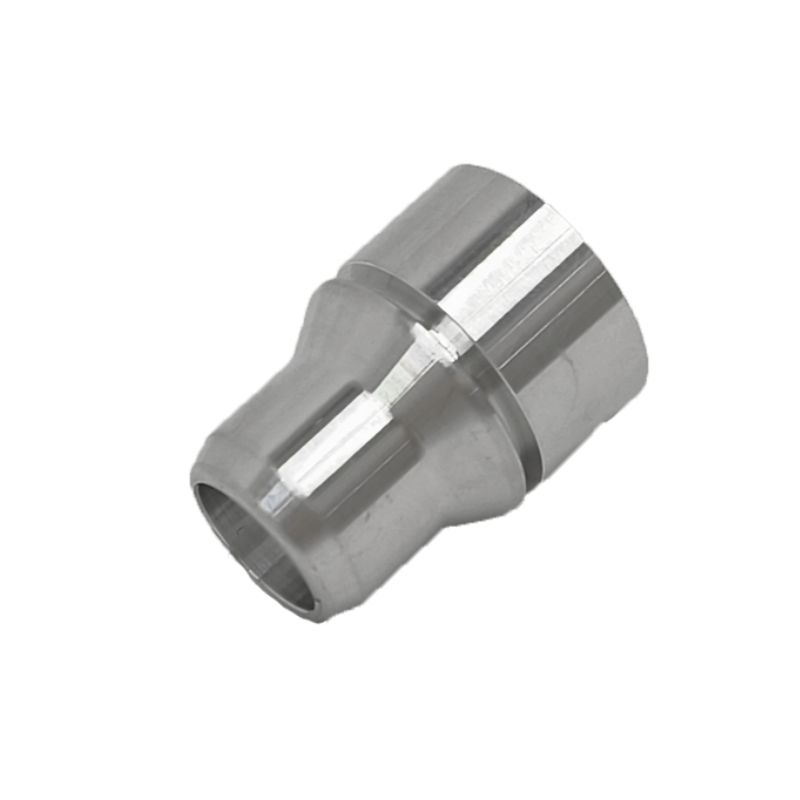
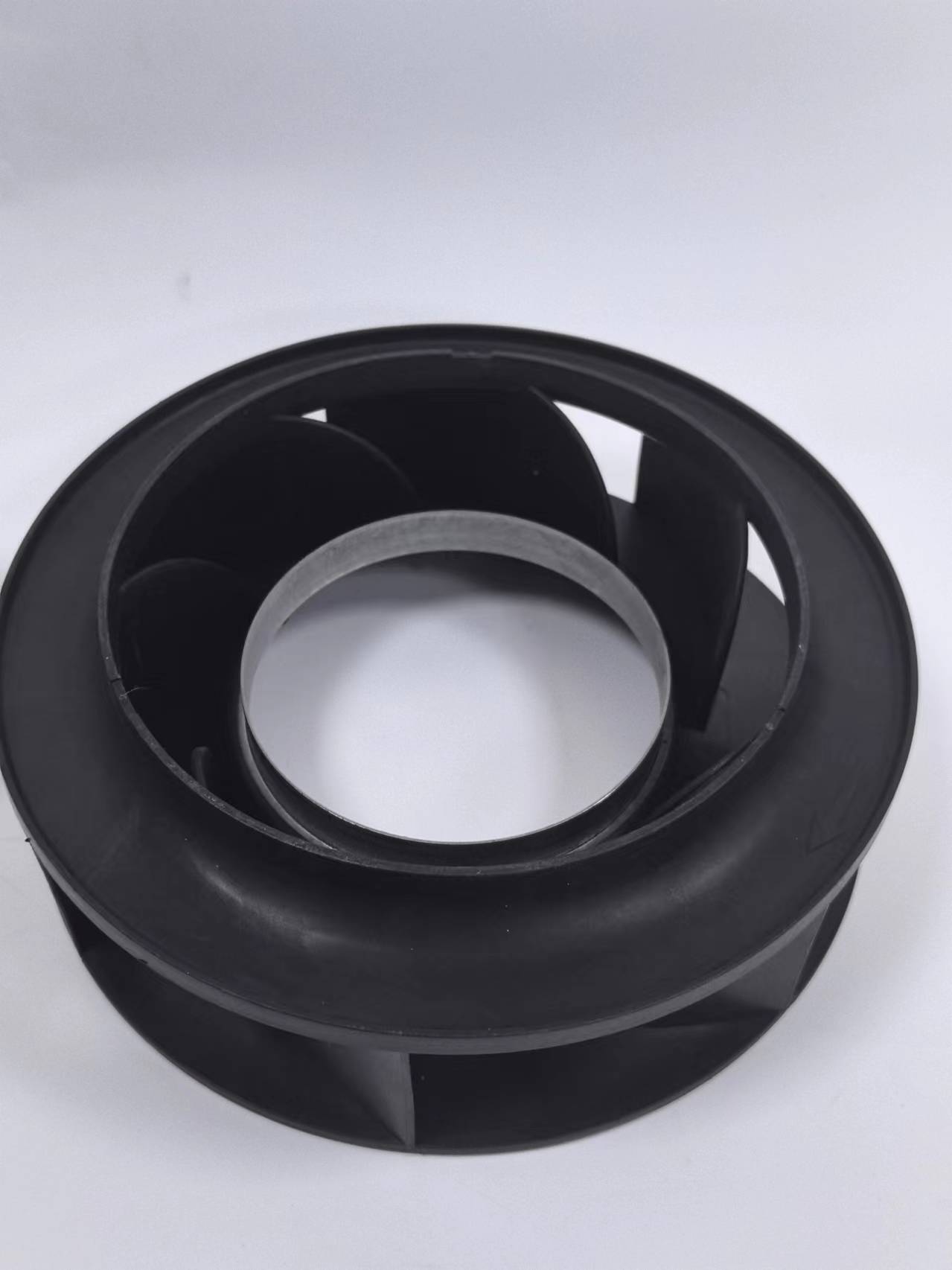
- Injection Molding: This is the most widely used technique for plastic mold manufacturing. It involves injecting molten plastic material into a mold cavity under high pressure. After cooling and solidification, the plastic takes the shape of the mold and can be removed as a finished product.
- Blow Molding: This technique is used for creating hollow plastic objects such as bottles, containers, and tubes. In this process, molten plastic is blown into a mold cavity and takes the shape of the mold upon cooling.
- Rotational Molding: This technique is used for creating large, hollow plastic objects such as tanks, toys, and kayaks. It involves heating a mold that rotates on multiple axes, and molten plastic is added and rotated to coat the mold’s interior until it solidifies.
- Thermoforming: This technique is used to create thin-gauge plastic products such as packaging trays, cups, and plates. It involves heating a plastic sheet and pressing it against a mold using vacuum pressure to create the desired shape.
- Compression Molding: This technique is used for creating complex and intricate plastic parts such as gears and knobs. It involves heating plastic material and placing it into a heated mold cavity where pressure is applied until the plastic takes the shape of the mold.
- Extrusion Molding: This technique is used for creating continuous profiles of plastic products such as pipes, tubing, and sheeting. In this process, plastic material is pushed through a die that gives it the desired shape, and then it is cooled and cut to the required length.
- Insert Molding: This technique is used for creating plastic parts with embedded components such as metal inserts or electronic components. It involves placing the insert into the mold cavity and injecting molten plastic around it, creating a strong bond between the two materials.
- Overmolding: This technique is similar to insert molding but involves using multiple materials to create a single plastic product. It is commonly used to create products with soft grips, such as toothbrushes or tool handles.
- Lamination: This technique is used to create plastic products with multiple layers, such as food packaging or credit cards. It involves bonding multiple layers of plastic together using heat and pressure.
- Gas-Assisted Injection Molding: This technique is used to create hollow interior sections in thick-walled plastic parts. During the injection process, nitrogen gas is injected into the mold, displacing the molten plastic and creating hollow sections.
- 3D Printing: Although not a traditional method of plastic mold manufacturing, 3D printing is gaining popularity in the industry. It involves creating a plastic mold from a digital design by depositing layers of plastic material until the desired shape is achieved.
- CNC Machining: This technique is used for creating high-precision plastic molds. It involves using computer-controlled machines to cut, drill, and shape plastic blocks or sheets into the desired mold shape.
- Hot Runner Molding: This technique is used to improve the quality and efficiency of injection molding. It involves heating the mold’s runner system, which keeps the plastic material in a molten state, reducing waste and improving the consistency of the finished product.
- Water Assisted Injection Molding: This technique is used to create complex, thin-walled plastic parts, such as containers with intricate designs. It involves using a pressurized water stream to help shape the plastic material in the mold.
- Film Insert Molding: This technique is used to create plastic products with decorative or functional films on their surface. It involves inserting a thin plastic film into the mold cavity before the injection process, creating a finished product with a decorative or functional surface.
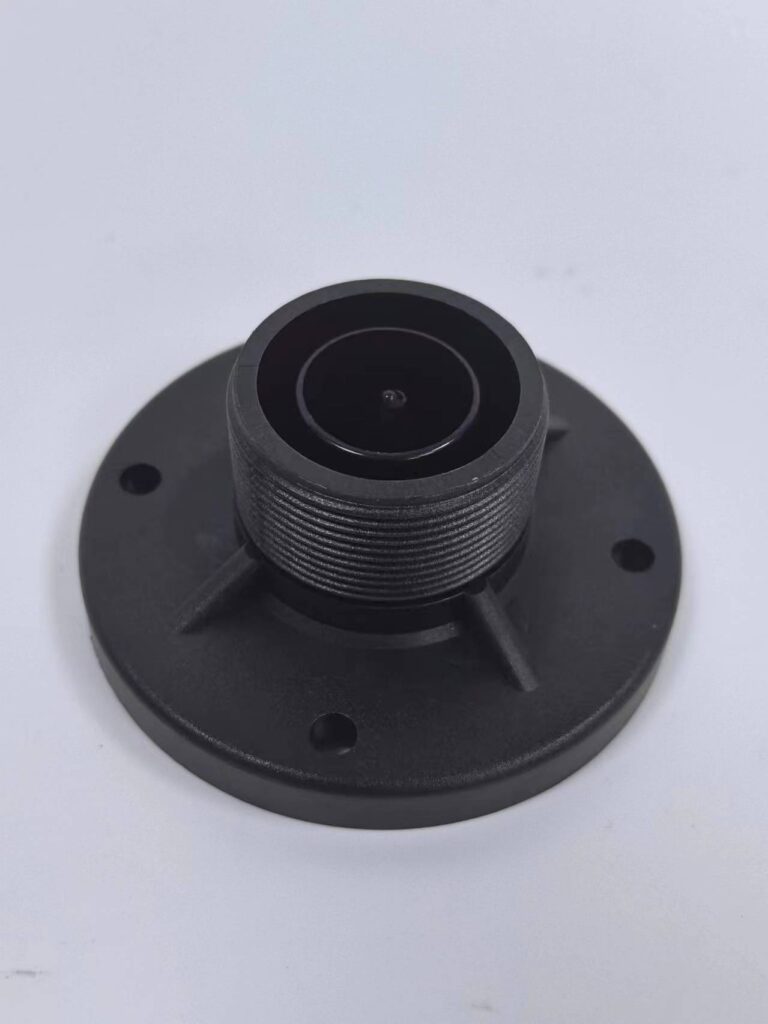
Here are some frequently asked questions about plastic mold manufacturing :
- Can 2D prints be used for plastic mold manufacturing?
While 2D prints can be used for reference, 3D models are more commonly used in plastic mold manufacturing for their precise measurements and ability to capture complex shapes and features. - What is the typical production volume for plastic mold manufacturing?
The production volume for plastic mold manufacturing can vary depending on the product and the capacity of the manufacturer. It can range from a few thousand to millions of units per year. - Are there any risks involved in plastic mold manufacturing?
Like any manufacturing process, plastic mold manufacturing can involve risks such as design flaws, material issues, and errors in production. These risks can be managed and minimized through proper planning and quality control measures. - What are the different types of plastic mold manufacturing?
Some common types of plastic mold manufacturing include injection molding, blow molding, rotational molding, and extrusion molding. Each method has its own advantages and is suited for different types of products. - What is insert molding?
Insert molding is a process in plastic mold manufacturing where metal or other materials are inserted into the mold before the plastic is injected. This method allows for the creation of products with metal inserts or other embedded components. - How important is mold maintenance in plastic mold manufacturing?
Mold maintenance is crucial in plastic mold manufacturing as it helps to prolong the lifespan of the mold and ensure consistent quality of the products. Regular cleaning, lubrication, and repairs can help to prevent downtime and costly replacements. - What is the role of temperature control in plastic mold manufacturing?
Temperature control is important in plastic mold manufacturing as it affects the flow and consistency of the molten plastic, which in turn impacts the quality of the final product. Proper temperature management can result in better molded parts and reduced waste. - Can plastic molds be reused for different products?
Plastic molds can be reused for different products, as long as they are compatible with the material, design, and production process. Molds may need to be modified or adjusted for the new product. - What is the difference between thermoplastic and thermoset plastics?
Thermoplastic and thermoset plastics are two main categories of plastic materials used in mold manufacturing. Thermoplastic can be melted and reshaped, while thermoset cannot be melted again once it is cured. - How are undercuts achieved in plastic mold manufacturing?
Undercuts are achieved in plastic mold manufacturing through the use of side-actions, which are additional movable components in the mold that allow for the creation of complex features and shapes. - What is the future of plastic mold manufacturing?
The future of plastic mold manufacturing looks to be highly advanced and technologically-driven. With advancements in automation and 3D printing, the process is expected to become even more efficient and cost-effective in the years to come.