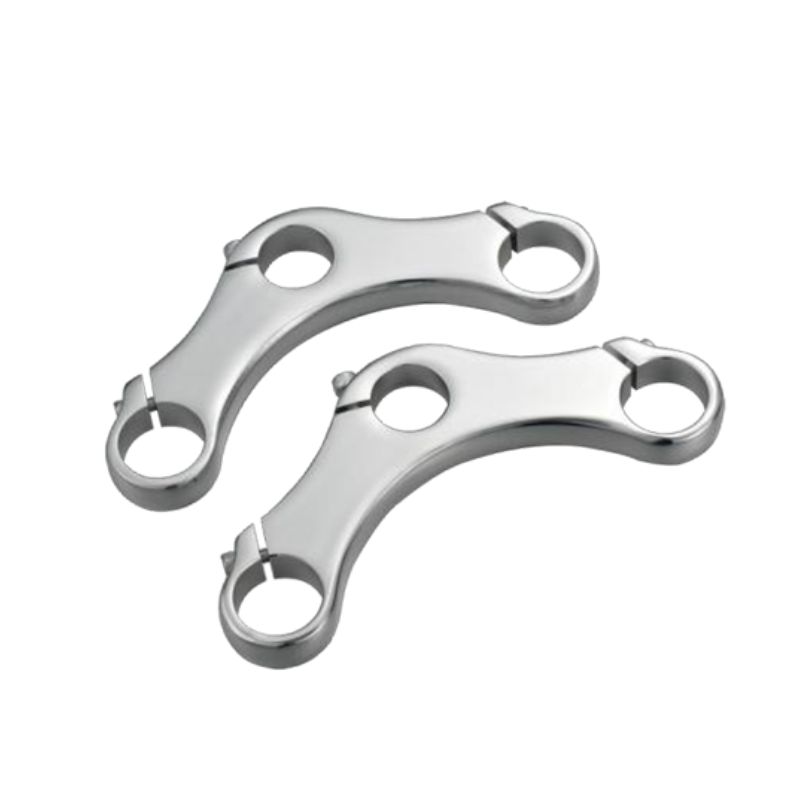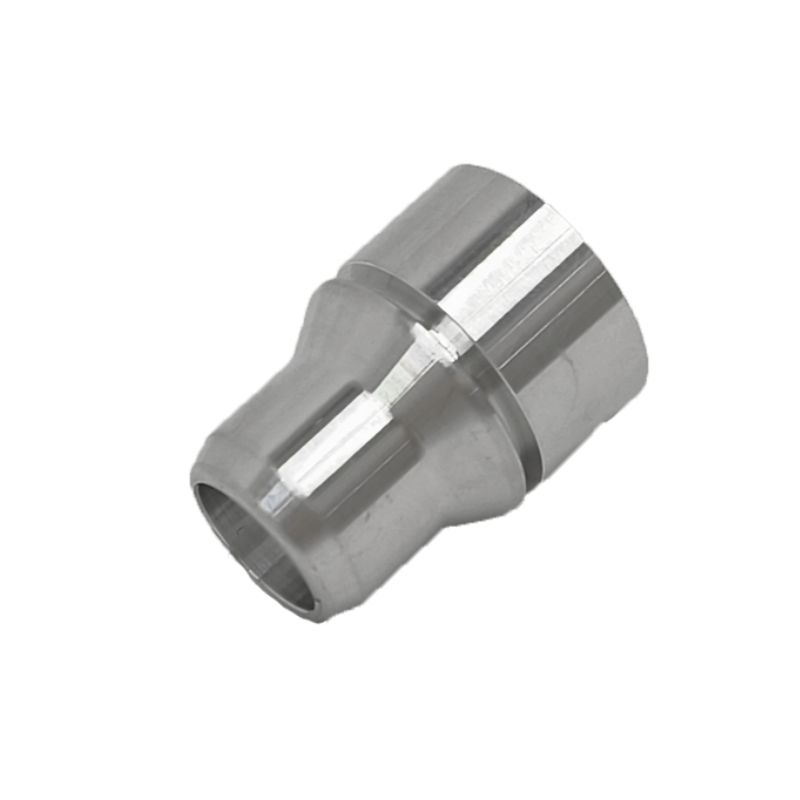

Aluminum forging is a critical process in the manufacturing sector, contributing significantly to various industries, including aerospace, automotive, and construction. This comprehensive guide by MINGYU Tech, a leader in the forging industry, aims to elucidate the intricacies of aluminum forging, its advantages, processes, and applications.
What is Aluminum Forging?
Aluminum forging is a manufacturing process where aluminum alloys are shaped under high pressure into high-strength components. This method enhances the material’s mechanical properties, such as strength, ductility, and fatigue resistance. Unlike casting, which involves melting the metal and pouring it into a mold, forging applies compressive forces to shape the aluminum while it is in a solid state.
Key Advantages of Aluminum Forging
- Enhanced Mechanical Properties
Forging aluminum results in components with superior mechanical properties compared to those produced by casting or machining. The process refines the grain structure, leading to improved strength, toughness, and fatigue resistance. For instance, forged aluminum parts typically exhibit a tensile strength of up to 483 MPa and a yield strength of up to 414 MPa, making them ideal for high-stress applications.
- Weight Reduction
Aluminum is known for its excellent strength-to-weight ratio. Forged aluminum parts are lightweight yet strong, reducing the overall weight of structures without compromising their integrity. This characteristic is particularly beneficial in the automotive and aerospace industries, where reducing weight translates to improved fuel efficiency and performance.
- Precision and Consistency
The forging process allows for high precision and repeatability, ensuring that each component meets exact specifications. Advanced forging techniques at MINGYU Tech can achieve dimensional tolerances within ±0.1 mm, ensuring uniformity across production runs. This precision is crucial for applications requiring tight tolerances and high reliability.
- Cost Efficiency
While the initial setup costs for forging can be high, the process becomes cost-effective for large-scale production runs. The efficiency of forging, combined with reduced material waste and lower machining requirements, leads to significant cost savings in the long run.
Types of Aluminum Forging Processes
There are several aluminum forging processes, each suited to different applications and requirements. The primary methods include:
- Open Die Forging
In open die forging, the aluminum is placed between flat or simple-shaped dies and deformed by repeated blows or continuous pressure. This process is typically used for large, simple-shaped components and offers excellent grain structure and mechanical properties.
- Closed Die Forging
Closed die forging, also known as impression die forging, involves placing the aluminum in a die resembling the desired shape of the final product. The material is then compressed until it fills the die cavity. This method allows for the production of complex shapes with high precision and is widely used in the automotive and aerospace industries. MINGYU Tech’s closed die forging process can produce parts weighing from 0.1 kg to 100 kg, with dimensional tolerances as tight as ±0.1 mm.
- Seamless Rolled Ring Forging
This process involves piercing a preform and then rolling it into a ring shape. Seamless rolled rings are used in applications requiring high strength and durability, such as bearings, flanges, and gears. Aluminum rings produced by this method can have diameters ranging from 50 mm to over 3,000 mm, catering to a wide range of industrial needs.
Applications of Aluminum Forging
Aluminum forging is employed across various industries due to its ability to produce high-strength, lightweight, and durable components. Key applications include:
- Aerospace
The aerospace industry relies heavily on forged aluminum parts for critical components such as landing gear, engine parts, and structural elements. The high strength-to-weight ratio and excellent fatigue resistance of forged aluminum are essential for the safety and efficiency of aircraft.
- Automotive
In the automotive sector, forged aluminum parts are used in suspension systems, steering components, and engine parts. The lightweight nature of aluminum helps improve fuel efficiency and performance, while the strength and durability of forged parts ensure longevity and safety.
- Construction
Forged aluminum is used in construction for structural components, frames, and supports. Its high strength and resistance to corrosion make it ideal for buildings, bridges, and other infrastructure projects.
- Industrial Machinery
Aluminum forging is also prevalent in the manufacturing of industrial machinery and equipment. Components such as gears, shafts, and valves benefit from the enhanced mechanical properties of forged aluminum, ensuring reliable and long-lasting performance.
Aluminum forging is a vital process in the forging industry, offering numerous advantages that make it the preferred choice for various high-performance applications. MINGYU Tech, a leading manufacturer in the forging industry, leverages advanced technologies and expertise to produce high-quality forged aluminum parts that drive innovation and excellence across sectors. By understanding the intricacies of aluminum forging and choosing the right alloys and processes, manufacturers can achieve superior results and maintain a competitive edge in the market.
Tags: Aluminum Rough Part , OEM Alu Connector