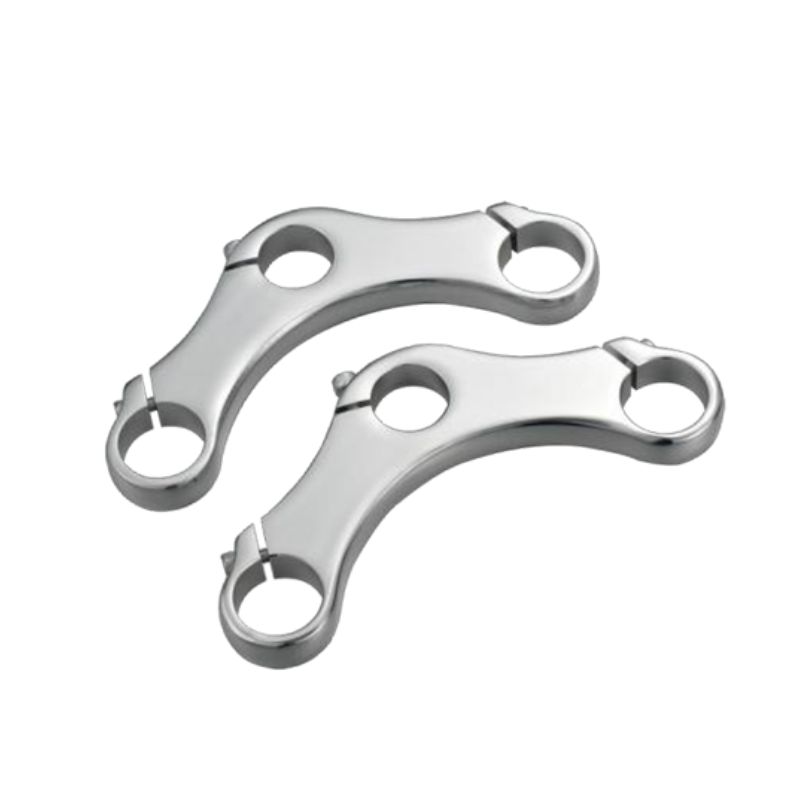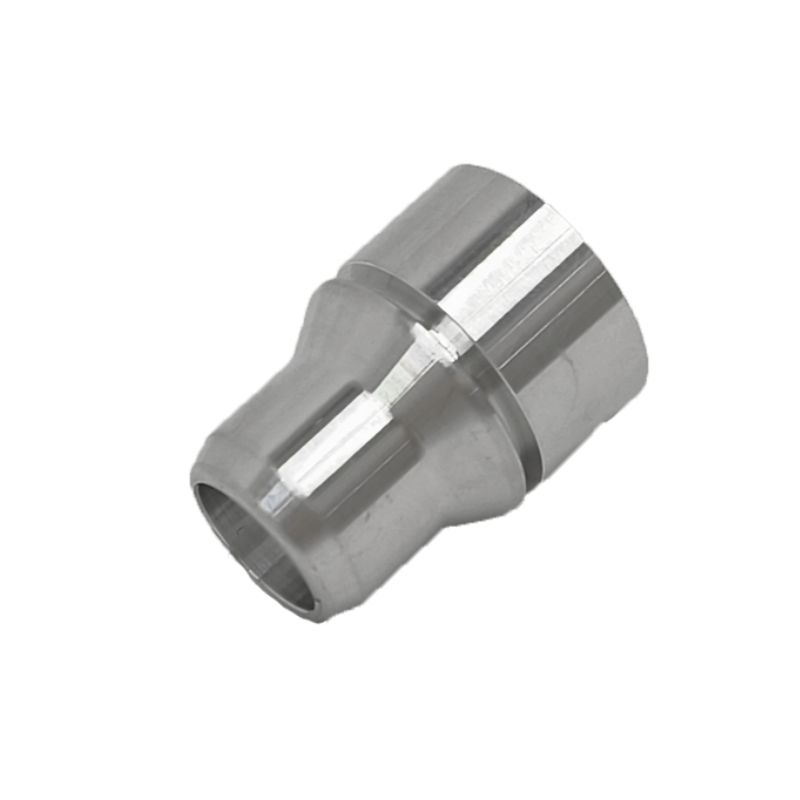
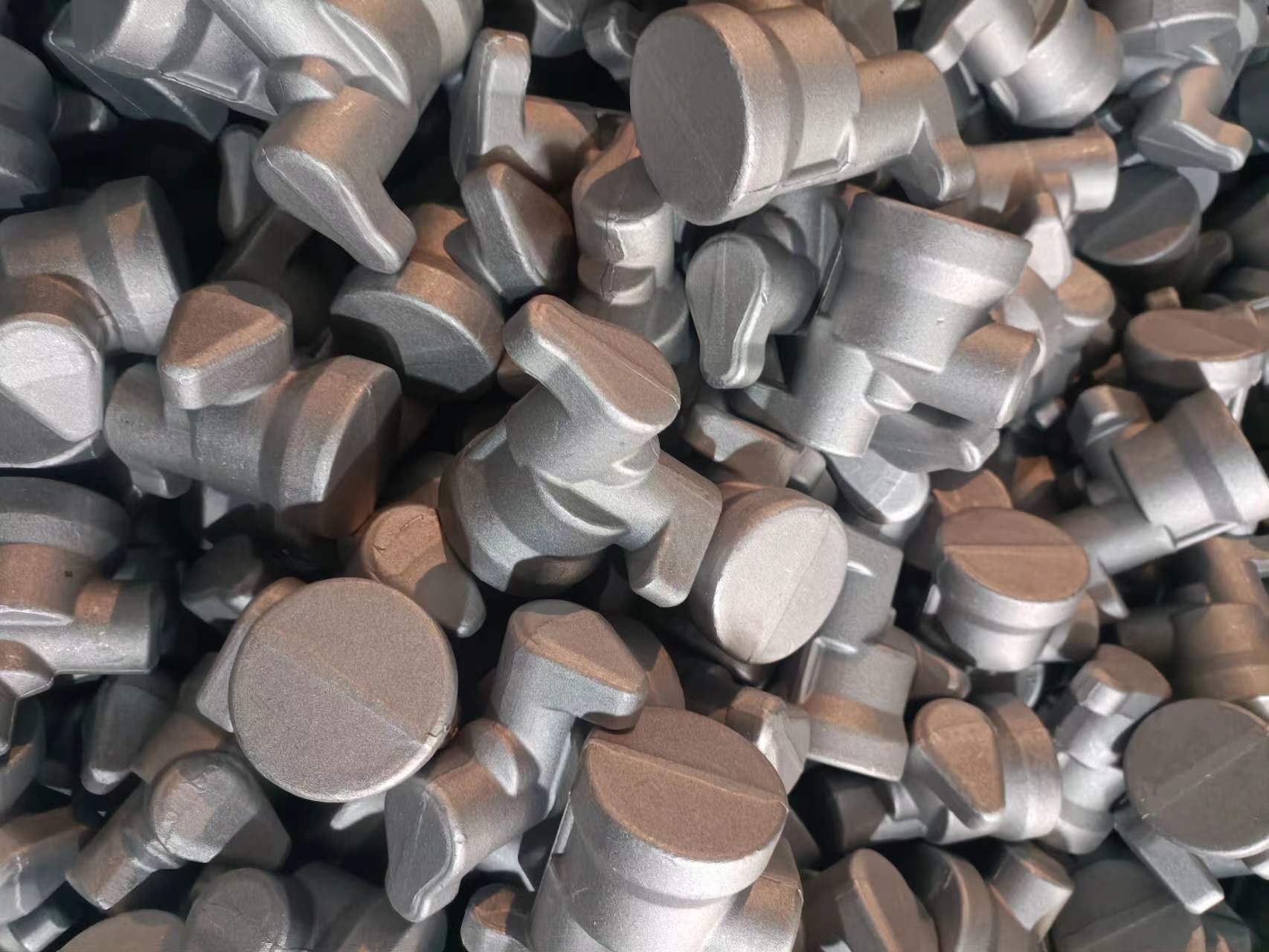
In the realm of aluminum manufacturing, selecting the right production method is crucial for achieving optimal performance and efficiency. Two prominent methods used for shaping aluminum into useful components are the creation of aluminum profiles and forging aluminum. Each technique has its own set of advantages and best practices, making them suitable for different applications. In this article, we will explore the differences between aluminum profiles and forging aluminum, providing insights into the best practices for each method. MINGYU Tech, a leading manufacturer in the industry, offers expert guidance on these processes.
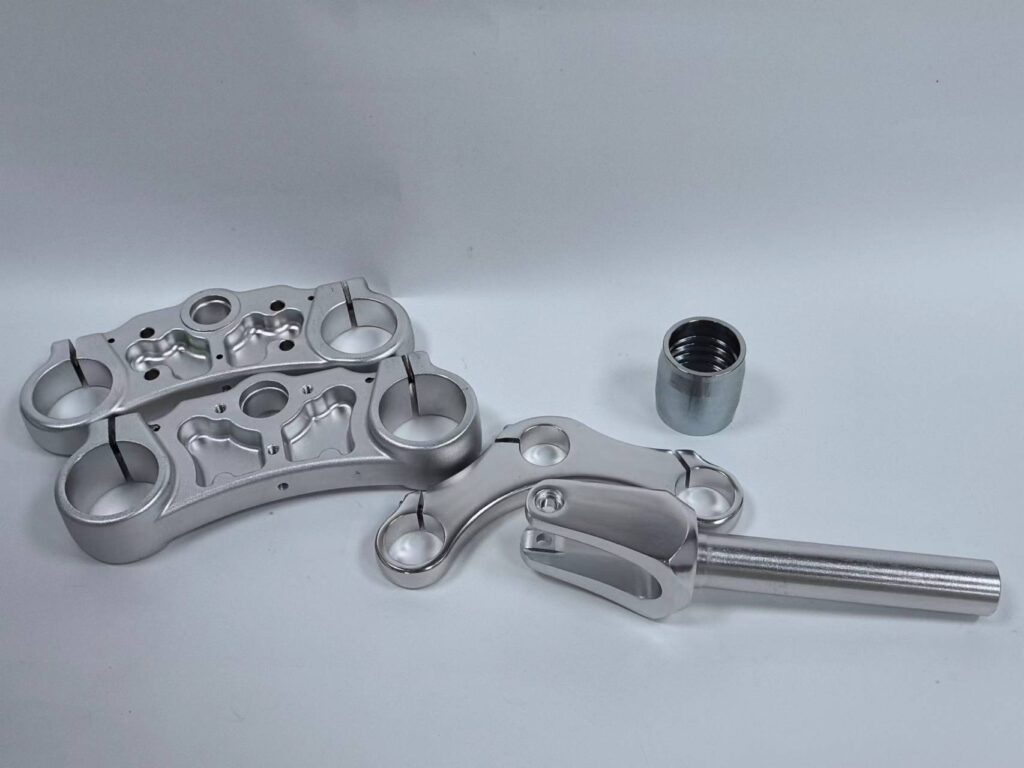
Understanding Aluminum Profiles
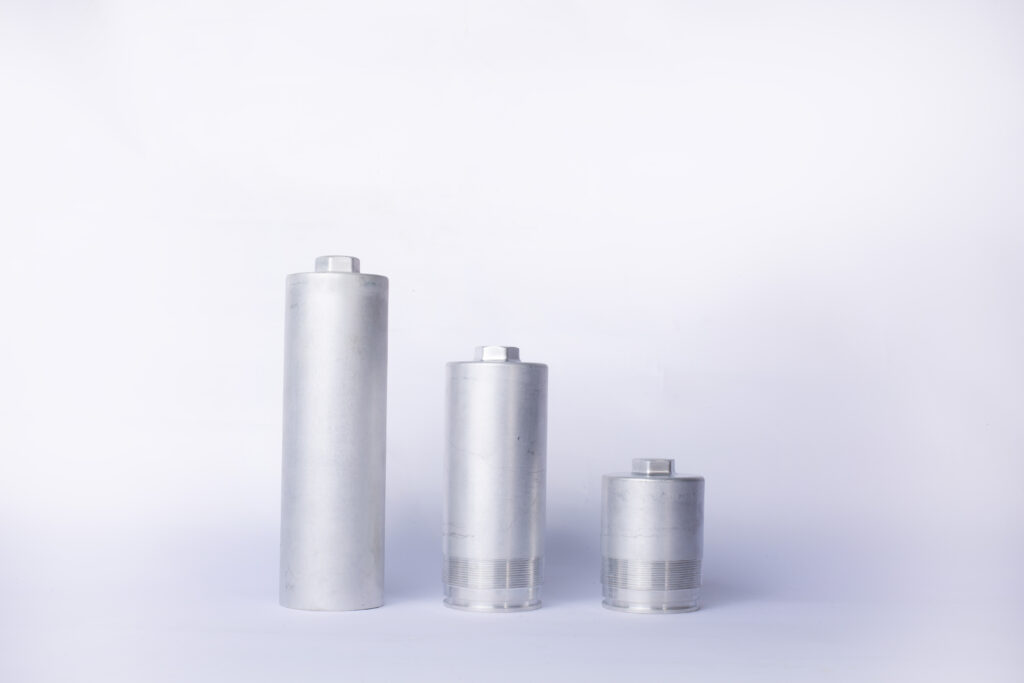
Aluminum profiles are extruded shapes created by pushing aluminum billets through a die. This process allows for the production of complex cross-sectional shapes that are used in a variety of applications, from construction and automotive to electronics and furniture.
Key Features and Benefits of Aluminum Profiles
- Versatility in Design
Aluminum profiles can be extruded into a wide range of shapes and sizes, allowing for extensive customization. This versatility makes them ideal for applications that require specific cross-sectional designs. - Lightweight and Strong
The extrusion process maintains the inherent strength of aluminum while producing lightweight components. This combination is particularly beneficial in industries such as aerospace and automotive, where weight reduction is crucial. - Cost Performance
Aluminum profiles offer excellent cost performance due to the efficiency of the extrusion process and the minimal material waste. This makes them a cost-effective choice for large-scale production. - Corrosion Resistance
The natural corrosion resistance of aluminum is retained in the extrusion process, ensuring long-lasting durability even in harsh environments.
Best Practices for Manufacturing Aluminum Profiles
- Precision Die Design
The design of the extrusion die is critical for producing high-quality aluminum profiles. Precision in die design ensures consistent cross-sectional shapes and minimizes defects. - Proper Billet Preparation
Preheating the aluminum billets to the correct temperature is essential for achieving optimal extrusion conditions. This preparation helps in reducing stress on the material and the die. - Controlled Extrusion Speed
Maintaining the appropriate extrusion speed is important to prevent surface defects and ensure uniformity in the profiles. Slow and steady extrusion rates typically yield the best results. - Quality Control and Inspection
Implementing rigorous quality control measures, such as dimensional inspection and surface finish checks, ensures that the extruded profiles meet the required specifications and standards.

Understanding Forging Aluminum
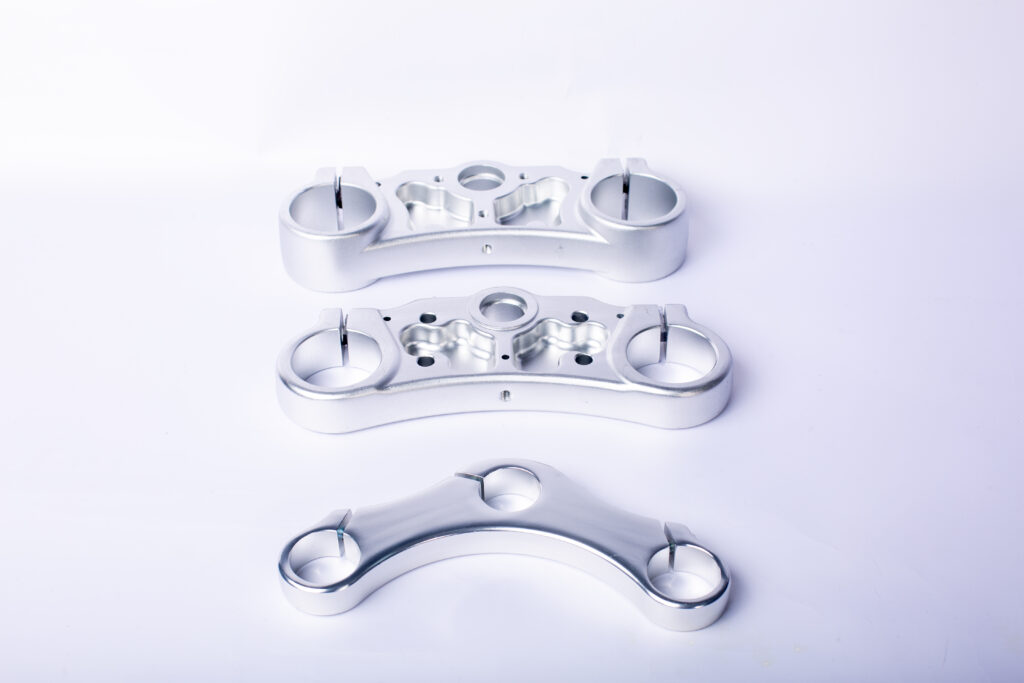
Forging aluminum involves deforming aluminum billets under high pressure to achieve the desired shape. This process enhances the mechanical properties of the aluminum, making it stronger and more durable. Forged aluminum parts are commonly used in high-stress applications, such as automotive components, aerospace parts, and industrial machinery.
Key Features and Benefits of Forging Aluminum
- Superior Strength
Forging aligns the grain structure of the aluminum, resulting in significantly improved strength and durability compared to other manufacturing methods. - Enhanced Fatigue Resistance
Forged aluminum parts exhibit superior fatigue resistance, making them ideal for applications subjected to repetitive loading and high-stress conditions. - Precision and Consistency
The forging process offers excellent dimensional accuracy and consistency, ensuring that parts meet stringent tolerances and performance requirements. - Material Efficiency
Forging is highly efficient in material usage, with minimal waste generated during the process. This efficiency contributes to cost savings and sustainability.
Best Practices for Forging Aluminum
- Optimized Temperature Control
Maintaining precise control over the forging temperature is crucial for achieving the desired mechanical properties and preventing defects such as cracks or warping. - Proper Die Maintenance
Regular maintenance of forging dies is essential to ensure their longevity and the consistent quality of forged parts. Well-maintained dies produce accurate and defect-free components. - Controlled Deformation Rates
Controlling the rate of deformation during forging helps in minimizing internal stresses and achieving uniform grain structure. This control is key to enhancing the strength and durability of the forged parts. - Comprehensive Quality Assurance
Implementing thorough quality assurance processes, including non-destructive testing and mechanical property evaluation, ensures that the forged parts meet all performance and safety standards.
Comparing Aluminum Profiles and Forging Aluminum
When deciding between aluminum profiles and forging aluminum, consider the following factors:
- Application Requirements
Aluminum profiles are best suited for applications that require complex shapes and lightweight structures. Forged aluminum is ideal for high-stress applications where superior strength and durability are paramount. - Production Volume and Cost
Aluminum profiles offer cost advantages for large-scale production due to the efficiency of the extrusion process. Forging aluminum, while potentially more costly, provides unparalleled strength and performance for critical components. - Customization and Flexibility
Both methods allow for customization, but the extrusion process for aluminum profiles offers greater flexibility in creating intricate cross-sectional designs. Forging is more suited for achieving robust and high-integrity parts.
MINGYU Tech’s Expertise
MINGYU Tech, a renowned manufacturer based in China, specializes in both the extrusion of aluminum profiles and the forging of aluminum parts. With extensive experience in R&D and advanced manufacturing capabilities, MINGYU Tech ensures that their products meet the highest standards of quality and performance.
Advantages of Choosing MINGYU Tech
- Comprehensive Solutions
MINGYU Tech provides complete solutions for both aluminum profiles and forging aluminum, offering expertise across the entire manufacturing process. - Customization and Flexibility
As an OEM/ODM supplier, MINGYU Tech offers tailored solutions to meet specific customer requirements, enhancing the versatility and applicability of their products. - High-Quality Manufacturing
Utilizing state-of-the-art manufacturing processes and rigorous quality control, MINGYU Tech delivers durable and reliable aluminum components. This commitment to quality ensures long-term performance and customer satisfaction. - Global Supply Network
With a robust network of distributors and suppliers, MINGYU Tech ensures timely delivery and excellent support worldwide. This global reach helps customers access top-quality aluminum products with ease.
Conclusion: Making the Right Choice
Selecting between aluminum profiles and forging aluminum depends on your specific application needs and manufacturing requirements. For lightweight and versatile shapes, aluminum profiles from MINGYU Tech offer an excellent solution. For high-strength and durable components, forged aluminum parts provide the robustness needed for demanding applications.
MINGYU Tech’s extensive range of high-quality aluminum products, combined with their expertise in R&D and manufacturing, makes them a reliable partner for all your aluminum needs. Whether you require precision-extruded profiles or high-performance forged parts, MINGYU Tech has the right solution to help you achieve your goals. For more information on their products and services, visit their website or contact their customer support team. Make the smart choice for your aluminum manufacturing needs with MINGYU Tech, and ensure your operations are efficient, reliable, and high-performing.