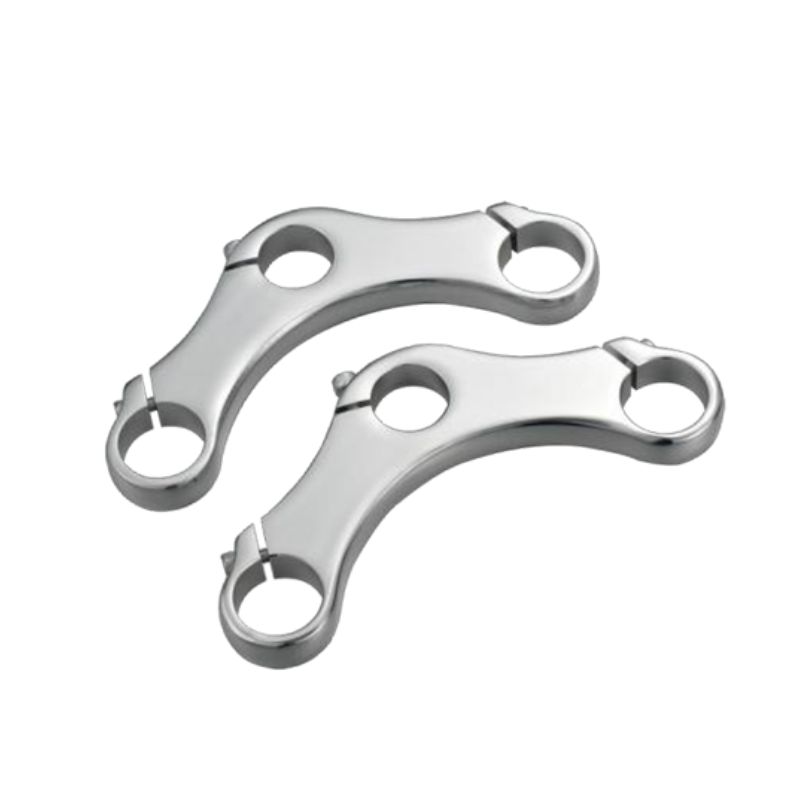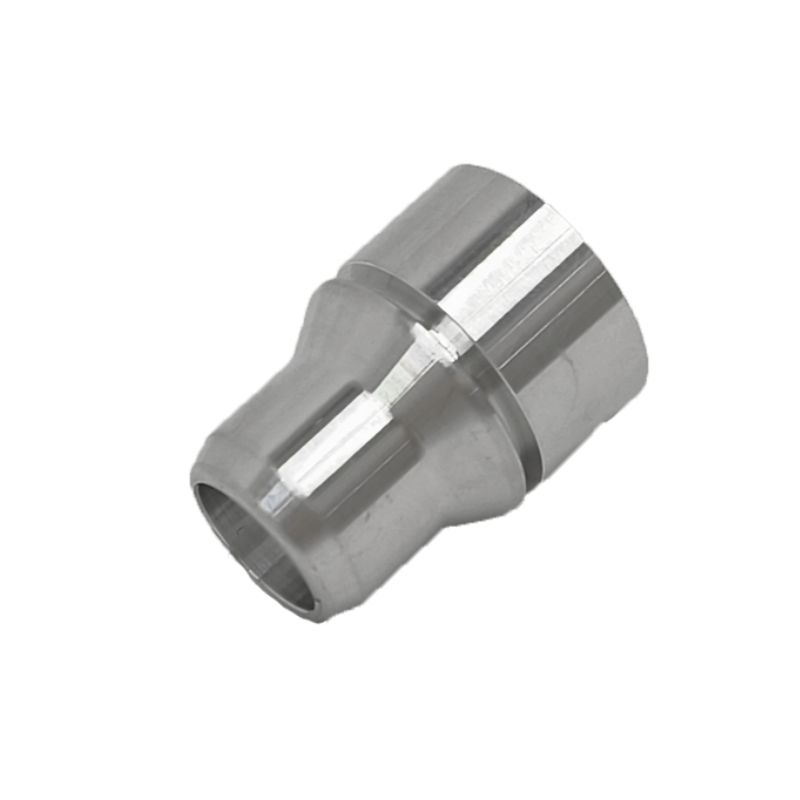
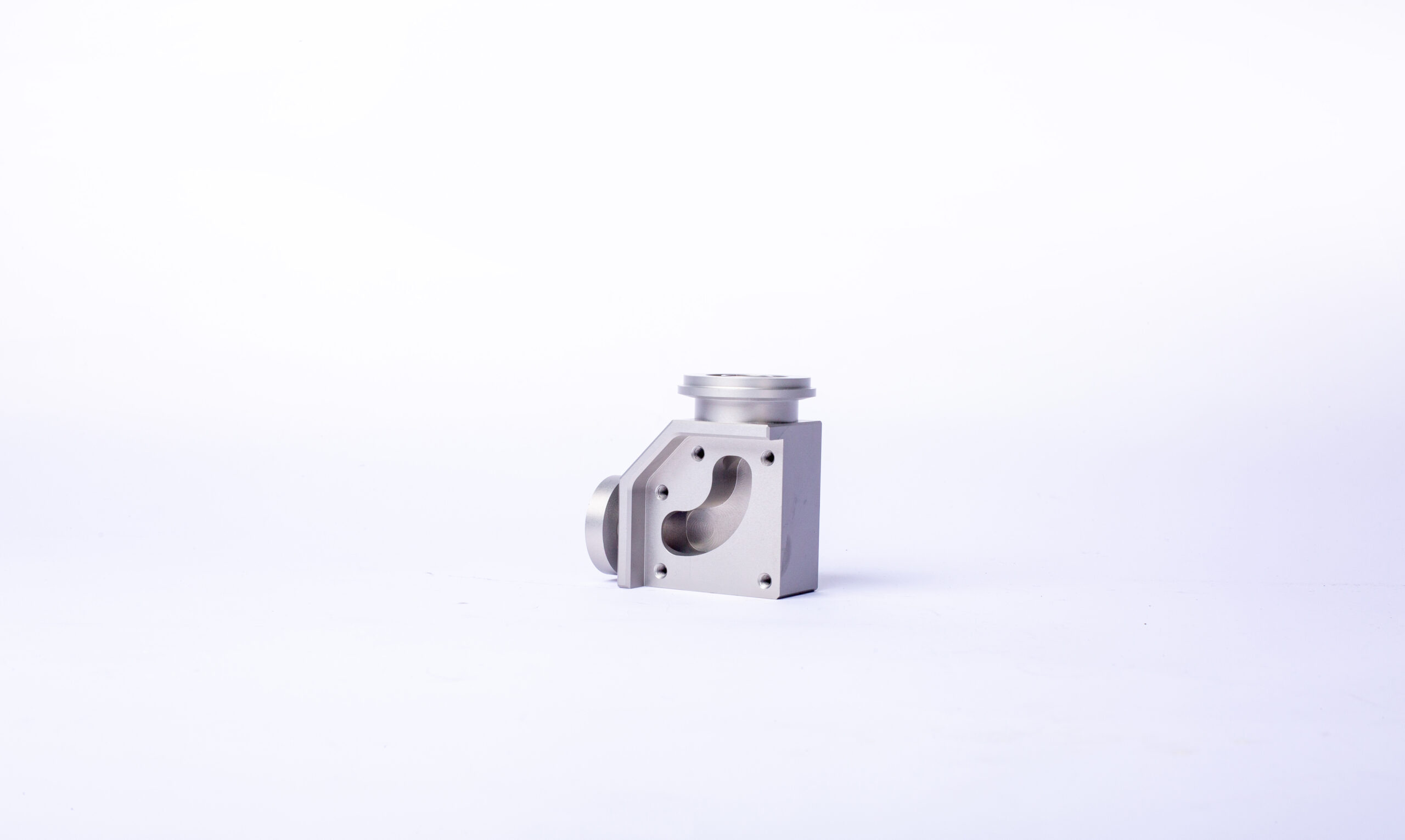
In the realm of modern manufacturing, the demand for precision and high-tolerance components is ever-increasing. Industries ranging from aerospace to automotive and electronics require parts that meet stringent specifications. Aluminum machining has emerged as a pivotal process in achieving these high standards. This article explores how aluminum machining enhances the efficiency of high-tolerance manufacturing, with a particular focus on MINGYU, a leading aluminum forge manufacturer.
Introduction to Aluminum Machining
Aluminum machining refers to the process of shaping aluminum materials into desired forms and sizes using various machining techniques. Given its lightweight, corrosion-resistant, and conductive properties, aluminum is a preferred material in high-tolerance manufacturing. Machining aluminum involves processes such as milling, turning, drilling, and grinding, each offering unique advantages in creating precise components.

The Role of MINGYU in Aluminum Machining
MINGYU has established itself as a frontrunner in the aluminum forge manufacturing industry. With a commitment to quality and innovation, MINGYU leverages state-of-the-art technology to produce components that meet the highest standards of precision. The company’s expertise in aluminum machining enables it to serve a diverse range of industries, ensuring that each component is crafted to perfection.
Advantages of Aluminum Machining in High-Tolerance Manufacturing
1. Precision and Accuracy
One of the primary advantages of aluminum machining is the ability to achieve exceptional precision and accuracy. CNC machines, which are commonly used in aluminum machining, can produce parts with tolerances as tight as ±0.001 inches. This level of precision is crucial in high-tolerance manufacturing, where even the slightest deviation can impact the performance of the final product.
2. Cost-Effectiveness
Aluminum machining is also cost-effective compared to other materials like titanium or stainless steel. Aluminum is easier to machine due to its softer nature, which reduces tool wear and extends tool life. This leads to lower production costs and faster turnaround times, making it an economically viable option for high-tolerance manufacturing.
3. Versatility
The versatility of aluminum machining is another significant advantage. Aluminum can be machined into complex shapes and sizes, accommodating a wide range of design requirements. This flexibility is particularly beneficial in industries such as aerospace and automotive, where custom components are often required.
4. Enhanced Surface Finish
Aluminum machining allows for superior surface finishes, which are essential for components that require high aesthetic appeal or functional surface properties. Techniques such as precision grinding and polishing can achieve mirror-like finishes, enhancing both the appearance and performance of the final product.
MINGYU’s Approach to Aluminum Machining
Innovative Techniques
MINGYU employs a range of innovative techniques to optimize aluminum machining processes. The company invests in advanced CNC machinery and software, ensuring that each component is manufactured with the utmost precision. Additionally, MINGYU’s skilled workforce is trained in the latest machining techniques, allowing for continuous improvement and innovation.
Quality Control
Quality control is at the heart of MINGYU’s operations. The company implements rigorous inspection protocols at every stage of the machining process to ensure that each component meets the required specifications. This commitment to quality guarantees that MINGYU’s products consistently meet or exceed industry standards.
Sustainability Initiatives
MINGYU is also dedicated to sustainable manufacturing practices. The company prioritizes the efficient use of resources and minimizes waste through recycling and responsible material sourcing. By adopting environmentally friendly practices, MINGYU not only enhances its operational efficiency but also contributes to the broader goal of sustainable manufacturing.
Applications of Aluminum Machining in Various Industries
Aerospace
In the aerospace industry, aluminum machining is crucial for producing lightweight yet robust components. Parts such as aircraft frames, engine components, and structural elements benefit from aluminum’s strength-to-weight ratio, enhancing fuel efficiency and performance.
Automotive
Aluminum machining is widely used in the automotive sector for manufacturing components like engine blocks, transmission cases, and suspension parts. The lightweight nature of aluminum contributes to improved vehicle performance and fuel economy.
Electronics
The electronics industry relies on aluminum machining for creating heat sinks, enclosures, and connectors. Aluminum’s excellent thermal conductivity and electromagnetic shielding properties make it an ideal choice for electronic applications.
Medical Devices
In the medical field, precision and reliability are paramount. Aluminum machining is used to manufacture components for medical devices, surgical instruments, and diagnostic equipment, ensuring high performance and safety standards.
Challenges and Solutions in Aluminum Machining
Challenges
While aluminum machining offers numerous benefits, it also presents certain challenges. Issues such as tool wear, chip formation, and heat generation can affect the machining process. Additionally, achieving tight tolerances in complex geometries requires meticulous planning and execution.
Solutions
MINGYU addresses these challenges through a combination of advanced technology and skilled expertise. By utilizing high-quality cutting tools and optimizing machining parameters, the company minimizes tool wear and ensures efficient chip removal. Furthermore, MINGYU’s engineers employ simulation software to predict and mitigate potential issues, ensuring a smooth and precise machining process.
Future Trends in Aluminum Machining
Automation and Industry 4.0
The integration of automation and Industry 4.0 technologies is set to revolutionize aluminum machining. Smart factories equipped with IoT devices and data analytics will enable real-time monitoring and optimization of machining processes, enhancing efficiency and reducing downtime.
Advanced Materials and Coatings
Research into advanced aluminum alloys and coatings is paving the way for improved material properties. These innovations will enable the production of even more durable and high-performance components, expanding the applications of aluminum machining in high-tolerance manufacturing.
Environmental Sustainability
As sustainability becomes increasingly important, aluminum machining will continue to evolve towards greener practices. Innovations in recycling, energy efficiency, and waste reduction will contribute to a more sustainable manufacturing landscape.
Conclusion
Aluminum machining plays a vital role in enhancing the efficiency of high-tolerance manufacturing. With its precision, cost-effectiveness, and versatility, aluminum machining meets the demands of various industries, from aerospace to electronics. MINGYU, as a leading aluminum forge manufacturer, exemplifies the potential of aluminum machining through its commitment to quality, innovation, and sustainability. As the industry continues to evolve, aluminum machining will remain a cornerstone of modern manufacturing, driving progress and innovation across the globe.