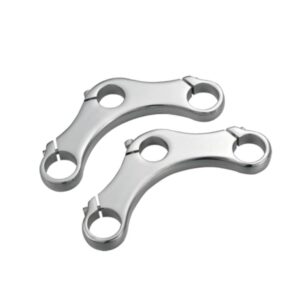
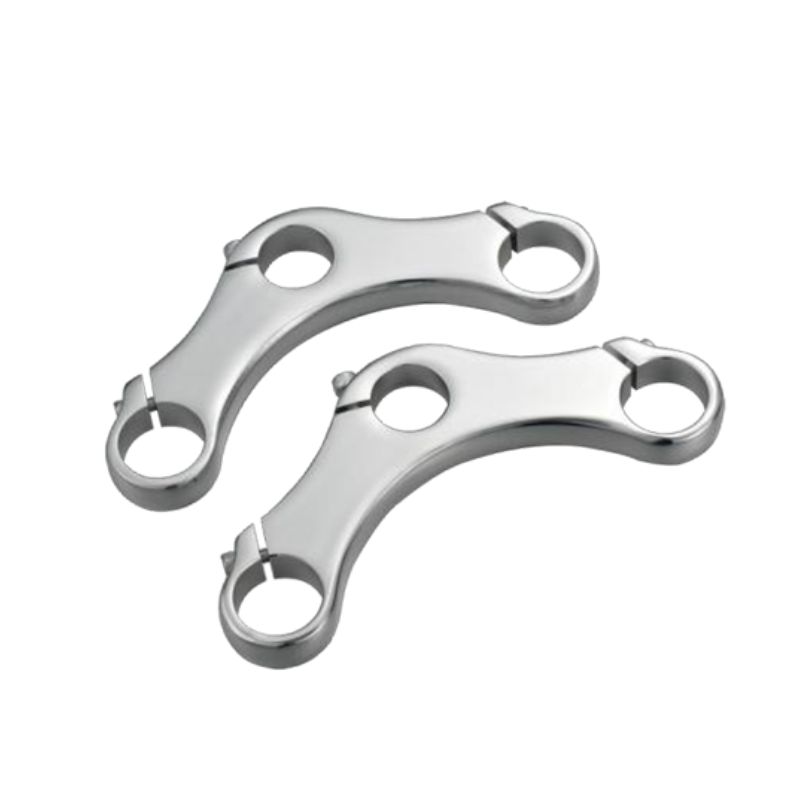
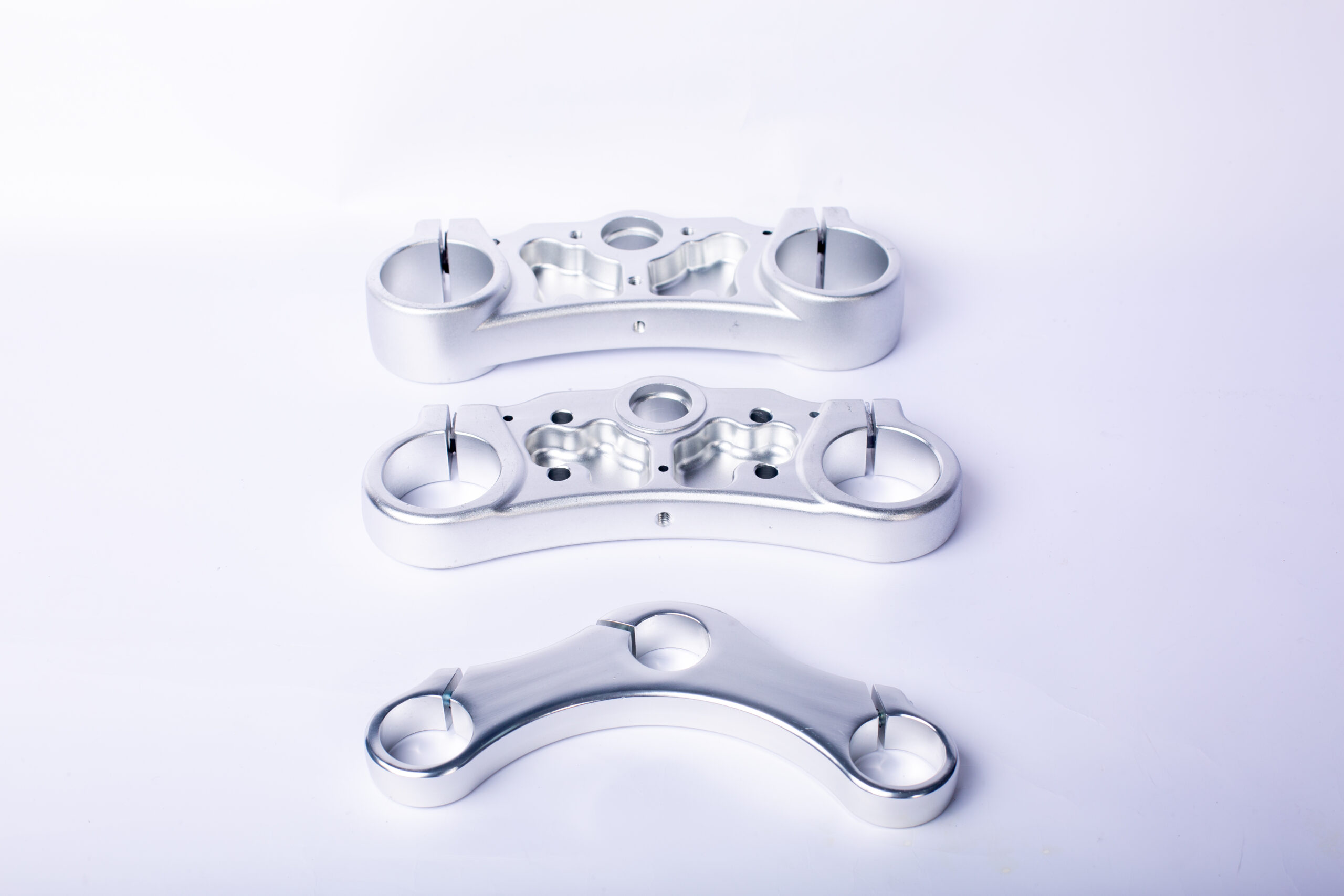
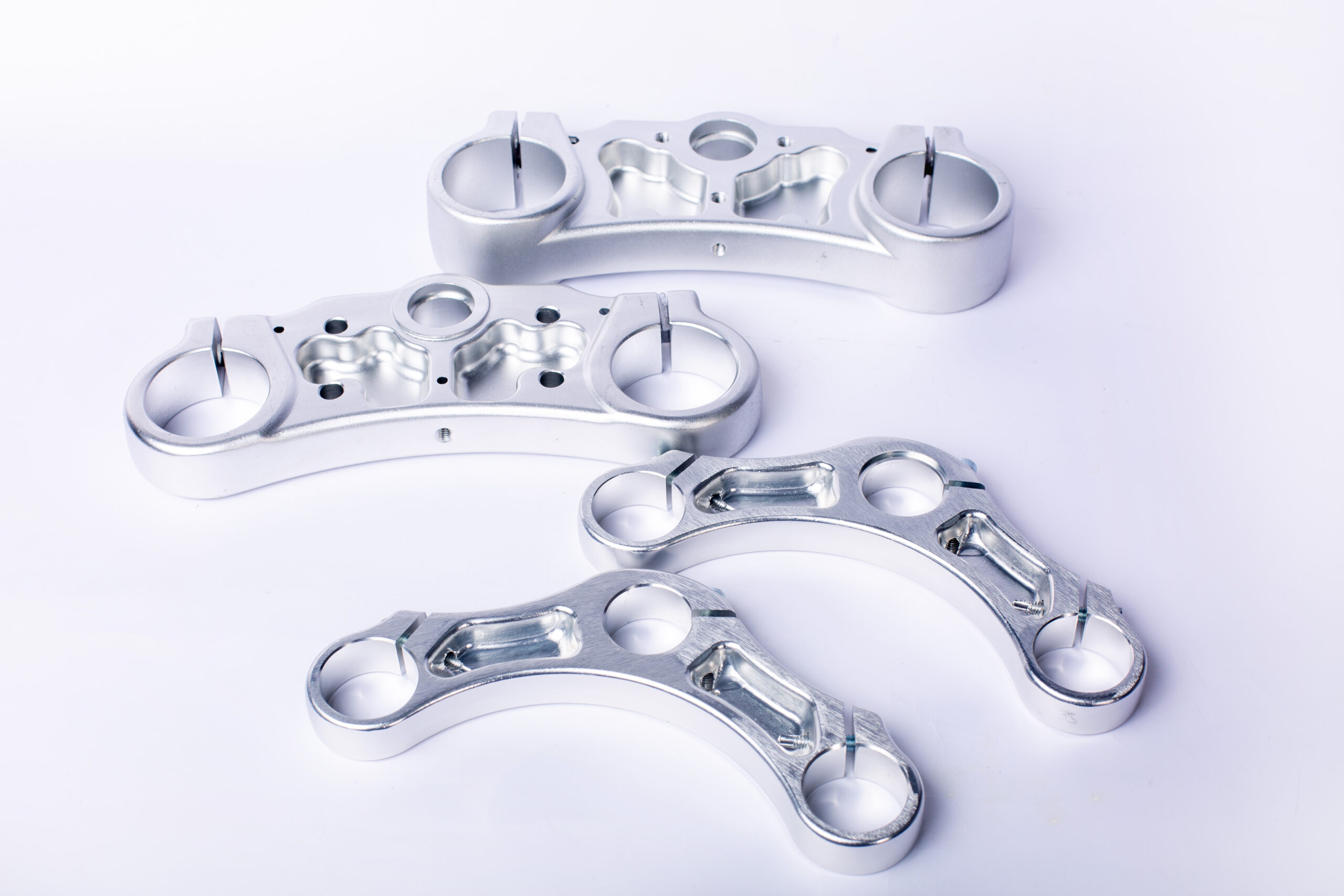
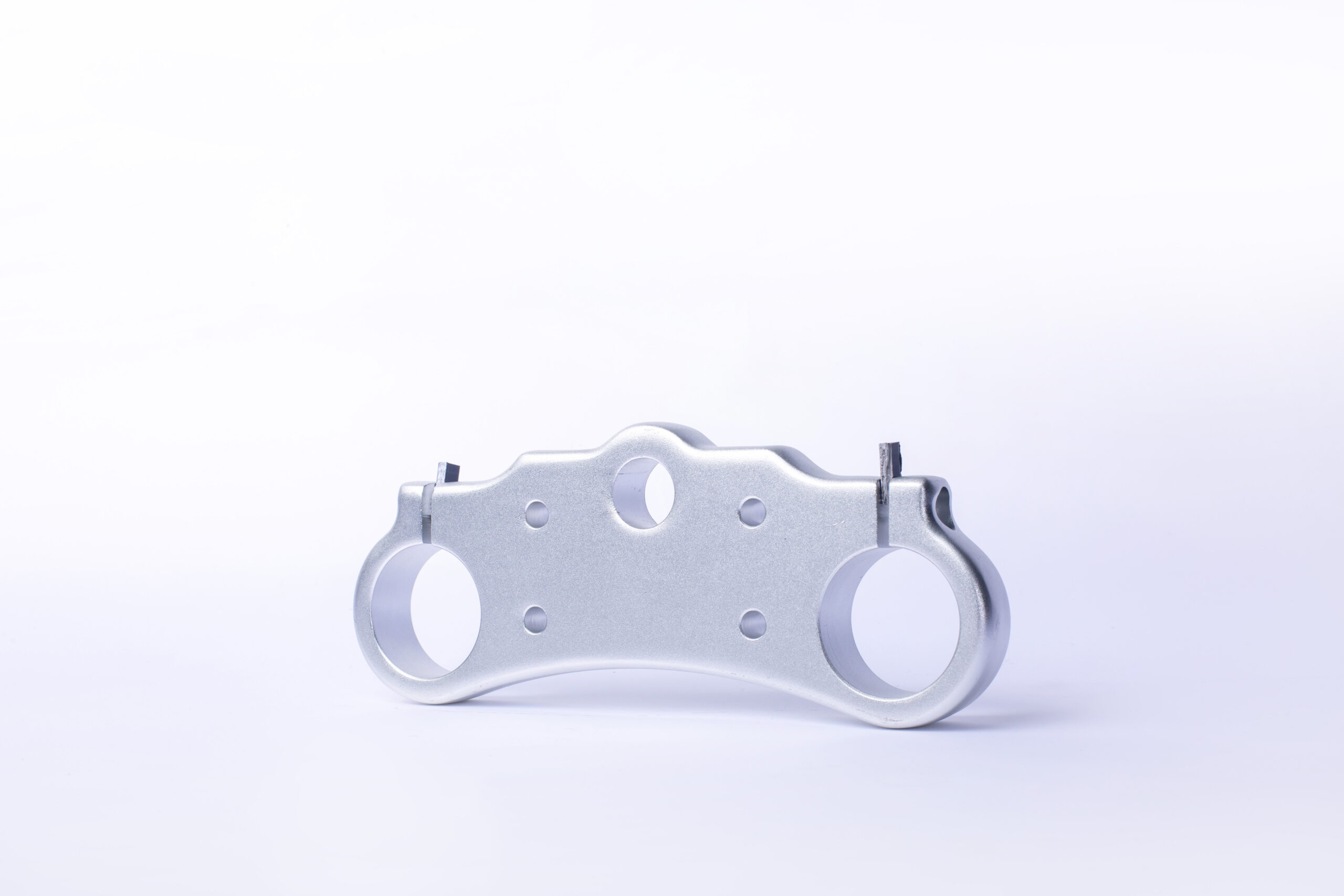
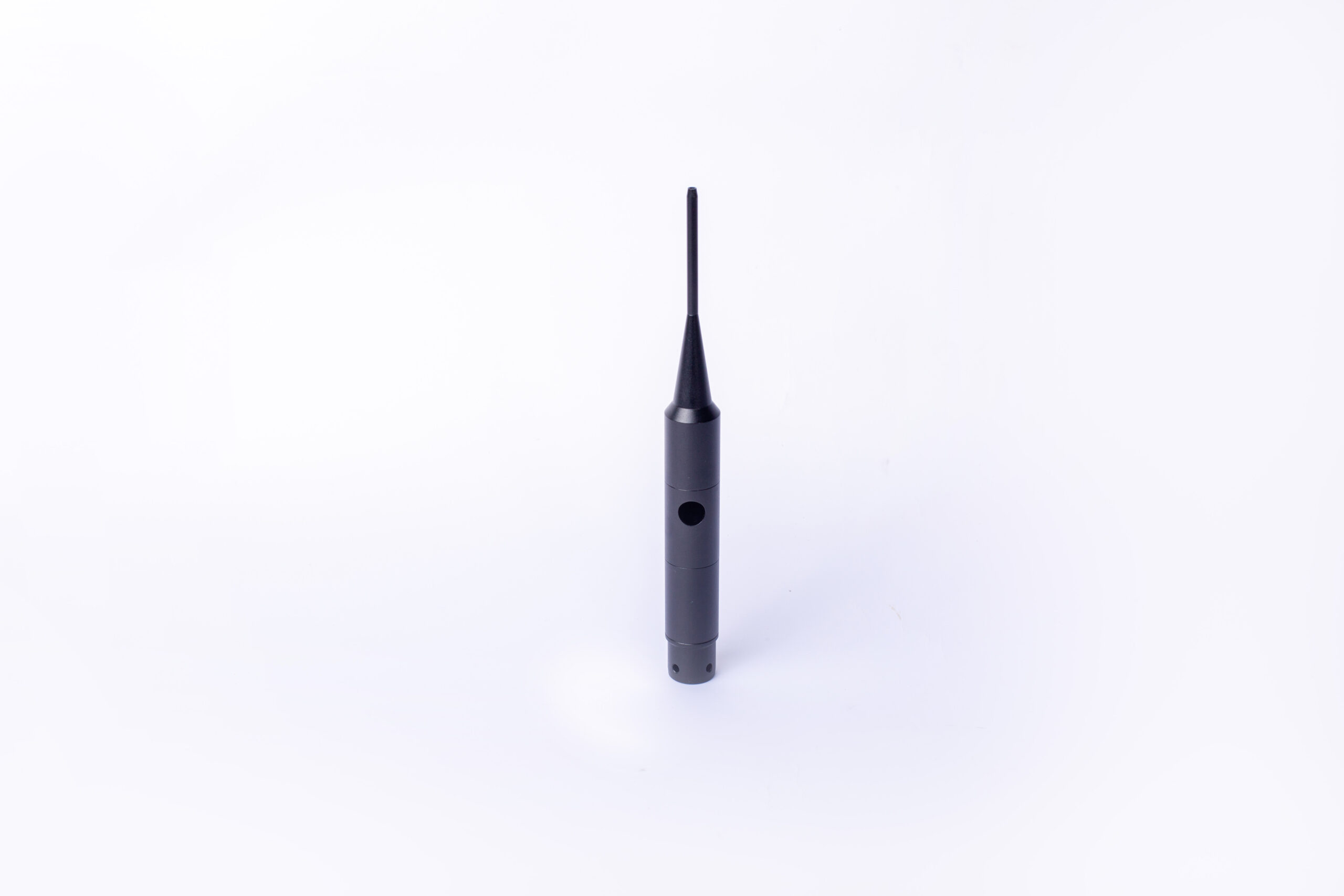
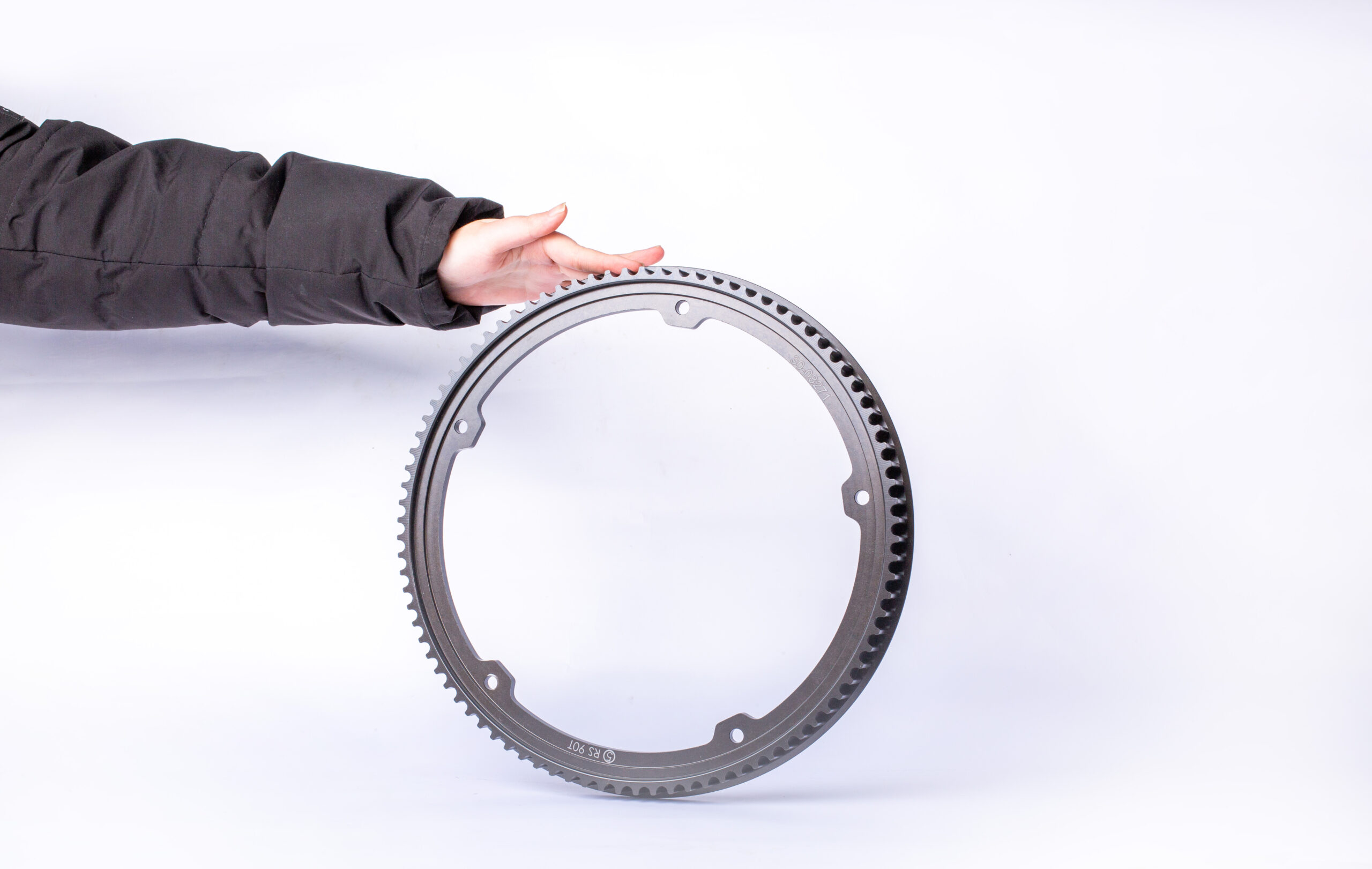
MINGYU Tech is a leading supplier of complex aluminum hot forging to the energy industry. With over 20 years of experience and state-of-the-art facilities, we have the expertise and capabilities to produce forgings that meet the stringent requirements of the energy industry. Our team of engineers and technicians work closely with customers to develop custom solutions that meet their specific needs. We are committed to providing our customers with high quality products and excellent customer service.
The first step in the aluminum hot forging process is to select the appropriate grade of aluminum for the desired product. Different aluminum alloys have varying chemical compositions and properties, making them suitable for different applications. Once the aluminum has been chosen, it is heated in a furnace to a temperature between 700-800 degrees Fahrenheit. This temperature is critical, as it allows the aluminum to become malleable without melting.
Next, the heated aluminum is placed into a forging machine, where it is subjected to intense pressure. This pressure changes the shape of the aluminum, creating the desired product. The process is repeated multiple times, with the aluminum being reheated and re-forged until it reaches its final shape and size. This method of shaping allows for precise control over the dimensions and specifications of the product.
aluminum hot forgings are known for their high strength-to-weight ratio, making them ideal for applications in the aerospace, automotive, and defense industries. They are also highly resistant to corrosion and have excellent thermal and electrical conductivity, making them suitable for use in electrical components. The precision and durability of aluminum hot forgings make them a popular choice for critical components such as aircraft parts, automobile engine components, and industrial machinery.
| Place of Origin | China |
| Material | Metal Aluminium Steel Copper Brass |
| Process | Forging+machining+HT+finish Machining |
| Surface treatment | Polishing |
| Application | Machinery Parts |
| Product name | aluminum hot forging |
| Certificate | TS16949/ISO9001 |
| Color | Customized Color |
| Quality Control | 100% Inspection |
| Lead Time | 19-38 Days |
| MOQ | 1 Piece |
| Supply Ability | 183395 Piece/Pieces per Month |
| Quantity (pieces) | > 528 |
| Lead time (days) | To be negotiated |


aluminum hot forging FAQs Guide.
Our company is dedicated to providing high-quality aluminum hot forging products to meet the needs of various industries. With advanced technology and skilled craftsmanship, we have become a leading manufacturer in the field of aluminum hot forging. Our products are widely used in aerospace, automotive, and construction industries, just to name a few. We take great pride in our products as they are not only durable and reliable, but also lightweight and eco-friendly. Through this introduction, we hope to showcase the versatility and excellence of our aluminum hot forging products. Thank you for choosing us as your trusted provider of top-notch aluminum hot forging products.
1.What level of precision can be achieved in aluminum hot forgings?
The level of precision that can be achieved in aluminum forgings depends on the type of forging process used and the quality of the raw material. Generally, aluminum forgings can achieve tolerances of up to +/- 0.005 inches (0.127 mm). However, some processes can achieve even higher levels of precision, such as die forging, which can achieve tolerances of up to +/- 0.001 inches (0.025 mm).
2.What are the most common applications of aluminum hot forging?
We enjoy high authority and influence in the industry and continue to innovate products and service models.
1. Automotive components: Aluminum forging is used to create a variety of automotive components, such as engine blocks, cylinder heads, transmission cases, and suspension components.
2. Aerospace components: Aluminum forging is used to create components for aircraft, such as landing gear, wing spars, and fuselage frames.
3. Industrial components: Aluminum forging is used to create components for industrial machinery, such as pumps, valves, and gears.
4. Sporting goods: Aluminum forging is used to create components for sporting goods, such as bicycle frames, golf clubs, and baseball bats.
5. Hand tools: Aluminum forging is used to create components for hand tools, such as hammers, wrenches, and screwdrivers.
3.Are there any limitations to the size or complexity of products that can be forged from aluminum?
We adhere to the principle of integrity and transparency, and establish long -term relationships with partners, and we attach great importance to this detail.
Yes, there are limitations to the size and complexity of products that can be forged from aluminum. Aluminum is a relatively soft metal, so it is not suitable for forging large or complex parts. Additionally, aluminum has a low melting point, so it is not suitable for forging parts that require high temperatures.
4.About aluminum hot forging quality system
Aluminum forging quality systems are designed to ensure that aluminum forgings meet the highest standards of quality and performance. Quality systems typically include a set of processes and procedures that are designed to ensure that all aluminum forgings meet the required specifications. Quality systems may include processes such as material selection, heat treatment, machining, and inspection. Quality systems also include documentation and record keeping to ensure that all processes are properly documented and tracked. Quality systems are essential for ensuring that aluminum forgings meet the highest standards of quality and performance.
5.Can exotic alloys be used in aluminum hot forgings?
Yes, exotic alloys can be used in aluminum forgings. Exotic alloys are typically used in aluminum forgings to increase strength, corrosion resistance, and other properties. Common exotic alloys used in aluminum forgings include titanium, magnesium, and copper alloys.
6.Are there any unique design considerations for aluminum hot forgings?
Yes, there are several unique design considerations for aluminum forgings. These include:
1. Designing for the grain structure of the aluminum: Aluminum forgings are produced by a process that creates a grain structure in the metal. This grain structure can affect the strength and ductility of the part, so it is important to consider when designing the part.
2. Designing for the forging process: The forging process can affect the shape and size of the part, so it is important to consider the process when designing the part.
3. Designing for the heat treatment process: Heat treatment is often used to improve the properties of aluminum forgings, so it is important to consider the heat treatment process when designing the part.
4. Designing for the machining process: Machining is often used to finish aluminum forgings, so it is important to consider the machining process when designing the part.
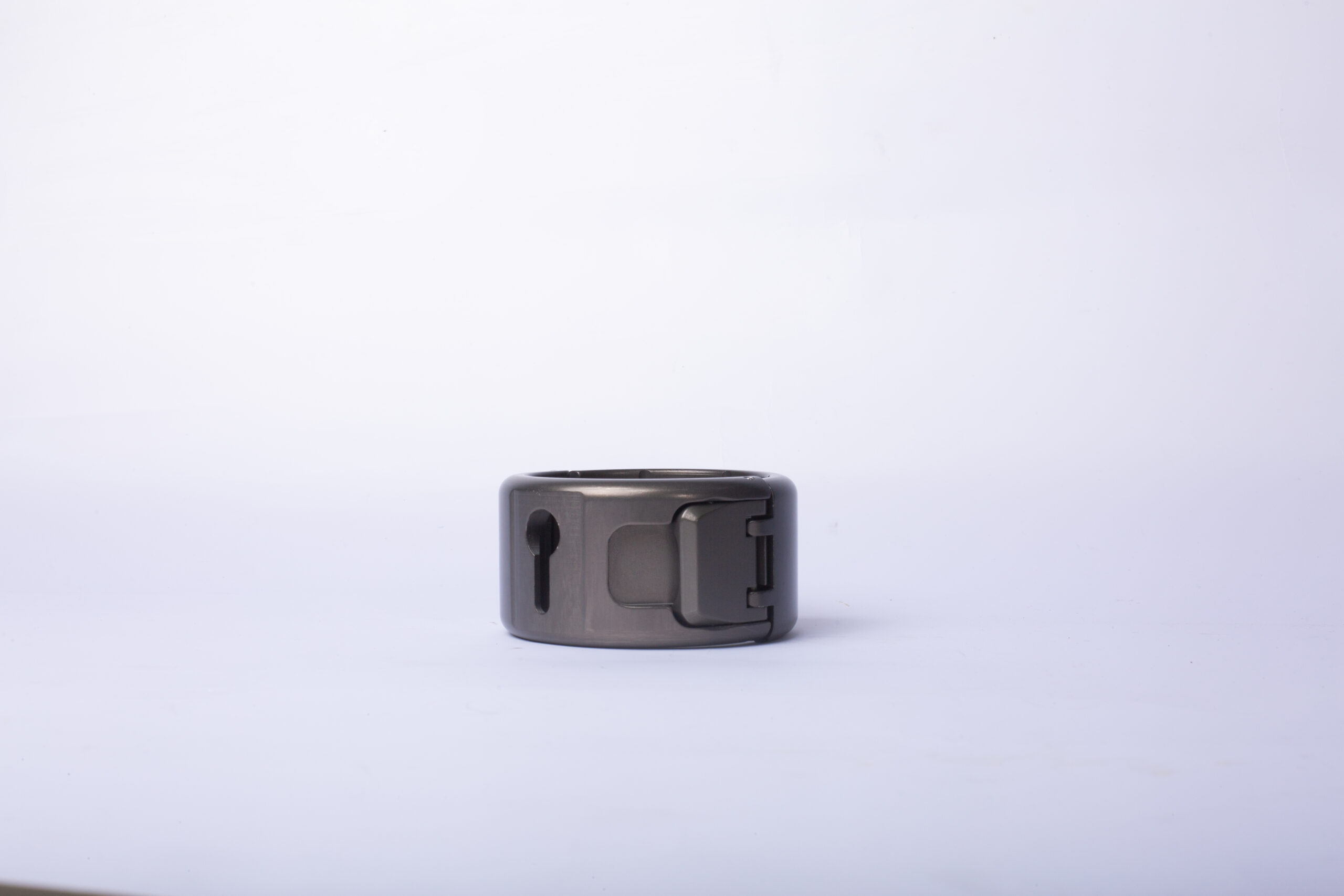
7.How is aluminum hot forging different from other metal forging processes?
We continue to invest in research and development and continue to launch innovative products.
Aluminum forging is different from other metal forging processes in that it requires a different set of tools and techniques. Aluminum is a softer metal than other metals, so it requires a different set of tools and techniques to shape it. Aluminum forging also requires a lower temperature than other metals, so it is more energy efficient. Additionally, aluminum forging is more cost effective than other metal forging processes due to its lower melting point.
8.About aluminum hot forging patent
Aluminum forging patents are patents that cover the process of forging aluminum into a desired shape. This process involves heating the aluminum to a high temperature and then using a hammer or press to shape it into the desired shape. The process of aluminum forging is used to create parts for a variety of industries, including automotive, aerospace, and medical. Patents related to aluminum forging cover the process of forging, the tools used, and the materials used.
9.Can aluminum hot forgings be joined with other materials?
Yes, aluminum forgings can be joined with other materials using various methods such as welding, brazing, riveting, and adhesive bonding.
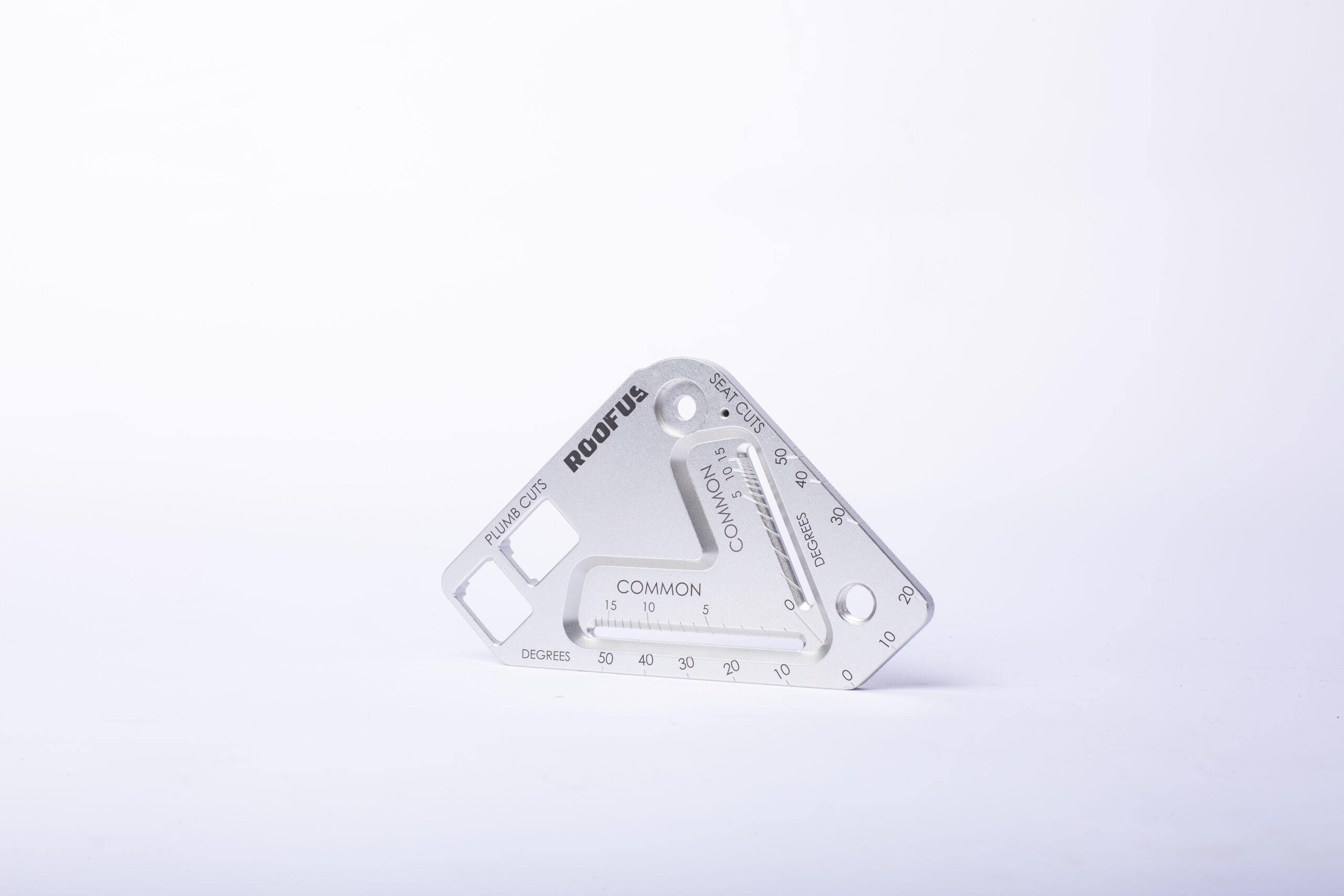
10.About aluminum hot forging raw materials
Aluminum forging raw materials are typically aluminum alloys that are heated and then shaped into a desired shape using a forging process. Common aluminum alloys used for forging include 6061, 7075, and 2024. These alloys are chosen for their strength, durability, and corrosion resistance. Other factors such as cost, availability, and machinability are also taken into consideration when selecting the right alloy for a particular application.
11.Are there any defects that can occur during aluminum hot forging?
We pay attention to employee development and benefits, and provide a good working environment in order to improve the efficiency of employees and improve the quality management of aluminum hot forging products.
Yes, there are several defects that can occur during aluminum forging, including porosity, cracking, tearing, and surface defects. Porosity is caused by gas pockets that form during the forging process, while cracking and tearing can occur due to excessive strain on the material. Surface defects can be caused by improper tooling or inadequate lubrication.
12.Are there any environmental benefits of using aluminum hot forging?
We pay attention to user experience and product quality, and provide the best product quality and lowest production cost for cooperative customers.
Yes, aluminum forging offers several environmental benefits. Aluminum is a lightweight, durable, and recyclable material, which means that it can be reused and repurposed multiple times. This reduces the amount of energy and resources needed to produce new aluminum products. Additionally, aluminum forging is a more efficient process than other metal forming techniques, which reduces energy consumption and emissions. Finally, aluminum is a non-toxic material, which means that it does not release any hazardous chemicals into the environment.
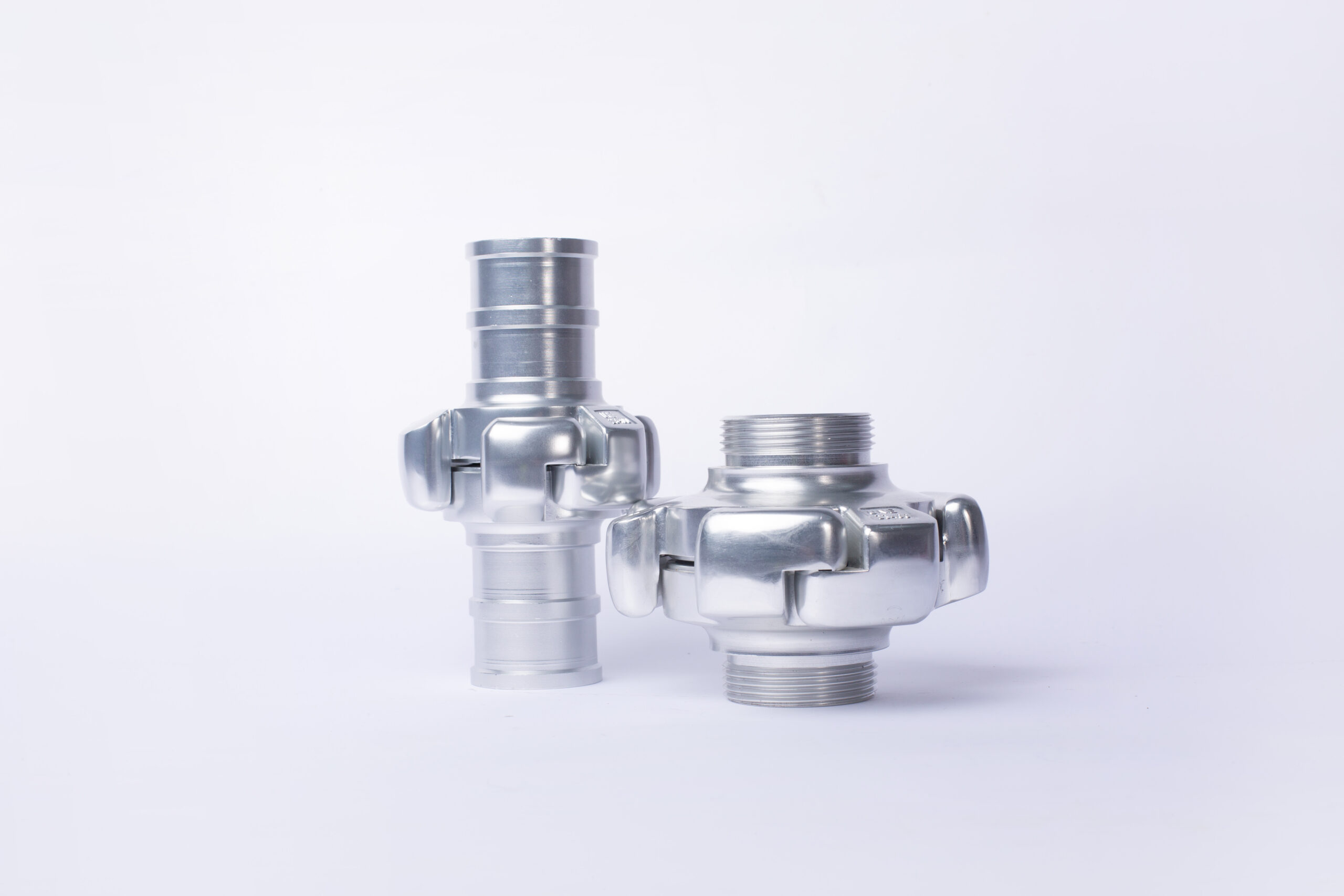
13.About the scale of aluminum hot forging factory
The size of an aluminum forging factory depends on the type of products it produces and the size of the orders it receives. Some aluminum forging factories may be small, producing only a few parts at a time, while others may be large, producing thousands of parts per day. The size of the factory also depends on the type of equipment used, the number of employees, and the amount of space available.
14.Can aluminum hot forgings be coated or plated?
We should have a stable supply chain and logistics capabilities, and provide customers with high -quality, low -priced aluminum hot forging products.
Yes, aluminum forgings can be coated or plated. Common coatings and platings for aluminum forgings include anodizing, powder coating, and electroplating.
Tag:aluminum forged work non-stick coating,extruded vs forged aluminum,forged aluminum melting point