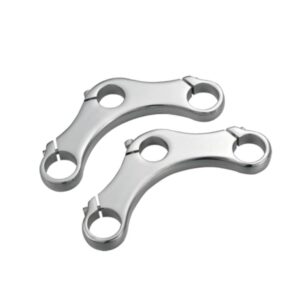
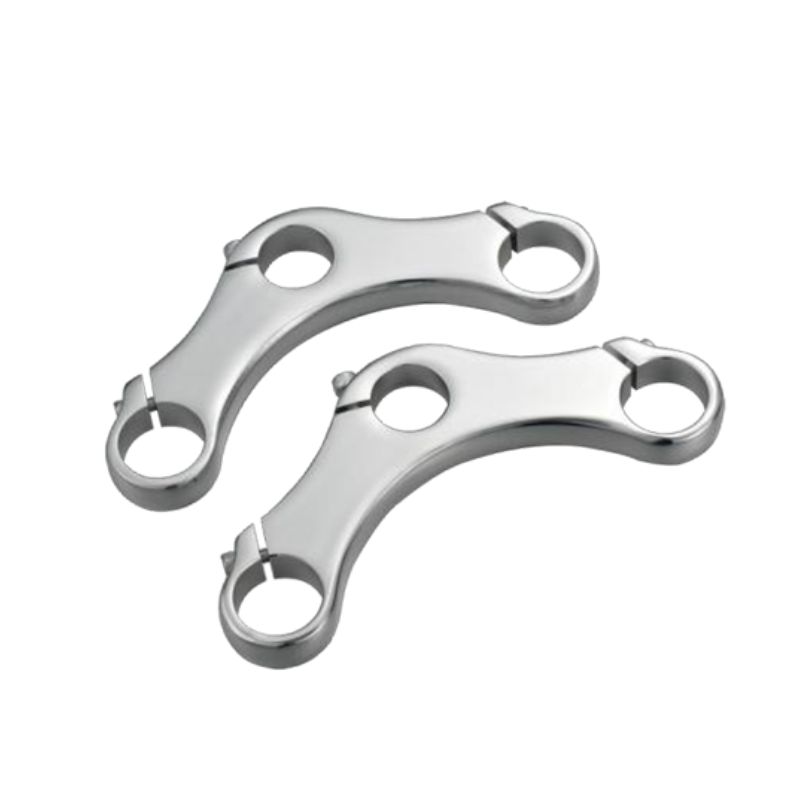
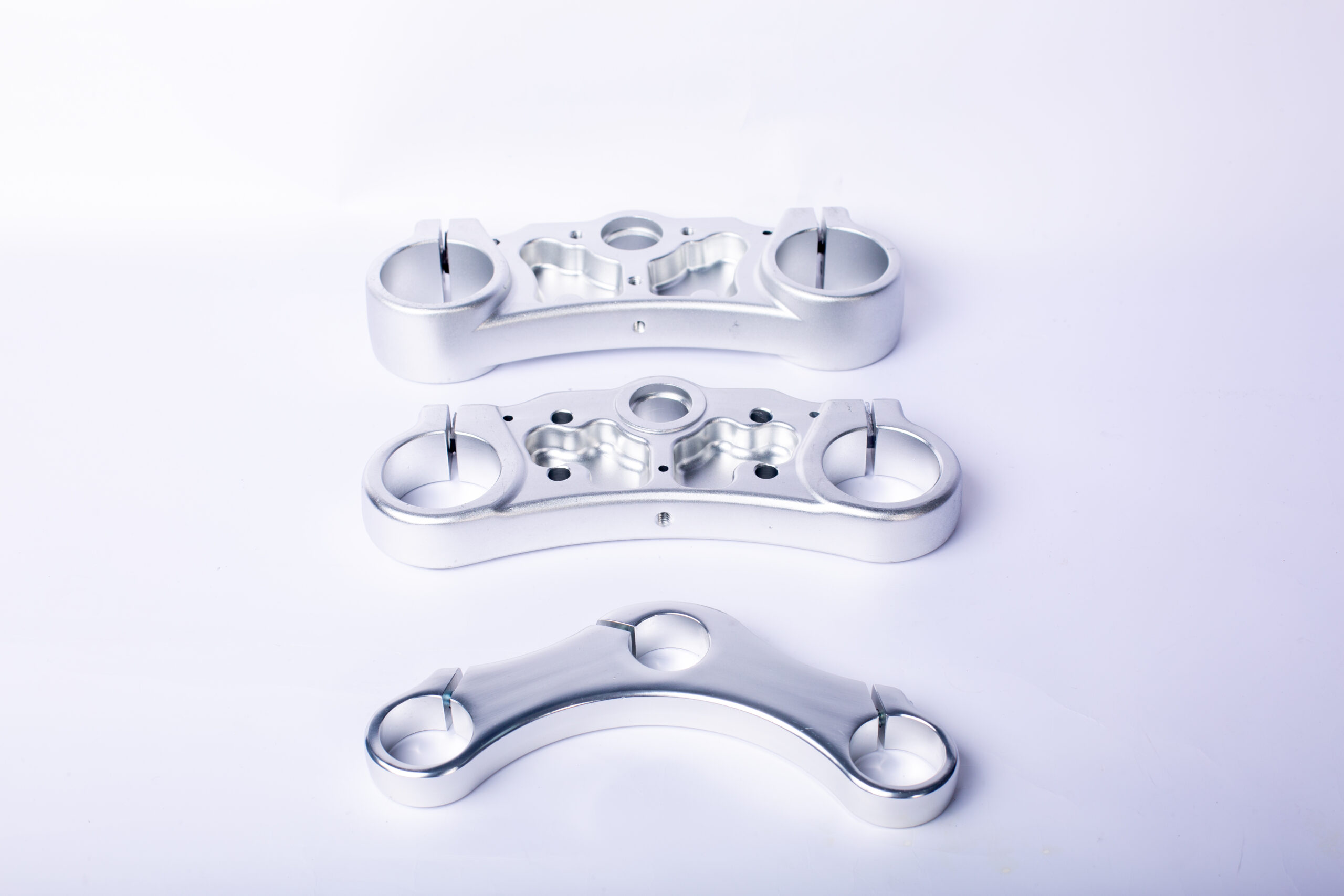
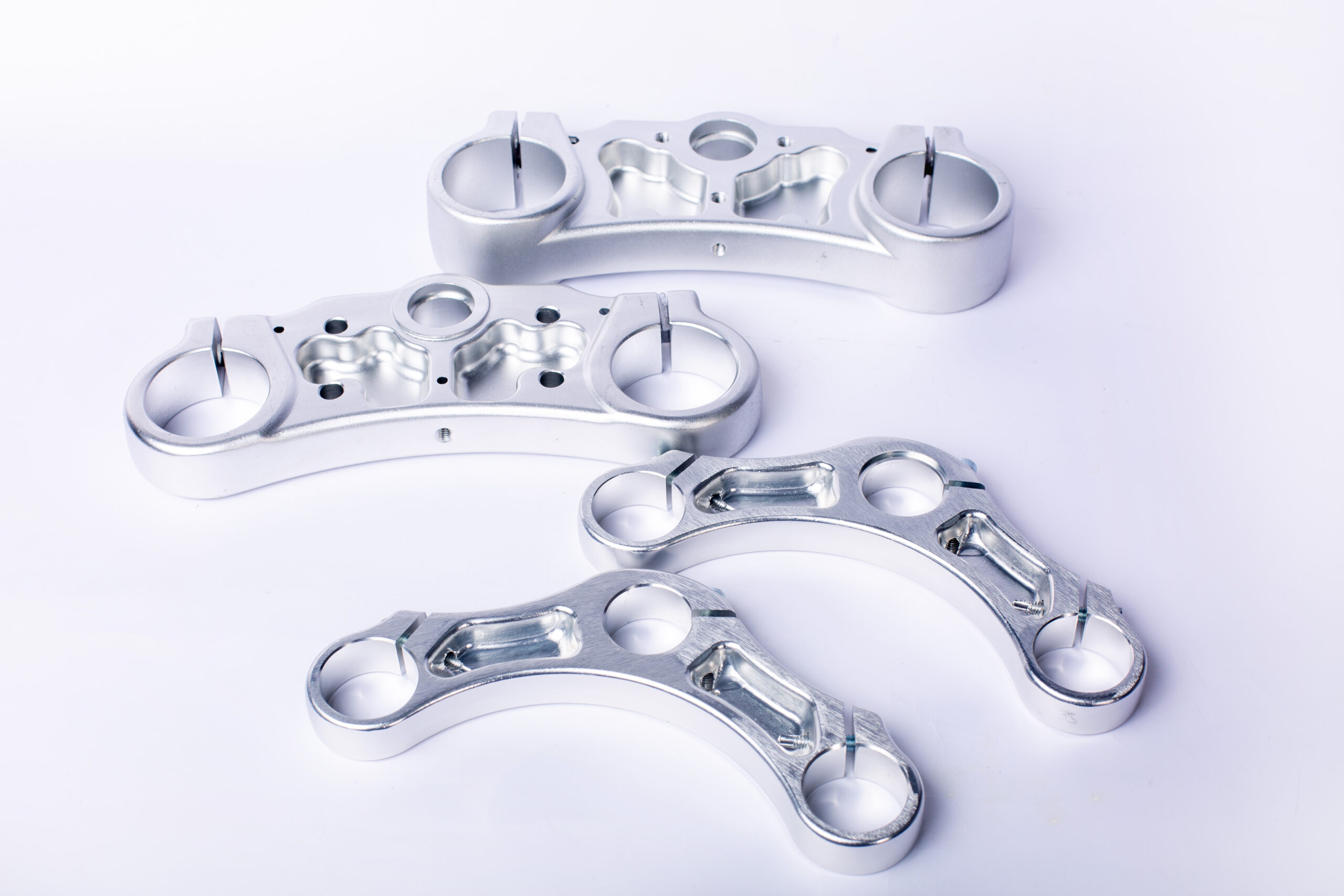
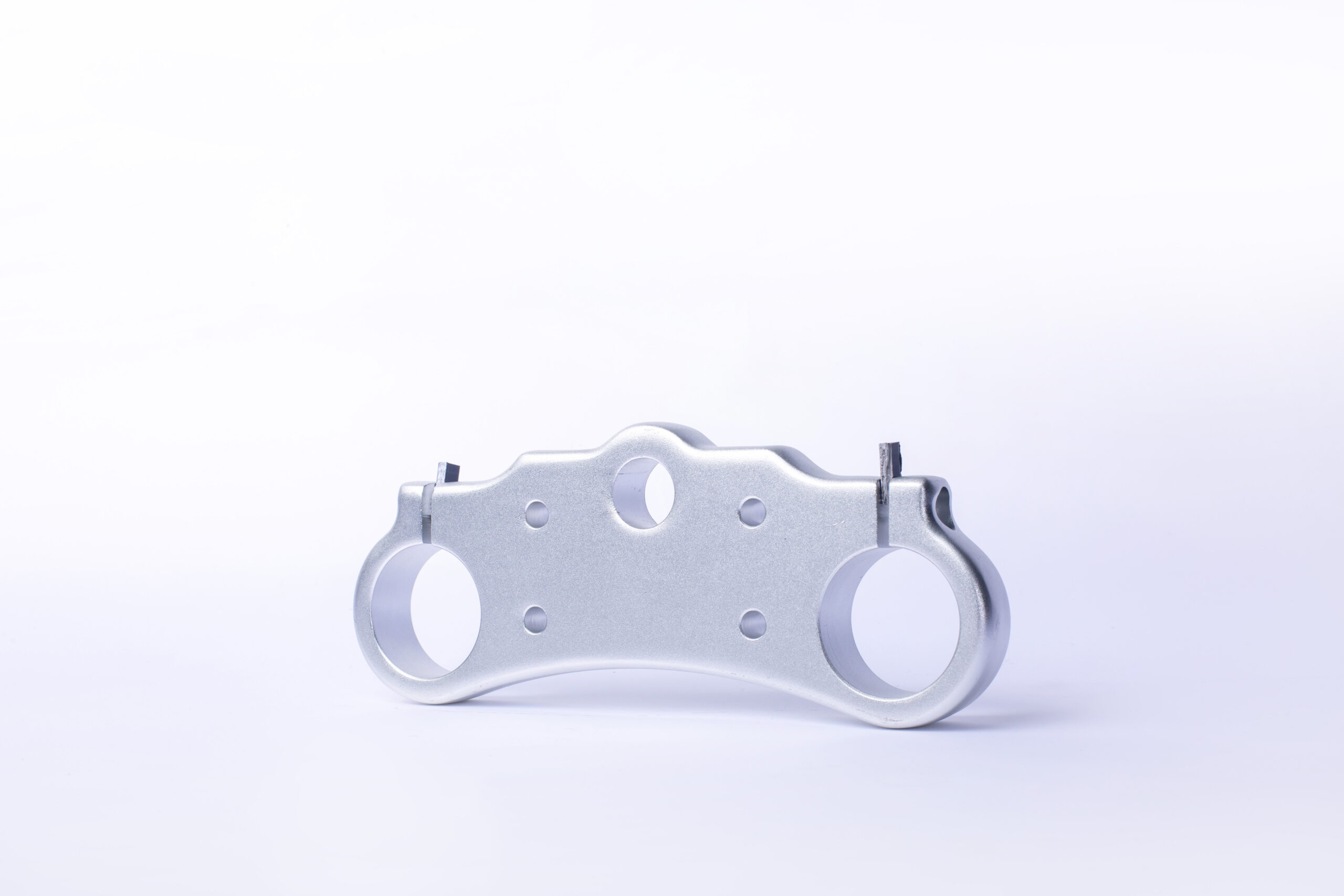
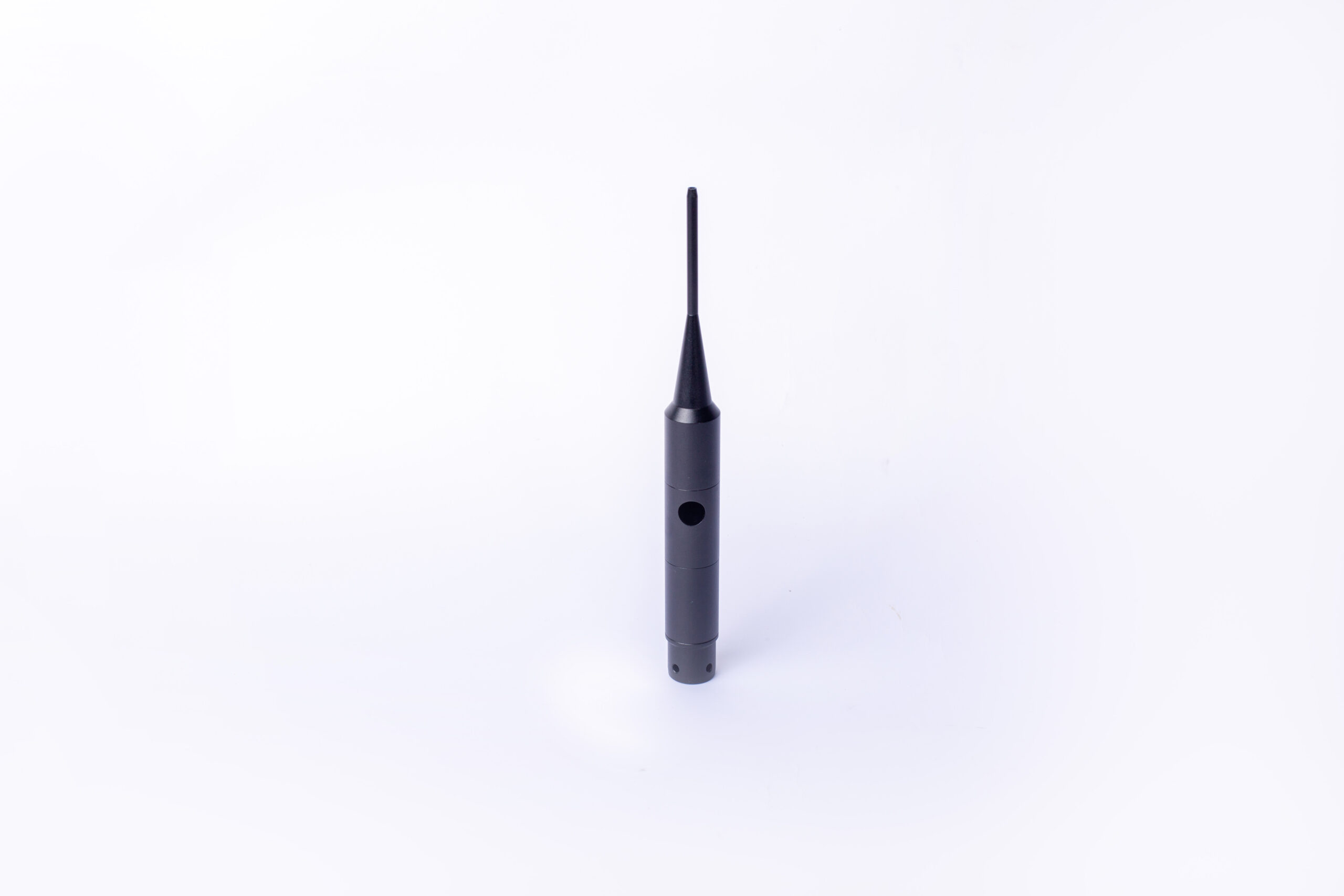
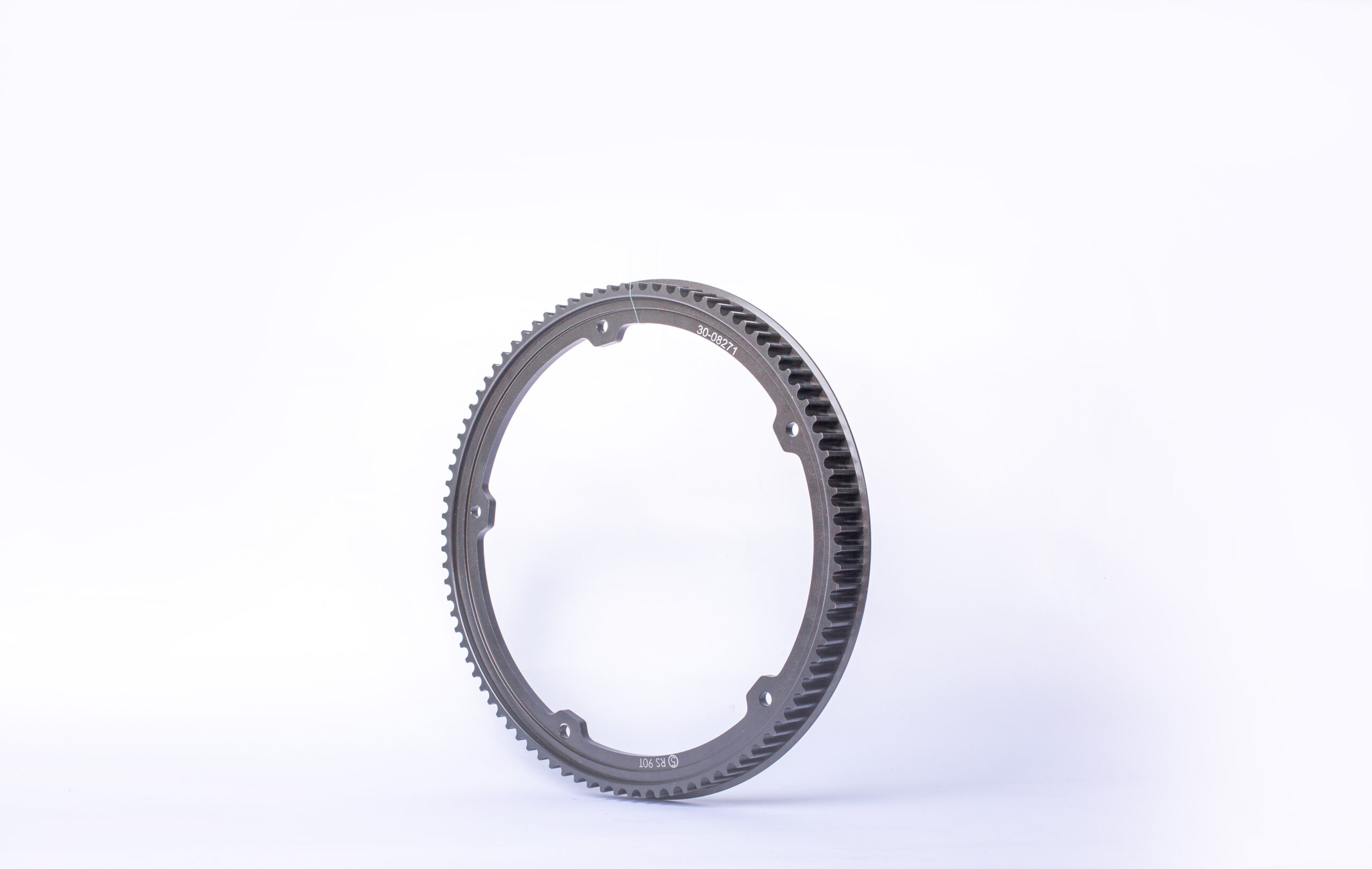
MINGYU Tech. is a leading manufacturer of customized high volume aluminum machining for the electronics industry. We have a professional team of engineers and technicians with extensive experience in CNC machining and anodizing, ensuring that we can meet the most demanding design and quality requirements. Our factories are equipped with state-of-the-art machines and inspection equipment and use cutting-edge software for design and process optimization. We also provide rapid prototyping services and strive to provide customers with competitive prices and on-time delivery.
high volume aluminum machining is a process that involves shaping, cutting, and drilling aluminum to create various products. It is a versatile and widely used manufacturing method that allows for the production of aluminum parts with high precision and accuracy.
One of the main advantages of high volume aluminum machining is its lightweight nature. As a lightweight metal, aluminum is highly favored in industries such as aerospace, automotive, and electronics, where weight is a crucial factor. With the use of advanced machining techniques, aluminum can be shaped into complex and intricate designs while maintaining its strength and durability.
Another benefit of high volume aluminum machining is its excellent corrosion resistance. This makes it an ideal choice for outdoor applications and harsh environments. Additionally, the non-magnetic properties of aluminum make it suitable for use in electronic equipment where magnetic interference needs to be avoided.
| Service | CNC Turning, CNC Milling , Laser Cutting, Bending, Stamping, |
| Materials | Stainless steel,Steel,Brass,Aluminum,Plastic |
| Surface Treatment |
Anodize, Bead blasted, Silk Screen, Plating, Zinc/Nickel/ Plating, Electro Plating,Polishing, Knurl, Laser/Etch/Engrave etc. |
| Drawing Accepted | Stp, Step, IGS, Xt, AutoCAD(DXF, DWG), PDF, or Samples |
| Tolerance | 0.01- +/-0.009mm |
| Lead Time | 1-2 weeks for samples, 3-4 weeks for mass production |
| Quality Assurance | ISO9001:2018, ISO13485:2019, SGS, RoHs, |


high volume aluminum machining FAQs Guide.
Our company specializes in providing high-quality high volume aluminum machining services for a variety of industries. With years of experience, state-of-the-art equipment, and a dedicated team, we pride ourselves on delivering precision and top-notch results for our customers. we will outline our capabilities and processes, and provide examples of the aluminum products we can create. We are confident that our high volume aluminum machining services will meet and exceed your expectations.
1.What are the properties of aluminum that make it suitable for machining?
We are committed to providing personalized solutions and established long -term strategic cooperative relationships with customers.
1. Aluminum is lightweight and strong, making it easy to machine and shape.
2. Aluminum has a low melting point, which makes it easier to cut and shape.
3. Aluminum is corrosion-resistant, making it suitable for machining in wet or humid environments.
4. Aluminum has a high thermal conductivity, which makes it suitable for machining at high speeds.
5. Aluminum is non-magnetic, making it suitable for machining in areas with strong magnetic fields.
6. Aluminum is non-toxic, making it safe to use in machining operations.
7. Aluminum is ductile, making it easy to form and shape.
8. Aluminum is malleable, making it easy to work with.
9. Aluminum is non-sparking, making it suitable for machining in hazardous environments.
2.What are some common challenges faced when machining aluminum?
We focus on our customers’ needs and strive to meet their expectations, so we take this very seriously.
1. Aluminum is a soft metal, which can cause it to deform or tear during machining.
2. Aluminum has a tendency to stick to the cutting tool, which can cause it to clog and reduce the life of the tool.
3. Aluminum is prone to heat build-up, which can cause it to warp or distort during machining.
4. Aluminum is prone to galling, which is when two pieces of metal stick together due to friction.
5. Aluminum is prone to work hardening, which can cause it to become brittle and difficult to machine.
3.Can aluminum be machined to create both simple and complex parts?
Yes, aluminum can be machined to create both simple and complex parts. Machining aluminum is a popular process for creating parts because it is relatively easy to work with and is a lightweight material. Machining aluminum can be done with a variety of tools, including lathes, milling machines, and drill presses.
4.How does the thickness of the aluminum affect the machining process?
The thickness of the aluminum affects the machining process in several ways. Thicker aluminum requires more cutting force and can cause more wear on the cutting tools. It also requires more time to machine, as the cutting tools must move more slowly to ensure a clean cut. Additionally, thicker aluminum can cause more vibration during the machining process, which can lead to poor surface finish and accuracy.
5.Are there alternatives to traditional machining for shaping and forming aluminum?
Yes, there are several alternatives to traditional machining for shaping and forming aluminum. These include:
-Casting: Casting is a process in which molten aluminum is poured into a mold and allowed to cool and solidify. This is a great way to create complex shapes and parts with a high degree of accuracy.
-Extrusion: Extrusion is a process in which aluminum is forced through a die to create a desired shape. This is a great way to create parts with a consistent cross-section.
-Forging: Forging is a process in which aluminum is heated and then hammered or pressed into a desired shape. This is a great way to create parts with a high degree of strength and durability.
-Stamping: Stamping is a process in which aluminum is cut and formed into a desired shape using a die. This is a great way to create parts with a high degree of accuracy and repeatability.

6.What surface finishes are achievable with aluminum machining?
We focus on providing high high volume aluminum machining quality products and services.
Surface finishes achievable with aluminum machining include anodizing, powder coating, sandblasting, polishing, and brushing.
7.How does the hardness of aluminum affect the machining process?
We have been working hard to improve service quality and meet customer needs.
The hardness of aluminum affects the machining process in several ways. Harder aluminum is more difficult to machine, as it requires more cutting force and higher cutting speeds. It also increases the wear on the cutting tools, resulting in shorter tool life. Harder aluminum also produces more heat during machining, which can lead to increased tool wear and decreased surface finish quality. Finally, harder aluminum is more prone to work hardening, which can lead to increased tool wear and decreased machinability.
8.Can different types of coatings be applied to aluminum after machining?
We continue to improve high volume aluminum machining products and processes to improve efficiency.
Yes, different types of coatings can be applied to aluminum after machining. Common coatings include anodizing, powder coating, and painting. Anodizing is a process that creates a protective oxide layer on the surface of the aluminum, while powder coating is a process that applies a dry powder to the surface of the aluminum and then bakes it to create a hard finish. Painting is a process that applies a liquid paint to the surface of the aluminum and then bakes it to create a hard finish.
9.How does the cutting tools used for aluminum machining differ from other metals?
We enjoy high authority and influence in the industry and continue to innovate products and service models.
Cutting tools used for aluminum machining differ from other metals in several ways. Aluminum is a softer metal than other metals, so it requires a different type of cutting tool. Aluminum cutting tools are typically made from high-speed steel or carbide, which are harder and more durable than the tools used for other metals. Additionally, aluminum cutting tools are designed to be sharper and more precise than those used for other metals, as aluminum is more prone to chipping and tearing. Finally, aluminum cutting tools are often coated with a lubricant to reduce friction and heat buildup during machining.
10.What are the safety hazards associated with aluminum machining?
We have the leading technology and innovation capabilities, and attach importance to employee training and development, and provide promotion opportunities.
1. Fire and Explosion Risk: Aluminum is highly flammable and can easily ignite when exposed to sparks or open flames.
2. Fumes and Dust: Aluminum machining produces hazardous fumes and dust that can be harmful to workers if inhaled.
3. Heat: Aluminum machining generates a lot of heat, which can cause burns if not properly managed.
4. Noise: Aluminum machining can be very loud, which can cause hearing damage if not properly managed.
5. Sharp Edges: Aluminum machining can produce sharp edges that can cause cuts and lacerations if not properly managed.
11.What are some common problems encountered during aluminum machining?
We should enjoy a good reputation in the industry, and we can increase the added value of the products of cooperative customers through technological innovation.
1. Tool wear: Aluminum is a soft metal, which can cause tools to wear quickly.
2. Chip clogging: Aluminum chips can easily clog up the cutting area, leading to poor surface finish and reduced tool life.
3. Heat buildup: Aluminum is a good conductor of heat, which can cause the tool and workpiece to heat up quickly. This can lead to tool failure and reduced accuracy.
4. Vibration: Aluminum is a lightweight material, which can cause vibration during machining. This can lead to poor surface finish and reduced accuracy.
5. Poor surface finish: Aluminum is a soft metal, which can cause a poor surface finish. This can be improved by using a higher cutting speed and a sharper tool.
12.How does aluminum machining compare to other common materials such as steel or titanium?
We are a new high volume aluminum machining manufacturer.
Aluminum machining is generally easier than machining steel or titanium due to its lower strength and hardness. Aluminum is also more ductile and malleable than steel or titanium, which makes it easier to shape and form. Aluminum is also much lighter than steel or titanium, which makes it easier to handle and transport. However, aluminum is more prone to corrosion than steel or titanium, so it requires more frequent maintenance and protection.
13.Can aluminum be machined with traditional machining tools?
As one of the top high volume aluminum machining manufacturers in China, we take this very seriously.
Yes, aluminum can be machined with traditional machining tools. However, it is important to note that aluminum is a softer metal than other metals, so it requires special cutting tools and techniques to ensure a good finish. Additionally, aluminum is more prone to heat buildup during machining, so it is important to use coolant and lubricants to reduce heat buildup and improve tool life.
14.What are some considerations when machining aluminum for aerospace applications?
1. Use high-speed steel or carbide tools with sharp cutting edges to reduce cutting forces and minimize tool wear.
2. Use coolant to reduce heat buildup and improve chip evacuation.
3. Use a low feed rate to reduce cutting forces and minimize tool wear.
4. Use a high spindle speed to reduce cutting forces and minimize tool wear.
5. Use a high depth of cut to reduce cutting forces and minimize tool wear.
6. Use a high cutting speed to reduce cutting forces and minimize tool wear.
7. Use a high-pressure coolant system to reduce heat buildup and improve chip evacuation.
8. Use a rigid machine setup to reduce vibration and improve surface finish.
9. Use a high-quality cutting tool material to reduce tool wear and improve surface finish.
10. Use a high-quality cutting tool geometry to reduce cutting forces and improve surface finish.
15.What industries commonly use aluminum machining?
We have broad development space in domestic and foreign markets. high volume aluminum machining have great advantages in terms of price, quality, and delivery date.
Aluminum machining is commonly used in a variety of industries, including aerospace, automotive, medical, electronics, and defense. It is also used in the production of consumer goods such as appliances, sporting goods, and furniture.
16.What are some common methods used for aluminum machining?
We operate our high volume aluminum machining business with integrity and honesty.
Common methods used for aluminum machining include:
1. Drilling: This is the most common method used for aluminum machining. It involves using a drill bit to create a hole in the aluminum material.
2. Milling: This is a process that uses a rotating cutting tool to remove material from the aluminum.
3. Turning: This is a process that uses a lathe to shape the aluminum material.
4. Grinding: This is a process that uses an abrasive wheel to remove material from the aluminum.
5. Sawing: This is a process that uses a saw to cut the aluminum material.
6. Punching: This is a process that uses a punch to create a hole in the aluminum material.
Tag:china aluminum machining service supplier,extruded aluminum machining,aluminum machining parts factories,cnc aluminum machining parts manufacturers