Aluminum is one of the most versatile and widely used materials in industries ranging from construction to aerospace and electronics. Its strength, lightweight properties, and resistance to corrosion make it an ideal material for manufacturing a wide array of products. When it comes to shaping aluminum, two popular techniques stand out: aluminum profiles and CNC aluminum machining. Both have their advantages, and choosing the right method depends on your specific project requirements.
In this article, we’ll explore the key differences between aluminum profiles and CNC aluminum machining, discuss the benefits of each, and provide insights into which industries can benefit the most from these processes. As a leader in precision engineering and aluminum manufacturing, MINGYU Tech offers both aluminum profile solutions and CNC machining services to meet the needs of various industries.
What Are Aluminum Profiles?
Aluminum profiles are extruded sections of aluminum that are created by forcing the metal through a die with a specific cross-sectional shape. This process, known as aluminum extrusion, produces long, continuous sections that can be cut to the desired length. Aluminum profiles are used in various industries because of their structural integrity, lightweight properties, and customizable shapes.
Aluminum profiles come in different shapes and sizes, including channels, angles, and tubes, depending on the application’s requirements. Commonly used in construction, architecture, and industrial manufacturing, aluminum profiles are an efficient way to produce strong, consistent, and lightweight components in high volumes.
Benefits of Aluminum Profiles:
- Cost-Effective for High-Volume Production: Aluminum extrusion is highly efficient for large-scale production, making it a cost-effective solution for industries requiring large quantities of similar parts.
- Strength and Lightweight: Aluminum profiles provide excellent strength while remaining lightweight, making them ideal for load-bearing applications where weight is a concern.
- Customizable Designs: The extrusion process allows manufacturers to create complex shapes with intricate details, tailored to specific project needs.
- Corrosion Resistance: Aluminum profiles naturally resist corrosion, ensuring durability and longevity in both indoor and outdoor applications.
- Energy-Efficient: The production process of aluminum profiles is energy-efficient, and aluminum can be easily recycled without losing its mechanical properties.

What Is CNC Aluminum Machining?
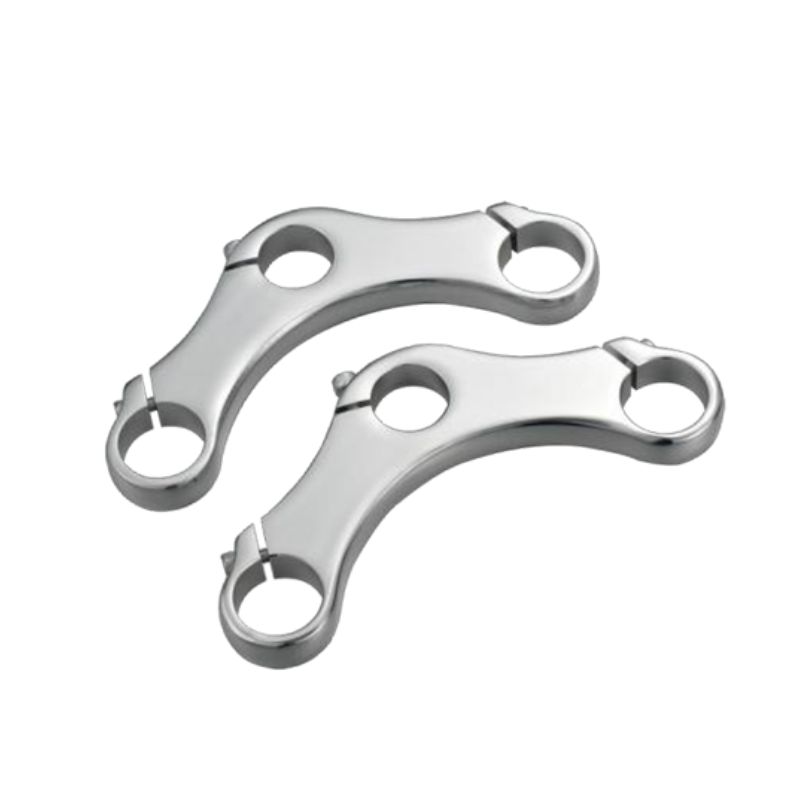
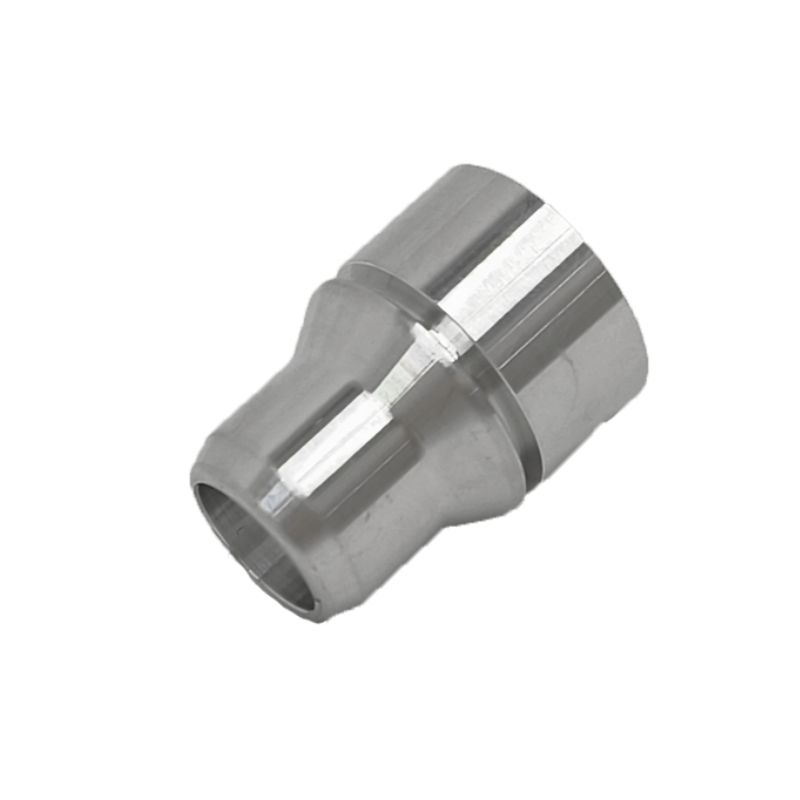
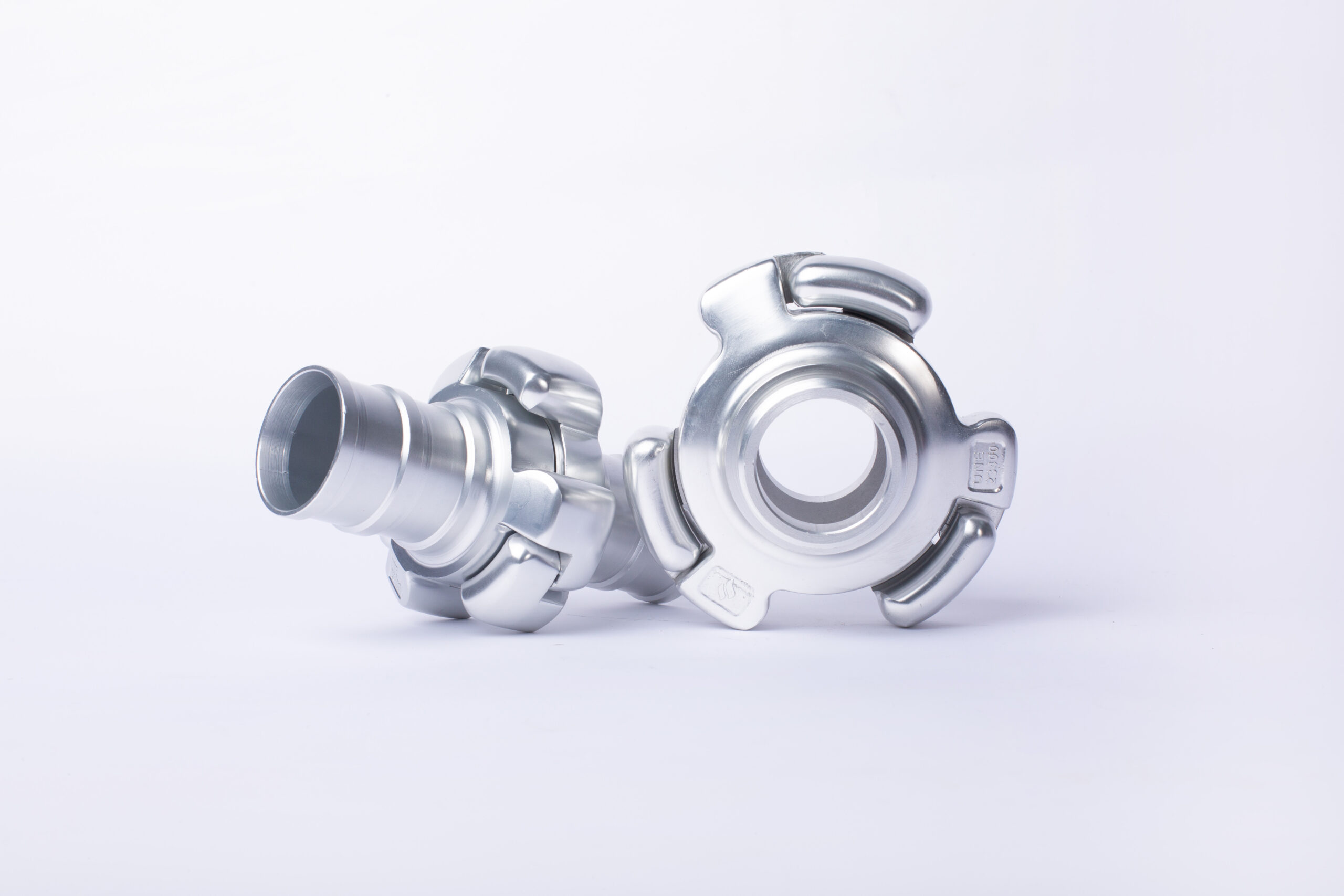
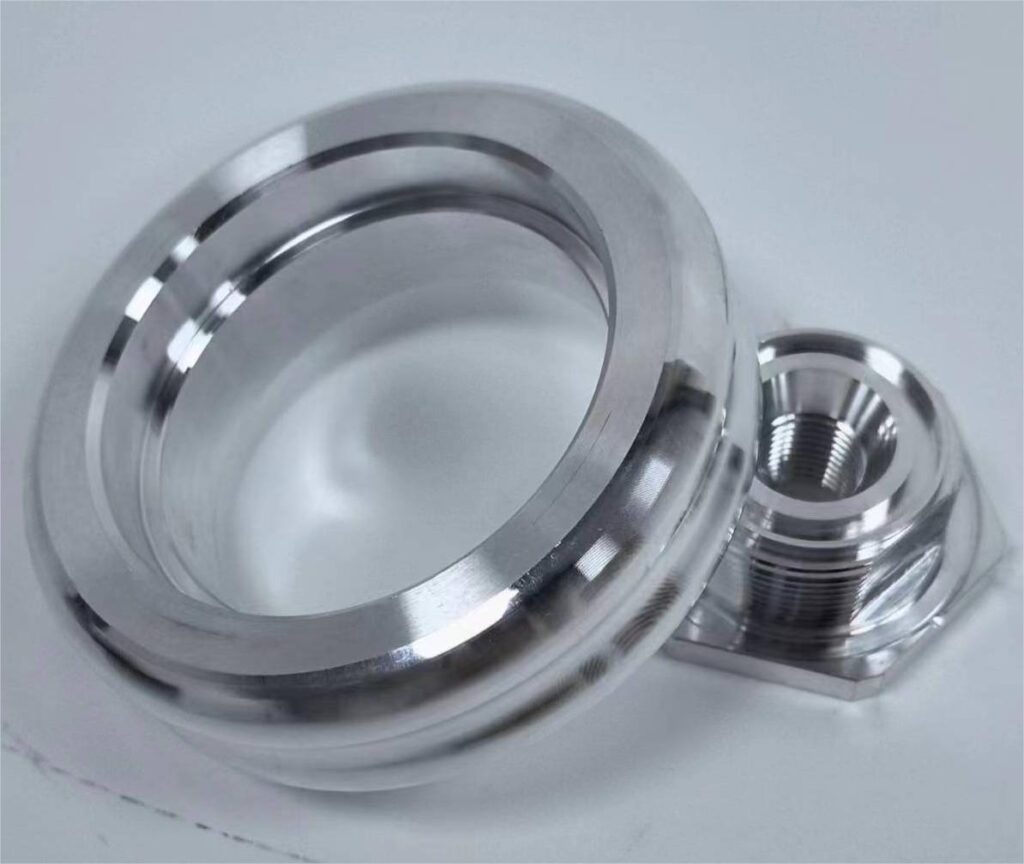
CNC (Computer Numerical Control) aluminum machining, on the other hand, is a subtractive manufacturing process. It involves starting with a block (or billet) of aluminum and removing material to achieve the desired shape. This process is controlled by computer software, which directs precise movements of cutting tools. CNC machining is widely used in industries that require highly accurate and complex aluminum parts.
Unlike extrusion, which creates parts with uniform cross-sections, CNC machining offers greater flexibility in producing intricate, detailed components that can vary in shape and thickness. CNC machining is commonly used for prototyping, small to medium production runs, and custom parts that require tight tolerances.
Benefits of CNC Aluminum Machining:
- Precision and Accuracy: CNC machining allows for extremely tight tolerances and high precision, making it ideal for industries that demand intricate designs or highly specific parts, such as aerospace and medical devices.
- Versatility: CNC machines can produce complex shapes that are difficult or impossible to achieve through extrusion or other processes. This includes three-dimensional designs with varying thicknesses, holes, and undercuts.
- Customizability: Since CNC machining is a highly flexible process, it is ideal for producing small batches or highly specialized parts tailored to the exact specifications of the customer.
- Material Integrity: CNC machining retains the material’s full strength and mechanical properties, as there is no deformation caused by the extrusion process.
- Short Lead Times: For low to medium production volumes, CNC machining offers relatively quick turnaround times compared to the setup and tooling required for extrusion.

Key Differences Between Aluminum Profiles and CNC Aluminum
While both processes shape aluminum into functional parts, they differ significantly in terms of method, application, and advantages. Understanding these key differences is crucial in determining the most suitable manufacturing process for your project.
- Manufacturing Process:
- Aluminum Profiles
Created through the extrusion process, which pushes aluminum through a die to produce long sections with uniform cross-sections. - CNC Machining
A subtractive process where material is cut away from a solid aluminum block using computer-controlled tools.
- Aluminum Profiles
- Complexity of Shapes:
- Aluminum Profiles
Best suited for parts with uniform cross-sections and less complex shapes. Complex profiles are possible but limited to the extrusion process’s capabilities. - CNC Machining
Allows for the creation of highly intricate and complex parts with varying thicknesses, internal cavities, and precise dimensions.
- Aluminum Profiles
- Volume of Production:
- Aluminum Profiles
Ideal for high-volume production, as the extrusion process is highly efficient once the die is created. - CNC Machining
Typically used for low to medium production volumes or for producing highly specialized, customized parts.
- Aluminum Profiles
- Cost:
- Aluminum Profiles
Generally more cost-effective for large-scale production due to lower material waste and faster production times once the die is made. - CNC Machining
More expensive on a per-part basis, especially for large volumes, but offers unmatched precision for custom and complex parts.
- Aluminum Profiles
- Material Waste:
- Aluminum Profiles
Little material waste is generated during the extrusion process, making it more efficient in terms of raw material use. - CNC Machining
Involves removing material from a larger block, resulting in more waste, but allows for greater precision and flexibility.
- Aluminum Profiles
Which Industries Benefit the Most?
- Construction and Architecture: Aluminum profiles are widely used in construction for windows, doors, framing systems, and structural components. Their strength, lightweight properties, and corrosion resistance make them ideal for architectural applications. MINGYU Tech supplies high-quality aluminum profiles that are customizable for any building project.
- Aerospace and Defense: CNC aluminum machining is essential in aerospace and defense, where precision and accuracy are paramount. Components like engine parts, landing gear, and brackets require tight tolerances, and CNC machining ensures the necessary level of detail. MINGYU Tech offers precision machining services to meet the rigorous demands of these industries.
- Automotive Industry: Both aluminum profiles and CNC machining play key roles in automotive manufacturing. Profiles are used for lightweight structural components, while CNC machining is often employed for complex parts like engine housings and intricate interior components.
- Consumer Electronics: CNC aluminum machining is popular in the consumer electronics industry for producing enclosures, heat sinks, and housings for smartphones, laptops, and other devices. The high precision of CNC machining ensures a perfect fit and finish for intricate designs.

Conclusion
When deciding between aluminum profiles and CNC aluminum machining, it is important to consider the complexity, volume, and precision required for your project. MINGYU Tech offers both aluminum extrusion and CNC machining services, ensuring that clients across various industries have access to the best solution for their needs. Whether you need high-volume production of uniform parts or custom, high-precision components, MINGYU Tech has the expertise and capabilities to deliver top-quality results.
By understanding the key differences between these two processes, businesses can make informed decisions that optimize production, reduce costs, and ensure product quality.