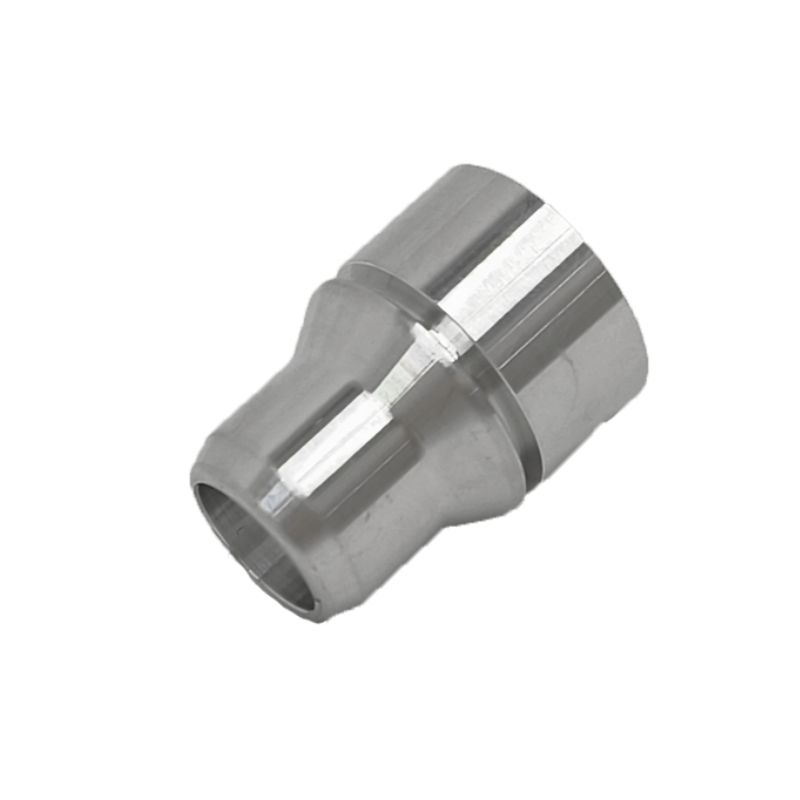
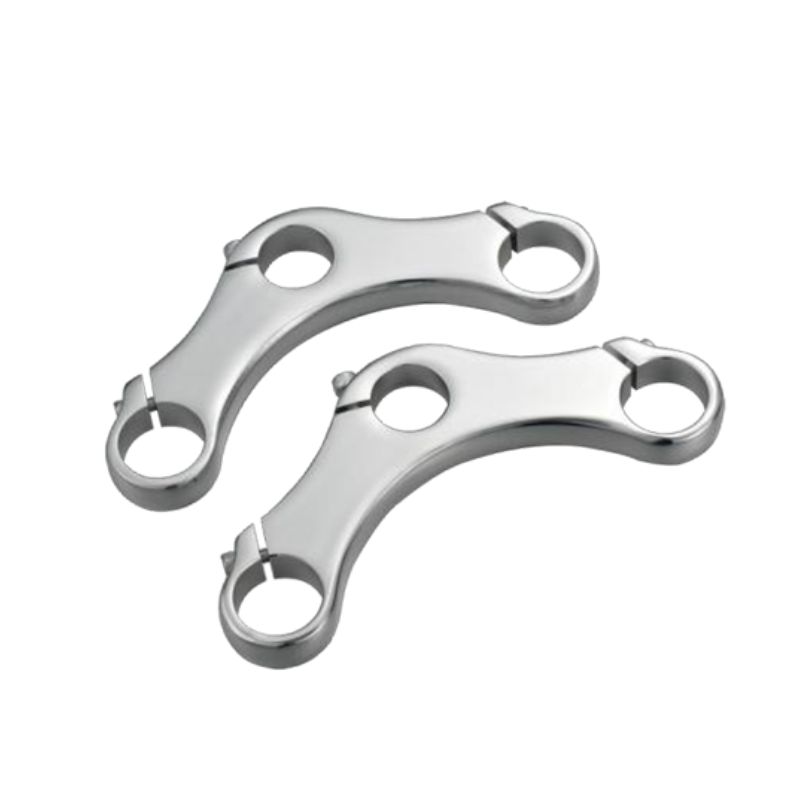
Motorcycle performance is a critical factor for both casual riders and racing enthusiasts. While many aspects influence a motorcycle’s capabilities, the materials used for its components play a significant role in improving performance, handling, and durability. Among these materials, aluminum stands out for its lightweight yet strong properties. Using advanced aluminum forging techniques can significantly enhance the performance and reliability of motorcycles. MINGYU Tech, a leader in precision forging technology, is at the forefront of developing cutting-edge aluminum forging methods that elevate motorcycle performance to new heights.
This article will explore the importance of aluminum in motorcycle manufacturing, the specific forging techniques used to create high-performance components, and how these techniques contribute to improved motorcycle performance.
Why Aluminum?
Aluminum has become the material of choice for many high-performance motorcycle components due to its unique combination of properties:
- Lightweight: Aluminum is significantly lighter than steel and other traditional materials used in motorcycle manufacturing. Reducing the overall weight of a motorcycle improves speed, fuel efficiency, and maneuverability. Lightweight components also reduce strain on the engine and suspension, leading to better overall performance.
- High Strength-to-Weight Ratio: Despite being light, aluminum boasts a high strength-to-weight ratio, making it ideal for parts that need to withstand heavy loads and stress. This makes aluminum perfect for critical components such as wheels, engine parts, and structural frames.
- Corrosion Resistance: Aluminum naturally forms a protective oxide layer when exposed to air, making it highly resistant to corrosion. This is especially valuable for motorcycles, which are often exposed to various weather conditions and environments.
- Heat Dissipation: Aluminum is an excellent conductor of heat, which helps in dissipating heat from the engine and other parts of the motorcycle. This contributes to longer engine life and more consistent performance under extreme conditions.
The Importance of Precision Forging
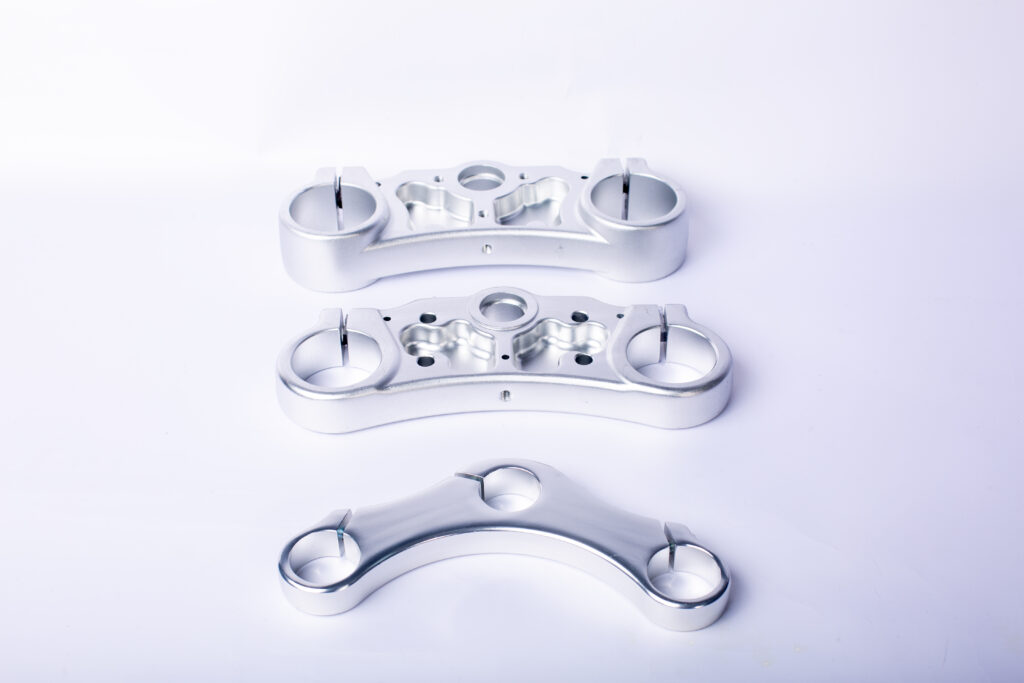
Forging is a manufacturing process that shapes metal by applying compressive forces. In precision aluminum forging, the metal is heated and pressed into a pre-designed mold or die, creating components with excellent mechanical properties. The precision in this process ensures that the components are not only strong but also shaped to exact dimensions, reducing the need for additional machining.
Compared to other manufacturing processes like casting or machining, forging offers several advantages:
- Improved Strength: Forged parts are stronger than cast or machined components because the metal’s grain structure follows the shape of the part, enhancing the part’s overall strength and fatigue resistance.
- Better Fatigue Resistance: The forging process aligns the aluminum’s grain structure, which significantly increases the component’s resistance to fatigue and stress. This is particularly important in high-stress areas of a motorcycle, such as the suspension system and engine.
- Weight Reduction: Forging allows manufacturers to use less material while still achieving the required strength, contributing to a lighter and more efficient motorcycle.
Precision Forging Techniques at MINGYU Tech
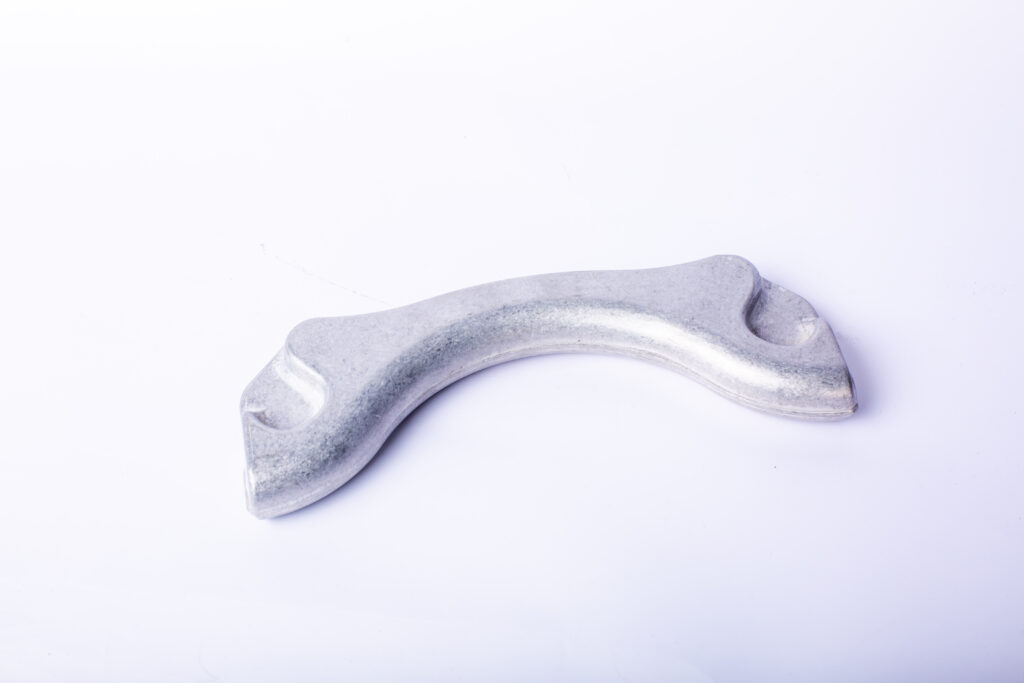
At MINGYU Tech, we specialize in advanced aluminum forging techniques that enhance the performance, durability, and reliability of motorcycle components. Here are some key techniques we use to deliver high-quality forged aluminum parts:
1. Closed-Die Forging
Closed-die forging, also known as impression-die forging, is one of the most commonly used techniques for manufacturing precision aluminum parts. In this process, heated aluminum is placed between two dies that contain the shape of the desired part. The dies are pressed together under high pressure, forcing the metal to fill the cavity and take on the shape of the mold.
Benefits:
- High Precision: This technique produces parts with very tight tolerances, ensuring a perfect fit with other motorcycle components.
- Superior Strength: Closed-die forging creates a refined grain structure, which results in components with higher tensile strength and fatigue resistance.
- Reduced Waste: The process minimizes material waste, making it more cost-effective and environmentally friendly.
2. Hot Forging
Hot forging involves heating the aluminum to a temperature above its recrystallization point before shaping it. This method allows the metal to be deformed more easily, reducing the risk of cracking and enhancing its ductility.
Benefits:
- Enhanced Ductility: By forging the aluminum at high temperatures, the material becomes more malleable, which is critical for creating complex shapes without compromising strength.
- Refined Grain Structure: The high temperature helps align the grain structure, which enhances the mechanical properties of the part, making it more resilient to fatigue and wear.
3. Cold Forging
Cold forging is performed at or near room temperature. While it requires higher pressures to form the aluminum, the process results in parts with excellent surface finishes and tighter tolerances.
Benefits:
- Increased Strength: Cold forging produces parts with higher strength due to the work-hardening effect of the metal during the process.
- Precision Finishing: Cold forging results in smooth surfaces and high dimensional accuracy, reducing the need for secondary machining.
- Cost Efficiency: Cold forging can be more cost-effective for certain applications, especially when high precision is required for smaller parts.

Applications in Motorcycle Performance
The precision aluminum forging techniques employed by MINGYU Tech are used to create a wide range of high-performance motorcycle components, including:
1. Wheels
Forged aluminum wheels are lightweight yet strong, improving a motorcycle’s handling and acceleration. The reduction in unsprung weight (the weight not supported by the suspension) allows for more responsive suspension, which enhances control and comfort during rides. Additionally, forged wheels have better resistance to impacts compared to cast wheels.
2. Suspension Components
Suspension systems are critical for ensuring a smooth ride and absorbing shocks from uneven terrain. Forged aluminum components such as forks, swingarms, and shock mounts are stronger and lighter, leading to better handling and increased durability in demanding riding conditions.
3. Engine Parts
Forged aluminum engine components, such as pistons and connecting rods, offer superior strength and heat resistance compared to their cast counterparts. This allows the engine to perform more efficiently, especially under high-stress conditions like racing or long-distance riding. Forged parts can withstand higher compression ratios and extreme temperatures, enhancing both power output and longevity.
4. Brake Components
Forged aluminum brake calipers and brackets provide superior strength and heat dissipation, resulting in more reliable braking performance. The lightweight nature of forged aluminum also reduces the overall weight of the braking system, which contributes to improved handling.

Conclusion
Precision aluminum forging is a game-changer in the motorcycle industry, offering a combination of lightweight properties, enhanced strength, and improved fatigue resistance. Through advanced forging techniques such as closed-die forging, hot forging, and cold forging, MINGYU Tech produces high-performance motorcycle components that contribute to better speed, handling, and overall durability.
Whether you are a casual rider or a racing enthusiast, choosing motorcycles equipped with forged aluminum components will ensure a higher level of performance and reliability. As a leader in precision forging, MINGYU Tech continues to push the boundaries of what is possible, helping manufacturers deliver motorcycles that offer superior performance and enhanced rider experience.