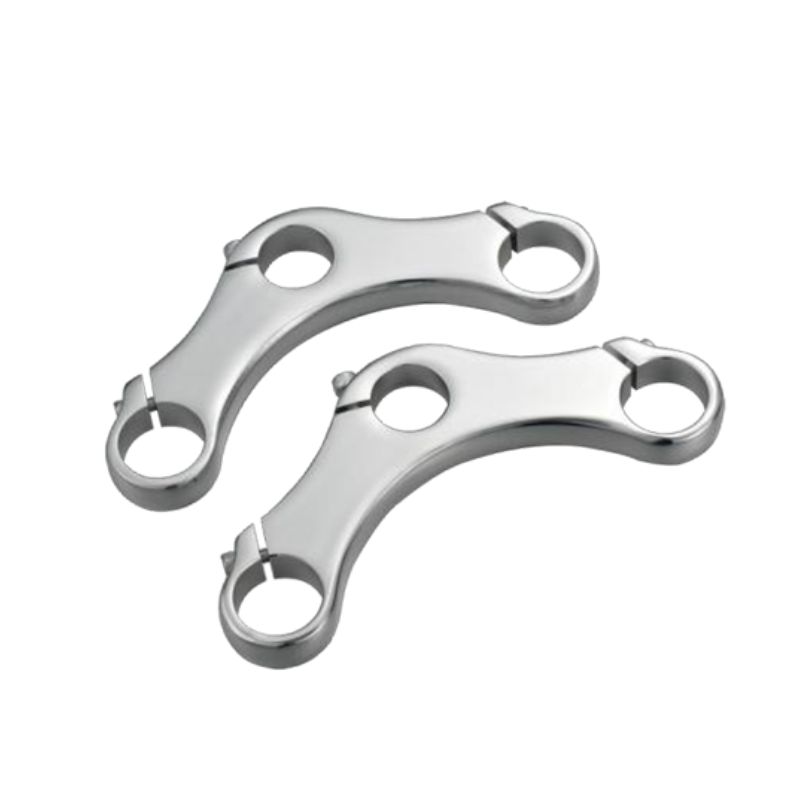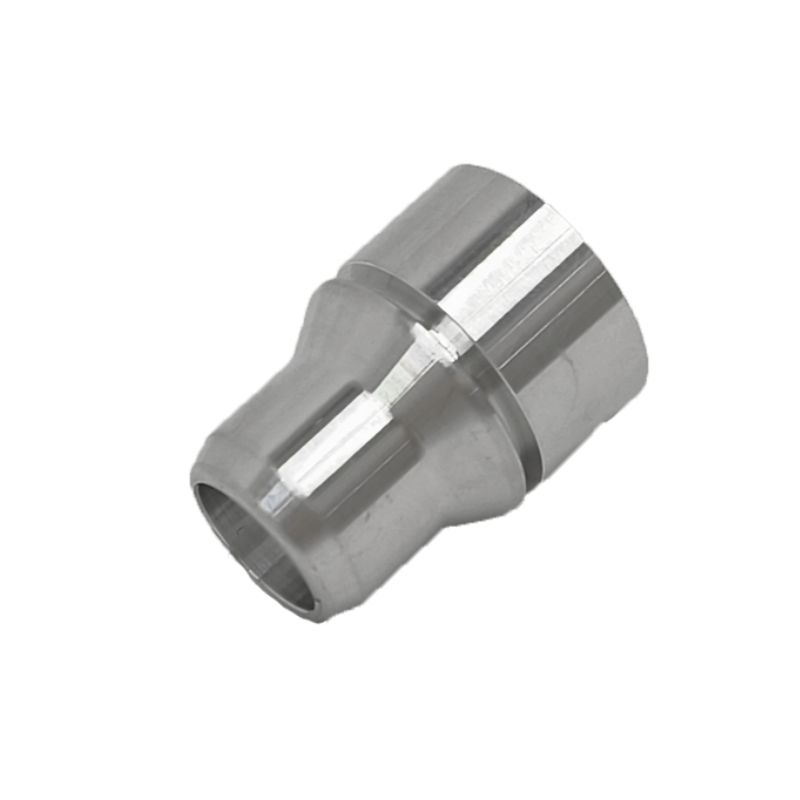
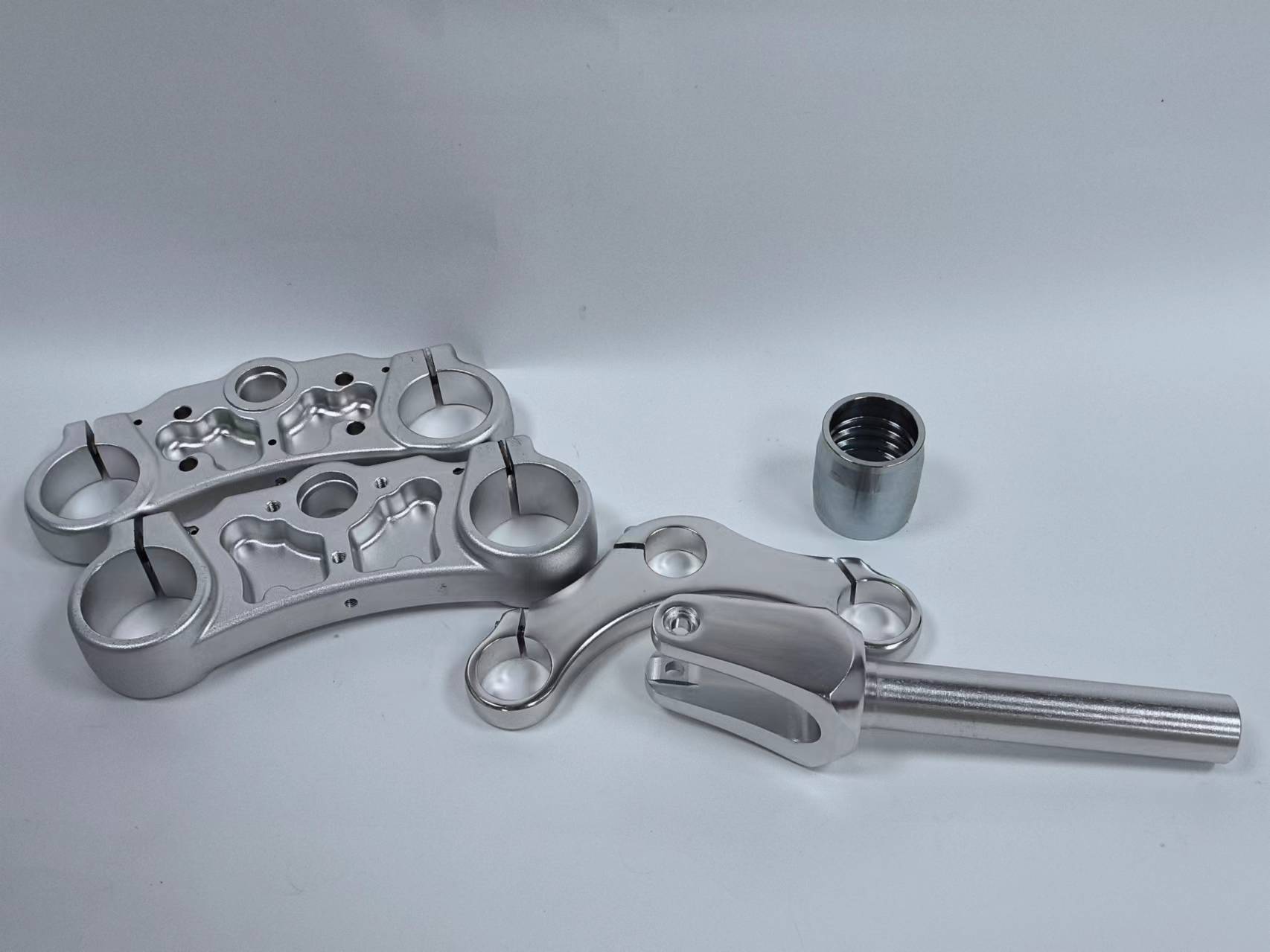
In modern manufacturing, the demand for lightweight, durable, and versatile materials has led to the increasing use of aluminum profiles in various industries. One area where aluminum profiles have proven particularly advantageous is in the manufacture of mechanical plastics. MINGYU Tech, a leader in innovative engineering solutions, leverages aluminum profiles to enhance the quality, precision, and efficiency of its mechanical plastics products. In this article, we explore the essential benefits of aluminum profiles in the manufacture of mechanical plastics and how they contribute to advanced manufacturing processes.
Understanding Aluminum Profiles
What are Aluminum Profiles?
Aluminum profiles are extruded shapes made from aluminum alloy, designed for a wide range of applications in various industries. They are lightweight, corrosion-resistant, and highly customizable, making them ideal for numerous manufacturing processes. Commonly used in frameworks, structures, and components, aluminum profiles have become indispensable in sectors like automotive, aerospace, construction, and, notably, mechanical plastics manufacturing.
Mechanical Plastics Overview
Mechanical plastics, also known as engineering plastics, are used in high-performance applications due to their superior strength, durability, and resistance to wear. These plastics are widely employed in industries such as automotive, electronics, medical devices, and construction. By incorporating aluminum profiles into the manufacturing process of mechanical plastics, companies like MINGYU Tech are able to create more efficient and reliable products.

Benefits of Aluminum Profiles in Mechanical Plastics Manufacturing
1. Lightweight and Durable
Reduced Weight with Strength
One of the most significant benefits of using aluminum profiles in mechanical plastics manufacturing is their lightweight nature. Despite their low density, aluminum profiles offer impressive strength and durability. This balance between weight and strength is particularly important in industries such as automotive and aerospace, where reducing the overall weight of components can lead to improved fuel efficiency and performance.
For MINGYU Tech, using aluminum profiles ensures that mechanical plastic components are not only lightweight but also durable enough to withstand demanding environments, from high-impact applications to extreme temperature fluctuations.
Resistance to Corrosion
Aluminum naturally forms a protective oxide layer on its surface, making it highly resistant to corrosion. This corrosion resistance is crucial in mechanical plastics manufacturing, as it ensures that components made with aluminum profiles maintain their integrity and functionality even in harsh environments such as industrial settings or outdoor use.
2. Enhanced Design Flexibility
Customizable Shapes and Sizes
Aluminum profiles offer an exceptional level of design flexibility, allowing manufacturers to create custom shapes and sizes to meet specific project requirements. The extrusion process makes it possible to produce complex profiles with intricate cross-sections, which can be adapted for different applications in mechanical plastics manufacturing.
MINGYU Tech takes full advantage of this flexibility by designing aluminum profiles that fit precisely into mechanical plastic components, optimizing the performance and functionality of the final product.
Integration with Other Materials
In mechanical plastics manufacturing, the ability to integrate multiple materials into a single product can significantly enhance its overall performance. Aluminum profiles can be easily combined with mechanical plastics, reinforcing the structure without adding significant weight. This hybrid approach allows manufacturers to create components that are both strong and lightweight, ideal for high-performance applications.
3. Improved Efficiency and Precision in Production
Cost-Effective Production
Aluminum profiles are not only durable and versatile but also cost-effective. The extrusion process for aluminum is highly efficient, resulting in minimal material waste and reduced production costs. Furthermore, the recyclability of aluminum contributes to sustainability efforts, reducing the environmental impact of manufacturing processes.
At MINGYU Tech, the use of aluminum profiles in mechanical plastics manufacturing has led to greater production efficiency, allowing the company to deliver high-quality products at competitive prices.
High Precision Manufacturing
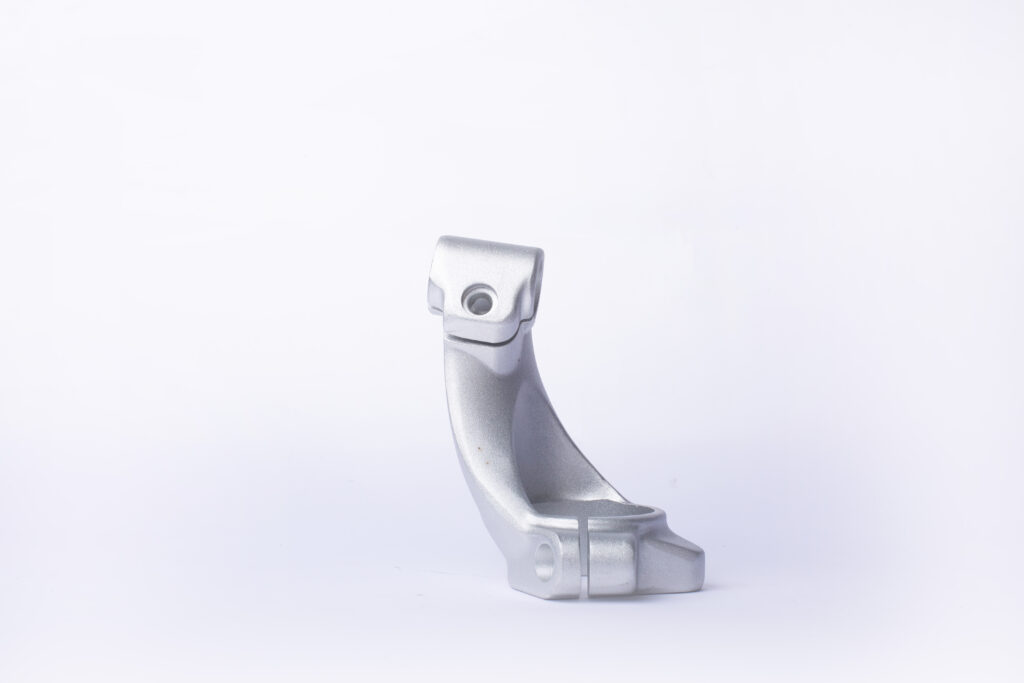
Precision is key in the production of mechanical plastics, particularly in applications where tight tolerances are required. Aluminum profiles provide the dimensional accuracy needed to ensure consistent product quality. Their stability during the manufacturing process helps maintain the integrity of complex shapes, making them ideal for applications that demand high precision.
By incorporating aluminum profiles, MINGYU Tech can ensure that mechanical plastic components meet exacting standards, contributing to the overall reliability of the final product.
4. Energy Efficiency
Lower Energy Consumption in Production
The production of aluminum profiles requires less energy compared to other metals, such as steel. This energy efficiency extends to the manufacturing of mechanical plastics, where the integration of aluminum profiles reduces the energy required for machining and assembly. Lower energy consumption translates into reduced operational costs and a smaller environmental footprint.
Recycling and Sustainability
Aluminum is one of the most recyclable materials available, and its recycling process requires only a fraction of the energy needed to produce new aluminum. MINGYU Tech’s commitment to sustainability is reflected in its use of recyclable aluminum profiles, contributing to the circular economy and minimizing waste in the production process.
5. Enhanced Thermal and Electrical Conductivity
Thermal Conductivity
Aluminum profiles exhibit excellent thermal conductivity, which can be an important factor in mechanical plastics manufacturing, particularly in applications where heat dissipation is critical. For example, in the automotive and electronics industries, components made from mechanical plastics may require effective heat management to ensure proper functioning. Aluminum profiles help transfer heat away from sensitive areas, improving the overall performance of the component.
Electrical Conductivity
In addition to thermal conductivity, aluminum is also a good conductor of electricity. This makes aluminum profiles useful in the manufacture of electrical and electronic components, where they can be used to improve the efficiency of electrical systems. MINGYU Tech incorporates aluminum profiles into mechanical plastic parts for electronic applications, ensuring both durability and reliable conductivity.

Conclusion
Aluminum profiles play a pivotal role in the manufacture of mechanical plastics, offering numerous benefits that enhance the quality and efficiency of production. Their lightweight yet durable nature, combined with design flexibility and cost-effectiveness, makes them an ideal choice for various industries. MINGYU Tech has successfully leveraged these advantages, incorporating aluminum profiles into its mechanical plastics manufacturing process to deliver high-performance products that meet the stringent demands of modern applications.
By choosing aluminum profiles, manufacturers can improve production efficiency, reduce costs, and create innovative products that stand the test of time. Whether in automotive, electronics, or other high-performance sectors, the integration of aluminum profiles in mechanical plastics manufacturing represents a forward-thinking approach that drives industry success.