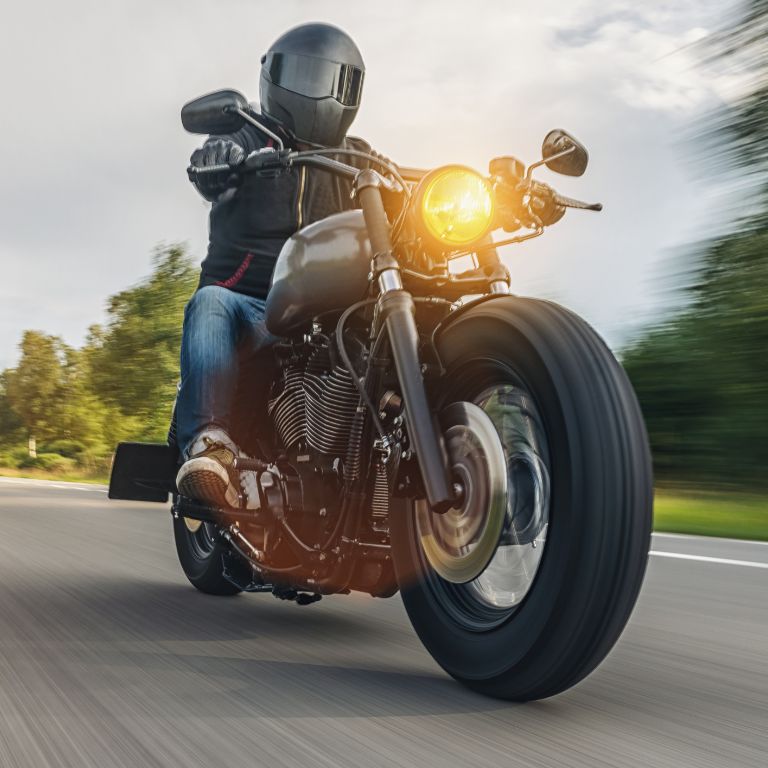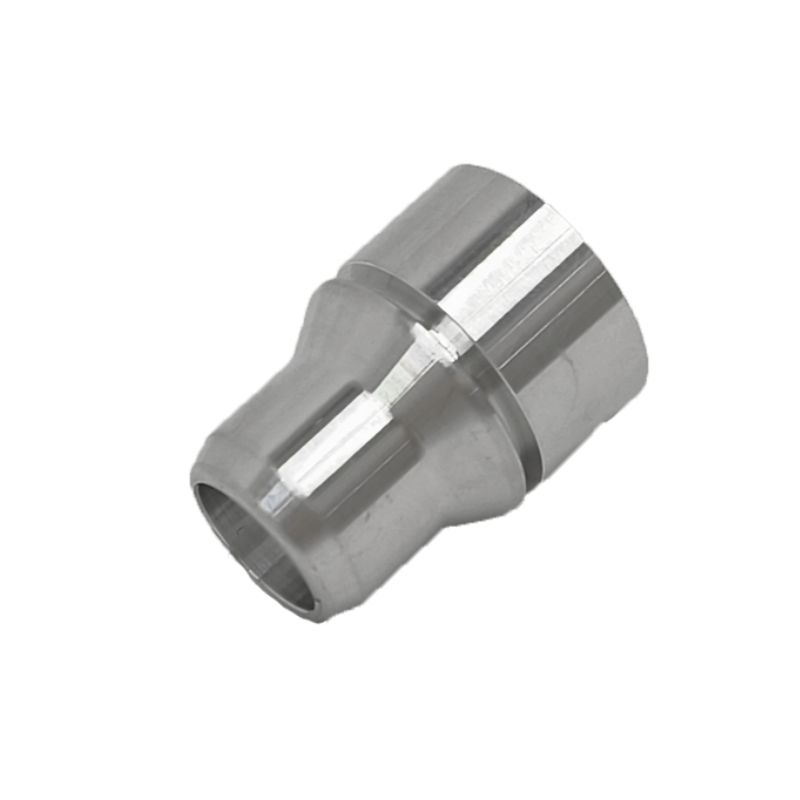
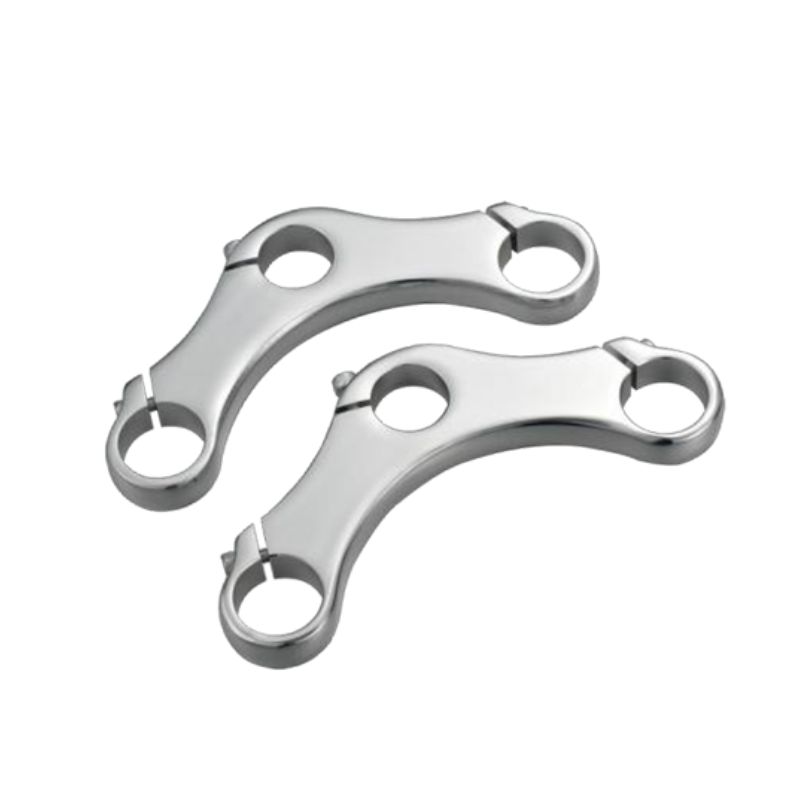
In the world of motorcycle manufacturing and customization, aluminum forging plays a critical role in the creation of durable, lightweight, and high-performance accessories. Motorcycle enthusiasts demand parts that not only enhance the aesthetic appeal of their bikes but also provide superior functionality and durability. MINGYU Tech, a leader in precision engineering, specializes in aluminum forging to produce top-quality motorcycle accessories. This article explores essential tips for aluminum forging and how it can be leveraged to improve motorcycle accessories.
Understanding Aluminum Forging
What is Aluminum Forging?
Aluminum forging is a manufacturing process in which aluminum is heated to a high temperature and then shaped under extreme pressure to create strong, durable components. Unlike casting or machining, forging aligns the grain structure of the aluminum, giving it improved mechanical properties such as increased strength, wear resistance, and toughness.
This process is widely used in the production of motorcycle accessories because of its ability to produce parts that are both lightweight and incredibly strong. MINGYU Tech has perfected the art of aluminum forging, providing motorcycle enthusiasts with high-performance accessories designed for both safety and style.

Why Aluminum for Motorcycle Accessories?
Aluminum is the material of choice for motorcycle accessories for several reasons:
- Lightweight: Aluminum is significantly lighter than steel, reducing the overall weight of the motorcycle without sacrificing strength.
- Corrosion Resistance: Aluminum naturally forms a protective oxide layer, making it resistant to corrosion and ideal for outdoor use.
- Malleability: Aluminum can be easily shaped into intricate designs, making it a versatile material for creating custom parts.
- Heat Dissipation: Aluminum has excellent thermal conductivity, which helps in cooling parts like brake systems and engine components.
Essential Tips for Aluminum Forging
1. Choosing the Right Aluminum Alloy
Consider the Application
Not all aluminum alloys are the same. Selecting the right aluminum alloy is crucial for ensuring that your motorcycle accessories have the desired properties. For most motorcycle accessories, the 6000 and 7000 series aluminum alloys are popular choices. These alloys offer excellent strength, corrosion resistance, and machinability.
- 6000 Series (6061): Known for its versatility, 6061 aluminum is easy to machine and offers good corrosion resistance. It’s ideal for accessories like frames, handlebars, and brackets.
- 7000 Series (7075): This series offers even higher strength and is often used in critical components like foot pegs, levers, and suspension parts where strength and durability are essential.
Heat Treatment for Improved Properties
Heat treatment is another important consideration when working with aluminum alloys. Post-forging heat treatments such as T6 tempering can improve the hardness, strength, and wear resistance of forged components. MINGYU Tech uses advanced heat treatment processes to ensure that their forged aluminum parts are optimized for performance and durability.
2. Precision in Die Design
Importance of Custom Dies
The die design plays a vital role in the aluminum forging process, as it determines the final shape of the motorcycle accessory. For complex parts like brake levers, footrests, or gear shifters, the die must be designed with precision to ensure accurate reproduction of the desired shape. Custom dies tailored to the specific part help improve the quality and functionality of the forged accessory.
At MINGYU Tech, our experienced engineers focus on creating high-precision dies to ensure every motorcycle accessory we produce meets the highest standards of quality and performance.
Designing for Strength
When designing a die for motorcycle accessories, it’s important to consider the load-bearing points and potential stress areas. Parts like brake pedals and handlebar mounts need to withstand significant stress and vibration during use. By optimizing the die design for these stress points, the forged aluminum part will have better structural integrity and longevity.
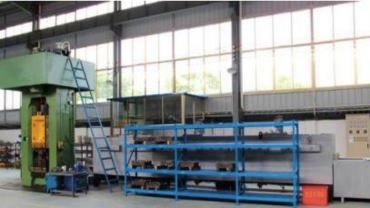
3. Forging Temperature Control
Proper Heating for Aluminum
Forging temperature is critical in the aluminum forging process. The aluminum needs to be heated to the correct temperature range (typically between 375°C and 450°C) before being shaped. If the temperature is too low, the aluminum may crack during forging. If it’s too high, the material may become too soft, resulting in poor mechanical properties.
MINGYU Tech utilizes precise temperature control systems during the forging process to ensure the aluminum is heated to the optimal temperature, maintaining the balance between malleability and strength.
Avoiding Overheating
Overheating aluminum can lead to surface defects such as scale formation or loss of structural integrity. This is especially important for motorcycle accessories, where even a small defect can compromise performance or safety. Using controlled heating methods ensures a clean, high-quality finish on the final product.
4. Post-Forging Finishing and Surface Treatment
CNC Machining for Precision
After forging, CNC machining is often used to refine the part’s dimensions and add intricate details. This post-forging process ensures that the motorcycle accessory meets tight tolerances and functional specifications. MINGYU Tech employs state-of-the-art CNC machines to ensure precision and consistency across all forged components.
Surface Treatments for Durability and Aesthetics
To further enhance the performance and aesthetic appeal of aluminum-forged motorcycle accessories, surface treatments such as anodizing, powder coating, or polishing are recommended. Anodizing not only improves corrosion resistance but also allows for the addition of vibrant colors to customize the look of the accessory. Powder coating offers excellent protection against wear and environmental elements, while polishing gives parts a sleek, high-gloss finish.
MINGYU Tech offers a variety of finishing options, allowing motorcycle enthusiasts to personalize their bikes with parts that not only perform well but also look great.
5. Quality Control and Testing
Ensuring Performance and Safety
Motorcycle accessories need to meet strict quality and safety standards. During the forging process, parts can develop internal defects that may not be visible to the naked eye. MINGYU Tech employs rigorous quality control measures, including X-ray inspection, tensile testing, and fatigue analysis, to ensure that every forged aluminum part meets the highest standards of safety and performance.
Continuous Improvement
Regular testing and refinement of the forging process ensure that MINGYU Tech continues to deliver cutting-edge products. Our commitment to continuous improvement allows us to stay at the forefront of motorcycle accessory manufacturing, ensuring that our customers receive the best products possible.

Conclusion
Aluminum forging is a critical process in the production of high-quality motorcycle accessories. By following essential tips such as selecting the right alloy, precision in die design, maintaining proper forging temperature, and applying post-forging finishing techniques, manufacturers like MINGYU Tech can create accessories that meet the demands of performance, safety, and aesthetics.
Whether you’re looking to enhance your bike’s functionality or simply upgrade its appearance, forged aluminum parts offer a superior combination of strength, durability, and lightweight performance. At MINGYU Tech, we are committed to delivering top-tier aluminum-forged motorcycle accessories that provide the ultimate riding experience.
Product: Aluminum Cover Board