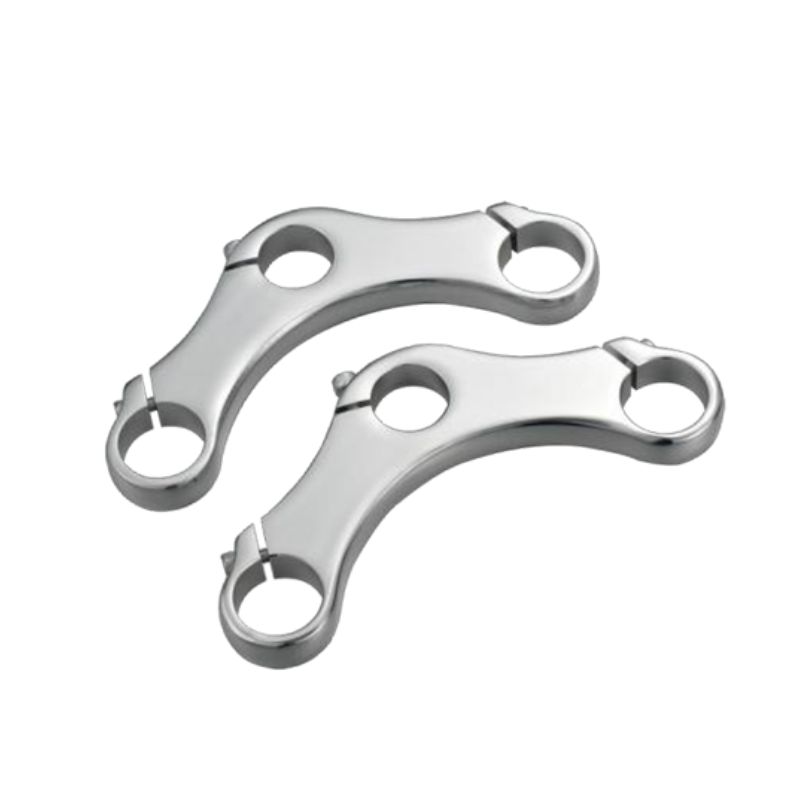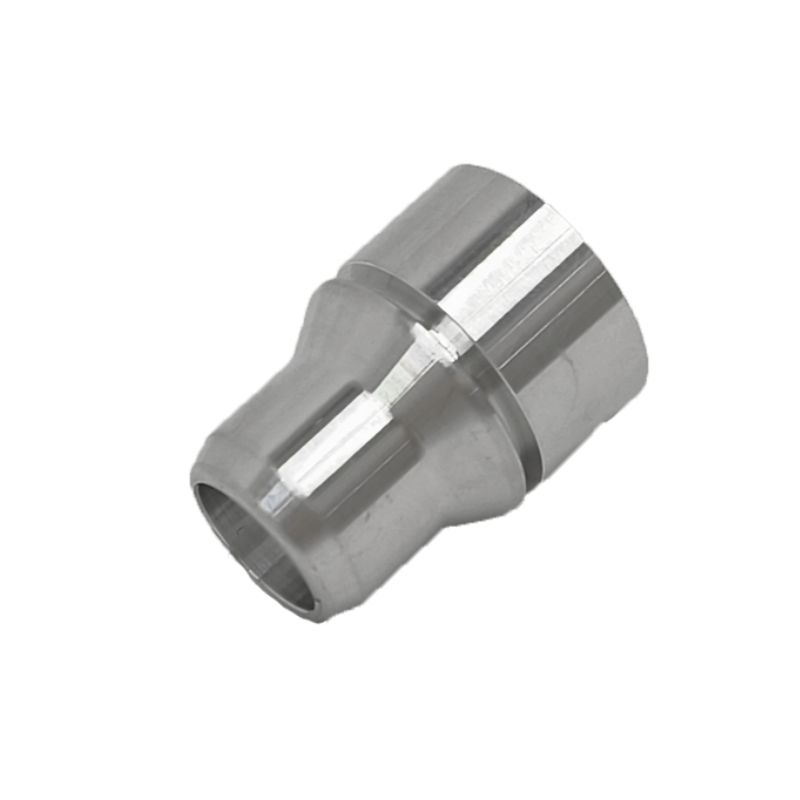
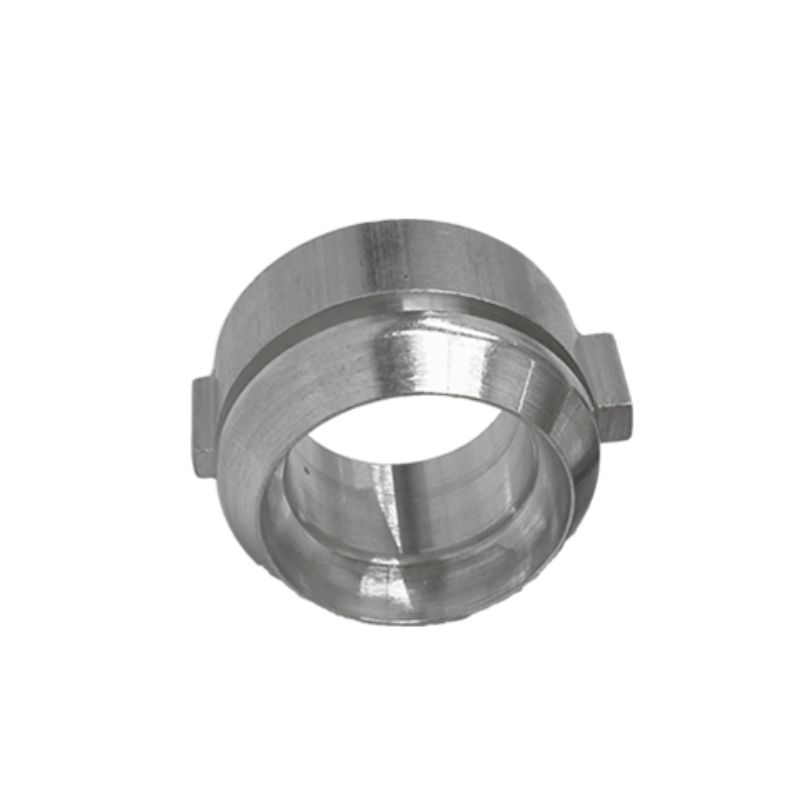
Aluminum extrusion is a manufacturing process that transforms aluminum alloy into objects with a definitive cross-sectional profile. This method is widely utilized in industries ranging from automotive and aerospace to construction and consumer goods, primarily due to the lightweight, corrosion-resistant, and strong nature of aluminum. MINGYU Tech, a leader in innovative manufacturing solutions, offers insights into the process, benefits, and applications of aluminum extrusion. This guide will explore how aluminum extrusion works and why it’s a preferred method for creating complex and durable components.
What Is Aluminum Extrusion?
Aluminum extrusion is a process where aluminum is heated and forced through a die to create parts with a specific cross-sectional shape. The extrusion process begins with a cylindrical billet of aluminum, which is heated to around 900°F (480°C) to soften it for shaping. The softened aluminum is then pushed through a die with the desired profile, similar to how toothpaste is squeezed out of a tube.
Once extruded, the aluminum is cooled, stretched to straighten it, and cut to the required length. It can then undergo further treatments such as heat-treating, anodizing, or painting to enhance its properties. This process allows manufacturers to create intricate, lightweight, and durable components in a wide range of shapes and sizes.
How Does the Aluminum Extrusion Process Work?
Here’s a breakdown of the aluminum extrusion process:
- Preparation of the Billet: Aluminum billets, which are cylindrical blocks of raw aluminum, are preheated to a temperature between 800°F and 925°F (426°C and 496°C). This heating softens the aluminum without melting it, making it pliable for extrusion.
- Extrusion: The softened billet is forced into an extrusion press, where it is pushed through a die. The die is designed to shape the aluminum into the required cross-sectional profile. The extrusion process can be direct or indirect:
- Direct Extrusion: The ram pushes the billet through a stationary die.
- Indirect Extrusion: The die is pushed through the stationary billet.
- Cooling: Once the aluminum has passed through the die, it is rapidly cooled using air or water to solidify its shape. Cooling is an essential step to retain the dimensional accuracy of the extruded part.
- Stretching: After cooling, the extruded aluminum may be stretched to correct any twisting or bending that occurred during the extrusion process. This helps ensure that the finished part is straight and free from distortions.
- Cutting and Finishing: The extruded aluminum is cut to the desired length. At this stage, it can undergo additional processes such as heat treatment, surface finishing, or machining to enhance its strength, corrosion resistance, or aesthetic appeal.
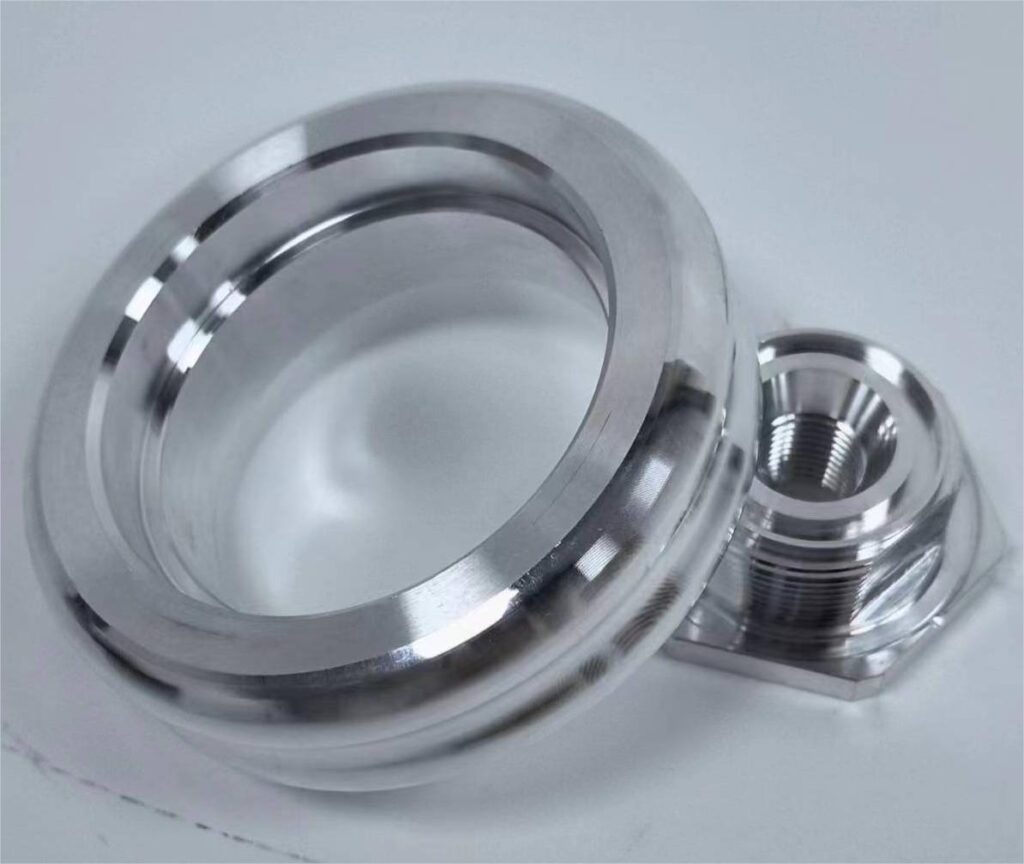
Types of Aluminum Extrusion
There are several types of aluminum extrusion processes, each suited to different applications:
- Solid Profiles: These profiles have no enclosed voids or openings, such as bars or rods.
- Hollow Profiles: These profiles contain one or more voids, like square or rectangular tubing.
- Semi-Hollow Profiles: These are similar to hollow profiles but have a narrower void or gap.
Advantages of Aluminum Extrusion
Aluminum extrusion is a versatile and cost-effective manufacturing process, offering several key benefits:
- Lightweight and Strong: Aluminum is known for its excellent strength-to-weight ratio, making it ideal for applications where weight reduction is important, such as in the automotive and aerospace industries.
- Corrosion Resistance: Aluminum naturally forms a protective oxide layer that makes it resistant to corrosion, even in harsh environments like marine or outdoor applications.
- Design Flexibility: The extrusion process allows for complex and intricate cross-sectional designs that are difficult or impossible to achieve through other manufacturing methods.
- Cost-Efficient: Aluminum is an abundant material, and the extrusion process is highly efficient, reducing waste and keeping production costs low, especially for high-volume runs.
- Recyclability: Aluminum is fully recyclable without losing its properties, making it an environmentally friendly option for manufacturers looking to reduce their carbon footprint.
Common Applications of Aluminum Extrusion
Aluminum extrusions are used in a wide variety of industries and applications, including:
- Construction: Structural components like window frames, doors, curtain walls, and roofing.
- Automotive: Lightweight components like crash management systems, bumpers, and chassis parts.
- Aerospace: Aircraft components that require high strength and low weight.
- Consumer Goods: Products like furniture, electronics, and kitchen appliances.
- Industrial Equipment: Machinery frames, conveyor systems, and electrical enclosures.

Surface Finishing Options for Aluminum Extrusions
After the extrusion process, aluminum can be treated with various surface finishes to enhance its appearance, durability, and performance. Some common surface finishing options include:
- Anodizing: A process that increases the thickness of the natural oxide layer, improving corrosion resistance and allowing for coloring.
- Powder Coating: Provides a durable, protective finish in a wide variety of colors and textures.
- Polishing or Brushing: Enhances the aesthetic appeal by giving the surface a smooth, reflective, or textured look.
Q&A: Common Questions About Aluminum Extrusion
Q1: What are the main advantages of aluminum extrusion over other manufacturing methods?
A1: Aluminum extrusion offers significant advantages in terms of design flexibility, material strength, and cost-efficiency. It allows for complex shapes and lightweight yet strong components that are resistant to corrosion. Additionally, aluminum is easily recyclable, making it a sustainable option for manufacturers.
Q2: How long does the aluminum extrusion process take?
A2: The extrusion process itself is relatively fast, but the overall timeline depends on the complexity of the profile, the size of the order, and any finishing treatments required. Typically, for standard profiles, the process can take a few days to a few weeks from design to delivery.
Q3: Can aluminum extrusion be used for both small and large-scale production?
A3: Yes, aluminum extrusion is highly scalable. It’s commonly used for both low-volume custom projects and large-scale production runs. For smaller quantities or prototypes, the setup costs are manageable, while large runs benefit from the cost-efficiency of mass production.
Q4: How does the strength of extruded aluminum compare to other materials like steel?
A4: While steel is stronger by weight, extruded aluminum has a higher strength-to-weight ratio, making it ideal for applications where weight reduction is crucial, such as in aerospace or automotive industries. Aluminum’s inherent corrosion resistance also makes it more suitable for certain environments compared to untreated steel.
Q5: Are custom shapes possible with aluminum extrusion?
A5: Absolutely. One of the biggest advantages of aluminum extrusion is the ability to create custom cross-sectional profiles tailored to specific design requirements. MINGYU Tech works with clients to develop bespoke profiles that meet exact specifications.
Conclusion
Aluminum extrusion is a versatile and cost-effective manufacturing process that offers numerous benefits, from lightweight strength to design flexibility. Its wide range of applications in industries like construction, automotive, aerospace, and consumer goods underscores its importance in modern manufacturing. MINGYU Tech is proud to be at the forefront of this technology, helping clients achieve efficient, high-quality production with customized solutions. Whether you’re looking for small prototype runs or large-scale production, aluminum extrusion is a reliable and sustainable option for your manufacturing needs.