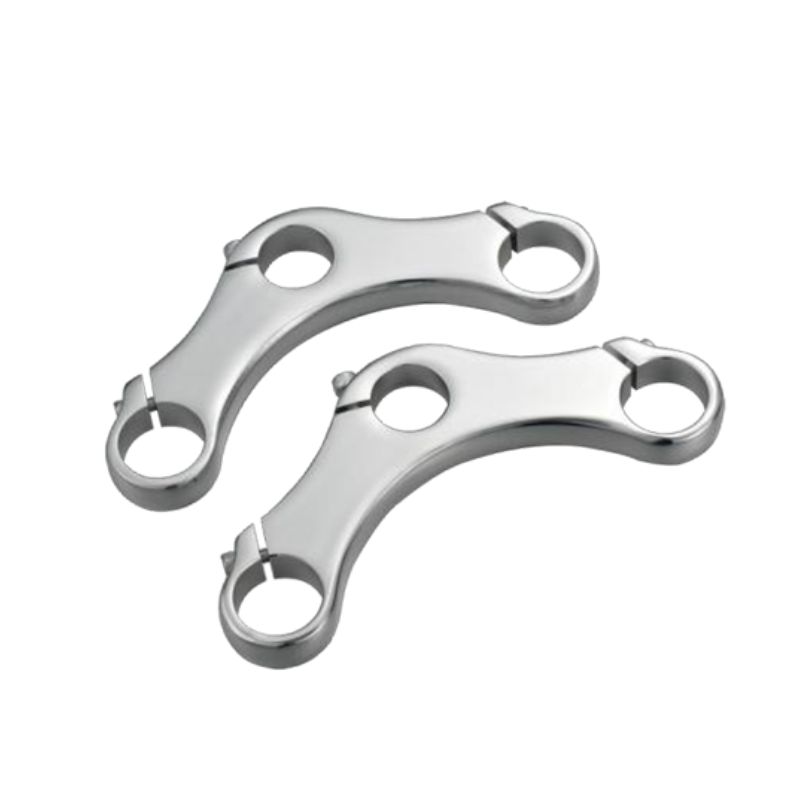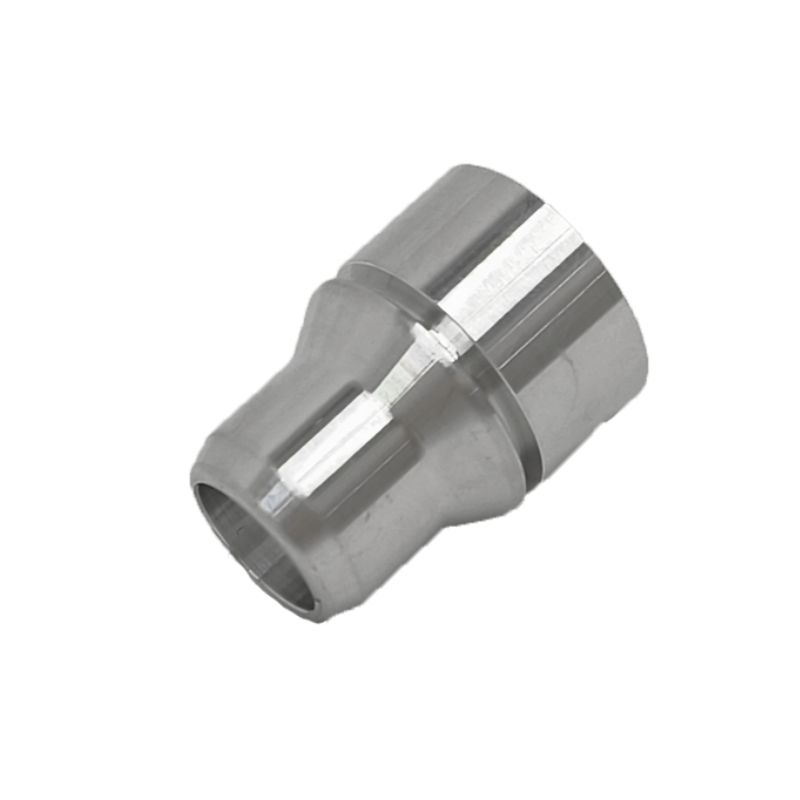
The world of manufacturing and hardware production is undergoing a significant transformation, driven by advancements in material science and machining technology. Among these developments, aluminum machining has emerged as a game-changer in the production of precision hardware, offering unique advantages that are helping manufacturers meet the growing demands for efficiency, accuracy, and innovation. Companies like MINGYU Tech are at the forefront of this evolution, leveraging the properties of aluminum to create high-quality, lightweight, and durable components for a variety of industries. In this article, we’ll explore how aluminum machining is revolutionizing the precision hardware industry and examine some recent industry news and trends that are shaping the future of this technology.
The Role of Aluminum in Precision Hardware Manufacturing
Aluminum has long been known for its exceptional properties, such as lightweight, high strength-to-weight ratio, and excellent corrosion resistance. These characteristics make it an ideal material for manufacturing precision hardware components used in automotive, aerospace, electronics, and consumer goods industries.
The machinability of aluminum is one of its standout features. Compared to other metals like steel or titanium, aluminum is easier to cut, shape, and drill. This ease of machining translates into shorter production times, reduced tool wear, and lower overall production costs. As a result, aluminum machining has become the preferred method for producing precision parts that require intricate designs, tight tolerances, and high-quality finishes.

Advantages of Aluminum Machining for Precision Hardware
- Lightweight Properties and High Strength-to-Weight Ratio
One of the primary reasons manufacturers choose aluminum for precision hardware is its lightweight nature. Aluminum’s high strength-to-weight ratio means that parts made from this material can offer superior performance without adding unnecessary weight. This is particularly important in industries like aerospace and automotive, where reducing weight contributes to fuel efficiency and overall performance.
- Excellent Thermal and Electrical Conductivity
Aluminum’s high thermal and electrical conductivity makes it ideal for applications where heat dissipation or electrical performance is critical. For example, heat sinks and electronic enclosures made from aluminum can efficiently dissipate heat, ensuring that electronic components remain cool and operate reliably.
- Corrosion Resistance and Durability
The natural oxide layer that forms on aluminum’s surface provides excellent corrosion resistance, making it suitable for use in harsh environments. Precision hardware components made from aluminum can withstand exposure to moisture, chemicals, and varying temperatures, ensuring long-term durability and performance.
- Ease of Machining and Surface Finishing
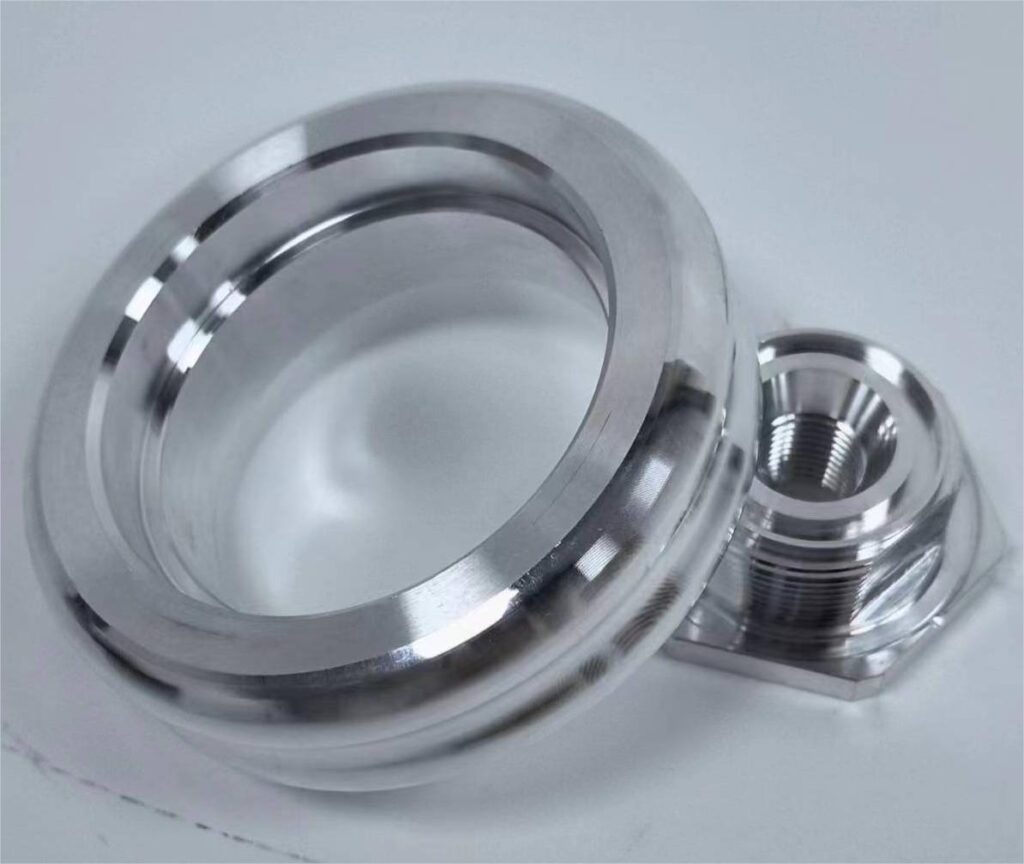
Aluminum is easier to machine than many other metals, allowing manufacturers to create complex geometries and detailed features with high precision. Additionally, aluminum components can be easily finished using a variety of methods, such as anodizing, powder coating, or polishing, enhancing both their aesthetic appeal and functional properties.
- Cost Efficiency and Sustainability
Aluminum is widely available and more affordable than many other metals used in precision hardware manufacturing. Its ease of machining also reduces energy consumption and tool wear, further lowering production costs. Additionally, aluminum is 100% recyclable, making it a sustainable choice for manufacturers looking to reduce their environmental footprint.
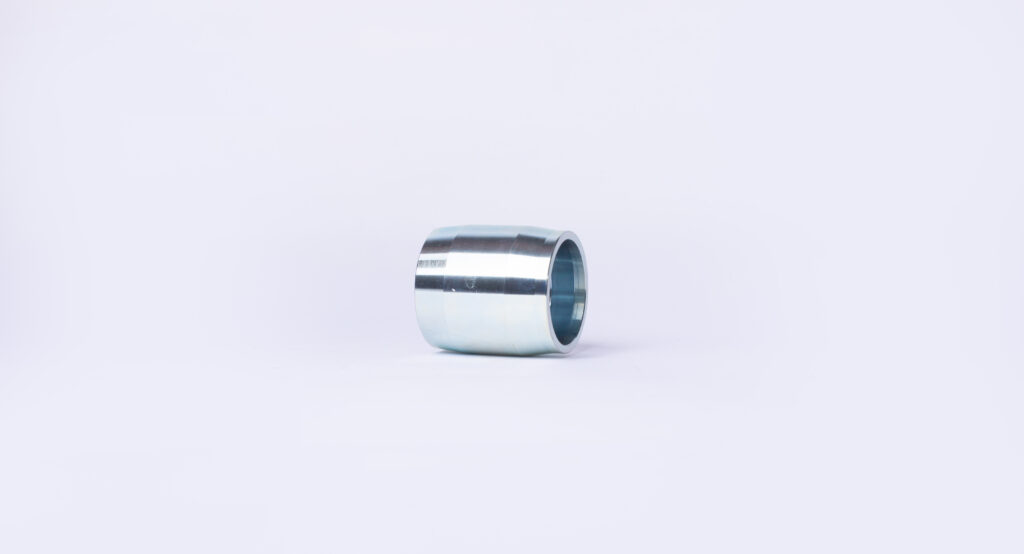
How MINGYU Tech is Leveraging Aluminum Machining
MINGYU Tech is a leader in precision hardware manufacturing, specializing in aluminum machining to produce high-quality components for various industries. By combining state-of-the-art CNC machining technology with advanced engineering capabilities, MINGYU Tech is able to create parts that meet the strictest standards of accuracy and performance.
The company’s aluminum machining services include a comprehensive range of operations, such as milling, turning, drilling, and surface finishing. MINGYU Tech utilizes advanced CAD/CAM software and automated machinery to achieve precise tolerances, ensuring that each component is manufactured to exact specifications. This level of precision is crucial for applications where even the slightest deviation can affect the performance or safety of the final product.
In addition to standard aluminum machining, MINGYU Tech offers custom solutions for clients with unique requirements. Whether it’s developing prototypes for a new product or optimizing designs for large-scale production, MINGYU Tech’s expertise in aluminum machining enables it to deliver superior results while maintaining flexibility and cost efficiency.
Industry Trends: The Future of Aluminum Machining in Precision Hardware
The precision hardware industry is witnessing several key trends that are shaping the future of aluminum machining. According to a recent report by MarketsandMarkets, the global aluminum machining market is expected to grow at a compound annual growth rate (CAGR) of 6.3% between 2021 and 2026. This growth is driven by increasing demand for lightweight and high-performance components across various sectors, including automotive, aerospace, and electronics.
One significant trend is the integration of automation and digital technologies in machining processes. Automated CNC machines equipped with AI and machine learning capabilities are helping manufacturers optimize machining operations, reduce errors, and increase production speed. These advancements are particularly beneficial for aluminum machining, where precision and repeatability are essential.
Another emerging trend is the use of additive manufacturing (3D printing) in combination with aluminum machining. Additive manufacturing allows for the creation of complex, lightweight structures that are difficult or impossible to achieve through traditional machining methods. When combined with precision aluminum machining, manufacturers can produce hybrid components that offer enhanced performance and functionality.
The push for sustainability and eco-friendly manufacturing is also influencing the industry. As more companies adopt environmentally conscious practices, the use of recyclable materials like aluminum is becoming a priority. Manufacturers are implementing closed-loop recycling systems to reuse aluminum scrap, minimizing waste and reducing the environmental impact of production.
Recent Industry News
The adoption of aluminum machining is expanding rapidly, with several recent developments highlighting its growing importance:
- Automotive Industry Embraces Lightweight Aluminum Components
Major automakers like Tesla and Ford are increasingly incorporating aluminum parts into their vehicle designs to reduce weight and improve fuel efficiency. This trend is driving demand for precision aluminum machining services. - Aerospace Industry Invests in High-Precision Aluminum Machining
Aerospace companies are investing in advanced aluminum machining technologies to produce lightweight, high-strength components for aircraft and spacecraft. This investment is expected to boost innovation and accelerate production timelines. - Electronics Sector Seeks Efficient Heat Dissipation Solutions
The electronics industry is turning to aluminum for its excellent thermal properties. Manufacturers are using aluminum machining to produce heat sinks and enclosures that ensure the optimal performance of electronic devices.
Conclusion
Aluminum machining is playing a pivotal role in shaping the future of precision hardware manufacturing. Its unique combination of properties, such as lightweight, high strength, and machinability, makes it an ideal material for producing high-quality components that meet the demands of modern industries. Companies like MINGYU Tech are at the cutting edge of this technology, utilizing precision aluminum machining to deliver superior products that drive innovation and performance. As the industry continues to evolve, the use of aluminum is set to become even more widespread, paving the way for new advancements and opportunities in precision hardware manufacturing.