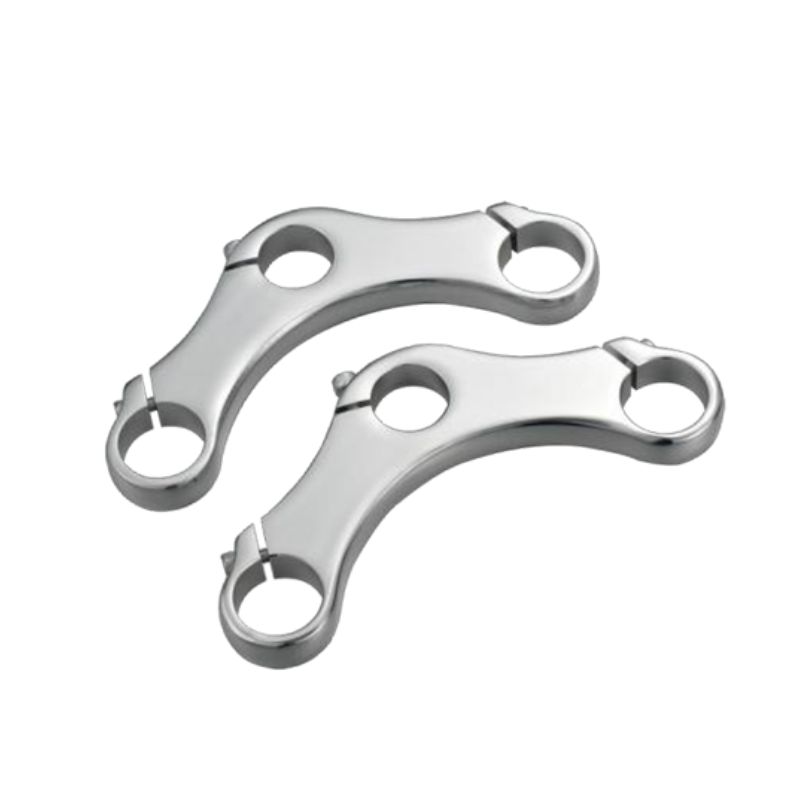
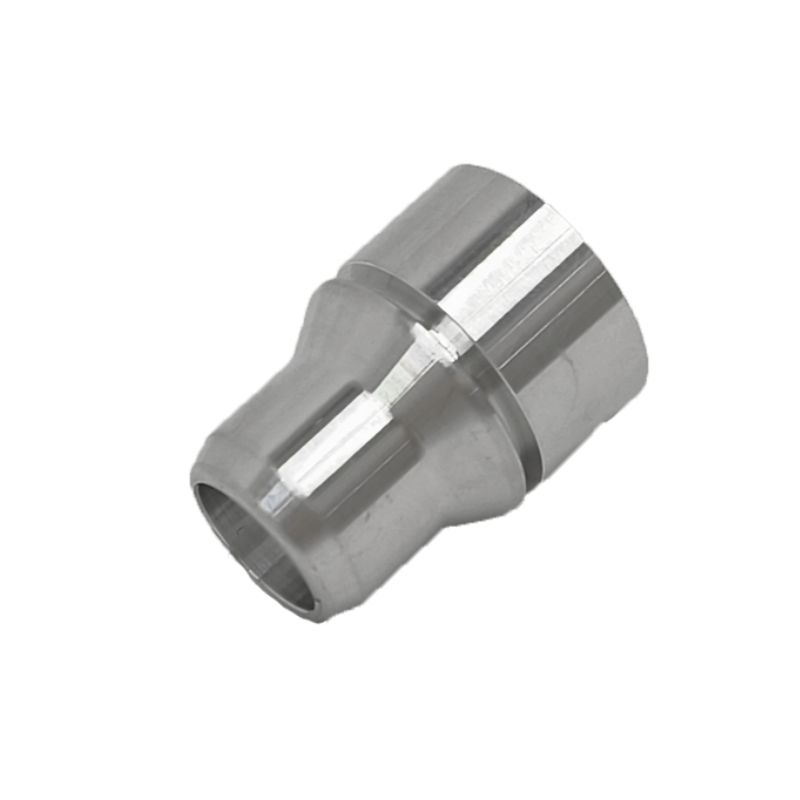
Precision hardware plays a vital role in various industries, from electronics and automotive to aerospace and medical devices. These components, often small but critical, require the highest level of accuracy to ensure they function properly in their applications. At MINGYU Tech, we specialize in producing high-quality precision hardware with cutting-edge technology and stringent quality control measures. This article will walk you through the manufacturing process of precision hardware and highlight the key steps involved in ensuring consistent quality and performance.
What Is Precision Hardware?
Precision hardware refers to small, intricately designed components that are manufactured with high levels of accuracy and tight tolerances. These parts include screws, fasteners, pins, gears, and other hardware that must meet exact specifications to ensure reliable performance in various industrial applications. Precision hardware often involves tolerances as tight as ±0.001 mm, ensuring minimal deviations from the original design.

Manufacturing Process of Precision Hardware
The manufacturing process of precision hardware requires advanced equipment and strict adherence to quality standards. Here’s a step-by-step guide to the process employed by MINGYU Tech:
1. Design and Prototyping
The first step in manufacturing precision hardware is creating a detailed design of the component. This involves using CAD (Computer-Aided Design) software to develop a 3D model that defines the exact specifications, including dimensions, materials, and tolerances. Once the design is completed, a prototype is produced to test the component’s functionality and compatibility with the intended application.
2. Material Selection
The choice of material is crucial to the performance and durability of precision hardware. Materials are selected based on the application, environmental conditions, and required mechanical properties. Common materials used in precision hardware manufacturing include:
- Stainless Steel: Known for its strength, corrosion resistance, and durability. It is widely used in applications requiring high strength and resistance to wear.
- Aluminum: Lightweight and corrosion-resistant, aluminum is often used in aerospace and automotive components.
- Brass: Brass is used for its conductivity and machinability, making it ideal for electrical components.
- Titanium: Titanium offers an excellent strength-to-weight ratio, making it suitable for aerospace and medical devices.
After material selection, it is critical to ensure that the raw material meets specific quality standards, such as ISO 9001 certification, which ensures that the material’s properties match the required parameters.
3. CNC Machining
Once the prototype has been tested and the material is selected, the actual manufacturing process begins. One of the most common methods for producing precision hardware is CNC (Computer Numerical Control) machining. CNC machines are used to cut, mill, and drill the material to achieve the desired shape with high precision.
- Tolerances: CNC machines at MINGYU Tech can achieve tolerances as tight as ±0.005 mm, ensuring that the final product meets the exact dimensions and specifications.
- Speed: CNC machines operate at high speeds, with some machines reaching cutting speeds of 5,000 to 10,000 RPM, depending on the material and complexity of the part.
- Multi-Axis Machining: For complex parts, multi-axis CNC machines are used. These machines allow for movement in multiple directions, making it possible to create intricate geometries without the need for multiple setups.
4. Heat Treatment
After the machining process, some precision hardware components may require heat treatment to enhance their mechanical properties. Heat treatment involves heating the material to a specific temperature and then cooling it under controlled conditions to improve its hardness, strength, and durability.
- Hardness: For example, stainless steel parts can be heat-treated to reach a hardness of up to 60 HRC (Rockwell Hardness), which makes them more wear-resistant.
- Strength: Heat treatment can also improve tensile strength, which is crucial for parts subjected to heavy loads or stress.
5. Surface Finishing
Surface finishing is essential to enhance the appearance, durability, and functionality of precision hardware. Various finishing techniques are used depending on the application:
- Polishing: Polishing removes surface imperfections and provides a smooth, shiny finish. This is particularly important for aesthetic applications or components that require low friction.
- Plating: Metal plating (such as zinc or nickel plating) adds a protective layer to the component, preventing corrosion and improving the part’s lifespan.
- Anodizing: For aluminum parts, anodizing can improve corrosion resistance and provide an attractive, colored finish.
Surface finishing typically results in a smoother finish with roughness values as low as Ra 0.2 microns, which ensures that the part has the desired texture and appearance.
6. Quality Control and Inspection
Quality control is an integral part of precision hardware manufacturing. At MINGYU Tech, we employ advanced CMM (Coordinate Measuring Machines) to ensure that every component meets the required tolerances and specifications. These machines measure the part’s dimensions with an accuracy of ±0.001 mm, identifying any deviations from the original design.
Additionally, optical inspection systems are used to verify surface quality and ensure that the component is free from defects such as burrs, scratches, or irregularities.
7. Assembly and Packaging
In some cases, precision hardware components are assembled into larger systems. At MINGYU Tech , we also provide assembly services for clients who require pre-assembled parts. Once the parts are assembled, they undergo a final inspection before being packaged and shipped to the customer.
Packaging is designed to protect the parts from damage during transport, ensuring that the hardware arrives in pristine condition. For delicate components, anti-static packaging is used to prevent damage from static electricity.
Questions and Answers Related to Precision Hardware
- Q: What is the typical tolerance level for precision hardware manufactured using CNC machining?
A: The typical tolerance level for precision hardware produced by CNC machining at MINGYU Tech is ±0.005 mm, though tighter tolerances of ±0.001 mm can be achieved for more critical applications.
- Q: Why is heat treatment necessary in precision hardware manufacturing?
A: Heat treatment is necessary to enhance the mechanical properties of the material, such as hardness and tensile strength. This process is particularly important for components that need to withstand heavy loads, high temperatures, or wear and tear.
- Q: What materials are commonly used in the production of precision hardware?
A: Common materials used in precision hardware manufacturing include stainless steel, aluminum,brass, and titanium. Each material is selected based on its specific properties, such as strength, corrosion resistance, and machinability, to match the application.
Conclusion
The manufacturing of precision hardware is a complex process that requires advanced technology, expert knowledge, and a strict focus on quality control. At MINGYU Tech, we are committed to delivering precision hardware that meets the highest standards of accuracy and reliability. From material selection to machining, finishing, and quality inspection, every step in our process is carefully managed to ensure that our products meet the specific requirements of our clients. With our expertise in precision manufacturing, we help industries across the globe achieve superior results with reliable, high-quality hardware components.