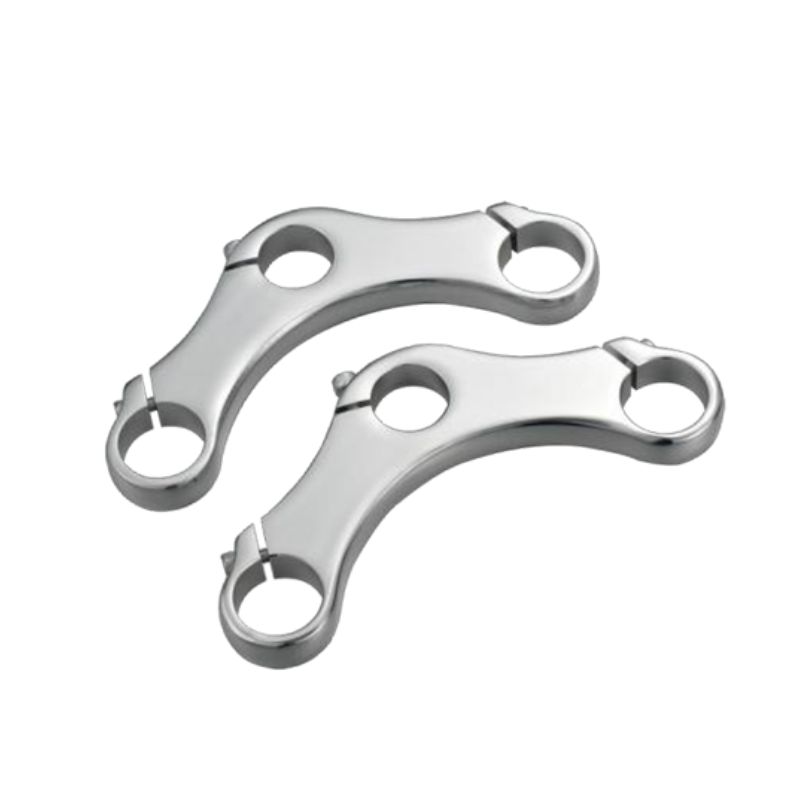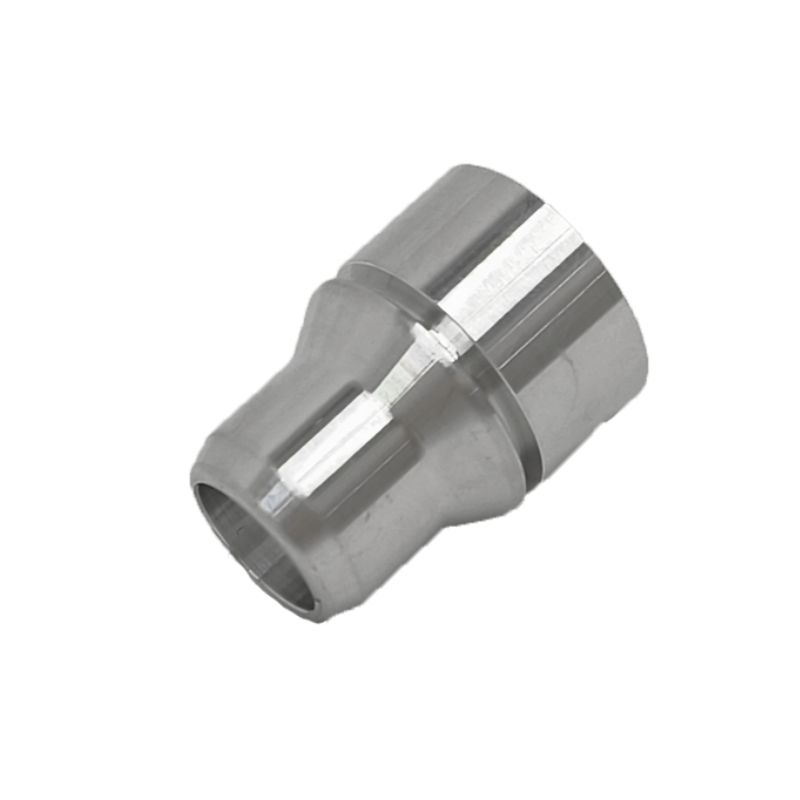
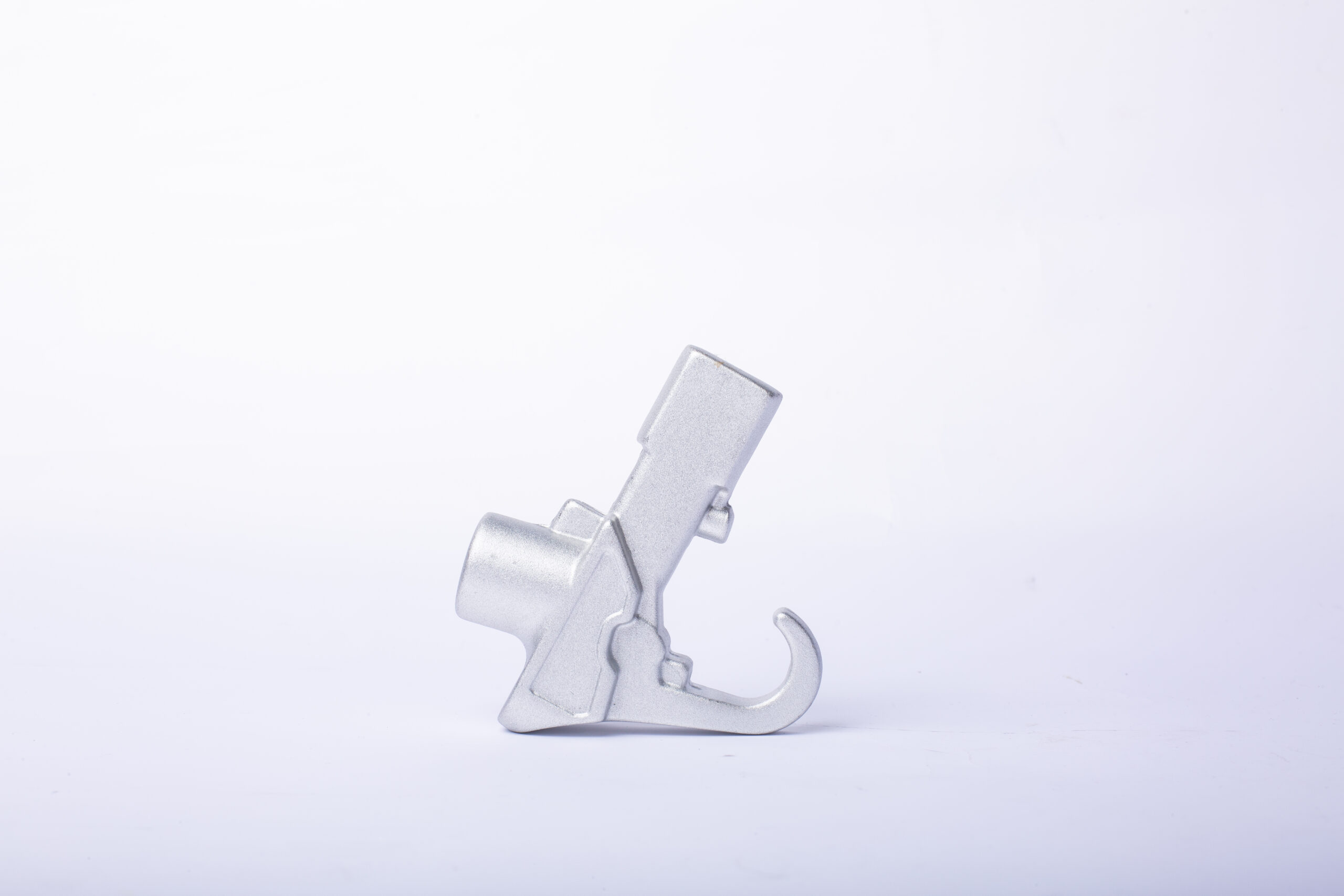
Aluminum forging is a specialized manufacturing process used to shape aluminum alloys into strong, durable components through the application of heat and pressure. This process is widely used in industries such as automotive, aerospace, military, and construction due to aluminum’s excellent strength-to-weight ratio, corrosion resistance, and versatility. At Aluminum Forge, we pride ourselves on producing high-quality forged aluminum parts that meet the stringent requirements of various industries. In this article, we will explore the detailed manufacturing process of aluminum forging, from material selection to the final finishing of the product, along with some key numerical parameters that define the precision and quality of our production process.
What Is Aluminum Forging?
Aluminum forging involves heating aluminum alloys and shaping them using compressive forces, usually delivered through hydraulic hammers, mechanical presses, or specialized dies. Unlike casting, which involves melting aluminum and pouring it into molds, forging shapes the metal while it is still solid, leading to stronger, more resilient components with a refined grain structure. Forged aluminum parts are well-suited for high-performance applications that demand durability, lightweight properties, and structural integrity.
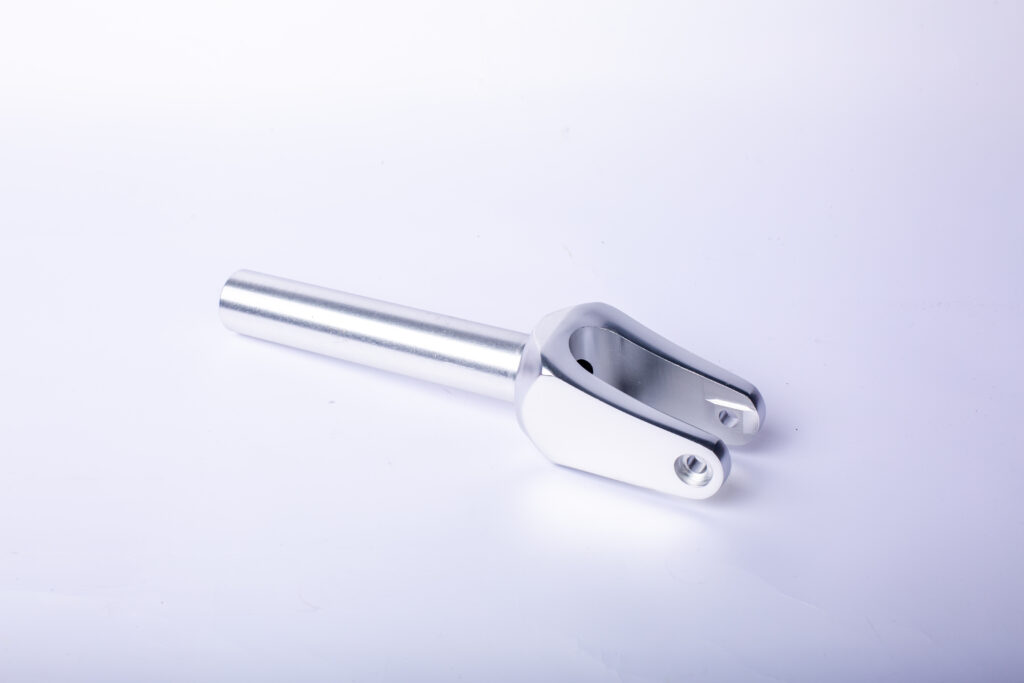
The Manufacturing Process of Aluminum Forge
1. Material Selection and Alloying
The first step in the aluminum forging process is selecting the right aluminum alloy for the job. Aluminum alloys are classified into different series based on their composition. Commonly used forging alloys include:
- 6061 Aluminum: Known for its good mechanical properties and excellent weldability, it is widely used in structural components and automotive parts.
- 7075 Aluminum: This alloy offers high strength and is typically used in aerospace and military applications. It has a tensile strength of around 572 MPa (83,000 psi), making it one of the strongest aluminum alloys available.
- 2024 Aluminum: Popular in aerospace applications due to its high fatigue resistance, it has a tensile strength of 470 MPa (68,000 psi).
The alloy is chosen based on the desired properties of the final component, such as strength, corrosion resistance, and machinability.
2. Heating and Pre-Forming
Once the alloy is selected, the next step is heating the aluminum to a temperature between 370°C and 520°C (700°F to 970°F). This range is below aluminum’s melting point but high enough to make the metal pliable. The precise temperature depends on the specific alloy and the complexity of the forging operation.
The pre-heating process is crucial because it reduces the material’s resistance to deformation, making it easier to forge without causing fractures. After heating, the aluminum is pre-formed using an upsetter or other forming tools to create an initial shape before final forging.
3. Forging and Forming
The heart of the aluminum forging process is the actual forging step, where compressive forces are applied to the heated aluminum to form it into the desired shape. This process is typically carried out using hydraulic presses, mechanical hammers, or drop hammers. These machines exert tremendous pressure—ranging from 10,000 to 50,000 tons of force—to shape the aluminum into the required form.
Forging can be performed in two main ways:
- Open Die Forging: In this method, the aluminum is deformed between two dies that do not enclose the workpiece completely. It is used for producing larger components that require further machining after forging.
- Closed Die Forging: Also known as impression die forging, this method involves the aluminum being compressed within a die that contains a detailed impression of the desired shape. Closed die forging allows for complex shapes with tighter tolerances, often achieving dimensional accuracy within ±0.2 mm.
4. Trimming and Flash Removal
After the aluminum has been forged, the next step is removing any excess material known as “flash.” Flash is the metal that squeezes out between the die halves during the forging process. It is typically trimmed off using high-speed trimming presses, leaving a clean, smooth edge.
This trimming process ensures that the final part meets the required specifications and dimensions, with flash often being removed within ±0.1 mm to prevent further machining.
5. Heat Treatment
To further enhance the mechanical properties of the forged aluminum, many parts undergo heat treatment. Heat treatment involves heating the forged aluminum components to a specific temperature, then cooling them in a controlled manner to improve their strength, hardness, and toughness.
Common heat treatments for forged aluminum include:
- T6 Heat Treatment: Often used for 6061 aluminum, this process involves solution heat treatment and aging to achieve higher tensile strength. For example, 6061-T6 aluminum has a tensile strength of around 310 MPa (45,000 psi).
6. Machining and Finishing
After forging and heat treatment, the part is subjected to CNC machining to achieve the final dimensions and tolerances. CNC machining allows for precise shaping and drilling of holes, slots, and other features with tight tolerances, often within ±0.01 mm. Surface finishing processes like polishing, anodizing, or painting may also be applied to improve the aesthetic appearance and corrosion resistance of the final part.
7. Quality Control and Inspection
The final step in the aluminum forging process is quality control. At Aluminum Forge, we utilize advanced inspection techniques such as coordinate measuring machines (CMM) and non-destructive testing (NDT) to ensure that every forged component meets the required dimensional, mechanical, and aesthetic standards.
Parts are inspected for defects, dimensional accuracy, and surface finish, ensuring that they comply with the customer’s specifications. Any non-conforming parts are reworked or discarded, ensuring that only the highest quality components leave our facility.

Benefits of Aluminum Forging
- Strength: Forging results in a refined grain structure that enhances the mechanical properties of aluminum, offering improved fatigue resistance and tensile strength.
- Lightweight: Aluminum’s low density (around 2.7 g/cm³) makes it ideal for weight-sensitive applications like automotive and aerospace components.
- Corrosion Resistance: Aluminum naturally forms a protective oxide layer, making it resistant to corrosion in many environments.
Questions and Answers Related to Precision Hardware
- Q: What is the main advantage of forging aluminum over casting?
A: Forging aluminum produces components with higher strength, better fatigue resistance, and a refined grain structure compared to casting. Forged parts are less likely to have internal defects, such as voids or porosity, that can occur in casting.
- Q: What are the typical tolerances achieved in aluminum forging?
A: Precision aluminum forging can achieve dimensional tolerances as tight as ±0.2 mm for most components. In cases requiring further accuracy, CNC machining can refine tolerances to ±0.01 mm.
- Q: Why is heat treatment important after aluminum forging?
A: Heat treatment improves the mechanical properties of forged aluminum, including tensile strength and hardness. It is particularly important for components used in high-stress environments, such as aerospace and automotive parts.
Conclusion
Aluminum forging is a highly efficient manufacturing process that produces strong, lightweight, and durable components for a variety of industries. At Aluminum Forge, we combine advanced equipment, precise machining, and strict quality control to deliver top-quality aluminum forged parts that meet even the most demanding specifications. Whether you need components for aerospace, automotive, or other industrial applications, our expertise ensures that your parts will perform reliably in any environment.