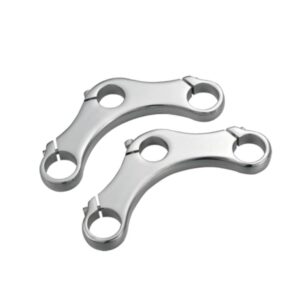
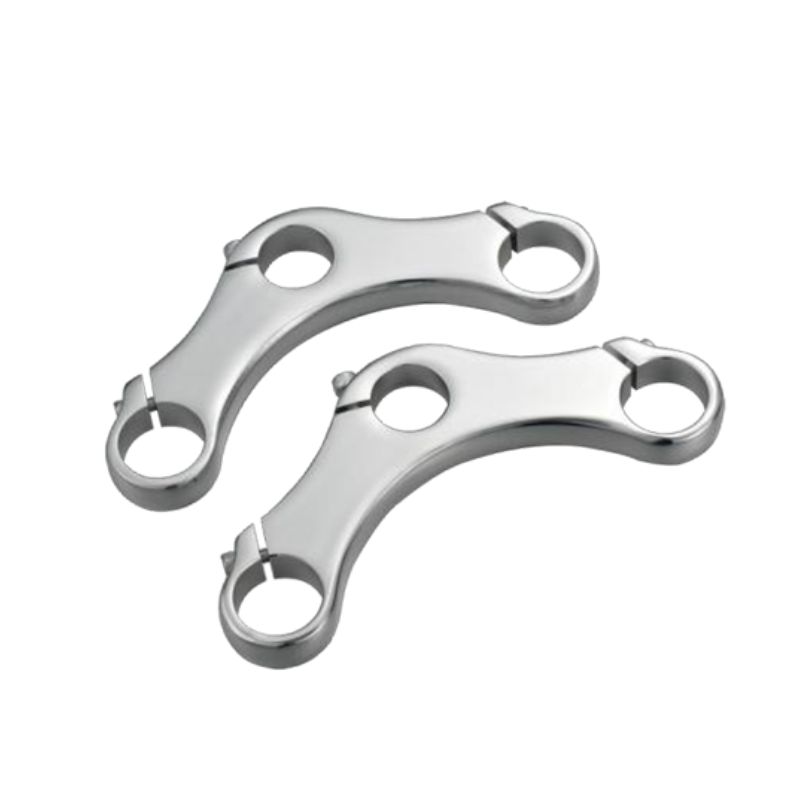
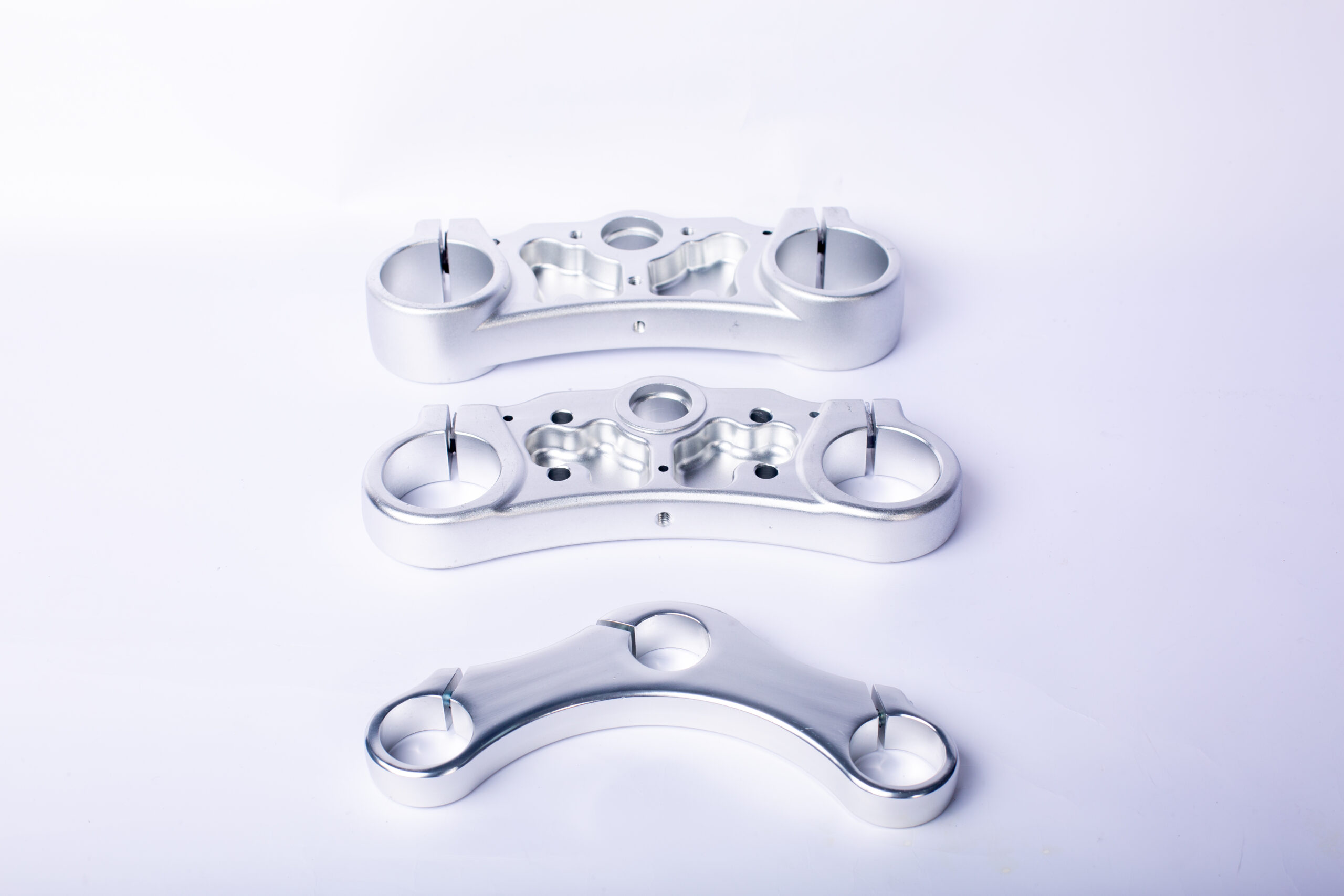
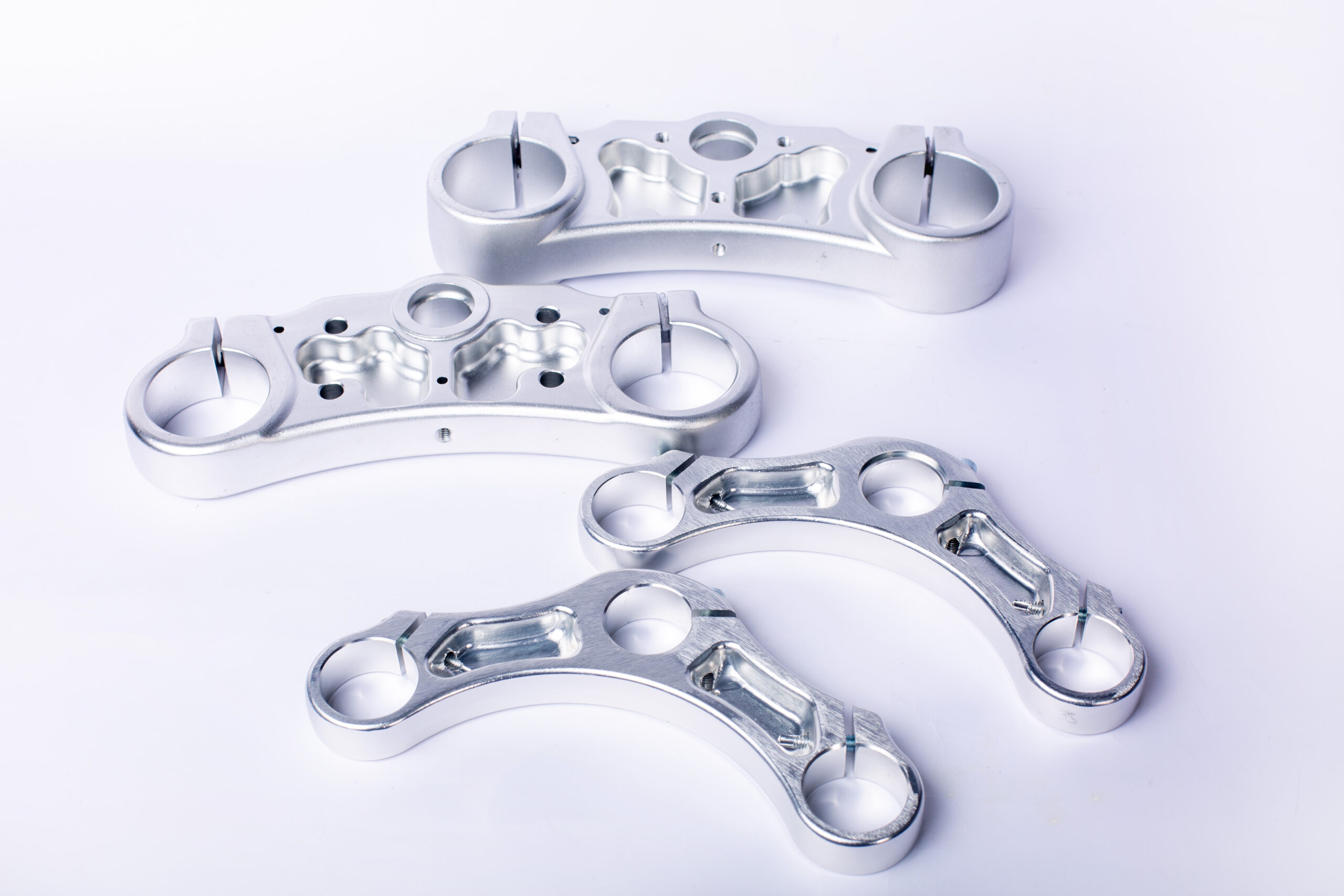
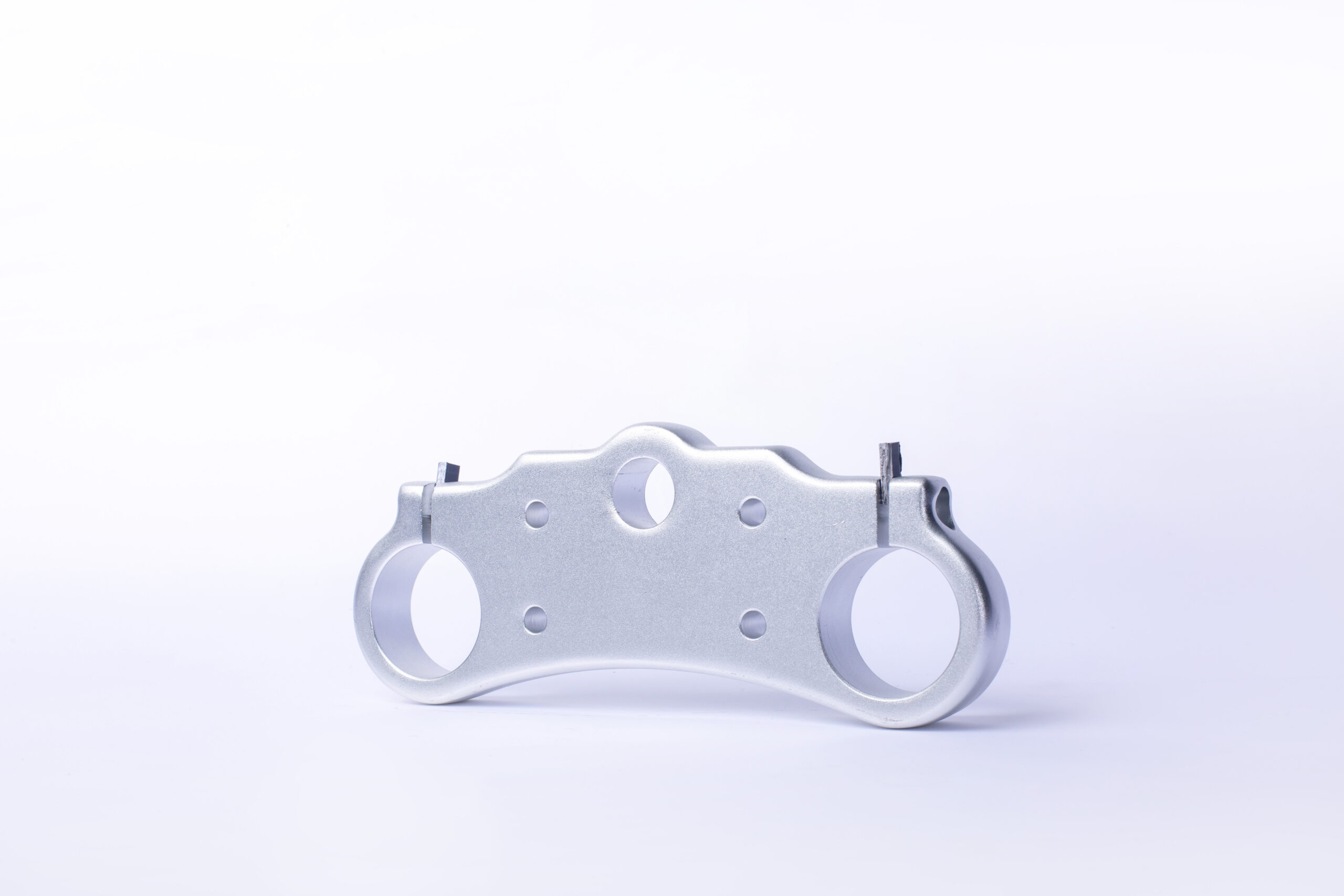
Mingyu Technology is a leading manufacturer of rectangular aluminum extrusions for the aerospace and defense industry. Our company is recognized for its expertise in producing high-strength, lightweight extruded parts for aircraft, missiles and other military applications. Our manufacturing process follows strict quality control measures and meets the strict standards of the aerospace industry. Mingyu Technology also provides design and engineering services, allowing us to work closely with our customers to create customized solutions that meet their specific requirements.
The rectangular aluminum extrusions product is a lightweight and durable material, made from the process of pushing or pulling a metal ingot through a die of a smaller cross-sectional area. This results in a long and uniform cross-section of the desired shape.
The use of rectangular aluminum extrusions has gained popularity in various industries due to its excellent strength-to-weight ratio, corrosion resistance, and cost-effectiveness. It is commonly used in automotive, construction, aerospace, and electrical industries for applications such as frames, structures, electrical enclosures, and door and window frames.
One of the key advantages of rectangular aluminum extrusions is its versatility, as it can be molded into a wide variety of shapes and sizes to meet specific design requirements. It can also be easily welded, machined, and finished to achieve a desired surface texture.
| Brand | MINGYU TechMINGYU Tech |
| Original | China |
| Capacity | 1346Ton/Month |
| Thickness | 0.5mm and above, or Customized |
| Length | 3-6.8Meter |
| Hardness | >=8HW |
| Color | Silver,White,Black,Grey,Bronze,Champagne,Wood and any as requested |


rectangular aluminum extrusions FAQs Guide.
In this guide, we will provide you with all the information you need to know about our top-quality rectangular aluminum extrusions and how they can benefit you and your projects. With extensive experience in the industry, our products are trusted by professionals and DIY enthusiasts alike. From industrial applications to home improvement projects, our rectangular aluminum extrusions offer durability, versatility, and customization options to meet all your needs. Read on to discover more about our rectangular aluminum extrusions products and why they should be your top choice.
1.Can rectangular aluminum extrusions be used in space applications?
Yes, aluminum extrusion can be used in space applications. Aluminum is a lightweight, strong, and corrosion-resistant material that is well-suited for use in space applications. It is used in the construction of spacecraft, satellites, and other space-related structures. Aluminum extrusion is often used to create complex shapes and components for space applications, such as frames, brackets, and other structural components.
2.What are the common surface finishes for rectangular aluminum extrusions?
We should perform well in market competition, and the prices of rectangular aluminum extrusions products have a great competitive advantage.
1. Anodizing
2. Powder Coating
3. Brushing
4. Polishing
5. Sandblasting
6. Laser Engraving
7. Chemical Film
8. Electroplating
3.What is the minimum and maximum wall thickness that can be achieved through rectangular aluminum extrusions?
We have flexible production capacity. Whether you are large orders or small orders, you can produce and release goods in a timely manner to meet customer needs.
The minimum wall thickness that can be achieved through aluminum extrusion is 0.5mm, while the maximum wall thickness is typically limited to 12mm. However, some aluminum extrusion processes can achieve wall thicknesses up to 25mm.
4.What is rectangular aluminum extrusions?
We focus on providing high rectangular aluminum extrusions quality products and services.
Aluminum extrusion is a process of shaping aluminum by forcing it to flow through a shaped opening in a die. The extruded aluminum takes on the shape of the die opening. This process is used to create a wide variety of shapes and sizes of aluminum parts, including rods, bars, angles, channels, and frames.
5.How does the selection of alloy affect the strength and properties of the extruded product?
We continue to invest in research and development and continue to launch innovative products.
The selection of alloy affects the strength and properties of the extruded product in a variety of ways. Different alloys have different levels of strength, ductility, and other properties that can affect the performance of the extruded product. For example, some alloys are more resistant to corrosion, while others are more malleable and can be formed into complex shapes. Additionally, the alloy’s composition can affect the thermal properties of the extruded product, such as its melting point and thermal conductivity.
6.How does the temperature affect the extrusion process?
We have a first -class management team, and we pay attention to teamwork to achieve common goals.
Temperature has a significant effect on the extrusion process. The temperature of the material being extruded must be kept within a certain range in order for the material to flow properly and be extruded correctly. If the temperature is too low, the material will be too viscous and will not flow properly. If the temperature is too high, the material may become too soft and may not hold its shape. Additionally, the temperature of the die and the barrel must be kept within a certain range in order for the material to be properly extruded. If the temperature is too low, the material may not flow properly and may not be extruded correctly. If the temperature is too high, the material may become too soft and may not hold its shape.
7.What types of profiles are commonly extruded with aluminum?
Common types of profiles extruded with aluminum include: window and door frames, curtain wall frames, structural framing, handrails, fencing, heat sinks, solar panel frames, and automotive components.
8.How does the choice of lubrication method affect the extrusion process?
The choice of lubrication method can have a significant impact on the extrusion process. Different lubrication methods can affect the surface finish of the extruded product, the amount of friction generated during the process, and the amount of energy required to complete the extrusion. For example, using a dry lubricant such as graphite or molybdenum disulfide can reduce friction and improve surface finish, while using a wet lubricant such as oil or grease can reduce friction and improve the flow of the material. Additionally, the choice of lubrication method can affect the amount of heat generated during the process, which can have an impact on the quality of the extruded product.
9.What considerations should be taken for post-extrusion processing?
We are a professional rectangular aluminum extrusions company dedicated to providing high quality products and services.
1. Cooling: After extrusion, the product must be cooled quickly to prevent warping or distortion.
2. Cutting: Depending on the product, it may need to be cut into smaller pieces or into specific shapes.
3. Finishing: Depending on the product, it may need to be sanded, polished, or painted.
4. Packaging: The product must be packaged properly to ensure it arrives safely to its destination.
5. Quality Control: Quality control measures should be taken to ensure the product meets the desired specifications.
10.What is the difference between standard and custom rectangular aluminum extrusionss?
We have been working hard to improve service quality and meet customer needs.
Standard aluminum extrusions are pre-made shapes and sizes that are available for purchase from a manufacturer. These extrusions are typically used for general purpose applications and are available in a variety of shapes and sizes. Custom aluminum extrusions are made to order and are designed to meet specific customer requirements. These extrusions are typically used for more specialized applications and are not available in standard sizes.
11.What is the typical tolerance level for rectangular aluminum extrusions?
We focus on teamwork and communication to achieve common goals, We attach great importance to this detail.
The typical tolerance level for aluminum extrusion is +/- 0.005 inches per inch of length.
12.What are the benefits of using rectangular aluminum extrusions in the automotive industry?
As one of the rectangular aluminum extrusions market leaders, we are known for innovation and reliability.
1. Lightweight: Aluminum extrusion is much lighter than steel, making it ideal for automotive applications where weight is a major factor.
2. Strength: Aluminum extrusion is strong and durable, making it suitable for use in automotive components that must withstand high levels of stress and strain.
3. Cost-Effective: Aluminum extrusion is a cost-effective solution for automotive applications, as it is less expensive than other materials.
4. Corrosion Resistance: Aluminum extrusion is highly resistant to corrosion, making it ideal for use in automotive components that are exposed to harsh environmental conditions.
5. Design Flexibility: Aluminum extrusion allows for greater design flexibility, as it can be easily formed into complex shapes and sizes.
6. Recyclability: Aluminum extrusion is 100% recyclable, making it an environmentally friendly choice for automotive applications.
13.How does the choice of extrusion temperature affect the mechanical properties of the final product?
We maintain a certain amount of R&D investment every year and continuously improve operational efficiency to provide better services to our cooperative customers.
The extrusion temperature affects the mechanical properties of the final product in several ways. At higher temperatures, the material is more malleable and easier to shape, but it also becomes more brittle and prone to cracking. At lower temperatures, the material is more rigid and less prone to cracking, but it is also more difficult to shape. The extrusion temperature also affects the crystallinity of the material, which in turn affects its strength and ductility.
14.How does the die design affect the quality of the extruded product?
We continue to improve rectangular aluminum extrusions products and processes to improve efficiency.
The die design affects the quality of the extruded product in several ways. The die design determines the shape of the product, the size of the product, and the surface finish of the product. The die design also affects the flow of the material through the die, which can affect the uniformity of the product. Additionally, the die design can affect the amount of pressure needed to extrude the material, which can affect the strength and durability of the product.
15.What future developments are being made in the field of rectangular aluminum extrusions?
1. Improved extrusion dies: Advances in die design and manufacturing technology are allowing for the production of more complex shapes and profiles with greater precision.
2. Automation: Automation is being used to increase efficiency and reduce costs in the aluminum extrusion process. Automated systems can be used to control the extrusion process, monitor quality, and reduce scrap.
3. Improved alloys: New alloys are being developed to improve the strength and durability of aluminum extrusions. These alloys can be tailored to specific applications and can provide improved performance in areas such as corrosion resistance, strength, and ductility.
4. Additive manufacturing: Additive manufacturing is being used to create complex shapes and profiles that would be difficult or impossible to produce using traditional extrusion methods. This technology can also be used to reduce waste and improve the efficiency of the extrusion process.

16.What are the factors that determine the strength of an extruded product?
Our products & services cover a wide range of areas and meet the needs of different fields.
1. Alloy composition: The alloy composition of the material used to make the extruded product will affect its strength. Different alloys have different properties, and some are stronger than others.
2. Extrusion temperature: The temperature at which the material is extruded will affect the strength of the product. Higher temperatures can cause the material to become more malleable, which can lead to a weaker product.
3. Extrusion speed: The speed at which the material is extruded will also affect the strength of the product. Faster speeds can cause the material to become more malleable, which can lead to a weaker product.
4. Die design: The design of the die used to extrude the material will also affect the strength of the product. Different die designs can cause the material to be extruded in different ways, which can lead to different strengths.
5. Cooling rate: The rate at which the material is cooled after extrusion will also affect the strength of the product. Faster cooling rates can cause the material to become more brittle, which can lead to a weaker product.
Tag:aluminum extrusion base frame,aluminum extrusion corner cap,rectangular aluminum extrusion profiles