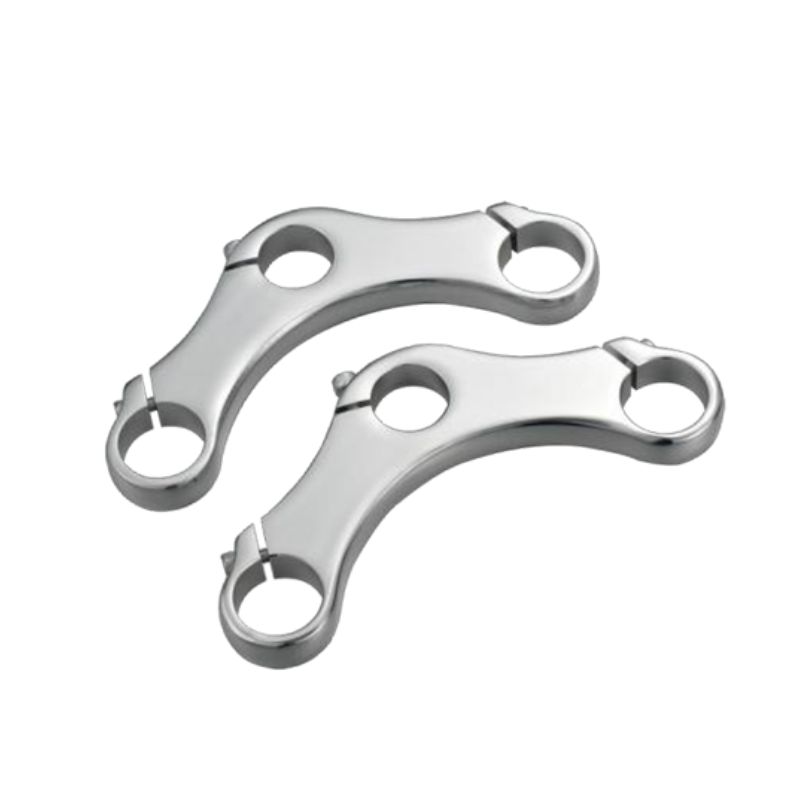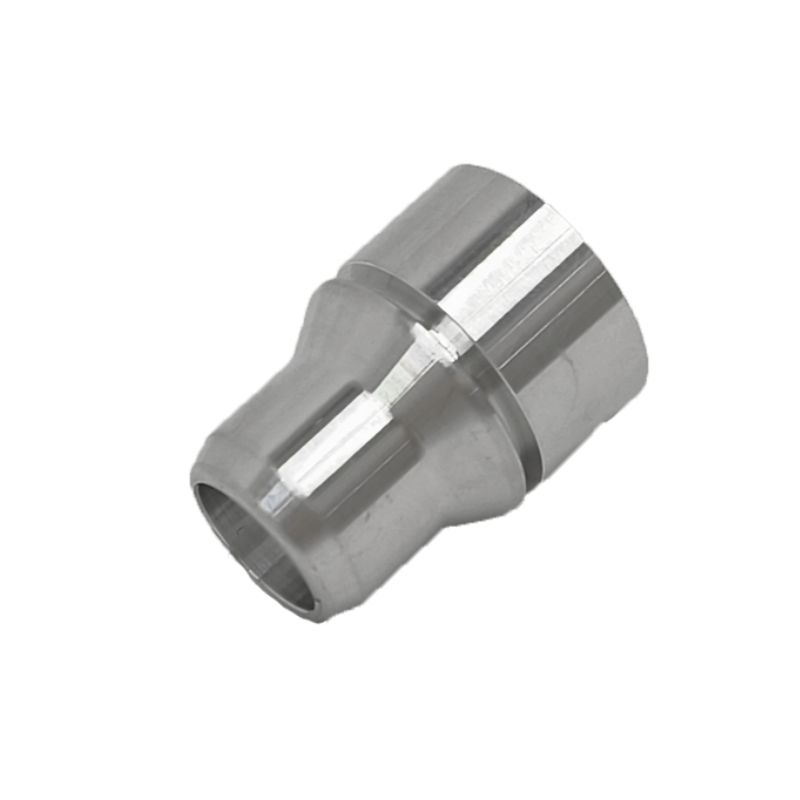
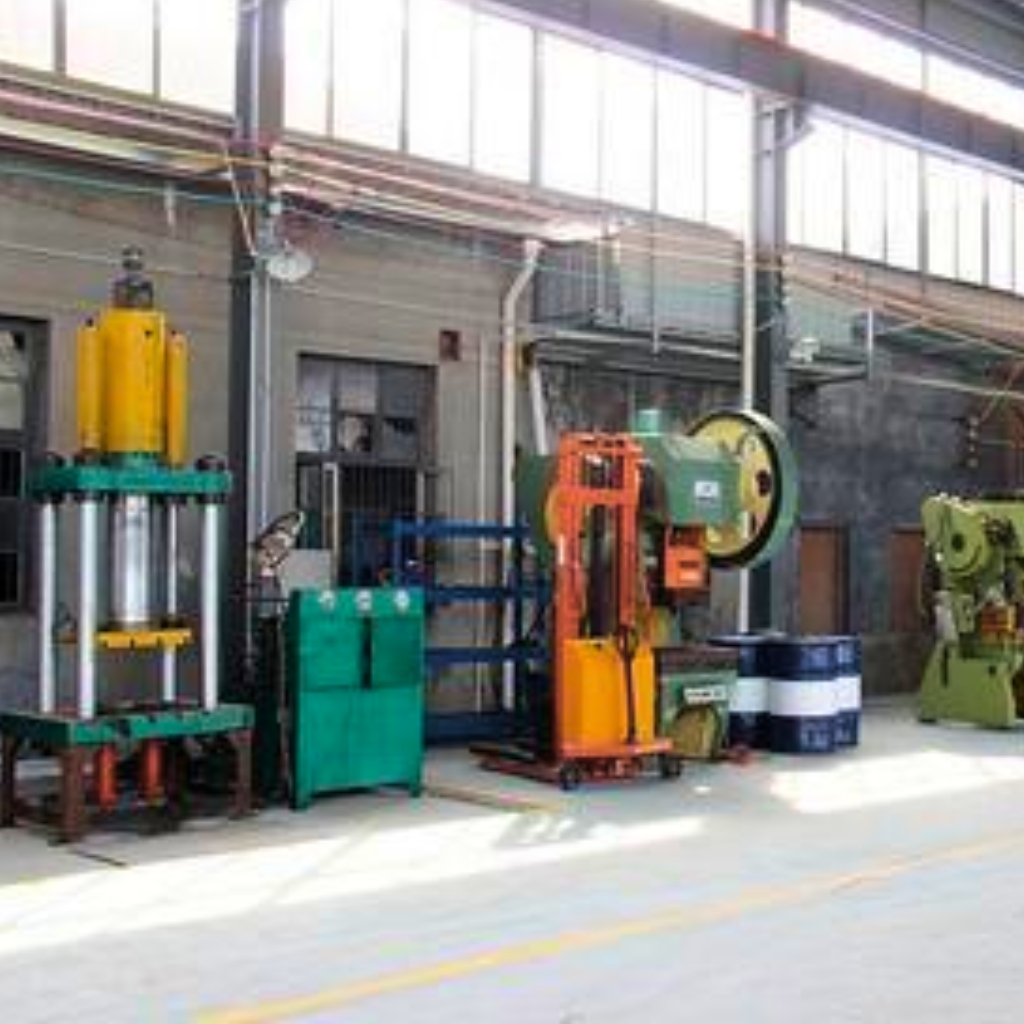
Hydraulic systems are integral to a wide range of industries, including aerospace, automotive, manufacturing, and construction. These systems rely on high-performance components that can withstand extreme pressure, temperature variations, and mechanical stresses. While a variety of materials can be used to manufacture hydraulic system parts, aluminum forged components are increasingly recognized for their ability to enhance durability, reduce weight, and improve the overall efficiency of hydraulic systems.
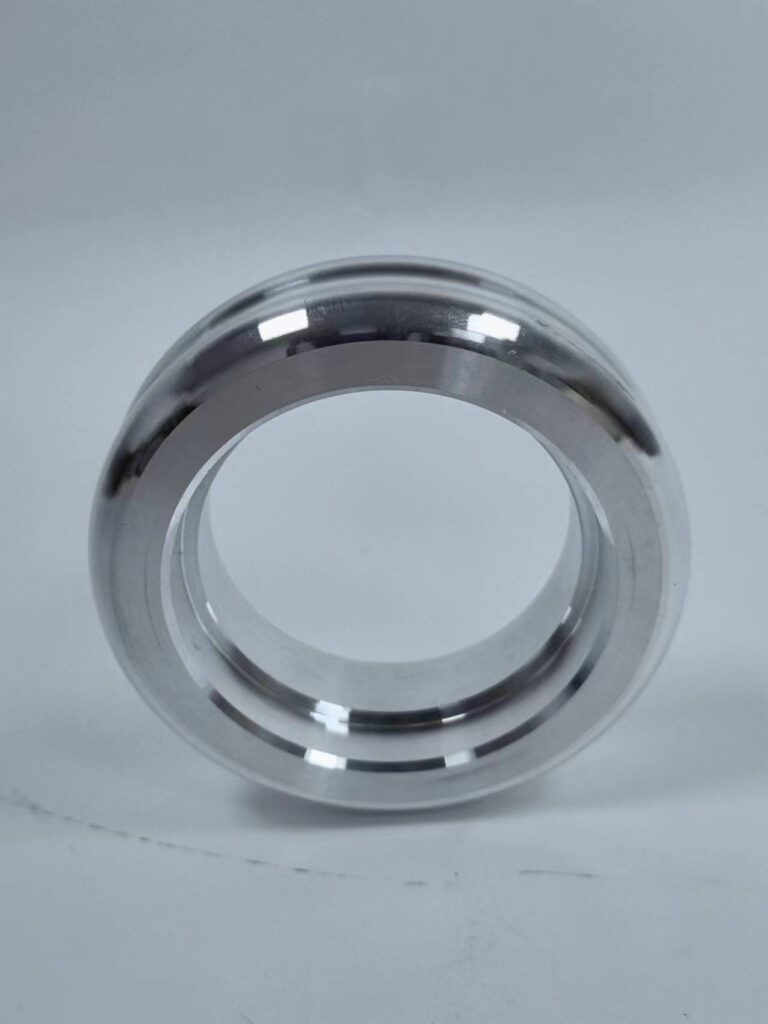
At MINGYU Tech, we specialize in providing aluminum forge parts that optimize the performance and longevity of hydraulic systems. In this article, we will explore the role of aluminum forging in hydraulic applications, the benefits of using aluminum forge parts, and how they help extend the life and reliability of hydraulic systems. Additionally, we will compare MINGYU Tech’s offerings to competitor products and discuss key trends in the industry.
Why Aluminum Forging is Ideal for Hydraulic Systems
Hydraulic systems involve the controlled movement of fluid to perform work, and the components within these systems—such as pumps, valves, actuators, and cylinders—must operate under high stress. Here’s why aluminum forged parts are an ideal choice for hydraulic systems:
- Superior Strength and Fatigue Resistance
Hydraulic systems often experience high levels of cyclic stress, which can cause fatigue in components. Aluminum forging improves the material’s internal structure by aligning the grain, resulting in parts that offer superior strength and resistance to fatigue. Forged aluminum parts are less prone to cracking and failure under repeated stress compared to cast or extruded aluminum, making them particularly well-suited for critical hydraulic applications.
- Enhanced Corrosion Resistance
Hydraulic systems are typically exposed to moisture, aggressive fluids, and harsh environments. Corrosion resistance is essential to ensure that components continue to perform reliably over time. Aluminum naturally resists corrosion due to its oxide layer, but the forging process further strengthens this property by reducing porosity and increasing the uniformity of the material. This makes aluminum forge parts more durable and longer-lasting in demanding environments, ensuring the reliability of hydraulic systems.
- Reduced Weight Without Compromising Strength
One of the primary benefits of aluminum forged parts is their excellent strength-to-weight ratio. Hydraulic systems, especially in mobile applications like construction equipment, aircraft, and automotive vehicles, benefit greatly from the reduced weight of aluminum components. Lighter components improve energy efficiency, reduce fuel consumption, and enhance the overall performance of hydraulic systems without sacrificing strength or durability.
- Improved Thermal Conductivity
Hydraulic systems can generate significant amounts of heat, particularly in high-performance applications. Aluminum forged parts are known for their high thermal conductivity, meaning they can dissipate heat more effectively than other materials like steel or cast iron. This helps maintain optimal operating temperatures and prevents overheating, which can lead to system failure or reduced component lifespan.
- Design Flexibility and Precision
Aluminum forging allows for the creation of complex, intricate parts with precise dimensions and high tolerances. The forging process can produce parts with intricate features that would be difficult or costly to achieve through other methods, such as casting or machining. This flexibility is particularly valuable in hydraulic systems, where components must meet specific geometries and performance criteria to function efficiently and reliably.
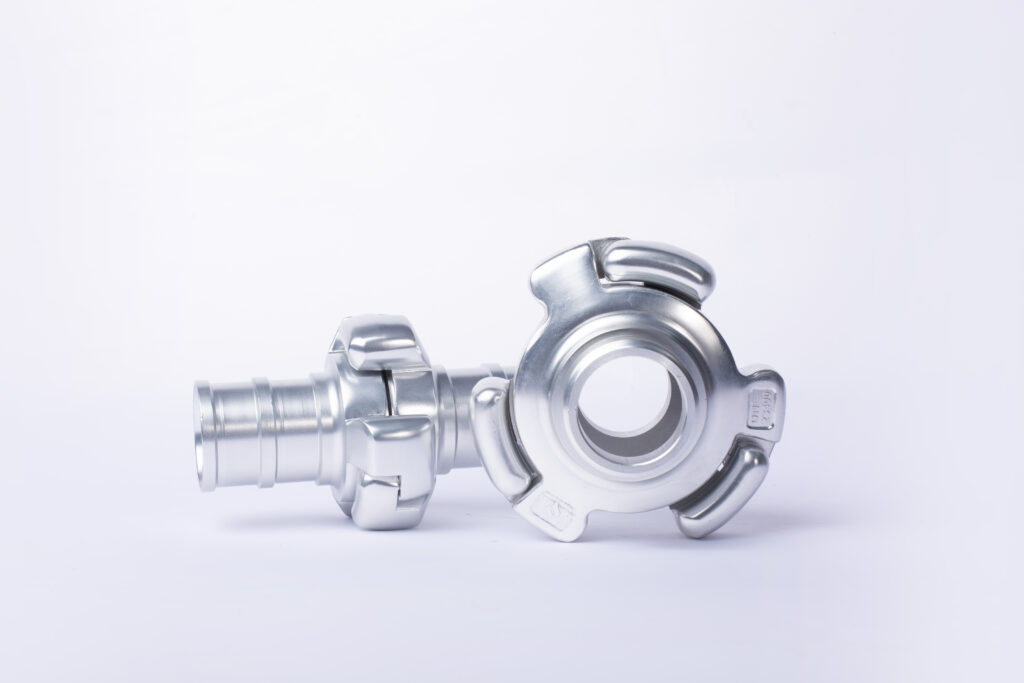
Comparison of Peer Products: MINGYU Tech vs. Competitors
As the demand for high-performance hydraulic systems grows, so does the market for quality aluminum forge parts. While many companies offer aluminum components for hydraulic applications, MINGYU Tech distinguishes itself with several key advantages:
- Precision and Tolerances
MINGYU Tech is known for its advanced forging technology, which allows us to produce parts with extremely tight tolerances. This precision reduces the need for additional machining and ensures that components fit together perfectly, minimizing the risk of leaks or failures in hydraulic systems. While some competitors may offer forged aluminum parts, they often fall short when it comes to maintaining precise dimensions, leading to higher rates of failure and increased maintenance costs.
- Alloy Expertise and Material Selection
MINGYU Tech offers a broad selection of aluminum alloys optimized for hydraulic system components, including high-strength alloys like 6061, 7075, and 2024. Our materials are carefully selected based on the specific demands of the application, ensuring optimal performance in high-pressure environments. Some competitors may offer fewer alloy options or use materials that do not provide the same level of durability, leading to reduced performance in harsh hydraulic applications.
- Corrosion Resistance
MINGYU Tech’s forged aluminum parts are designed to provide superior corrosion resistance. The forging process creates a more uniform grain structure, reducing the likelihood of defects and pores that could lead to corrosion over time. In contrast, some competitors’ aluminum parts may have higher levels of porosity, making them more susceptible to corrosion in fluid environments, which can ultimately shorten the lifespan of hydraulic components.
- Cost-Effectiveness and Lifecycle Value
While MINGYU Tech’s aluminum forged parts may have a higher upfront cost compared to cast or extruded components, the overall lifecycle cost is significantly lower. This is due to their enhanced strength, durability, and resistance to wear and corrosion, which reduces maintenance costs and extends the service life of hydraulic systems. Competitors offering lower-cost alternatives may not provide the same long-term value due to inferior material properties or manufacturing processes.
Industry Trends and the Future of Aluminum Forging in Hydraulic Systems
The use of aluminum forge parts in hydraulic systems is expected to continue growing as industries demand more efficient, reliable, and durable solutions. Here are a few key trends shaping the future of aluminum forging in the hydraulic sector:
- Increased Use of High-Performance Aluminum Alloys
Advances in aluminum alloy development are enabling manufacturers to produce even stronger and more durable materials. Future aluminum alloys for hydraulic systems are likely to offer enhanced fatigue resistance, better thermal conductivity, and improved resistance to aggressive fluids. These new alloys will allow for even more efficient hydraulic systems with a longer operational lifespan.
- Additive Manufacturing and Forging Synergies
Additive manufacturing (3D printing) is beginning to complement traditional forging techniques. By combining the design flexibility of 3D printing with the strength and performance of forged aluminum, manufacturers can create complex hydraulic components with optimized geometry that would be difficult or impossible to produce using traditional methods alone.
- Smart Hydraulic Systems
The rise of the Internet of Things (IoT) and smart sensors is transforming hydraulic systems. Hydraulic components, including forged aluminum parts, are being integrated with sensors that monitor performance in real time. This can help detect issues such as leaks, pressure drops, or overheating, allowing for preventative maintenance and reduced downtime.
- Sustainability and Recycling
As industries place more emphasis on sustainability, the use of recycled aluminum in forging processes will become more common. Aluminum is highly recyclable, and innovations in the recycling process are making it easier to repurpose scrap material for high-performance applications. This not only reduces environmental impact but also lowers the cost of production for aluminum forged parts.
- Automation in Forging Processes
The trend towards automation and smart manufacturing in the forging industry is improving the consistency and efficiency of aluminum forging. Automated systems equipped with advanced sensors and artificial intelligence can optimize every step of the forging process, ensuring that parts are produced with the highest level of precision and quality.
Conclusion
Aluminum forge parts play a vital role in enhancing the durability, efficiency, and longevity of hydraulic systems. With their excellent strength-to-weight ratio, fatigue resistance, corrosion resistance, and thermal conductivity, aluminum forge components offer significant advantages over other materials in hydraulic applications. MINGYU Tech’s commitment to precision manufacturing, alloy selection, and quality control ensures that our aluminum forged parts deliver exceptional performance in the most demanding hydraulic systems.
As the hydraulic systems industry continues to evolve, the demand for high-quality, durable components will only increase. MINGYU Tech remains at the forefront of this industry, offering innovative and reliable solutions that help customers optimize the performance and lifespan of their hydraulic systems.
In a competitive market, choosing the right supplier for aluminum forged parts is essential to ensuring the long-term success and reliability of your hydraulic systems. With MINGYU Tech, you can trust that your components are crafted to the highest standards, delivering the performance you need for years to come.