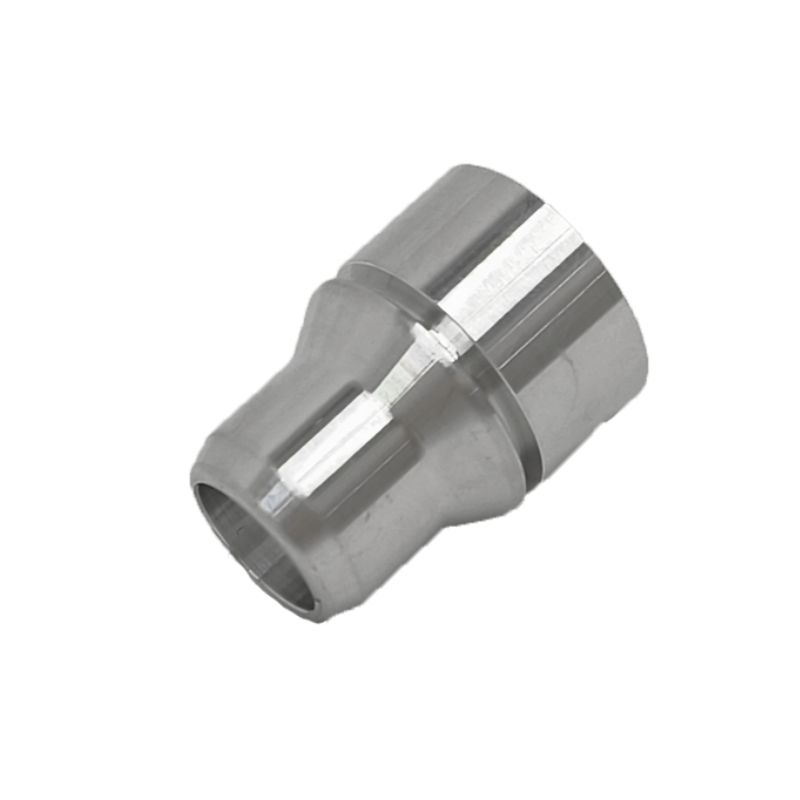
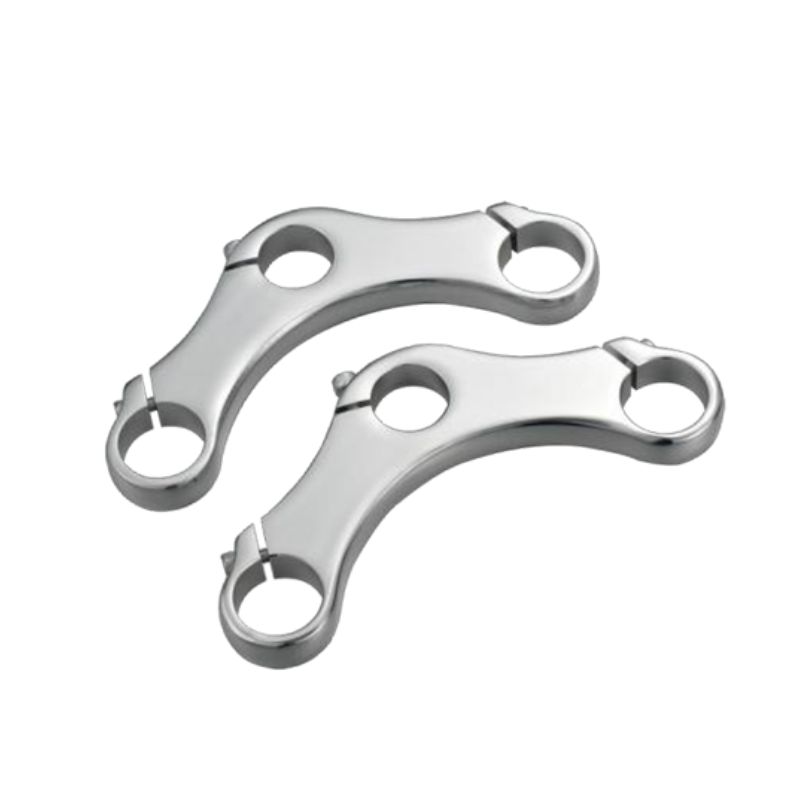
The aerospace industry operates in an environment where the balance between strength, weight, and durability is crucial. Components used in aircraft, spacecraft, and other aerospace applications must withstand extreme conditions, including high levels of stress, pressure, and temperature variation. To meet these demanding requirements, manufacturers rely on materials that provide both strength and reduced weight—one of the most popular of which is aluminum, especially when processed through the forging method.
In this article, we explore why aluminum forging is an ideal choice for producing lightweight, strong parts for the aerospace industry. Additionally, we’ll discuss the benefits of this process, compare peer products in the market, and explore future trends in aerospace materials. MINGYU Tech, a leader in precision forging, continues to innovate in the aerospace sector with advanced aluminum forging solutions.
The Advantages of Aluminum Forging for Aerospace Parts
Aluminum has long been favored in the aerospace industry for its combination of lightness, strength, and corrosion resistance. However, when aluminum is subjected to the forging process, its material properties are further enhanced, making it even more suitable for aerospace applications. Below are some of the key advantages of aluminum forging:
- High Strength-to-Weight Ratio
One of the primary reasons aluminum is used extensively in aerospace applications is its excellent strength-to-weight ratio. Forged aluminum parts are particularly valuable because forging enhances the material’s inherent strength. The process realigns the grain structure of aluminum, creating a denser, more durable part that is still significantly lighter than steel or other metals. This is critical for aerospace applications where reducing weight directly contributes to improved fuel efficiency and performance.
- Improved Fatigue Resistance
Aluminum forgings exhibit superior resistance to fatigue compared to cast or extruded parts. The forging process eliminates porosity and other structural weaknesses inherent in other forms of aluminum. The result is a stronger, more reliable part that can endure the high cyclic stresses that aerospace components are often subjected to, such as those encountered during takeoff, flight, and landing.
- Enhanced Durability and Corrosion Resistance
Aluminum naturally resists corrosion, but the forging process further strengthens this property. By creating a more uniform grain structure, forged aluminum parts exhibit improved durability in harsh environments, such as those found in aerospace applications. Whether subjected to extreme temperatures, moisture, or other environmental factors, aluminum forged parts remain resistant to corrosion and can withstand prolonged exposure without degradation.
- Design Flexibility
The aluminum forging process allows for a wide range of part geometries, from simple components to complex, multi-functional structures. It enables manufacturers to create parts with intricate shapes and thin walls, while still maintaining the material’s integrity and strength. This is especially important for aerospace engineers, who often need to balance performance requirements with space constraints.
- Cost-Effectiveness in Mass Production
While the initial cost of aluminum forging can be higher than casting or machining, the long-term cost benefits are significant. Forged parts often require less post-processing, reducing labor and material waste. Additionally, the durability of forged aluminum parts means they are less likely to fail in service, reducing the cost of repairs or replacements over the lifetime of the aerospace vehicle.

Comparison of Peer Products: MINGYU Tech vs. Competitors
In a competitive aerospace manufacturing market, understanding the differences between aluminum forging solutions can help manufacturers select the right provider. MINGYU Tech stands out among competitors due to its advanced forging capabilities and commitment to precision engineering.
- Precision and Tolerances
MINGYU Tech’s aluminum forging processes are known for their precision. We utilize state-of-the-art technology to produce parts with tight tolerances, ensuring that components fit together seamlessly, minimizing the need for additional machining. In comparison, some competitors may offer lower-cost aluminum forging services, but these parts may have larger tolerances that require more post-processing, impacting overall cost-effectiveness and quality.
- Material Selection and Alloy Variety
MINGYU Tech offers a wide range of aluminum alloys specifically engineered for aerospace applications. Whether it’s 2024, 7075, or 6061 aluminum, MINGYU Tech ensures that the optimal alloy is selected for each specific application. Some other manufacturers may have a more limited selection of alloys, which could affect the performance characteristics of the final product.
- Quality Control and Testing
At MINGYU Tech, we implement stringent quality control protocols throughout the entire forging process. Every part undergoes comprehensive testing, including material inspection, dimensional checks, and stress testing, to ensure the highest standards of quality and reliability. Some competitors may lack the same level of testing or may only perform basic quality checks, which could impact the safety and reliability of the parts.
- Customization and Design Support
MINGYU Tech works closely with aerospace engineers to provide tailored solutions for even the most complex part designs. We offer full support during the design phase, from material selection to finishing processes, ensuring that every part meets the exacting requirements of aerospace applications. Competitors, on the other hand, may focus more on standardized parts, limiting flexibility for custom designs.
The Future of Aluminum Forging in Aerospace
As aerospace technology continues to evolve, so too does the demand for materials that meet the highest performance standards. Aluminum forging, with its unique combination of strength, lightness, and durability, is poised to play an even more prominent role in the future of aerospace manufacturing. Here are some of the trends and innovations that could shape the future of aluminum forging in aerospace:
- Advanced Alloy Development
Research is ongoing into new aluminum alloys with enhanced properties for aerospace applications. These advanced alloys could offer even greater strength-to-weight ratios, improved resistance to extreme temperatures, or better compatibility with emerging manufacturing technologies, such as 3D printing and additive manufacturing.
- Integration of Additive Manufacturing and Forging
In the quest for ever lighter and stronger parts, the integration of additive manufacturing (3D printing) with traditional forging methods holds great promise. Combining the precise geometry possible with additive manufacturing with the enhanced material properties of forged aluminum could result in even more optimized aerospace components.
- Sustainability and Recycling
Aluminum is already one of the most sustainable materials used in aerospace, as it is highly recyclable. However, as the aerospace industry becomes more focused on sustainability, there is growing interest in improving the energy efficiency of the forging process itself. Innovations in energy consumption and the reduction of waste during aluminum forging will further enhance the environmental benefits of this manufacturing method.
- Automation and Smart Manufacturing
The rise of Industry 4.0 technologies, including smart sensors, artificial intelligence, and robotic automation, will continue to transform the forging process. Automated systems can optimize the forging process in real-time, ensuring that every part meets precise specifications. This could improve not only the quality and consistency of aluminum forgings but also the speed and cost-effectiveness of production.

Conclusion
Aluminum forging has proven itself to be an ideal manufacturing process for producing lightweight, strong, and durable parts for the aerospace industry. With its high strength-to-weight ratio, improved fatigue resistance, and excellent corrosion resistance, forged aluminum is the material of choice for demanding aerospace applications. MINGYU Tech’s commitment to precision, quality control, and innovative forging techniques ensures that we remain at the forefront of this critical industry.
As the aerospace sector continues to innovate, aluminum forging will play a key role in helping manufacturers meet the demands of next-generation aircraft and spacecraft. Whether it’s through improved alloys, more efficient manufacturing processes, or new material applications, the future of aluminum forging in aerospace is bright, and MINGYU Tech is excited to be a part of it.
In the competitive aerospace materials market, choosing the right partner for aluminum forging is essential. With MINGYU Tech, aerospace manufacturers can rely on high-quality, reliable, and precisely crafted aluminum parts that help drive the future of flight.