Aluminum profiles have become an integral part of modern industry, offering versatility, durability, and efficiency across a wide range of applications. From construction and automotive to electronics and aerospace, aluminum profiles are used to create everything from structural components to intricate design elements. The processing technology behind these profiles is as critical as their applications, ensuring that they meet the exacting standards required in these demanding industries. MINGYU Tech, a leader in aluminum processing technology, specializes in producing high-quality aluminum profiles that cater to various industrial needs. This article explores the diverse applications of aluminum profiles and the advanced processing technologies that make them possible.

Applications of Aluminum Profiles
Aluminum profiles are known for their lightweight nature, excellent corrosion resistance, and high strength-to-weight ratio. These characteristics make them ideal for a wide array of applications:
1. Construction and Architecture:
Aluminum profiles are widely used in the construction industry due to their strength, durability, and aesthetic appeal. They are commonly used in window frames, door frames, curtain walls, and structural glazing systems. Aluminum profiles can also be extruded into complex shapes, making them ideal for custom architectural designs and facades. The ability to anodize and powder coat aluminum adds to its aesthetic versatility, allowing for a wide range of finishes and colors that can enhance the visual appeal of buildings.
2. Automotive and Transportation:
The automotive industry relies heavily on aluminum profiles to reduce vehicle weight, which in turn improves fuel efficiency and reduces emissions. Aluminum profiles are used in various parts of vehicles, including frames, roof rails, and chassis components. In transportation, aluminum profiles are also used in the manufacturing of railcars, buses, and trucks, where their strength and light weight contribute to increased load capacities and enhanced performance.
3. Aerospace:
In the aerospace industry, where weight reduction is critical, aluminum profiles are indispensable. They are used in the construction of aircraft fuselages, wings, and interior components. Aluminum’s excellent strength-to-weight ratio, combined with its resistance to corrosion and ability to withstand extreme temperatures, makes it an ideal material for aerospace applications.
4. Electronics:
The electronics industry utilizes aluminum profiles for their excellent thermal conductivity, which is essential for heat dissipation in devices such as LED lights, computer components, and power supplies. Aluminum profiles are also used in the enclosures and housings of electronic devices, providing protection while maintaining a lightweight structure.
5. Renewable Energy:
The renewable energy sector, particularly in solar power, uses aluminum profiles in the construction of photovoltaic panel frames and mounting systems. The corrosion resistance of aluminum ensures longevity in outdoor applications, while its light weight facilitates easy installation and maintenance.

Processing Technology of Aluminum Profiles
The production of high-quality aluminum profiles requires advanced processing technologies that ensure precision, efficiency, and consistency. MINGYU Tech employs state-of-the-art technology in every step of the manufacturing process, from raw material preparation to final finishing.
1. Extrusion Process:
The extrusion process is at the heart of aluminum profile manufacturing. It involves forcing preheated aluminum billets through a die to create profiles with the desired cross-sectional shape. The versatility of the extrusion process allows for the creation of complex shapes with tight tolerances, making it suitable for a wide range of applications.
Direct Extrusion:
This is the most common method, where the aluminum billet is pushed through a stationary die by a hydraulic ram. The ability to produce long, continuous profiles with consistent dimensions is a key advantage of direct extrusion.
Indirect Extrusion:
In this process, the die moves towards the billet, reducing friction and making it easier to extrude complex shapes. Indirect extrusion is often used for producing intricate profiles with high precision.
2. Heat Treatment:
After extrusion, aluminum profiles often undergo heat treatment to enhance their mechanical properties. Heat treatment processes such as aging and tempering increase the hardness, strength, and durability of the profiles, making them suitable for demanding applications.
Aging:
This process involves heating the extruded profiles to a specific temperature to precipitate the alloying elements, which increases the material’s strength.
Quenching:
Quenching rapidly cools the profiles after heat treatment, locking in the desired mechanical properties and ensuring that the profiles meet the required specifications.

3. Surface Finishing:
Surface finishing is crucial for enhancing the appearance and performance of aluminum profiles. MINGYU Tech offers a variety of finishing options, including anodizing, powder coating, and painting.
Anodizing:
This electrochemical process thickens the natural oxide layer on the surface of the aluminum, improving corrosion resistance and allowing for various decorative finishes.
Powder Coating:
Powder coating provides a durable, protective layer with a wide range of color options. It is applied as a dry powder and then cured under heat to form a hard finish.
Painting:
Liquid paint can be applied to aluminum profiles to achieve specific colors or finishes, providing additional protection against environmental factors.
4. Precision Machining:
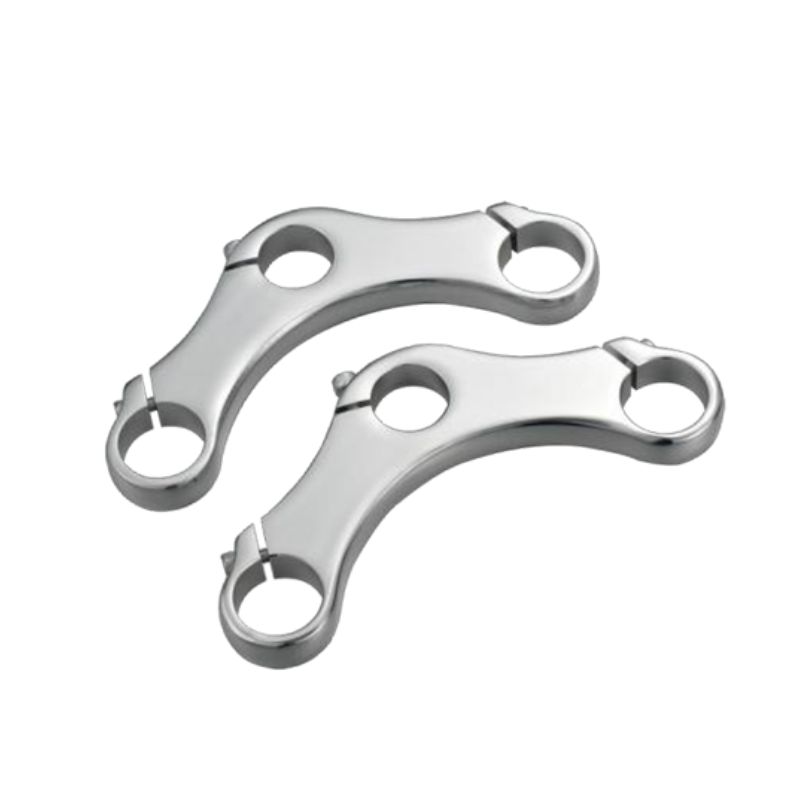
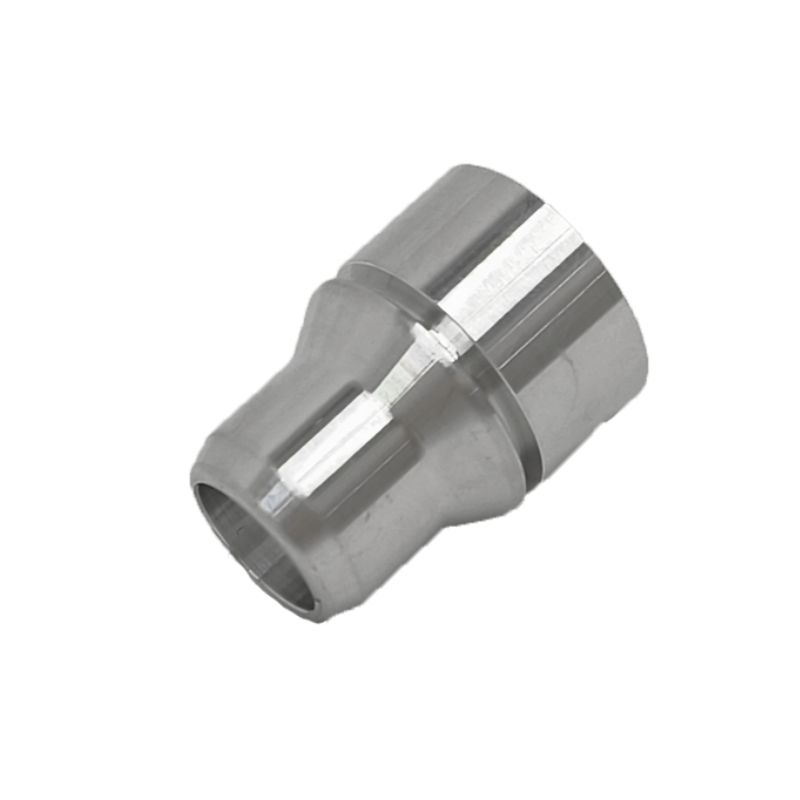
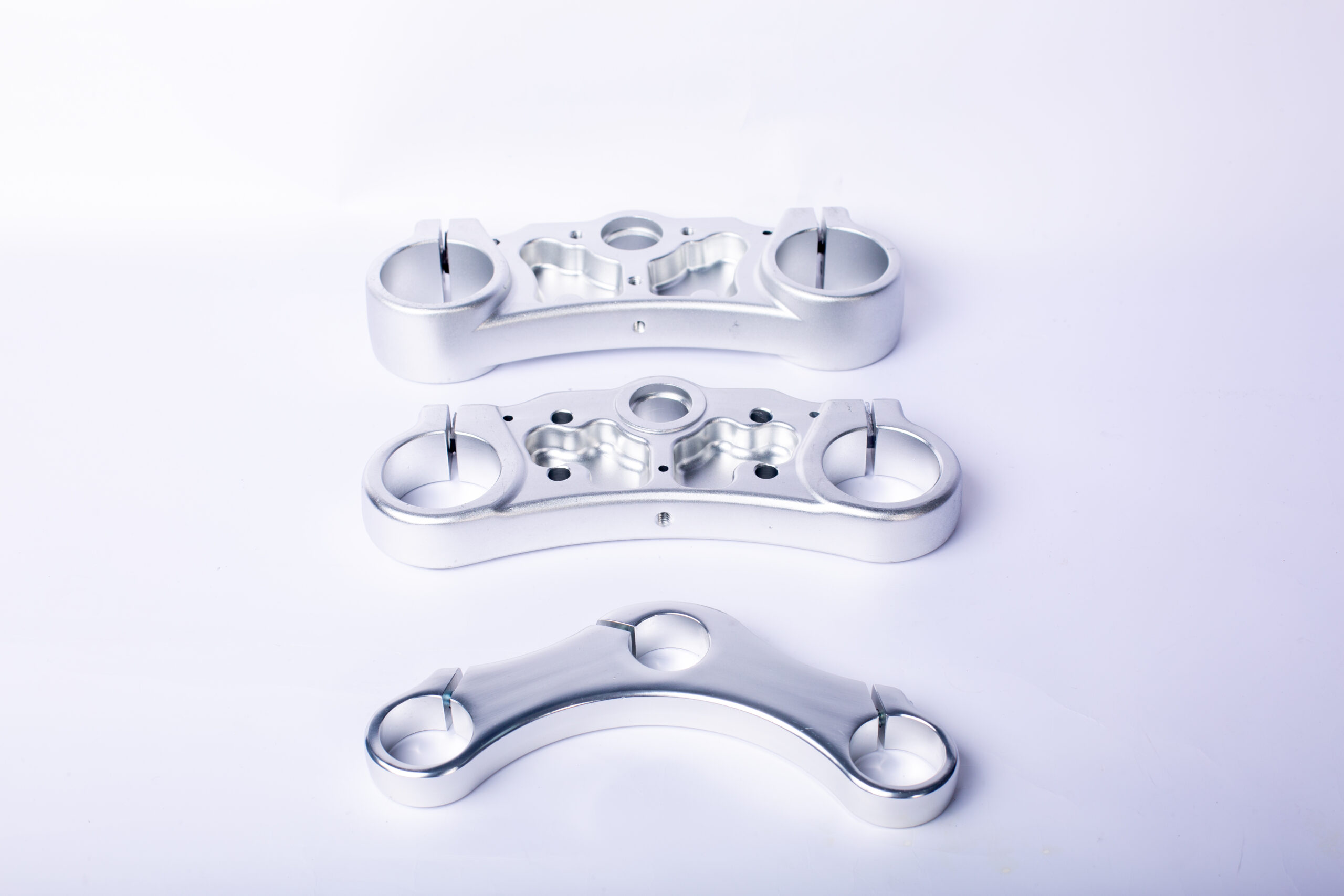
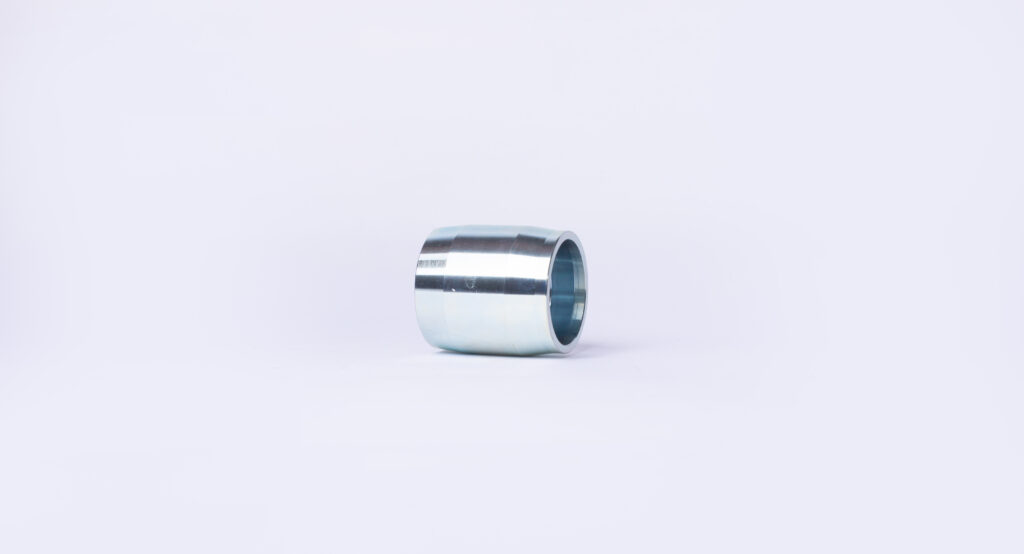
In addition to extrusion and finishing, aluminum profiles often require precision machining to meet specific design requirements. MINGYU Tech uses advanced CNC machining technology to cut, drill, and shape profiles with high accuracy, ensuring that they meet the exact specifications of the customer.
Industry Trends: The Future of Aluminum Profiles
The demand for aluminum profiles is expected to grow as industries continue to seek lightweight, durable, and sustainable materials. Innovations in processing technology, such as the use of digital tools and automation, are driving improvements in the efficiency and quality of aluminum profile production.
Sustainability:
As environmental concerns rise, there is a growing emphasis on sustainability in the aluminum industry. Aluminum is highly recyclable, and the use of recycled aluminum in profile manufacturing reduces energy consumption and greenhouse gas emissions. MINGYU Tech is committed to sustainable practices, incorporating recycled materials and energy-efficient processes into its production.
Customization and Digitalization:
The trend towards customization and digitalization is also shaping the future of aluminum profile manufacturing. MINGYU Tech leverages digital tools and automation to offer highly customized solutions, allowing customers to design profiles that meet their specific needs with precision and efficiency.
Conclusion: MINGYU Tech’s Expertise in Aluminum Profiles
Aluminum profiles are indispensable in many industries, offering a combination of strength, light weight, and corrosion resistance that few other materials can match. The application of advanced processing technologies ensures that these profiles meet the highest standards of quality and performance.
MINGYU Tech’s commitment to innovation, quality, and sustainability positions the company as a leader in aluminum profile manufacturing. By employing state-of-the-art extrusion, heat treatment, and surface finishing technologies, MINGYU Tech produces profiles that meet the diverse needs of its customers across various industries.
As the demand for aluminum profiles continues to rise, MINGYU Tech remains at the forefront of the industry, delivering high-quality, customized solutions that drive efficiency, reduce environmental impact, and enhance the performance of products worldwide.
Recommended product: CNC Aluminum Part