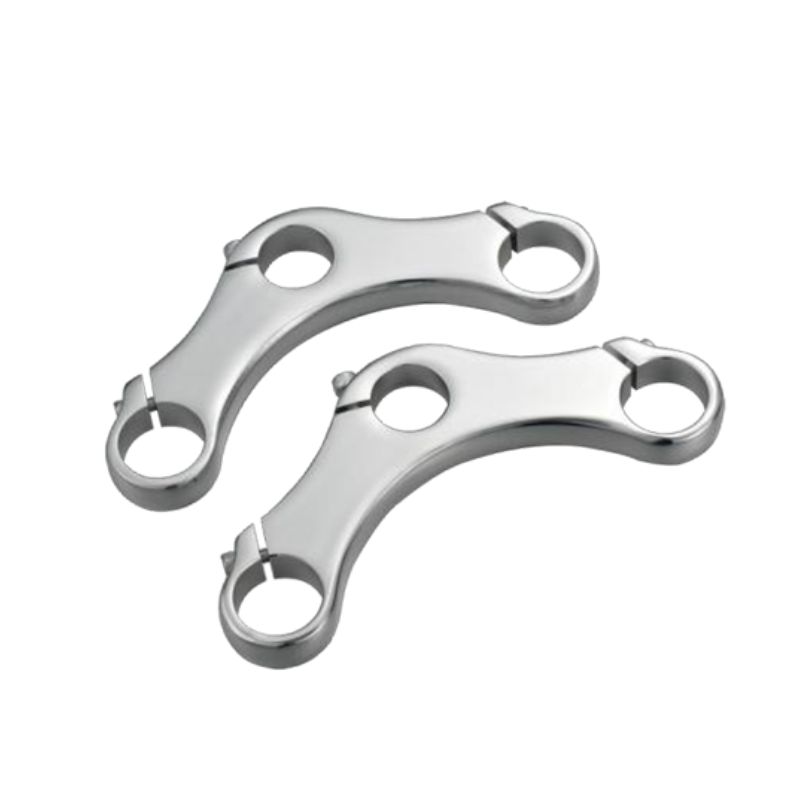
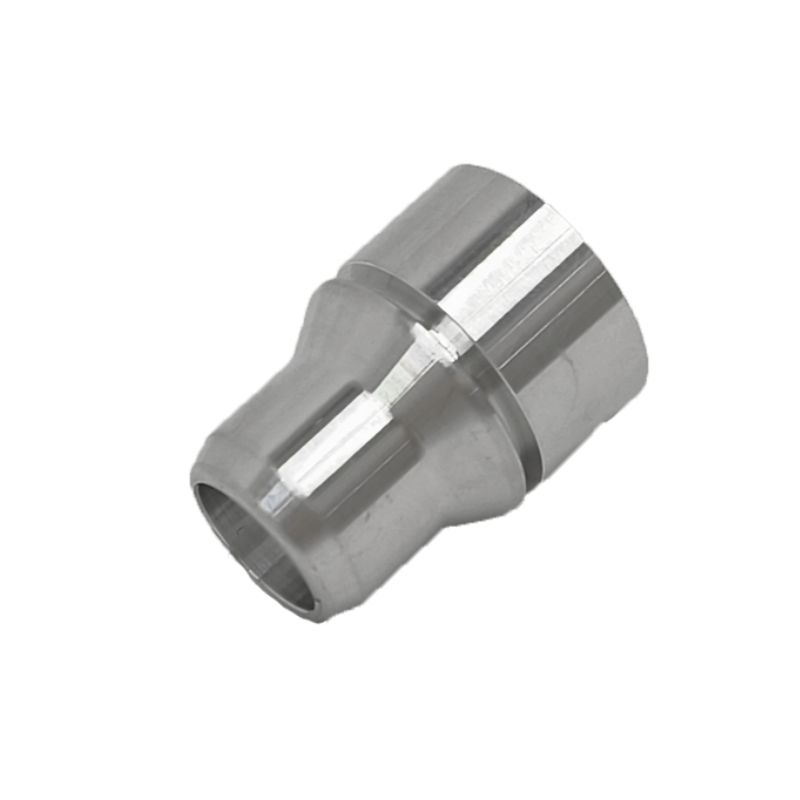
In the world of manufacturing, selecting the right method to create parts and components is critical for ensuring product performance, durability, and cost-effectiveness. Two popular approaches used in various industries are precision hardware and aluminum extrusion. Each method offers unique advantages and is suited for different applications depending on the required design, material properties, and production scale.
MINGYU Tech, a leading provider of engineering solutions, excels in both precision hardware manufacturing and aluminum extrusion, providing customized solutions to meet the demands of modern industries. This article will explore the key features of precision hardware and aluminum extrusion, their advantages and limitations, and the specific applications where each method is best suited.
What is Precision Hardware?
Precision hardware refers to high-accuracy components created using processes such as CNC machining, stamping, or milling. The goal of precision hardware manufacturing is to produce parts with extremely tight tolerances, ensuring that they meet exact specifications for complex and high-performance applications.
Key Features of Precision Hardware
- High Precision and Accuracy
Precision hardware is known for its ability to meet exacting tolerances, often measured in microns. This makes it an ideal solution for industries like aerospace, automotive, medical devices, and electronics, where even the smallest deviation can affect performance. - Complex Geometries
Using CNC machining and other advanced techniques, precision hardware manufacturing allows for the creation of complex shapes and intricate designs that are difficult to achieve with other methods. This makes it suitable for parts with intricate details or multiple interconnected features. - Material Flexibility
Precision hardware can be made from a wide range of materials, including metals (stainless steel, titanium, brass), plastics, and composites. This flexibility allows manufacturers to select the material that best suits the part’s performance requirements, such as strength, heat resistance, or corrosion resistance. - Surface Finish
Parts produced using precision hardware processes often have a high-quality surface finish with minimal need for additional post-processing. Polishing, plating, or coating can also be applied for enhanced protection or aesthetic purposes.
Applications of Precision Hardware
Precision hardware is used in a wide variety of industries where accuracy, strength, and complex designs are critical. Common applications include:
- Medical Devices: Components for surgical instruments, implants, and diagnostic equipment.
- Aerospace: High-precision parts for engines, navigation systems, and structural components.
- Electronics: Complex connectors, housings, and circuit board components.
- Automotive: Engine parts, braking systems, and safety components that require exact tolerances.
At MINGYU Tech, our expertise in precision hardware allows us to provide custom solutions for industries that demand the highest standards of quality and accuracy.
What is Aluminum Extrusion?
Aluminum extrusion is a manufacturing process where aluminum alloy is forced through a die to create long parts with a fixed cross-sectional profile. This method is commonly used to produce lightweight, durable components in a wide range of shapes and sizes.
Key Features of Aluminum Extrusion
- Material Efficiency
Aluminum is a highly efficient material for extrusion because it is lightweight, corrosion-resistant, and easy to work with. Extruded aluminum components are not only strong but also cost-effective, making them suitable for a wide range of applications. - Versatile Profiles
One of the primary advantages of aluminum extrusion is the ability to create parts with a consistent cross-sectional profile. Extrusion allows for the production of long, continuous parts with simple or complex shapes, including tubes, channels, and custom designs. - Strength and Durability
Despite its lightweight nature, extruded aluminum is strong and durable, making it an excellent choice for structural applications. The extrusion process also aligns the grain structure of the aluminum, improving its strength-to-weight ratio. - Scalability and Cost-Effectiveness
Aluminum extrusion is well-suited for large-scale production runs. Once the die is created, the process is highly repeatable, leading to lower costs per unit for high-volume manufacturing.
Applications of Aluminum Extrusion
Aluminum extrusion is widely used in industries where lightweight, durable, and cost-effective materials are required. Common applications include:
- Construction: Structural components like window frames, door frames, and supports for buildings and bridges.
- Transportation: Lightweight parts for cars, trucks, trains, and airplanes to improve fuel efficiency.
- Consumer Goods: Aluminum profiles for furniture, sporting goods, and outdoor equipment.
- Electronics: Heat sinks, enclosures, and other components that benefit from aluminum’s heat dissipation properties.
MINGYU Tech
offers a comprehensive range of aluminum extrusion services, providing custom profiles that meet the exact requirements of various industries.
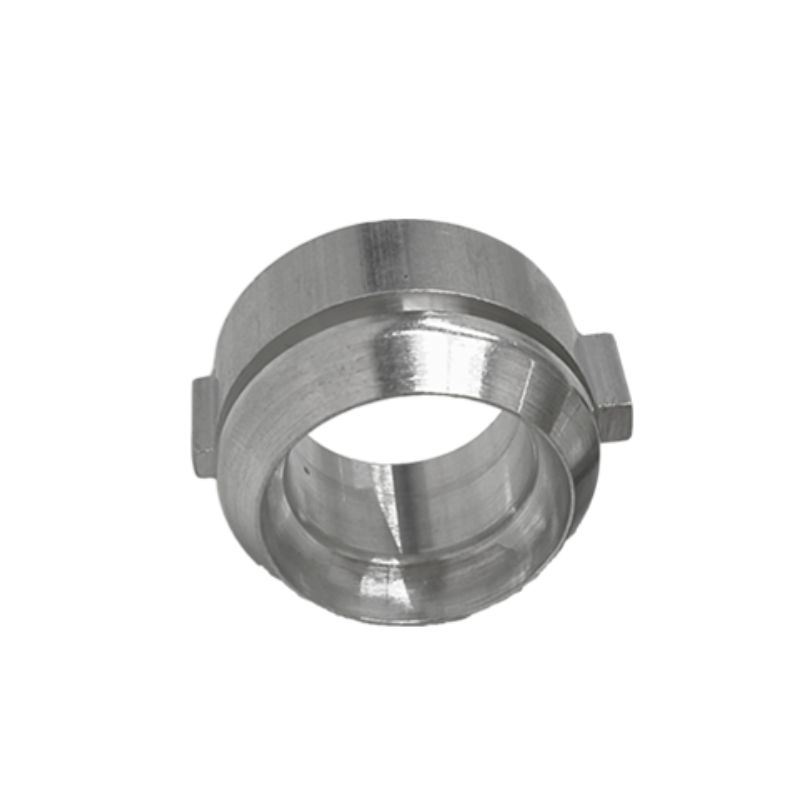
Comparison of Precision Hardware and Aluminum Extrusion
Both precision hardware and aluminum extrusion are highly effective manufacturing processes, but they serve different purposes based on the desired outcome and application. Here is a comparison of these two methods:
| Feature | Precision Hardware (MINGYU Tech) | Aluminum Extrusion (MINGYU Tech) | Competitor A (Precision Hardware) | Competitor B (Aluminum Extrusion) |
|---|---|---|---|---|
| Precision | Extremely high, tight tolerances | Moderate, suitable for uniform profiles | Standard precision, fewer complex designs | Good precision, but fewer custom profiles |
| Material Options | Wide range of metals, plastics, and composites | Primarily aluminum, with some alloys | Limited material selection compared to MINGYU Tech | Only basic aluminum options |
| Design Flexibility | Capable of producing complex geometries and intricate designs | Ideal for consistent cross-sectional profiles | Limited flexibility, higher costs for complex shapes | Moderate flexibility, but fewer custom profiles |
| Production Efficiency | Ideal for small batch production or prototyping | Best for high-volume production runs | Average production speed, slower for larger runs | Efficient for large runs, but slower lead times |
| Strength and Durability | High strength, suitable for demanding environments | Lightweight yet strong, excellent for structural components | Good strength, but fewer options for high-stress applications | Strong and durable, but limited for high-stress environments |
| Cost | Higher for small production runs but cost-effective for complex designs | Low per-unit cost for large volumes | Higher costs for intricate designs | Competitive pricing, but fewer customization options |
Choosing the Right Method for Your Application
Choosing between precision hardware and aluminum extrusion depends on your specific project requirements:
- Precision Hardware: Ideal for applications that require tight tolerances, complex geometries, and a wide range of materials. This method is best suited for industries such as aerospace, medical devices, and electronics, where accuracy and durability are paramount.
- Aluminum Extrusion: Best for applications where lightweight, uniform profiles are needed in high volumes. Aluminum extrusion is commonly used in construction, transportation, and consumer goods due to its cost-efficiency and material properties.
Why Choose MINGYU Tech?
MINGYU Tech specializes in both precision hardware and aluminum extrusion, offering custom solutions tailored to the unique needs of each project. Our state-of-the-art manufacturing capabilities ensure that each part is produced with the highest level of accuracy, quality, and performance. Whether you need complex precision components or scalable aluminum profiles, MINGYU Tech provides the expertise and technology to deliver outstanding results.
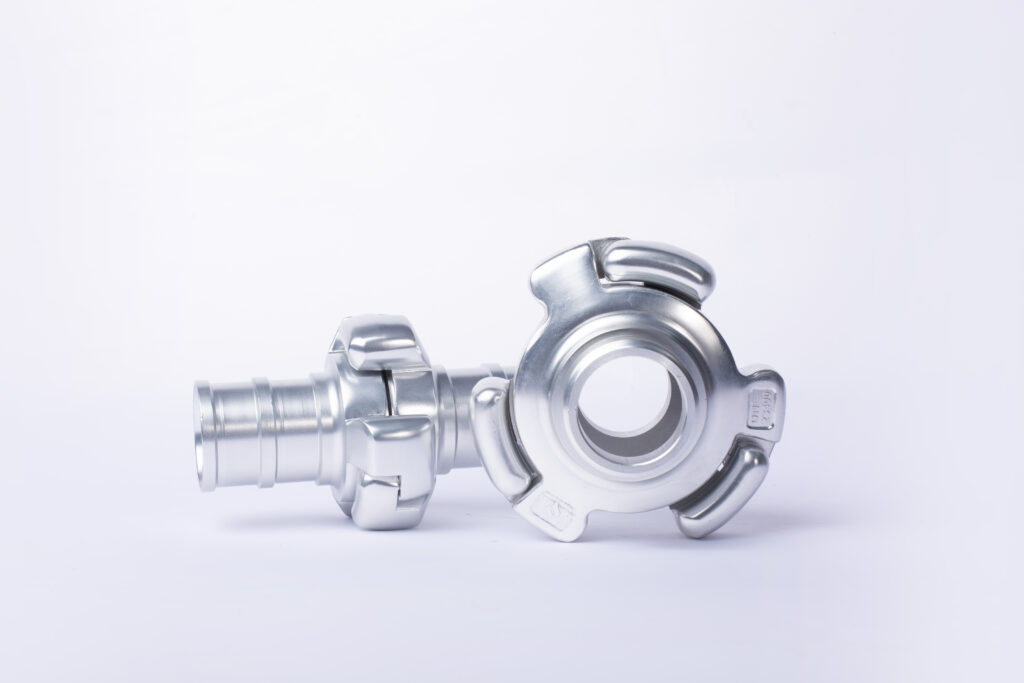
Conclusion
Both precision hardware and aluminum extrusion offer distinct advantages depending on the application. Precision hardware excels in creating intricate, high-precision parts, while aluminum extrusion is ideal for large-scale production of lightweight, durable components. By understanding the strengths and limitations of each method, manufacturers can select the best approach to enhance production efficiency and meet their specific needs.
At MINGYU Tech, we offer both precision hardware manufacturing and aluminum extrusion services, allowing us to provide comprehensive solutions for a wide range of industries. Contact us today to learn more about how we can support your next project with our advanced manufacturing capabilities.